• KGS/USD = 0.01144 0%
  • KZT/USD = 0.00192 -0%
  • TJS/USD = 0.10895 -0%
  • UZS/USD = 0.00008 0%
  • TMT/USD = 0.28490 0%
  • KGS/USD = 0.01144 0%
  • KZT/USD = 0.00192 -0%
  • TJS/USD = 0.10895 -0%
  • UZS/USD = 0.00008 0%
  • TMT/USD = 0.28490 0%
  • KGS/USD = 0.01144 0%
  • KZT/USD = 0.00192 -0%
  • TJS/USD = 0.10895 -0%
  • UZS/USD = 0.00008 0%
  • TMT/USD = 0.28490 0%
  • KGS/USD = 0.01144 0%
  • KZT/USD = 0.00192 -0%
  • TJS/USD = 0.10895 -0%
  • UZS/USD = 0.00008 0%
  • TMT/USD = 0.28490 0%
  • KGS/USD = 0.01144 0%
  • KZT/USD = 0.00192 -0%
  • TJS/USD = 0.10895 -0%
  • UZS/USD = 0.00008 0%
  • TMT/USD = 0.28490 0%
  • KGS/USD = 0.01144 0%
  • KZT/USD = 0.00192 -0%
  • TJS/USD = 0.10895 -0%
  • UZS/USD = 0.00008 0%
  • TMT/USD = 0.28490 0%
  • KGS/USD = 0.01144 0%
  • KZT/USD = 0.00192 -0%
  • TJS/USD = 0.10895 -0%
  • UZS/USD = 0.00008 0%
  • TMT/USD = 0.28490 0%
  • KGS/USD = 0.01144 0%
  • KZT/USD = 0.00192 -0%
  • TJS/USD = 0.10895 -0%
  • UZS/USD = 0.00008 0%
  • TMT/USD = 0.28490 0%
15 December 2025

Kazakhstan Reports on Renewable Energy Generation

The Kazakh minister for energy, Almasadam Satkaliyev, reported on July 29 that the country produced 60.4 billion kWh in the first half of 2024.

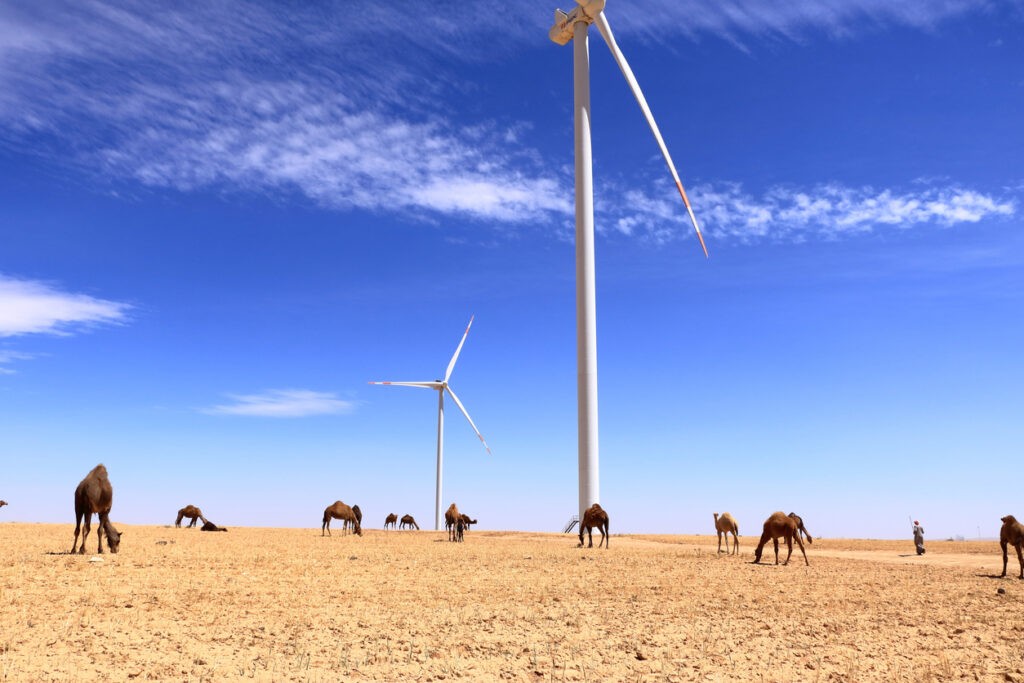
The minister also reported on developing renewable energy sources, which accounted for almost 6.5% of the country’s electricity generation in the first six months of the year.

According to the Ministry of Energy, Kazakhstan has 148 renewable energy facilities with a total capacity of 2,903 MW. These include 59 wind power plants with a total capacity of 1,409 MW; 46 solar power plants with a capacity of 1,222 MW; 40 hydroelectric power plants with a capacity of 269.7 MW; and three biogas power plants with a capacity of 1.7 MW.

In the first half of 2024, these renewable energy facilities generated 3.896 billion kWh of electricity (wind power plants  — 2.325 billion kWh; solar power plants — 974.9 million kWh; hydroelectric power plants — 595.3 million kWh; and biogas plants — 0.43 million kWh), or 6.47% of the total electricity production volume.

Satkaliyev also reported that in the first half of 2024, Kazakhstan produced 44.7 million tons of crude oil, 6.78 million tons of petroleum products, and 30.1 billion cubic meters of natural gas.


Robots May Replace Bailiffs in Kazakhstan

Kazakhstan is implementing a pilot project, “Robot”, which will conduct enforcement proceedings without human involvement.

The creators of the project have commented: “In January, the city of Taraz launched a pilot project, ‘Robot’, which automatically starts enforcement proceedings without the participation of a bailiff. This will free citizens from paying commissions and save about 2 billion tenge ($4.2 million). In August the project is planned to be scaled nationwide.”

The registration of non-profit organizations is now fully automated and available on the “Electronic Government” portal. This initiative will save the time and costs that legal entities spend on visits to the Central Office of Public Organizations. The procedure for changing the head of a legal entity has been simplified, and is now possible through the portal “eGov”.

The Kazakh Ministry of Justice has also launched a project for issuing online powers of attorney through the “eGovMobile Business” portal. This service will significantly speed up and simplify the way that managers issue powers of attorney. Previously, powers of attorney were only issued on paper, which made it difficult to verify their legitimacy.

Turkmen Musicians Win Gold at World Orchestra Festival

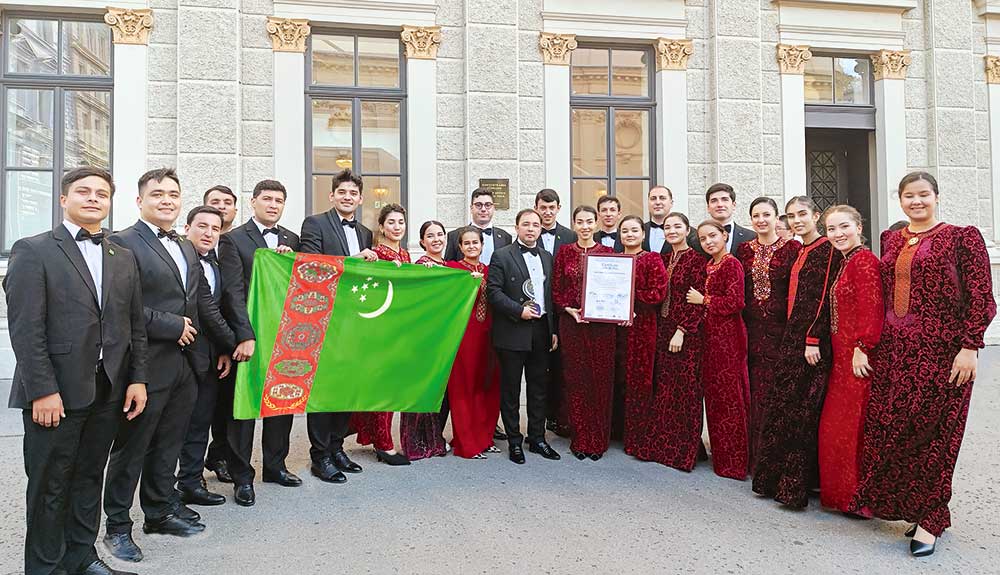
Turkmen musicians have participated for the first time in the X World Festival of Orchestras, “One Future,” which was held from July 25 to 28 in Vienna. Therein, they secured the Gold Prize in the Chamber Orchestra category.

The Youth Chamber Orchestra, directed by Rasul Klychev, captivated the audience and jury with its masterful performance of Turkmen melodies and classic foreign pieces. At the festival’s closing ceremony, held in the famous Golden Hall of the Vienna Philharmonic, the Turkmen musicians received the jury’s highest score — forty points.

British conductor Toby Purcer, head of the festival’s creative committee, stated that he highly appreciated the orchestra’s performance and hoped to organize joint concerts in Turkmenistan in the future.

Kazakhstan to Build 369 ‘Comfortable’ Schools by 2026

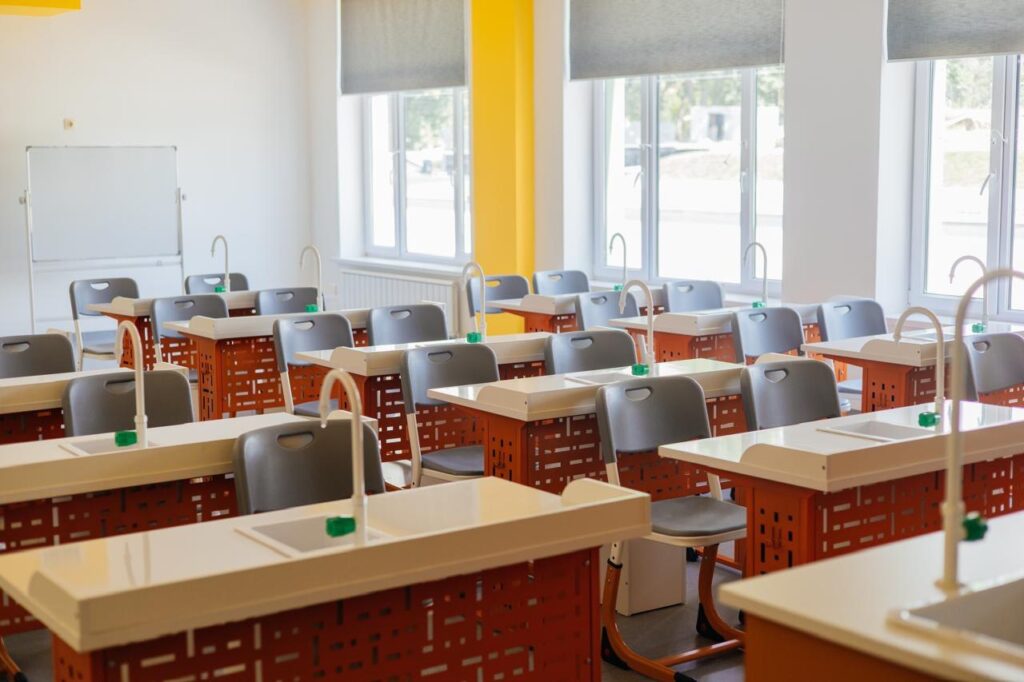
As part of the nationwide project ‘Comfortable School’,  Kazakhstan is to build 369 new secondary schools, with accommodation for  740,000 pupils, by 2026.

According to a press release issued by the government, the new schools will have separate blocks for elementary and high school students, technology for teaching contemporary subjects, and specially equipped classrooms to ensure both the safety of pupils and a barrier-free environment for children with special educational needs.

Regarding construction, priority will be given to local manufacturers with a aim to use 70% of Kazakh-made materials, including 90% for the actual build. All of the schools’ furniture will be made in Kazakhstan.

The first schools are expected to open ahead of schedule with 21 to be launched this August, 18 in September, 58 in October, and a further 112 by the end of the year.

Turkmenistan Launches Railroad Route Between Iran and China via Kazakhstan

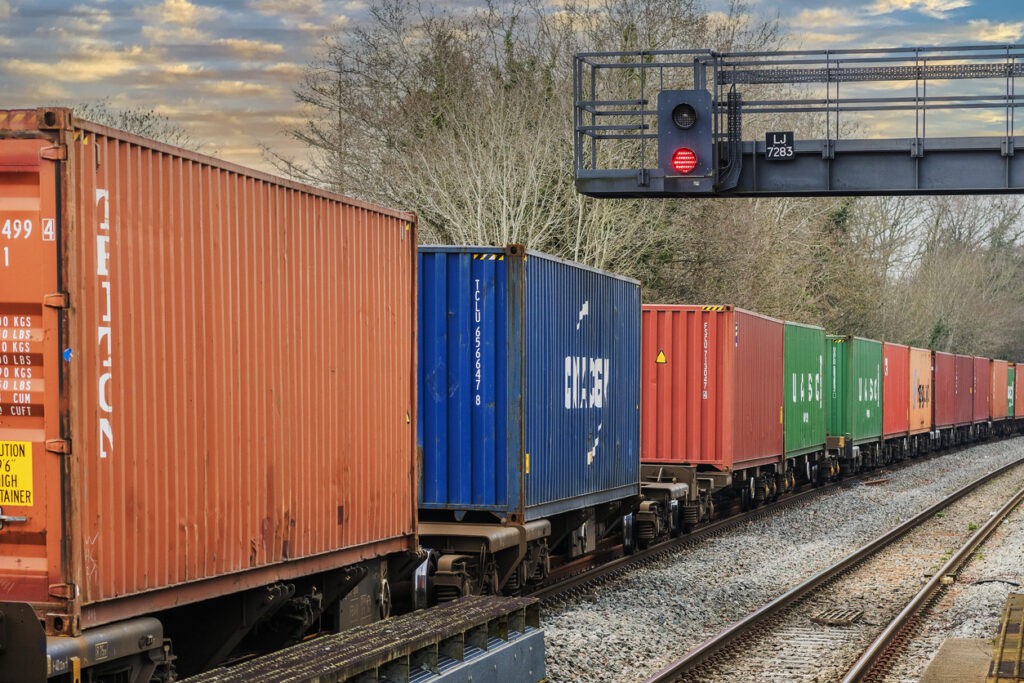
Turkmenistan has launched a test container train on the China-Kazakhstan-Turkmenistan-Iran route. The project, which provides a fast transportation corridor between East and West, is the result of negotiations between representatives of the railway departments of China, Kazakhstan, Turkmenistan, and Iran.

Thanks to the new route, cargo delivery between China and Iran will be reduced to 15 days. The parties have agreed on a full schedule of container trains and preferential tariff rates, and set up an expert group to develop a fixed schedule. During the test run, a train with 45 forty-foot containers loaded with auto parts departed from Xi’an, China, and traveled the route Xi’an, China – Altynkol, Kazakhstan – Bolashak, Kazakhstan – Etrek, Turkmenistan – Tehran, Iran. In the opposite direction, a train with 50 containers of gypsum powder traveled on the route Kum (Iran)—Etrek (Turkmenistan)—Bolashak (Kazakhstan)—Altynkol (Kazakhstan)—Yiwu (China).

Containers are reloaded from broad gauge to narrow gauge and back again at the Etrek railway terminal, allowing efficient cargo transportation between countries with different railway gauges.

Kyrgyzstan Accelerates Work to Bring Drinking Water to Villages

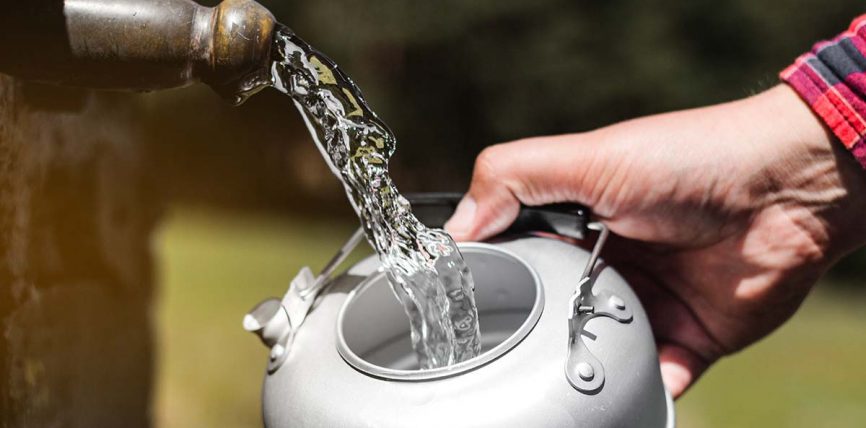
While only 637 of Kyrgyzstan’s 1906 villages have access to clean drinking water, the government plans to provide piped drinking water to an additional 1071 villages in the near future.

The country’s minister of water resources and agriculture, Bakyt Torobayev, ordered this work to be accelerated on July 30. Torobayev ordered the expedition of work in this area, emphasizing that providing clean water to the population is one of the ministry’s top priorities. “The population must be provided with clean drinking water,” he said.

The Ministry of Water Resources is currently implementing a program to provide clean drinking water to 260 towns and villages across the country. In addition, a program for using groundwater from 2024 to 2030 will be implemented, with plans to repair 1,155 wells.