• KGS/USD = 0.01144 0%
  • KZT/USD = 0.00196 -0%
  • TJS/USD = 0.10899 -0%
  • UZS/USD = 0.00008 -0%
  • TMT/USD = 0.28490 0%
  • KGS/USD = 0.01144 0%
  • KZT/USD = 0.00196 -0%
  • TJS/USD = 0.10899 -0%
  • UZS/USD = 0.00008 -0%
  • TMT/USD = 0.28490 0%
  • KGS/USD = 0.01144 0%
  • KZT/USD = 0.00196 -0%
  • TJS/USD = 0.10899 -0%
  • UZS/USD = 0.00008 -0%
  • TMT/USD = 0.28490 0%
  • KGS/USD = 0.01144 0%
  • KZT/USD = 0.00196 -0%
  • TJS/USD = 0.10899 -0%
  • UZS/USD = 0.00008 -0%
  • TMT/USD = 0.28490 0%
  • KGS/USD = 0.01144 0%
  • KZT/USD = 0.00196 -0%
  • TJS/USD = 0.10899 -0%
  • UZS/USD = 0.00008 -0%
  • TMT/USD = 0.28490 0%
  • KGS/USD = 0.01144 0%
  • KZT/USD = 0.00196 -0%
  • TJS/USD = 0.10899 -0%
  • UZS/USD = 0.00008 -0%
  • TMT/USD = 0.28490 0%
  • KGS/USD = 0.01144 0%
  • KZT/USD = 0.00196 -0%
  • TJS/USD = 0.10899 -0%
  • UZS/USD = 0.00008 -0%
  • TMT/USD = 0.28490 0%
  • KGS/USD = 0.01144 0%
  • KZT/USD = 0.00196 -0%
  • TJS/USD = 0.10899 -0%
  • UZS/USD = 0.00008 -0%
  • TMT/USD = 0.28490 0%
08 December 2025

Price of Liquefied Petroleum Gas to Rise Again in Kazakhstan

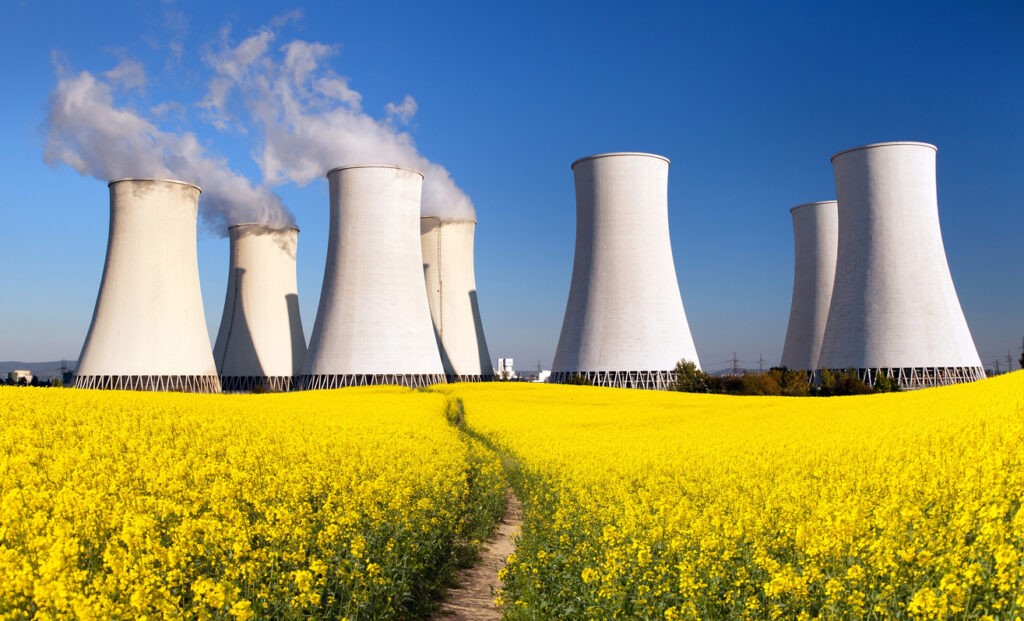
The Ministry of Energy of Kazakhstan has published for public discussion, a draft by the Minister of Energy to increase the price of liquefied petroleum gas (LPG) from July 1.

The maximum wholesale price of one ton of LPG will be increased from the current 40,320 tenge to 45,158 tenge, and the maximum retail price will increase slightly — by 5-8 tenge per liter, depending on the region.

Cheaper than gasoline, LPG is the most popular fuel for vehicle owners in Kazakhstan. A sharp hike in the price of LPG was met with nationwide objection in January, triggering mass protests in Zhanaozen which spread nationwide and turned violent in Almaty and Astana.

The ministry issued several reasons for what will be an unpopular move.

First, the price of liquefied petroleum gas is much lower than the cost of its production. The production cost of LPG varies from 60 thousand to 70 thousand tenge per ton, whereas the current maximum wholesale price is 40,320 tenge per ton.

Second, LPG consumption in Kazakhstan increases year on year. In 2023, it increased by 400 thousand tons, or 28%, compared to 2022. Last year, LPG consumption volumes amounted to 2.2 million tons compared to 1.8 million tons in 2022. Increasing consumption and the unprofitability of LPG production due to low prices have led to a decrease in the production of the fuel and its shortage in the regions. Today the deficit of LPG stands at 20-25%.

Third, due to unprofitability, manufacturers are increasingly losing interest in LPG production and switching instead, to more profitable products. For the same reason, investors are also reluctant to invest in its production.

Fourth, the price of LPG in Kazakhstan, between 54-86 tenge per litre depending on the region, is the lowest among former Soviet states. For comparison, the price per litre in Russia is equivalent to 132 tenge; in Kyrgyzstan, 159 tenge; in Azerbaijan, 171 tenge; and in Tajikistan, 273 tenge.

According to analysts, in 2024, LPG consumption in Kazakhstan will increase by another 200 thousand tons and reach 2.4 million tons, leading to a potential shortage of 30-40%

Kyrgyzstan and IFC Sign Agreement on Two Solar Power Plant Projects

On 10 June, the Ministry of Energy and the Ministry of Economy and Commerce of the Kyrgyz Republic signed an agreement with the International Finance Corporation (IFC) on the implementation of two solar power plant projects in the country’s Batken and Talas regions.

According to the Ministry of Economy and Commerce, the agreement is a continuation of cooperation between the Kyrgyz government and IFC on the construction of solar power plants with a total capacity of up to 500 MW in Kyrgyzstan.

In the first phase of this collaboration, IFC helped the Kyrgyz Republic conduct a comprehensive analysis for a pilot project for a 100-150 MW solar power plant planned in the Kochkor district of Naryn region, and is currently helping to attract private investors in its implementation.

The second stage will include two solar plants, each with a capacity of 100-150 MW, in the Batken and Talas regions.


Uzbekistan Plans to Earn $300 Million a Year From Medical Tourism

Nuz.uz reports that Uzbekistan plans to earn $300 million annually from medical services and tourism. At the meeting chaired by President Mirziyoyev, the program “Medical Hospitality” was announced, under which the budget will cover the costs of private clinics for international certification and participation in foreign exhibitions. Doctors traveling abroad to advertise and provide diagnostic services will be reimbursed for transportation and accommodation expenses. In addition, value-added tax will be refunded to foreign patients visiting clinics.

“Last year, more than 60,000 foreign tourists were treated in 86 sanatoriums and medical institutions of the country. Suppose the number of such institutions is increased. In that case, it is possible to attract an additional 100,000 foreign patients, making it possible to earn $300 million a year from medical services,” the publication notes.

Zumrad Bekatova, a member of the Legislative Chamber of the Oliy Majlis, said that Uzbekistan is paying special attention to expanding the network of private medical organizations, diversifying their activities, and strengthening their material and technical base. However, despite these efforts, only two private clinics have received international certification, and the share of foreign patients has yet to exceed 12%.

Donor Coordination Committee Established for Kyrgyzstan’s Kambarata HPP-1 Project

The Kyrgyz Republic International Energy Investment Forum, held in Vienna, on June 10, concluded with the establishment of a Donor Coordination Committee for the construction of Kambarata HPP-1 hydropower plant in Kyrgyzstan.

The Kyrgyz Cabinet of Ministers said that the doors are open to interested parties but to date, the committee comprises major international financial institutions and development partners, including the World Bank, the OPEC Fund, the Asian Development Bank, the Asian Infrastructure Investment Bank, the Islamic Development Bank, and the European Bank for Reconstruction and Development.

The Committee’s first meeting is scheduled for autumn this year.

An inter-ministerial agreement on cooperation on the Kambarata HPP-1 project was also signed by the Ministries of Energy of the Kyrgyz Republic, Kazakhstan, and Uzbekistan.

Summarizing the outcome of the forum, Chairman of the Cabinet of Ministers of the Kyrgyz Republic Akylbek Japarov announced: “We have made significant progress in establishing contacts and a common understanding of further actions. I am confident that the created Donor Coordination Committee will be a continuation of actions to implement the national project — the construction of Kambarata HPP-1.”

Japarov told forum participants that “According to experts, by 2050 the population in Central Asia will increase by 27%, the demand for food by 35%, and the consumption of drinking water by 50%. At the same time, water is the main artery of life in the countries of the Central Asian region. Countries located at the sources of large rivers account for 80.7% of the region’s total water flow.”

Regarding different countries’ priorities for water usage – downstream Kazakhstan and Uzbekistan use water in irrigation mode in summer, and upstream Kyrgyzstan and Tajikistan, in energy mode in winter -he warned “This situation affects the energy and food security in the region.”

He then provided a more detailed report on the Kambarata HPP-1 project: “Kambarata HPP-1 is located at the source of the glaciers. Effective operation of this power plant will allow the accumulation and rational use of water resources of the Toktogul reservoir. The Kambarata HPP-1 construction project has broad economic, environmental, and social benefits and prospects for both Kyrgyzstan and the Central Asian region. The project will provide the Kyrgyz Republic and Central Asia with clean energy at the lowest cost, which entails lower costs of the energy transition in the region. Electricity generation at hydroelectric power plants will reduce emissions of pollutants into the atmosphere.”

Reiterating the project’s key importance in meeting the growing demand for energy and increasing energy security in the region, Japarov continued: “The power plant will be sited in the upper reaches of the Naryn River. Its installed capacity will be 1,860 megawatts with an average annual generation of 5.6 billion kilowatt-hours of electricity. The preliminary construction estimate is more than $4 billion. The master plan of Kambarata HPP-1 includes a rock-fill dam, a hydroelectric power plant building with four hydraulic units, construction and operational spillways and transport tunnels, a residential village [for personnel], a reservoir and water treatment facilities.”

He confirmed that the project will have no negative impact on the region’s environment and ecology, and to further construction of the Kambarata HPP-1, the Cabinet of Ministers has pledged  $500 million for the period 2024-2030.

He concluded by emphasizing that the Kambarata HPP-1 project has been assigned the status of “national project” and called on international financial institutions, investors and companies to take part in its implementation.


Reporter in Turkmenistan Freed After Four Years in Jail

Authorities in Turkmenistan have released a freelance reporter who was jailed for several years on a fraud conviction that media groups alleged was retaliation for his journalism.

Nurgeldi Halykov, who has worked for the Turkmen.news website, was arrested in Ashgabat on July 13, 2020 and freed on Saturday, the Committee to Protect Journalists said on Monday. Halykov was detained the day after the Netherlands-based website published a photo that it received from him in which a World Health Organization delegation is seen at a local hotel during the COVID-19 pandemic, according to the committee.

Turkmenistan strictly controls the media, making it hard to get information about what is going on in the Central Asian country. The government there did not report a single case of COVID-19, though there are widespread doubts about the government’s transparency regarding the impact of a virus that has killed millions of people worldwide.

The photo of the WHO representatives was taken by an Ashgabat resident who saw them sitting by the pool of the Ashgabat Yildiz Hotel, Turkmen.news said.

The resident posted the photo on Instagram and Halykov, “who had previously studied with this girl in the same school, saw it. He thought it necessary to send the photo to the editorial office of Turkmen.news,” the website reported.

“The girl was identified from CCTV cameras. She and six of her friends, relaxing by the hotel pool, were called to the police. The police looked through all her photographs, including personal ones, restored previously deleted photographs, and reread all her correspondence with other people. Then they began to study contacts in the address book and her friends on Instagram,” the news outlet said.

Halykov was detained and sentenced in September 2020 after being convicted of failing to repay a loan, according to Turkmen.news. It said a former close friend made the complaint about a $5,000 debt that Halykov allegedly owed.

The Committee to Protect Journalists said it was glad that Halykov had been released and it urged the Turkmen authorities “to improve the country’s international reputation by liberalizing the media environment so that independent reporters do not have to work clandestinely or under fear of arrest.”

Turkmenistan’s state news agency did not mention Halykov’s release in its report on Monday. The main news was the visit to Ashgabat of South Korean President, Yun Suk Yeol, and his talks on trade and other issues with Turkmen President Serdar Berdimuhamedov. Other prominent articles talked about the start of the grain harvest and the Turkmen president’s recent participation in a mass bicycle excursion in Ashgabat.

Elite Kyrgyz Climber Gets Warm Homecoming After Himalayan Ascents

A 52-year-old climber from Kyrgyzstan has returned home after scaling two of the worlds’ highest peaks in a 10-day span in May. He said he climbed both Himalayan mountains without supplemental oxygen.

Eduard Kubatov, head of Kyrgyzstan’s mountaineering federation, was welcomed with flowers at Manas International Airport in Bishkek on Thursday after climbing the Lhotse and Makalu mountains, which are both more than 8,000 meters above sea level. Kubatov, who ascended Mount Everest three years ago, previously said he wanted to climb K2 in Pakistan this month in his bid to summit the 14 mountains internationally recognized as “eight-thousanders.”

Kubatov and climbing sherpa Dawa Chhiring got to the top of Makalu on May 30, 10 days after Kubatov summited Lhotse, said 14 Peaks Expedition, a trekking company based in Nepal that assisted him.

The Kyrgyz climber said on Instagram that both ascents were “non-oxygen,” meaning he took on the greater challenge of ascending without bottled oxygen, and that he accomplished “the first major mountaineering double in the history of Kyrgyz mountaineering.”

Climbing the world’s highest mountains without supplementary oxygen can be about 40% harder and so few climbers go without it that they are “like an endangered species,” Kubatov said on Facebook.

“It is extremely honorable and highly valued in the world mountaineering system!” said Kubatov, adding that he believes stronger Kyrgyz climbers will eclipse his accomplishments in the future.

In 1978, Reinhold Messner and Peter Habeler became the first people to climb without supplemental oxygen to the summit of Everest, the world’s highest mountain at 8,849 meters above sea level. Messner was also the first person to climb all 14 so-called “eight-thousanders.”

Veteran climber Tim Mosedale has said there will always be a debate about using supplemental oxygen to climb the highest mountains.

“Whether or not it is viewed as being ethical, it is undoubtedly sensible,” he wrote. “After all, a client who becomes debilitated puts the lives of other climbers, and the Climbing Sherpas, at risk.”

Kubatov returned to Bishkek with other Kyrgyz climbers who also climbed in Nepal. Ilim Karypbekov became the fourth Kyrgyz citizen to summit Everest, and Kadyr Saidilkan, who climbed Everest last year, added Lhotse to his list of accomplishments on this year’s trip.

Kyrgyzstan has a strong mountaineering tradition, and several peaks in the Central Asian country are in the 7,000-meter range.