• KGS/USD = 0.01143 -0%
  • KZT/USD = 0.00192 -0%
  • TJS/USD = 0.10820 0.19%
  • UZS/USD = 0.00008 0%
  • TMT/USD = 0.28575 0%
  • KGS/USD = 0.01143 -0%
  • KZT/USD = 0.00192 -0%
  • TJS/USD = 0.10820 0.19%
  • UZS/USD = 0.00008 0%
  • TMT/USD = 0.28575 0%
  • KGS/USD = 0.01143 -0%
  • KZT/USD = 0.00192 -0%
  • TJS/USD = 0.10820 0.19%
  • UZS/USD = 0.00008 0%
  • TMT/USD = 0.28575 0%
  • KGS/USD = 0.01143 -0%
  • KZT/USD = 0.00192 -0%
  • TJS/USD = 0.10820 0.19%
  • UZS/USD = 0.00008 0%
  • TMT/USD = 0.28575 0%
  • KGS/USD = 0.01143 -0%
  • KZT/USD = 0.00192 -0%
  • TJS/USD = 0.10820 0.19%
  • UZS/USD = 0.00008 0%
  • TMT/USD = 0.28575 0%
  • KGS/USD = 0.01143 -0%
  • KZT/USD = 0.00192 -0%
  • TJS/USD = 0.10820 0.19%
  • UZS/USD = 0.00008 0%
  • TMT/USD = 0.28575 0%
  • KGS/USD = 0.01143 -0%
  • KZT/USD = 0.00192 -0%
  • TJS/USD = 0.10820 0.19%
  • UZS/USD = 0.00008 0%
  • TMT/USD = 0.28575 0%
  • KGS/USD = 0.01143 -0%
  • KZT/USD = 0.00192 -0%
  • TJS/USD = 0.10820 0.19%
  • UZS/USD = 0.00008 0%
  • TMT/USD = 0.28575 0%
13 December 2025

CASCA+ Transport Corridor Freight Transit

Representatives of the railway administrations of Uzbekistan, Kyrgyzstan, Turkmenistan, Azerbaijan, Georgia, and Turkey convened in Tashkent on May 28 and 29 to discuss the development of freight transportation along the CASCA+ transport corridor.

CASCA+ is a joint initiative of the state railways of Azerbaijan, Georgia, Kyrgyzstan, Turkmenistan, Turkey, and Uzbekistan. The “+” sign indicates a willingness to accept new potential participants in achieving the goal to connect transport routes to Southeast Asia, particularly China, with Europe.

As reported by Uzbekistan’s Ministry of Transport, the agenda focused on projects to develop the CASCA+ transport corridor, with representatives of all railway administrations supporting the Uzbekistan Railways’ initiative to create a consortium to coordinate related activities.

Proposals were also forwarded to establish the safe transportation of perishable goods such as fruit and vegetables in refrigerated containers along the CASCA+ corridor and to create an online monitoring system for the location of wagons and containers travelling along the route.

The emphasis on refrigerated transportation  aligns with recommendations made in March by President Shavkat Mirziyoyev at a government meeting on increasing Uzbek agricultural exports.


Close Associate of Tajikistan’s Prime Minister Rasulzoda Detained on Suspicion of Large-Scale Fraud

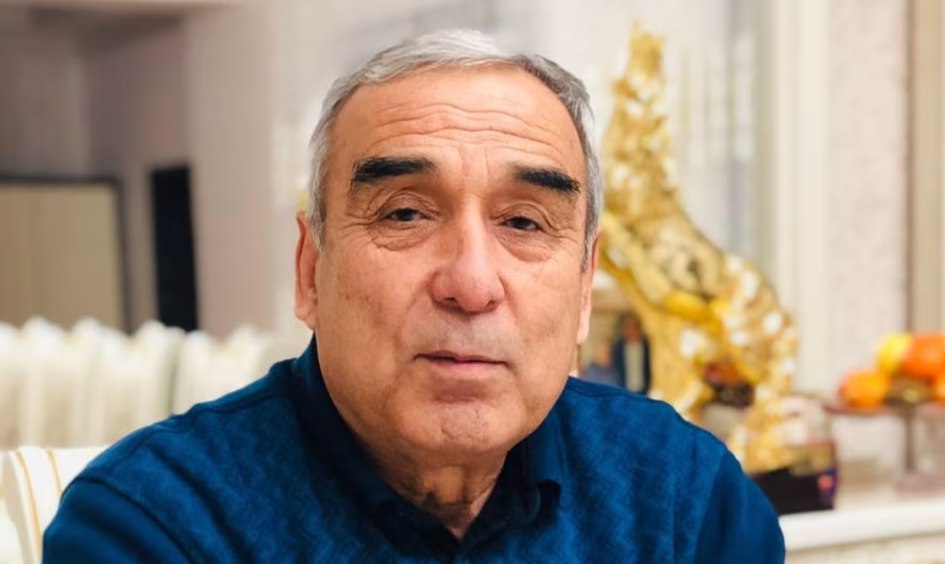
Mukim Ashurov, a relative by marriage of Tajikistan’s prime minister Kohir Rasulzoda, has been detained on suspicion of fraud, Radio Ozodi reports.

The Department of Internal Affairs in the country’s Sughd region said on May 30 that “the case against Mukim Ashurov is being investigated under Part 4 of Article 247 (Fraud committed on a large scale) of the Criminal Code of Tajikistan,” which carries a penalty of a fine or imprisonment for 8 to 12 years. Ashurov, 65, is currently being held in Khujand’s pre-trial detention center.

“It was established that several years ago, he entered the confidence of a resident of [the city of] Khujand and received from him 320 thousand dollars for the sale of a four-story store. But then he sold the store to another person but did not return the amount he had originally received,” a statement from the department says.

There is not much information about Ashurov in the public domain. According to official data he is a resident of Sughd’s Bobojon Gafurov district. A man named Mukim Ashurov has a Facebook profile that says that he lives in Khujand, and works as the director of a travel agency.

He is said to be very influential within the circle of the country’s prime minister, Kohir Rasulzoda. Ashurov’s son, Parviz Ashurov, is married to Rasulzoda’s eldest daughter.

U.S. Support for Uzbekistan’s Pharmaceutical Industry

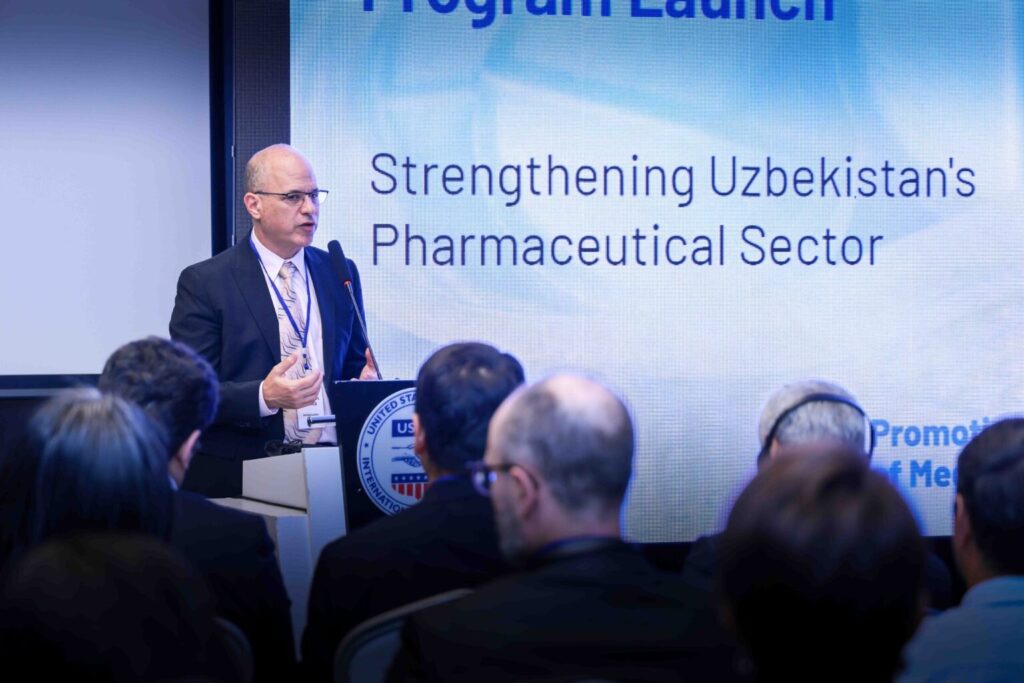
The launch of USAID’s Diversifying Asia’s Pharmaceutical Supply Chain project was attended by U.S. Ambassador to Uzbekistan Jonathan Henick and representatives of the country’s Ministry of Health and Agency for Development of the Pharmaceutical Industry.

Running for two years and costing US $2.5 million, the project aims to strengthen local pharmaceutical regulation, enhance local technology and workforce skills, and attract investment in the industry. It will also ensure that medicines produced in Uzbekistan meet both national and international quality standards.

Speaking at the launch, Henick stated, “Through our partnership, we will improve the health of the people of Uzbekistan while also improving the strength and responsiveness of the public and private pharmaceutical sectors. By aligning with global standards, we not only protect patients but also boost trust in local medicines, pharmaceutical companies, pharmacists, and the healthcare system as a whole.”

A key objective of the project is promoting domestic production of medicines to boost the sector’s contribution to the nation’s economic growth.

Despite being Central Asia’s largest pharmaceutical supplier, with over 220 private manufacturers, Uzbekistan still relies heavily on imported medicines and raw materials. To address this issue, the Government of Uzbekistan offers various means of support and incentives for local manufacturers including import substitution and robust quality control regulations.

Uzbekistan currently produces around 45% of the country’s medicines, a figure which the government aims to increase to 80% by 2026.

Deutsche Bank Loans €165 Million to Uzbekistan’s Uzpromstroybank

The Uzbek bank Uzpromstroybank has received a loan of €165 million ($180 million) from Germany’s Deutsche Bank.

Gazeta.uz reports that “The funds will be used to create new jobs, including the production of industrial and construction materials, as well as to finance medium-sized business projects with the involvement of foreign investors in Uzbekistan.”

The country’s president Shavkat Mirziyoyev has tasked commercial banks with attracting foreign investments and supporting clients’ investment projects by expanding external financing sources.

AIIB Forwards Construction of Strategic Bridge in Tajikistan

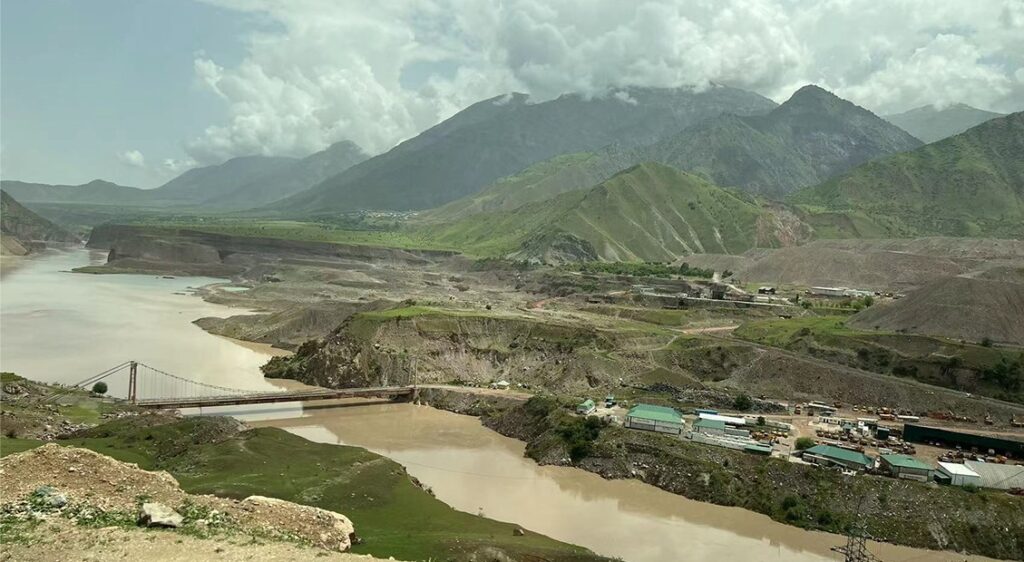
The Asian Infrastructure Investment Bank (AIIB) has approved a loan equivalent to US $75.5 million to Tajikistan for the construction of a 920-meter-long bridge and approach routes on the Obigarm-Nurobod section of M41 International Highway.

The bridge is the first of such magnitude in Tajikistan and a critical component of the county’s road network. Linking Corridors 2, 3 and 5 of the Central Asia Regional Economic Cooperation Program, it will provide essential connections between Tajikistan’s landlocked terrain and neighbouring regional markets.

Designed to withstand all weathers, the bridge will connect over 350,000 residents of the northeast region of Tajikistan to the capital Dushanbe, as well as the border of Kyrgyzstan.

To align with Tajikistan’s National Development Strategy, the government has prioritized its timely completion and construction of the 75-kilometer Obigarm-Nurobod section has been divided into three phases to ensure synchronized implementation.

Illustrative of a collaborative approach to advancing sustainable development and enhancing connectivity in Tajikistan, AIIB has fostered close coordination with other financiers, including the Asian Development Bank, OPEC Fund for International Development and European Bank for Reconstruction and Development.

Lauding the initiative, Konstantin Limitovskiy, AIIB’s Vice President for Investment Operations in Region 2, commented: “The project aligns with two core thematic priorities of AIIB. First, it contributes to cross-border connectivity by establishing vital cross-border links with improved road safety along Tajikistan’s essential corridor and ensuring connectivity between regions. Secondly, it embraces green-finance principles by integrating environmentally and socially responsible practices and promoting resilient sustainable mechanisms in the road infrastructure development.”


Almaty Hosts Russia’s Defense Head Belousov in First of a Series of CSTO Events

The Collective Security Treaty Organization (CSTO) is holding several events in Almaty, Kazakhstan’s biggest city, between 30 May and 6 June.

The CSTO is a regional organization in the field of collective security. It comprises six states: Armenia, Belarus, Kazakhstan, Kyrgyzstan, Russia, and Tajikistan.

On May 30 a meeting was held between the defense ministers of Kazakhstan and Russia, Ruslan Zhaksylykov and Andrei Belousov. According to a statement from the Kazakh defense ministry, the parties discussed bilateral military cooperation, touching on training and joint activities, including exercises within the CSTO.

“Its practical realization is carried out, among other things, within the framework of multilateral exercises. Colonel General Ruslan Zhaksylykov informed the interlocutor about holding the exercise “Birlestik” (Unity) in July this year in western Kazakhstan. According to its plan, military contingents of Azerbaijan, Kyrgyzstan, Tajikistan, and Uzbekistan will jointly work out training and combat tasks related to the localization of armed conflict and countering illegal formations,” the ministry said.

Almaty’s police have warned that given the scale of the events and the number of participants, the city will be partially restricted to traffic until 6 June.