• KGS/USD = 0.01144 0%
  • KZT/USD = 0.00196 -0%
  • TJS/USD = 0.10899 -0%
  • UZS/USD = 0.00008 -0%
  • TMT/USD = 0.28490 0%
  • KGS/USD = 0.01144 0%
  • KZT/USD = 0.00196 -0%
  • TJS/USD = 0.10899 -0%
  • UZS/USD = 0.00008 -0%
  • TMT/USD = 0.28490 0%
  • KGS/USD = 0.01144 0%
  • KZT/USD = 0.00196 -0%
  • TJS/USD = 0.10899 -0%
  • UZS/USD = 0.00008 -0%
  • TMT/USD = 0.28490 0%
  • KGS/USD = 0.01144 0%
  • KZT/USD = 0.00196 -0%
  • TJS/USD = 0.10899 -0%
  • UZS/USD = 0.00008 -0%
  • TMT/USD = 0.28490 0%
  • KGS/USD = 0.01144 0%
  • KZT/USD = 0.00196 -0%
  • TJS/USD = 0.10899 -0%
  • UZS/USD = 0.00008 -0%
  • TMT/USD = 0.28490 0%
  • KGS/USD = 0.01144 0%
  • KZT/USD = 0.00196 -0%
  • TJS/USD = 0.10899 -0%
  • UZS/USD = 0.00008 -0%
  • TMT/USD = 0.28490 0%
  • KGS/USD = 0.01144 0%
  • KZT/USD = 0.00196 -0%
  • TJS/USD = 0.10899 -0%
  • UZS/USD = 0.00008 -0%
  • TMT/USD = 0.28490 0%
  • KGS/USD = 0.01144 0%
  • KZT/USD = 0.00196 -0%
  • TJS/USD = 0.10899 -0%
  • UZS/USD = 0.00008 -0%
  • TMT/USD = 0.28490 0%
08 December 2025

Military in Kazakhstan Head Back to Bases After Working to Contain Floods

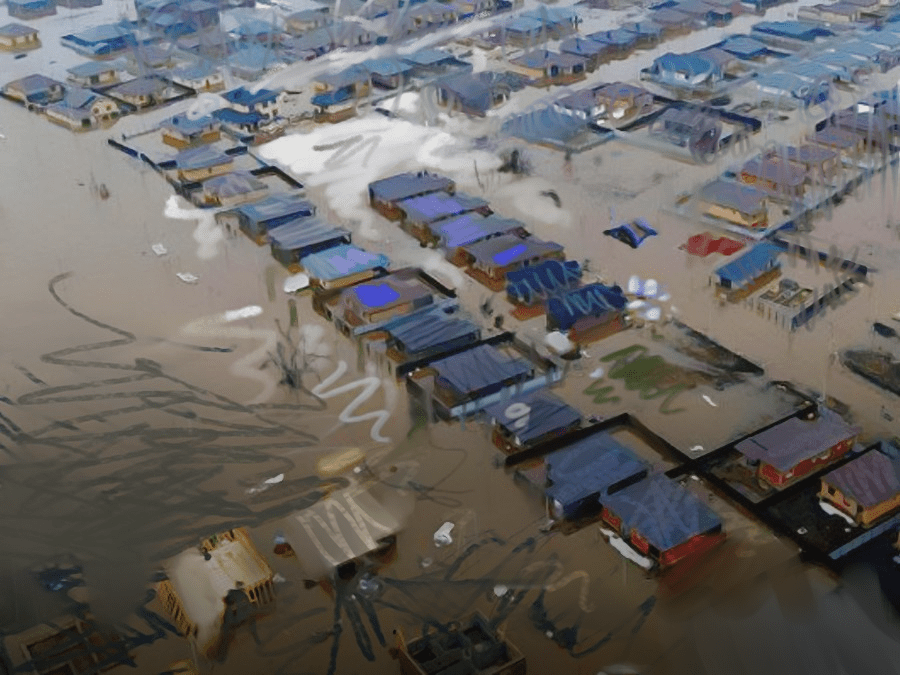
Kazakh military units that deployed to help with flood control measures in the past weeks are returning to their barracks as the crisis that hit large parts of the country winds down.

“Due to the stabilization of the situation and the drop in water levels, some of the personnel and military equipment of the armed forces are returning to their permanent deployment points from the West Kazakhstan, North Kazakhstan and Akmola regions,” Ruslan Zhangulin, spokesman for the Defense Ministry, said on Monday.

About 2,200 military personnel and 16 pieces of military equipment were involved in flood control as of Saturday, according to Zhangulin.

The military was involved in evacuations and building barriers to prevent water flows during the flooding, which began in March and forced the evacuation of more than 100,000 people as winter snow melted with the arrival of warmer temperatures. Nearly 40,000 have since returned to their homes.

President Kassym-Jomart Tokayev described the floods as Kazakhstan’s worst natural disaster in 80 years.

Twenty New Reservoirs for Kazakhstan

The Kazakh Ministry of Water Resources and Irrigation has announced plans to build 20 new reservoirs with a capacity of 2.5 billion cubic meters by 2030.

During the first stage, ten  reservoirs will  be constructed in the regions of Akmola, West Kazakhstan, Zhambyl, Kyzylorda and Zhetisu, and in the south, two more reservoirs will complement that of Kensai-Koskorgan-2 , already in operation in the Turkestan region. The installation of eight new reservoirs will then follow elsewhere.

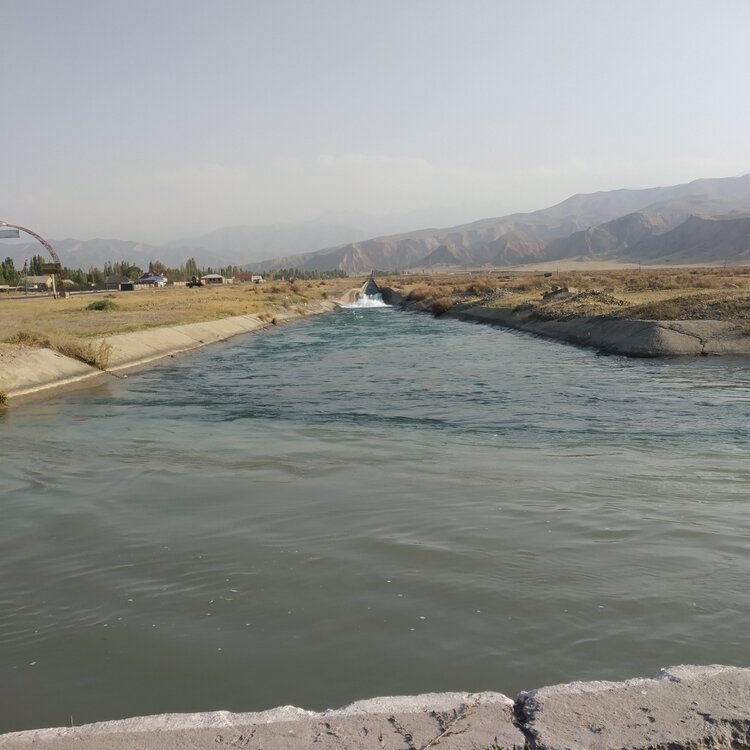
Once completed, the project will reduce the country’s dependence on water flowing from upstream Kyrgyzstan and China by 25%, help combat drought in southern Kazakhstan and conversely, reduce the threat of flooding in 70 rural settlements with a total population of 137 thousand people. In addition, irrigation will be provided for  a further  250 thousand hectares of farmland.

Plans are also in place to reconstruct 15 existing reservoirs with a total capacity of 1.9 billion cubic meters, with work on six reservoirs in Aktobe, West Kazakhstan, Zhambyl, Kostanay, Turkestan regions and the city of Astana, scheduled to start this year.

Uzbekistan Earns Removal From U.S. Intellectual Property Rights Blacklist

The Office of the U.S. Trade Representative (USTR) has published its Special 301 Report for 2024 on the protection and enforcement of intellectual property. This annual report details the USTR’s review of more than 100 trading partners after significant research and extensive engagement with stakeholders, and the latest iteration holds very positive news for Uzbekistan.

According to the report, the USTR removed Uzbekistan from its Watch List this year because of sustained progress on long-standing issues pertaining to intellectual property (IP) protection and enforcement. For example, Uzbekistan enacted new Customs Code amendments that introduce ex officio authority to suspend and seize counterfeit imports and exports. Uzbekistan also continues to give high-level political attention to IP – including support for and participation in the Intellectual Property Working Group under the U.S.-Central Asia Trade and Investment Framework Agreement.

It was reported that the removal of Ukraine from the watch list was delayed due to the ongoing Russian-Ukrainian war.

The USTR continues to engage trading partners to address IP protection and enforcement concerns, including through bilateral cooperation through Trade and Investment Frameworks (TIFAs) and other mechanisms. Examples of cooperation include deals with Armenia, India, Kazakhstan, Kyrgyzstan, Paraguay, Peru, Tajikistan, Thailand, Turkmenistan, Ukraine, Uzbekistan, and Vietnam.

Kyrgyzstan Looks to Azerbaijan to Replace Russian Fuel

Geopolitical turbulence is forcing Kyrgyz authorities to diversify approaches to securing its fuel and lubricants supplies. Azerbaijan may become one of the sources of oil products.

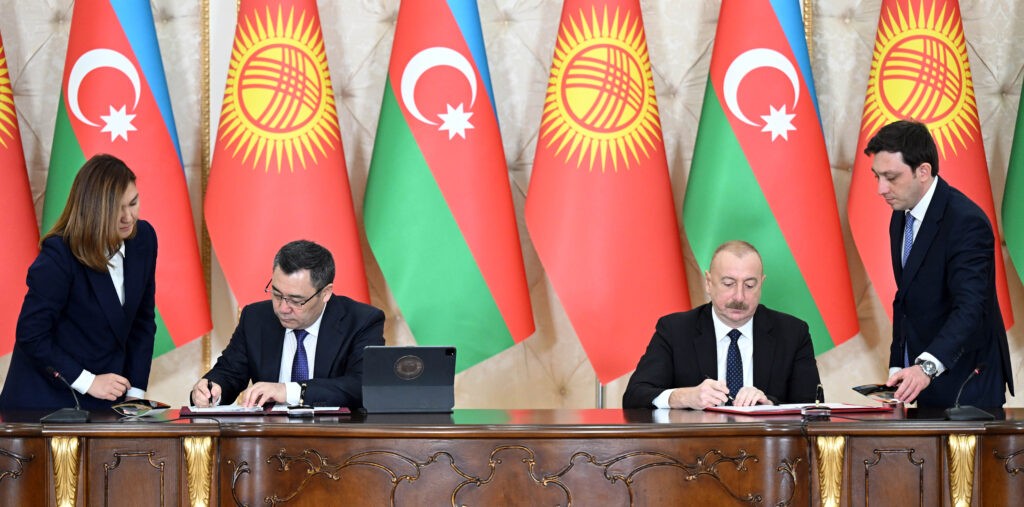
As part of Kyrgyz president Sadyr Zhaparov’s recent visit to Azerbaijan, negotiations were held with representatives of the Baku Oil Refinery, which is run by the state oil company, SOCAR.  The two sides discussed the specific details of Azerbaijani oil supplies to the Junda oil refinery in Kyrgyzstan.

“Azerbaijan is one of the largest exporters of oil products. In the near future, the Junda oil refinery will also start operating in Kyrgyzstan, the demand of which is more than 1 million tons of fuel per year. In this regard, the issues of oil supplies to Kyrgyzstan were discussed with the management of SOCAR. For their part, they are ready to cooperate,” said Kyrgyz energy minister Taalaibek Ibrayev.

Earlier, Kyrgyzstan’s Ministry of Economy and Commerce discussed various risks in the fuel market. The ministry is preparing a package of measures in case of a sharp increase in prices for crude oil and petroleum products.

Kyrgyzstan’s economy minister Daniyar Amangeldiev referenced the agreements between Russia and Kyrgyzstan on duty-free supplies of oil products under the customs rules of the Eurasian Economic Union (EAEU). However, the ministry fears a sharp reduction in imports from Russia — as Ukrainian forces use drones to bomb Russian refining capacity, and western sanctions make repairing and replacing parts more difficult.

Currently, Kyrgyzstan’s local capacity for refining petroleum products doesn’t even cover 5% of domestic demand.

Uzbekistan Will Allow Gambling From Next Year

From 1 January 2025, gambling, lotteries and betting activities will be legal in Uzbekistan.

The National Agency for Advanced Projects will control the legal entities that will manage gambling activities in the country. Those management companies will pay a tax on revenue at the rate of four percent for five years. Under the regulations, the age limit will be set for gambling participants at 18 years of age, and companies must have a license to provide betting services and gambling platforms.

Despite the current bans, the population actively participates in games of chance — using foreign and illegal services. That means that participants risk falling prey to scammers, losing huge sums of money in the process. Crimes and suicides among gamblers are not uncommon. According to preliminary estimates, the state budget will receive about $6 million per year.

Earlier, the Uzbekistan Football Association’s press secretary, Davron Faiziev, spoke about the advantages of legalizing betting activities: “By banning betting activities, we lose a lot. First of all, a large flow of funds goes to other countries. This is why the decision was made — to legalize all this, to control and ensure clean activity in the future.”

In Faiziev’s opinion, gaming and betting companies can improve the situation in the sports sector of the country’s economy, as according to foreign experience, many betting offices are active sponsors of sports teams.

Tajik Nationals Held in Moscow Airports as Russia Tightens Border Controls

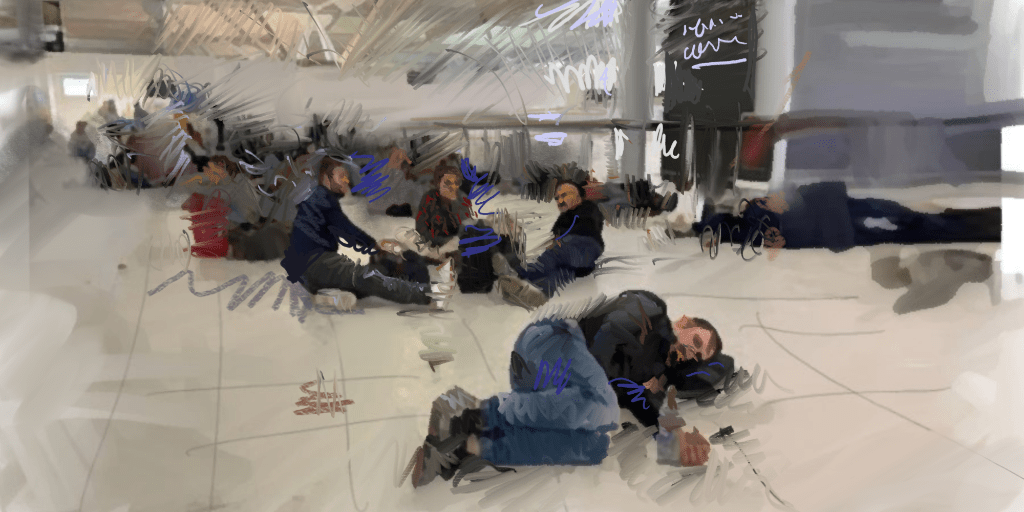
More than a thousand Tajik citizens are being held in detention facilities at Moscow airports in unsanitary conditions and without access to hot meals, Tajikistan said on Sunday, a day after the government urged its’ nationals to temporarily refrain from traveling to Russia “unless absolutely necessary.”

Over the weekend, Russia disputed Tajik claims that it is targeting people from Tajikistan, saying it is intensifying anti-terrorism measures and that more rigorous checks of foreign citizens seeking entry are carried out “regardless of the nationality of the persons.”

The diplomatic back-and-forth, a rare show of discord between Russia and Tajikistan, comes amid a surge in suspicion and harassment among some Russians toward Tajik citizens after gunmen attacked the Crocus City Hall on March 22, killing more than 140 people.

Several Tajik suspects were among those initially detained, and Russia’s state-run agency, Tass said on Saturday that a court had ordered the arrest of a 12th suspect, a Tajik citizen living in a Moscow hostel. The Islamic State group, which claimed responsibility for the attack, has some Central Asian recruits, though their number is disputed.

“The situation with Tajik citizens stuck at Moscow airports remains difficult,” and restrictive measures are being applied “exclusively” to people from Tajikistan, the Ministry of Foreign Affairs of Tajikistan said in a statement.

By late Saturday, 954 Tajik citizens, including students in Russia on scholarships provided by the Tajik government, were in temporary detention at Vnukovo International Airport in Moscow, according to the ministry. It said 322 who waited for hours were allowed into Russia, but the Russian authorities reportedly planned to add 306 people to an “expulsion list,” and 27 have already been expelled. Dozens of Tajik citizens are also being held in poor conditions at the Zhukovsky, Domodedovo and Sheremetyevo airports in Moscow, according to the ministry.

Tajik diplomats and members of the diaspora in Russia are delivering meals to their detained compatriots. The embassy in Moscow has opened a 24-hour operational headquarters to help them. Tajikistan expressed its concern in a meeting last week after summoning Russian Ambassador Semyon Grigoryev to the foreign ministry in Dushanbe.

On Saturday, in a notice that it described as urgent, Tajikistan’s Ministry of Foreign Affairs urged citizens to “temporarily refrain from traveling to Russian territory by all types of transport unless absolutely necessary.”

More thorough checks by Russian law enforcement means that “at checkpoints across the state border, including at a number of airports, there are delays during passport control,” said Maria Zakharova, spokeswoman for Russia’s Ministry of Foreign Affairs. “The Russian side is taking comprehensive measures to resolve the current situation as quickly as possible. We count on your understanding.”

Zakharova said “no changes have been made to the list of grounds for imposing a ban on entry into the Russian Federation; there are no additional obstacles to crossing the state border by foreign citizens, provided they have all the necessary documents.”

Meanwhile, citizens of Tajikistan are also experiencing problems with entry at land border crossings. More than a hundred cars carrying Tajik citizens are stuck on the Kazakhstan-Russia border, with Russian border guards claiming that the verification system is faulty. However, according to witnesses, the restrictions apply only to Tajiks. Migrants said the Russian authorities are interrogating each Tajik citizen individually, and checking their phones.

Despite an acute shortage of labor in Russia, the current situation of summary deportations and barred entry is developing against the backdrop of discussions on tightening the visa regime and further bans on employment for natives of Central Asia. Tajikistan relies heavily on remittances from migrants working in Russia, meaning the backlash against its citizens there could have dire economic as well as diplomatic implications.