• KGS/USD = 0.01144 0%
  • KZT/USD = 0.00213 0%
  • TJS/USD = 0.10456 0.19%
  • UZS/USD = 0.00008 0%
  • TMT/USD = 0.28490 0%
  • KGS/USD = 0.01144 0%
  • KZT/USD = 0.00213 0%
  • TJS/USD = 0.10456 0.19%
  • UZS/USD = 0.00008 0%
  • TMT/USD = 0.28490 0%
  • KGS/USD = 0.01144 0%
  • KZT/USD = 0.00213 0%
  • TJS/USD = 0.10456 0.19%
  • UZS/USD = 0.00008 0%
  • TMT/USD = 0.28490 0%
  • KGS/USD = 0.01144 0%
  • KZT/USD = 0.00213 0%
  • TJS/USD = 0.10456 0.19%
  • UZS/USD = 0.00008 0%
  • TMT/USD = 0.28490 0%
  • KGS/USD = 0.01144 0%
  • KZT/USD = 0.00213 0%
  • TJS/USD = 0.10456 0.19%
  • UZS/USD = 0.00008 0%
  • TMT/USD = 0.28490 0%
  • KGS/USD = 0.01144 0%
  • KZT/USD = 0.00213 0%
  • TJS/USD = 0.10456 0.19%
  • UZS/USD = 0.00008 0%
  • TMT/USD = 0.28490 0%
  • KGS/USD = 0.01144 0%
  • KZT/USD = 0.00213 0%
  • TJS/USD = 0.10456 0.19%
  • UZS/USD = 0.00008 0%
  • TMT/USD = 0.28490 0%
  • KGS/USD = 0.01144 0%
  • KZT/USD = 0.00213 0%
  • TJS/USD = 0.10456 0.19%
  • UZS/USD = 0.00008 0%
  • TMT/USD = 0.28490 0%

Kazakhstan’s Water Ministry Approves Roadmap to Eliminate the “Black Market” for Water

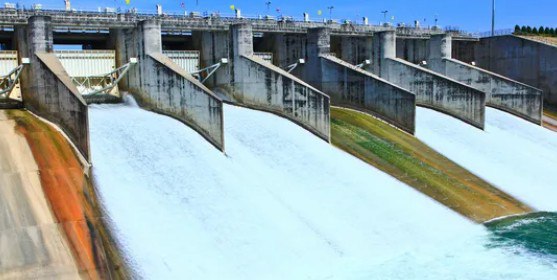
Kazakhstan’s Ministry of Water Resources and Irrigation, in coordination with the General Prosecutor’s Office, has unveiled a comprehensive action plan to combat illegal water abstraction, commonly referred to as the “black market” for water. The roadmap was presented at an interdepartmental meeting earlier this week.

The plan outlines systematic measures, including a nationwide audit of water resources, the mapping of regions vulnerable to illegal abstraction, and a review of state funding allocated for water infrastructure development. It also calls for the adoption of water-saving technologies and the implementation of anti-corruption mechanisms. Interdepartmental working groups will be established at both national and regional levels, incorporating law enforcement representatives with investigative authority.

A central component of the strategy is the digital transformation of irrigation water distribution. This will include the deployment of satellite and digital monitoring systems, centralized accounting tools, and mandatory interdepartmental data-sharing. Special emphasis will be placed on ensuring compliance with water use quotas and promoting crop diversification among farmers.

Minister of Water Resources and Irrigation Nurzhan Nurzhigitov emphasized that eradicating the shadow water trade demands coordinated efforts from government institutions and law enforcement, with the prosecutor’s office playing a leading role. “No lawbreaker should escape responsibility,” he said.

According to ministry estimates, the black market accounts for 5-10% of Kazakhstan’s agricultural water consumption. The country’s total annual water usage is approximately 25 billion cubic meters, with the agricultural sector consuming about 60%, roughly 15 billion cubic meters.

In a recent address to the nation, President Kassym-Jomart Tokayev called for the complete elimination of illegal water trafficking.

As previously reported by The Times of Central Asia, Kazakhstan’s water legislation already includes provisions for the gradual tightening of regulations on legal water users. Authorities have stated that immediate action will be taken to dismantle the illicit segment of the market.
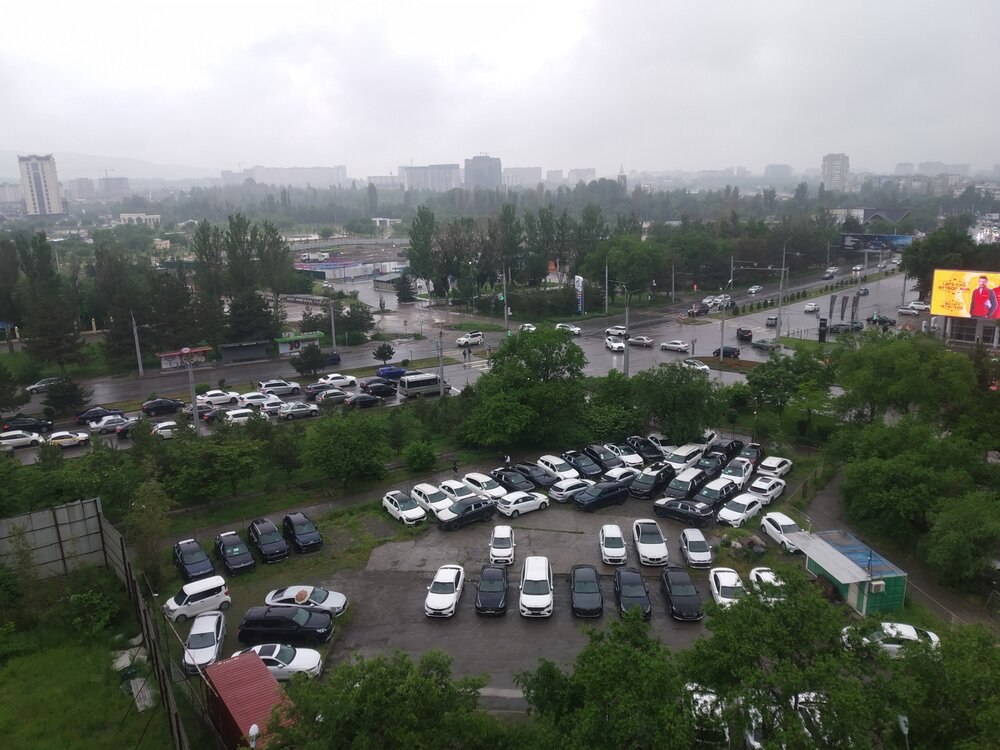

Bishkek’s Air Pollution Crisis Comes Under Parliamentary Scrutiny

On February 2, Kyrgyzstan’s parliamentary committee on ecology and environmental protection convened to hear reports from senior officials on the worsening air pollution and winter smog in the capital.

Air pollution remains a chronic challenge in Bishkek, a city of over one million residents. Conditions worsen sharply in winter, when widespread coal burning for heating and emissions from an aging vehicle fleet accumulate in the city’s basin-like topography. Bishkek consistently ranks among the world’s 10 most polluted cities on IQAir’s global air quality index. In January 2026 alone, the city appeared in the top five on at least eight separate days.

Minister of Natural Resources, Ecology, and Technical Supervision Meder Mashiev told lawmakers that the primary sources of pollution are household coal burning (40%), vehicle emissions (30%), the city’s coal-fired thermal power plant (15%), wind-blown dust (13.5%), and industrial activity (1.5%).

Mashiev underscored that vehicle emissions are a particularly significant contributor to the city’s smog.

According to Mashiev, Kyrgyzstan has more than 1.9 million vehicles, a 13% increase compared to 2024. Of these, 972,000 run on gasoline, 339,000 on diesel, 56,900 on gas, and 37,000 are hybrids. Electric vehicles make up just 0.8% of the total, numbering around 15,200.

An estimated 600,000-700,000 vehicles, more than 30% of the national total, are located in Bishkek. More than half are over 15 years old, contributing significantly to harmful emissions.

Jarkynbek Kasymbekov, Director of the National Institute of Public Health, outlined the health implications. He reported a 2.5-fold increase in allergic rhinitis cases nationwide, particularly among young people, a trend he linked directly to poor air quality. While long-term studies are lacking, the rise in respiratory illnesses is well documented.

Mashiev highlighted several measures taken in 2025 to address the crisis. Fifty-four residential areas in Bishkek were connected to natural gas, enabling more than 51,000 households to switch from coal heating. This transition is estimated to have reduced coal consumption in the capital by 100,000 tons.

He also reported the long-awaited extinguishing of Bishkek’s decades-old smoldering landfill. A new waste-to-energy facility has been launched at the site, now generating electricity by incinerating solid waste.

Additional efforts are underway to modernize urban transport and expand green spaces.

“Work is currently underway to transition to environmentally friendly transport. A total of 1,447 gas-powered eco-buses and 120 electric buses now operate in Bishkek. There are already more than 100 electric charging stations in the city, and over 2,000 applications for new stations are under review,” Mashiev said.

Bishkek Mayor Aibek Junushaliev added that 18,000 trees were planted in the capital last year, with plans to plant another 50,000 in 2026.

Parliamentary committee chairman Bakyt Tentishev raised concerns about vehicles operating without catalytic converters. Kyrgyzstan is preparing to tighten environmental regulations on motor vehicles. A draft law currently under public discussion would mandate the presence and functionality of catalytic converters in vehicles originally manufactured with them. The absence of these devices significantly increases toxic emissions and fuel consumption, posing direct risks to public health.

Kazakhstan Has Selected a Site for Its Second Nuclear Power Plant

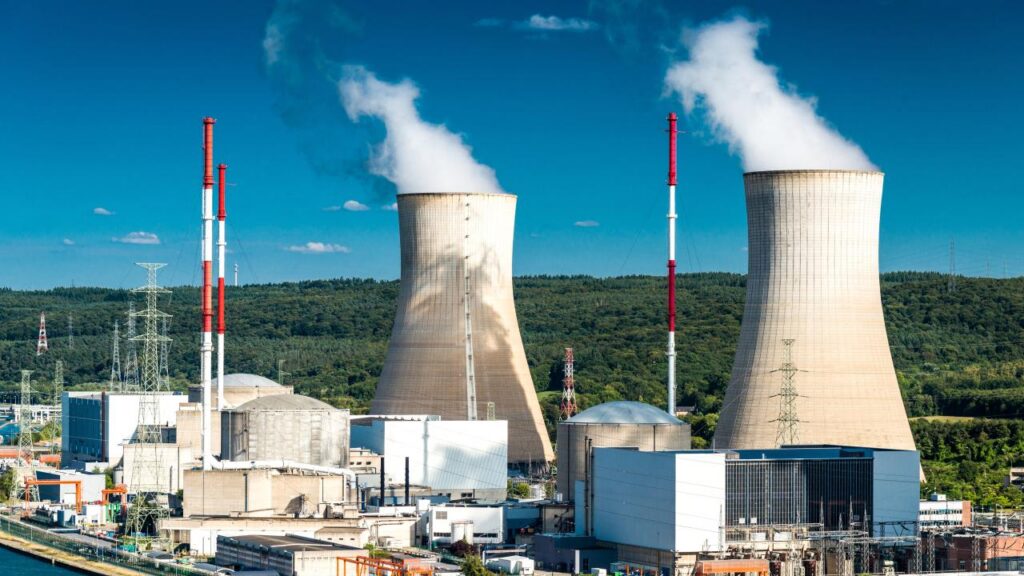
The Kazakh government has approved the location for its second nuclear power plant. According to an official decree, the facility will be constructed in the Zhambyl district of the Almaty region, adjacent to the site selected for the country’s first nuclear plant.

The Ministry of Justice published Government Resolution No. 40, dated January 26, 2026, titled On the Construction and Construction Site of the Nuclear Facility “Second Nuclear Power Plant”, in the Adilet system of regulatory legal acts. The resolution came into effect on the day of its signing.

Nuclear projects typically proceed through feasibility studies, environmental review, and financing arrangements, and timelines can shift as plans move from preliminary approval to full construction.

Earlier reports indicated that contracts for the construction of Kazakhstan’s second and third nuclear plants were awarded to China’s CNNC, with the first plant being developed by the Russian state corporation Rosatom. Its site is located in the village of Ulken, also in Zhambyl district, on the shore of Lake Balkhash, approximately 400 km northwest of Almaty. Thus, Kazakhstan’s first two nuclear power facilities will be concentrated in the country’s southern region.

The design capacity of the first plant is 2.4 GW, comprising two VVER-1200 reactors, each with a capacity of 1.2 GW. Rosatom has already begun preparatory work on the site. The foundation is scheduled to be poured in 2029, with commissioning planned for 2035.

Previously, Kurchatov in the Abai region, near the former Semipalatinsk nuclear test site, was considered as a possible location for one of the three planned plants. This site was reviewed with International Atomic Energy Agency participation. However, the current government decision confirms a focus on the Almaty region.

The Kazakh authorities view nuclear energy as a strategic solution to the country’s growing electricity shortage. At the same time, in January, Energy Minister Yerlan Akkenzhenov stated that Kazakhstan would be able to fully meet domestic energy demand by the end of the first quarter of 2027, without nuclear power, and by 2029, the country is expected to reach a surplus and begin electricity exports.

Italian Firm Explores Waste Recycling Projects in Kyrgyzstan

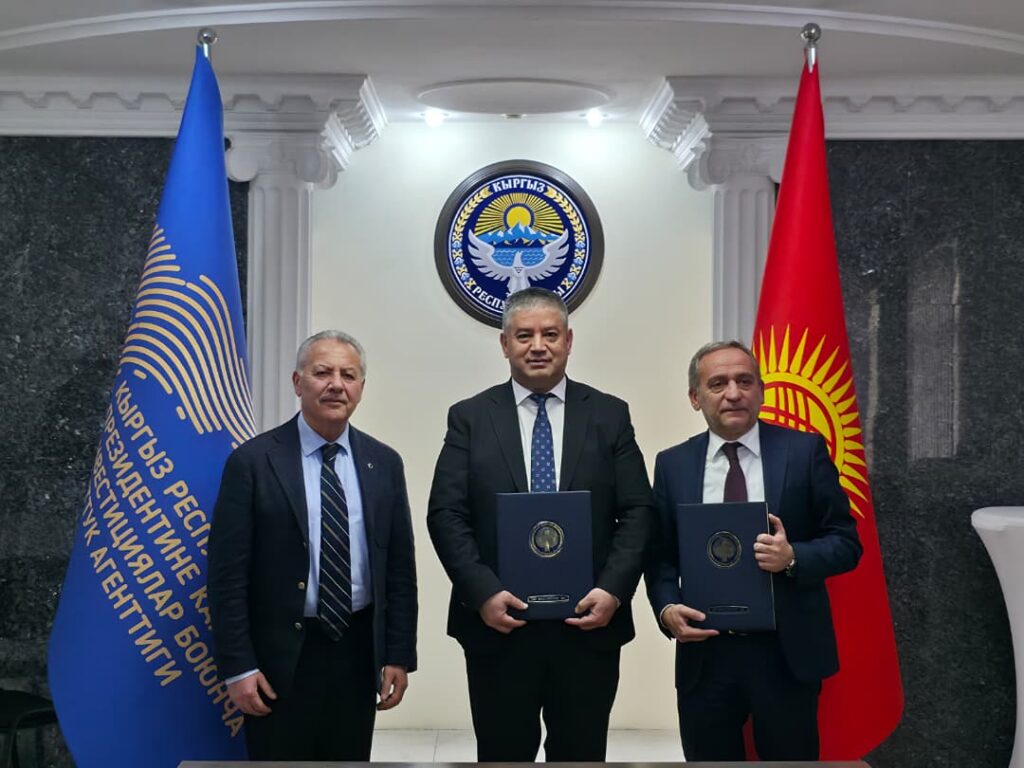
On February 2, the National Investment Agency under the President of the Kyrgyz Republic hosted representatives from Italian company TRITOR S.R.L., a firm known for its environmentally friendly waste recycling technologies, to discuss potential pilot projects in Kyrgyzstan.

The meeting brought together officials from Kyrgyz municipal governments and the Ministry of Health to explore investment opportunities focused on processing municipal solid waste and medical waste. Participants also discussed candidate locations for future recycling facilities.

Following the talks, the parties signed a memorandum of cooperation outlining several pilot initiatives. These include the processing of up to 200 tons of unsorted household waste per day, the supply of alternative environmentally friendly fuels to local cement plants, the introduction of modern technologies for landfill reclamation and cleanup, and the development of medical waste recycling systems in public healthcare institutions.

Ravshanbek Sabirov, head of the National Investment Agency, underscored the importance of such initiatives for the country.

“The problem of waste recycling is particularly acute today, and Kyrgyzstan is interested in implementing modern, environmentally friendly technologies. We value not just ideas but working solutions that can be adapted to local conditions. We are open to cooperation and ready to support such projects at all stages of implementation,” he said.

The initiative reflects Kyrgyzstan’s broader push to tackle growing volumes of household and industrial waste through the adoption of advanced, sustainable recycling technologies.

Tajikistan Admits Over 600 Students Following Expulsion or Entry Denial in Russia

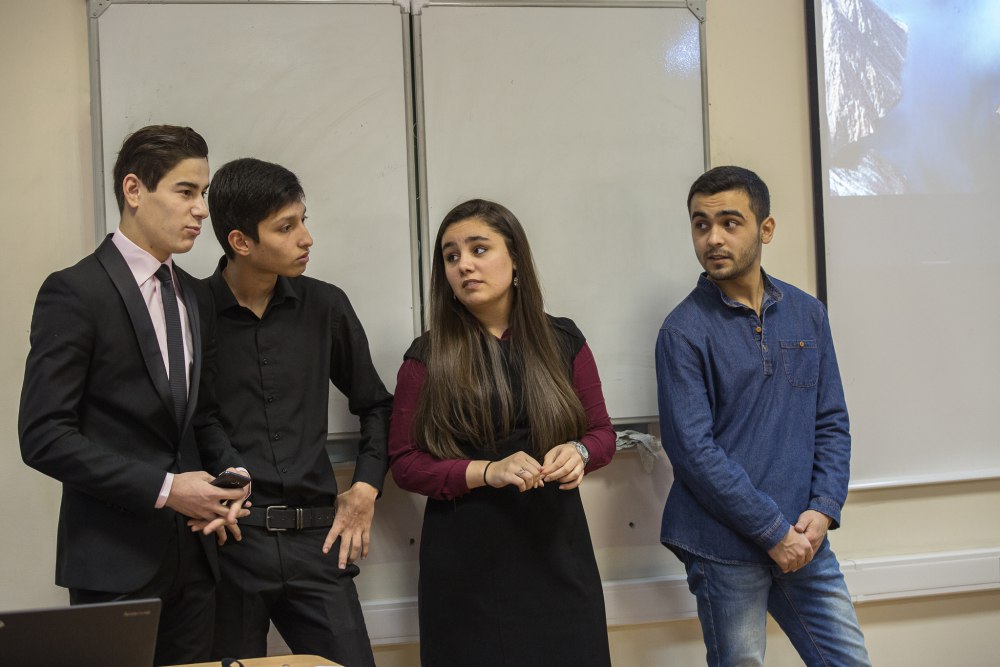
More than 6,000 applicants from Tajikistan were admitted to Russian universities in 2025, signaling that Russia is still the primary destination for Tajik students pursuing higher education abroad. The figures were announced by Tajikistan’s Minister of Education and Science, Rahim Saidzoda, during a press conference, according to Russia’s state news agency TASS.

Saidzoda reported that during the 2025-2026 academic year, a total of 6,665 Tajik applicants enrolled in foreign universities. Of these, 551 chose destinations other than Russia, while more than 6,000 began their studies at Russian institutions. Admissions took place both through government-allocated quotas and standard entry procedures.

At the same briefing, Deputy Minister of Education Lutfia Abdulholikzoda stated that over 600 Tajik students that had previously been expelled or denied entry to Russia in 2025 were subsequently admitted to universities in Tajikistan. She did not elaborate on the reasons for their removal but confirmed that they had been able to resume their education at home.

Russian education remains highly popular among Tajik students. Each year, Russia allocates approximately 1,000 government-funded study placements for Tajik nationals. In October 2025, Russia’s Ambassador to Tajikistan, Semyon Grigoryev, said that out of 43,000 Tajik students studying abroad, more than 30,000 were enrolled in Russian institutions.

Russian higher education is also present within Tajikistan. The Russian-Tajik Slavonic University enrolls over 6,000 students, while local branches of Moscow State University, the National University of Science and Technology MISIS, and the Moscow Power Engineering Institute collectively educate more than 8,000. In addition, several schools in Tajikistan operate entirely in Russian, and five Russian-funded schools built in 2022 follow Russian educational standards.

Kyrgyzstan Intends to Reduce the Storage Period for Negative Credit Information

Kyrgyz authorities are moving to ease regulations surrounding credit history retention in an effort to stimulate the banking sector and provide indirect support to small and medium-sized enterprises. A draft law from the Ministry of Economy and Commerce has been submitted for public discussion.

The proposed changes would reduce the retention period for negative credit information from five years to three, and for positive information from seven years to five.

According to estimates by local economists, the credit portfolio of Kyrgyzstan’s commercial banks reached approximately $5.27 billion last year. The share of overdue loans stood at around $151 million, or about 2% of the total.

The ministry believes that easing access to credit will help stimulate entrepreneurial activity. Broader borrowing opportunities could support business development, increase employment, and generate additional tax revenue. As of now, approximately 1.5 million Kyrgyz citizens have a credit history, of whom 302,000 have negative records, including nearly 200,000 individuals blacklisted by financial institutions.

If the law is enacted, a substantial number of these citizens may regain access to formal banking services. Authorities also expect the reform to reduce reliance on shadow lending and curb dependence on microloans outside the official financial sector.

Under the internal policies of most commercial banks, a loan delinquency of more than 90 days typically qualifies as negative credit history, severely diminishing a borrower’s chances of securing new financing.

The bill has already passed its first reading in parliament. Given that it has been approved by the relevant ministries and agencies, its eventual adoption appears likely.