• KGS/USD = 0.01144 0%
  • KZT/USD = 0.00196 -0%
  • TJS/USD = 0.10899 -0%
  • UZS/USD = 0.00008 -0%
  • TMT/USD = 0.28490 0%
  • KGS/USD = 0.01144 0%
  • KZT/USD = 0.00196 -0%
  • TJS/USD = 0.10899 -0%
  • UZS/USD = 0.00008 -0%
  • TMT/USD = 0.28490 0%
  • KGS/USD = 0.01144 0%
  • KZT/USD = 0.00196 -0%
  • TJS/USD = 0.10899 -0%
  • UZS/USD = 0.00008 -0%
  • TMT/USD = 0.28490 0%
  • KGS/USD = 0.01144 0%
  • KZT/USD = 0.00196 -0%
  • TJS/USD = 0.10899 -0%
  • UZS/USD = 0.00008 -0%
  • TMT/USD = 0.28490 0%
  • KGS/USD = 0.01144 0%
  • KZT/USD = 0.00196 -0%
  • TJS/USD = 0.10899 -0%
  • UZS/USD = 0.00008 -0%
  • TMT/USD = 0.28490 0%
  • KGS/USD = 0.01144 0%
  • KZT/USD = 0.00196 -0%
  • TJS/USD = 0.10899 -0%
  • UZS/USD = 0.00008 -0%
  • TMT/USD = 0.28490 0%
  • KGS/USD = 0.01144 0%
  • KZT/USD = 0.00196 -0%
  • TJS/USD = 0.10899 -0%
  • UZS/USD = 0.00008 -0%
  • TMT/USD = 0.28490 0%
  • KGS/USD = 0.01144 0%
  • KZT/USD = 0.00196 -0%
  • TJS/USD = 0.10899 -0%
  • UZS/USD = 0.00008 -0%
  • TMT/USD = 0.28490 0%
08 December 2025

Trade Between Tajikistan and Azerbaijan Increases by 26%

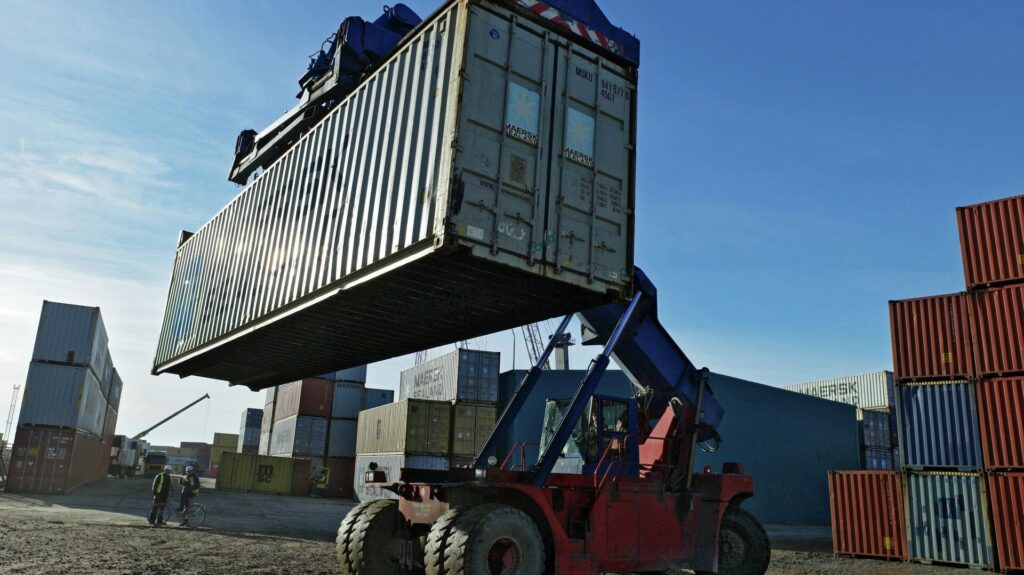
Trade turnover between Tajikistan and Azerbaijan increased by more than 26% in the first ten months of this year, amounted to more than $ 5 million, the customs authorities of Azerbaijan reported, adding that $4.6 million of this is accounted for by exports to Tajikistan.

It was recently reported that Tajikistan and Azerbaijan have signed a number of cooperation agreements, particularly in investments aimed at improving the industrial sector. Among the key areas are projects for the launch of an oil refinery in the Dangara SEZ, the construction of a hydroelectric power plant in Tajikistan, and an increase in TALCO’s production capacity.

In addition, Baku is promoting an initiative to provide Dushanbe with discounts on rail transport.

Recent murder in Kazakhstan draws attention to domestic violence and gender discrimination

A very public tragedy in Kazakhstan put on display domestic violence at its worst. A quarrel in a restaurant in Astana on the evening of November 8th is reported to have resulted in the death of Saltanat Nukenova, the 31-year-old wife of Kuandyk Bishimbayev. Bishimbayev, who served as Minister of National Economy under former President Nazarbayev, was detained on the same day for suspected murder and remains under arrest awaiting trial. On November 11th, Saltanat was buried in Pavlodar.

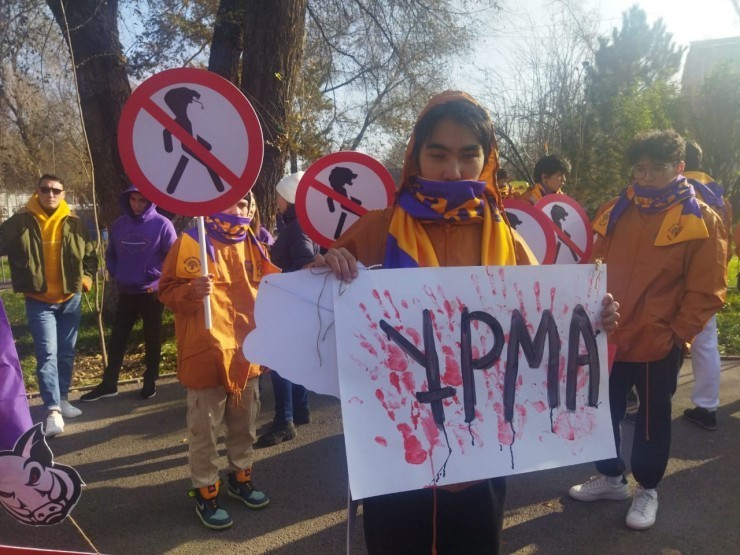
This appalling incident highlighted the urgent need for stronger protections against domestic violence. An authorized rally was held in Almaty in late November. Around 200 participants came out onto the square behind the Sary Arka cinema, holding posters and chanting slogans against domestic violence. The event was organized by a public movement called Zhana Adamdar and the attendees mostly included young people and students from the movement. Relatives of Saltanat Nukenova also took part.

The participants wanted to raise awareness about fighting any manifestation of violence against women and children. Most of the attendees were dressed in the same style, and many of them had scarves with the inscription “Say no to the animal world,” which was also the title of the rally. Speakers at the event detailed the most resonant cases of violence in recent times while the organizers of the rally held a small flash mob and arranged an installation with mannequins in cages with animal masks on them. A minute of silence was observed in honour those who died as a result of violence.

Progress in protecting women

What proceeded this public tragedy hopefully presents a silver lining. A month later, on December 8, Kazakhstan’s current President Kassym-Jomart Tokayev signed a Decree to strengthen human rights with concrete steps towards preventing violence and promoting gender equality.

The Decree instructs Kazakhstan’s government to take systematic measures to promote equal rights and opportunities in all spheres of society, as well as to overcome all forms and manifestations of gender discrimination. The decree also encompasses legislation to deter domestic violence and promotes equal rights and safety for both men and women in the Republic of Kazakhstan, as endorsed by UN Security Council resolution 13251.

It further involves legislative measures to tighten criminal liability in cases of domestic violence, which have now been implemented. These measures aim to hold perpetrators accountable and ensure that victims can get justice. Additionally, offenders of domestic violence may be required to undergo comprehensive psychological correction as part of their rehabilitation process. The Decree also asks for creating specialized units within the Ministry of Internal Affairs staffed with female officers, who can enhance the effectiveness of combating domestic violence.

While the timing of the Decree coincided with the aftermath of Saltanat’s death, there are signs that these steps may have already been in the works. President Tokayev had voiced concerns about domestic violence before the current headlines emerged. At a meeting in the Ministry of Internal Affairs in June 2023, for example, he had affirmed that “comprehensive preventive work is necessary” where “the main role is assigned to neighbourhood police inspectors”. He had further observed that “crimes committed on the basis of family and domestic conflicts can be avoided if timely measures are taken.”

The inclusion of domestic violence in the President’s reform agenda has been acknowledged by Human Rights Watch (HRW), and Tokayev appears to have included action steps recommended by HRW — such as directing the relevant authorities to increase penalties for offenders of domestic violence against women. Local experts expect that the legal code will be changed to include domestic violence as a specific class of criminal offence in the near future, thus making abusers more accountable.

A cultural change in progress

Beyond the legal, economic and political reforms, Kazakhstan is also witnessing a significant societal shift in addressing domestic violence. A notable example is the docudrama series “Zhalgyz Emessin” (translated as “you are not alone”), produced in collaboration with UN Women Kazakhstan and supported by the European Union and the government of Kazakhstan. This series features real-life stories of domestic violence survivors, and aims to raise awareness, challenge gender stereotypes, and empower survivors. The representative of UN Women Kazakhstan, Maria Dotsenko, has publicly commented on how the series has succeeded in educating a broad audience on responding to violence.

The favourable national response to the film “Baqyt” (Happiness) about domestic violence likewise indicates a changing cultural discourse in the country, confirming a societal shift towards openly acknowledging and addressing the problem of domestic violence.

The trajectory

Kazakhstan is poised to continue on a positive trajectory towards ending domestic violence and gender discrimination, which has been accelerated by the heart-breaking murder of a young woman. At the state level, a legal culture that fosters zero tolerance towards all forms of violence is beginning to emerge. Encouraging signs from the government include recent reform efforts and pledges in this direction. The ultimate evidence of progress, however, will be a significant decrease in instances of domestic violence.


Uzbekistan’s Transition to Market Economy to Accelerate

Uzbekistan’s Transition to Market Economy to Accelerate

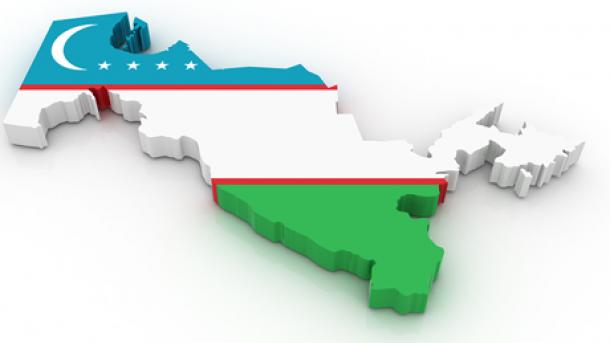
The World Bank’s Board of Executive Directors on December 8th approved a Development Policy Operation to financially support the Government of Uzbekistan in implementing a new generation of economic, social, and climate reforms. The objective of these reforms is to expedite the country’s transition to a market economy, ensuring that economic opportunities are accessible to all citizens and creating a strong foundation for sustained growth.

In Uzbekistan, despite significant progress in the transition to a market economy, there is a need to complete this process and to shift urgently towards a greener and more equitable economic model which would help the country achieve its development and environmental goals.

The government aims to halve the poverty rate by 2026, and elevate the country to the status of an upper-middle-income economy by 2030. Achieving these objectives requires much faster growth, which is possible through reducing state control over the economy and empowering the private sector to become the primary driver of economic development.

“The World Bank’s new operation supports key government priorities, including reducing state dominance in crucial sectors such as agriculture, railway, chemicals, and energy,” said Marco Mantovanelli, World Bank Country Manager for Uzbekistan. “This will allow for greater private sector participation in the given areas. The operation also aims to strengthen social and legal protection for vulnerable groups, and address pressing issues of climate change and environmental protection.”

The World Bank will provide financial support to the government through a combination of highly concessional and low-cost loans totaling $800 million. The financing will offer the government a low-cost, long-term repayment option compared to what would be available in international financial markets, resulting in a significantly lower loan repayment cost. This, in turn, will free up more resources for the country’s urgent development priorities.

“The Government has a strong commitment to reforms that will transform Uzbekistan into a more open and competitive market economy. The World Bank is supporting the country in achieving this goal by providing the necessary expertise, international experience, and financing,” said Jasur Karshibaev, Deputy Minister of the Economy and Finance of Uzbekistan.

The financing from the World Bank operation will support the government’s reforms and actions in a number of critical areas, including:

  1. Energy sector: Establishing an independent energy regulator and implementing energy tariff reform to improve the energy sector’s performance, enhance the efficient use of energy resources, attract private investment in modernizing energy infrastructure, and promoting competition and private sector participation in the industry.
  2. Railway sector: Undertaking institutional reforms in the railway sector to modernize price setting for passenger and freight transportation and strengthen competition and the institutional environment in the industry.
  3. Chemical sector: Establishing a framework for institutional reforms in the chemicals sector and privatizing FerganAzot JSC, a large state-owned chemical plant, to liberalize the sector, attract private investments for its modernization, and enhance competition and efficiency in the industry.
  4. Agriculture sector: Abolishing the crop placement system for all crops to promote greater diversity and productivity in crop production and help address climate vulnerabilities faced by farmers.
  5. Fiscal risk management: Developing the capacity of the Ministry of Economy and Finance to evaluate, monitor and report on fiscal risks associated with the implementation of public-private partnership projects, aiming to strengthen fiscal risk management.
  6. Social Protection: Establishing the National Agency for Social Protection under the President of Uzbekistan to improve the integration, coverage, performance, and quality of social protection services delivered to vulnerable groups.
  7. Protection of women against violence: Criminalizing domestic violence and strengthening mechanisms for protecting women against physical, sexual, economic, and psychological violence.
  8. Free legal aid for vulnerable groups: Expanding eligibility for state-sponsored legal representation to low-income persons, including survivors of violence against women in civil and criminal cases, and providing more effective access to justice.
  9. Climate adaptation and environmental protection: Setting more ambitious climate and environmental targets and programs, strengthening the capacity and mandate of the Ministry of Ecology, Environmental Protection and Climate Change of Uzbekistan, and improving mechanisms for air pollution control and enforcement.
  10. Green transition: Establishing a national green taxonomy, a system used to identify economic activities and investments based on their environmental sustainability. This initiative aims to scale up action on climate change adaptation and mitigation, strengthen air pollution and emissions control, and attract investments in green projects.

Korea Helps Build Firefighting Station in Cholpon-Ata, Kyrgyzstan

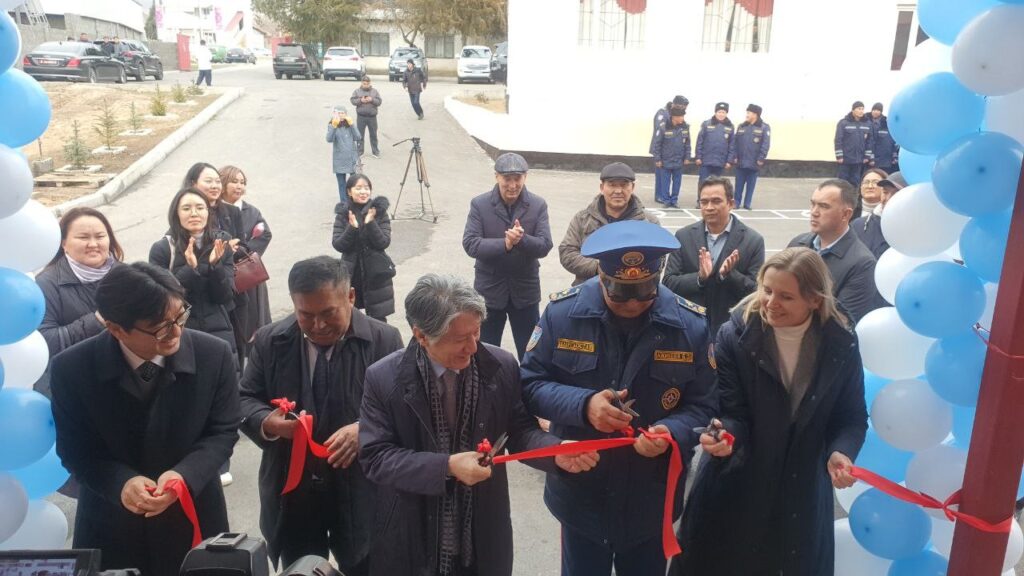
On December 8th, a landmark ceremony was held in the city of Cholpon-Ata to mark the successful completion of the construction of a fire and rescue station built by cooperation between the Ministry of Emergency Situations of the Kyrgyz Republic, the Government of the Republic of Korea, the Korean International Cooperation Agency (KOICA), and the United Nations Development Programme (UNDP), the UNDP website stated.

The Plenipotentiary Representative of the Kyrgyz President in the Issyk-Kul region, the Minister of Emergency Situations of the Kyrgyz Republic, the Ambassador Extraordinary and Plenipotentiary of the Republic of Korea to the Kyrgyz Republic, KOICA Country Director, and the UNDP Resident Representative attended the ceremony.

This construction is part of a broader initiative to construct four fire and rescue stations across Kyrgyzstan, with the other three to be in Bishkek, Osh, and Suzak (Jalal-Abad region). The collaboration aims not only to bolster the Kyrgyz Republic’s disaster management capabilities with the supply of modern firefighting equipment and machinery, and to enhance the overall quality of firefighting services. Along with technical assistance, the UNDP improved the working conditions of firefighters, mainstreamed gender equality, expanded universal access to fire services, and ensured adherence to sustainable development principles.

Boobek Azhikeev, the Minister of Emergency Situations of the Kyrgyz Republic, noted the project’s timeliness, given the annual increase in the number of fires. “Major fires around the world, which have claimed many lives and turned mountain forests into ash, are once again calling for firefighters and rescuer services in Kyrgyzstan to strengthen their efforts,” he said. “As part of our cooperation, we have successfully implemented the initial stages of a grant project to increase the capacity of the fire and rescue service with a total amount of $8 million.”

The Ambassador of the Republic of Korea to the Kyrgyz Republic, Mr. Lee Won-jae stated that “since establishing diplomatic relations in 1992, Korea and Kyrgyzstan have expanded cooperation in various fields, and we hope that exchanges and cooperation between the two countries will expand and deepen in the future. The Korean government plans to continue to strengthen development cooperation to assist Kyrgyzstan’s socioeconomic development and improve the quality of life of its people.”

Ms. Alexandra Solovieva, the UNDP Resident Representative, emphasized the importance of disaster risk reduction and climate emergency response. “We joined hands to expand access to more than 400,000 people to receive timely assistance in case of emergencies,” she stated. “We worked to reduce incident response times by providing modern equipment and technology that play a key role in saving the lives of people in the Issyk-Kul region.”

While the Cholpon-Ata fire and rescue station is now operational, construction in Bishkek, Osh, and Suzak is progressing and is expected to be completed by next year.

Green Pitching Event at COP28 Focuses on Central Asia’s Sustainable Future

As reported on the United Nations Development Programme (UNDP) website, the UNDP in Kazakhstan organized a Green Projects Pitching Event for the countries of Central Asia, which aimed to spotlight innovative and sustainable initiatives across the region, showcasing a collaborative commitment to green growth and climate resilience.

The 28th United Nations Climate Change Conference, or COP28, kicked off on November 30th and continues through to December 12th in Dubai, United Arab Emirates, with a growing urgency to increase action for meaningful change. The countries of Central Asia are presenting a common regional position on the most pressing climate issues at global scale, adopting the cooperative approach: Five countries – one region – one vote.

As part of a region particularly vulnerable to the effects of climate change, the Central Asian nations are actively participating in the COP28 climate policy negotiations, advocating for commitments to reduce emissions, achieve carbon neutrality, and secure access to climate finance for the region.

“The climate crisis knows no borders; it is a challenge that transcends individual nations,” said Nuri Ozbagdatli, UNDP Climate Change Specialist for Europe and Central Asia. “Success in addressing this global issue requires collective action. Together, the global community must pool our expertise, resources, and innovation to tackle climate change comprehensively, ensuring a sustainable future for all. In the countries of Central Asia, we strongly believe in the vast potential offered by the region’s nature, population, and especially its youth. These factors form crucial elements in our joint endeavors to confront and overcome the challenges posed by climate change.”

The event was opened by the Ministers of Ecology from three Central Asian countries: Kazakhstan, Kyrgyzstan, and Uzbekistan.

“Achieving a substantial reduction in greenhouse gases requires significant financial investment,” said Yerlan Nyssanbayev, Minister of Ecology and Natural Resources of Kazakhstan, in his welcoming speech. “The strategy of low-carbon development adopted by Kazakhstan this year estimates a net investment of US$610 billion in low-carbon technologies. At the same time, the importance of climate financing, which helps societies and economies build resilience and adapt to the impacts of climate change, cannot be overstated.”

ADB $40 Million Grant to Strengthen STEM Secondary Education in Tajikistan

The Asian Development Bank (ADB) on December 8th approved a $40 million grant to help the Government of Tajikistan strengthen science, technology, engineering, and mathematics (STEM) subjects in secondary education, including developing climate change awareness and promoting girls’ participation in STEM studies, the ABD announced in a news release on its website.

“Enhancing STEM education is vital for preparing students for sectors such as transport, manufacturing, construction, and information and communication technology, which will contribute significantly to poverty reduction and sustainable development in Tajikistan,” said ADB Director General for Central and West Asia Yevgeniy Zhukov. “As Tajikistan is highly vulnerable to climate impacts, it is also essential to integrate climate change knowledge and best practices into general education to strengthen the country’s resilience against climate-induced hazards.”

The project will improve STEM teaching and learning methods in Grades 5–11 by adopting a skills-based approach that will help students develop abilities such as critical analysis and collaboration to enable them to solve real-world problems. It will train STEM teachers and modernize learning materials. The project will upgrade the facilities of 20 selected schools in four regions and improve school management. It will also support the inclusion of climate change-related topics into the STEM curricula and learning materials.

The project will directly benefit 11,500 students—including 5,600 girls—in targeted schools, as well as about 4,000 STEM teachers and college students training to become STEM teachers, education officials, school management staff, and communities in project areas.

“We are the first development partner to help Tajikistan tackle its STEM teachers’ shortage, integrate climate change into secondary education, and shape an enabling environment for girls and women to pursue STEM fields,” said ADB Principal Social Sector Specialist Xin Long. “To expand girls’ participation in STEM studies and help steer more women’s careers towards high-productivity sectors, the project will offer stipends and scholarships to girls studying at the schools and higher education institutions targeted by the project. It will also prioritize women STEM teachers and teacher candidates for information and communication technology courses.”