• KGS/USD = 0.01144 0%
  • KZT/USD = 0.00212 0%
  • TJS/USD = 0.10456 0.19%
  • UZS/USD = 0.00008 0%
  • TMT/USD = 0.28490 0%
  • KGS/USD = 0.01144 0%
  • KZT/USD = 0.00212 0%
  • TJS/USD = 0.10456 0.19%
  • UZS/USD = 0.00008 0%
  • TMT/USD = 0.28490 0%
  • KGS/USD = 0.01144 0%
  • KZT/USD = 0.00212 0%
  • TJS/USD = 0.10456 0.19%
  • UZS/USD = 0.00008 0%
  • TMT/USD = 0.28490 0%
  • KGS/USD = 0.01144 0%
  • KZT/USD = 0.00212 0%
  • TJS/USD = 0.10456 0.19%
  • UZS/USD = 0.00008 0%
  • TMT/USD = 0.28490 0%
  • KGS/USD = 0.01144 0%
  • KZT/USD = 0.00212 0%
  • TJS/USD = 0.10456 0.19%
  • UZS/USD = 0.00008 0%
  • TMT/USD = 0.28490 0%
  • KGS/USD = 0.01144 0%
  • KZT/USD = 0.00212 0%
  • TJS/USD = 0.10456 0.19%
  • UZS/USD = 0.00008 0%
  • TMT/USD = 0.28490 0%
  • KGS/USD = 0.01144 0%
  • KZT/USD = 0.00212 0%
  • TJS/USD = 0.10456 0.19%
  • UZS/USD = 0.00008 0%
  • TMT/USD = 0.28490 0%
  • KGS/USD = 0.01144 0%
  • KZT/USD = 0.00212 0%
  • TJS/USD = 0.10456 0.19%
  • UZS/USD = 0.00008 0%
  • TMT/USD = 0.28490 0%

Video of Beating of Saltanat Nukenova on the Day of Her Death Presented in Court

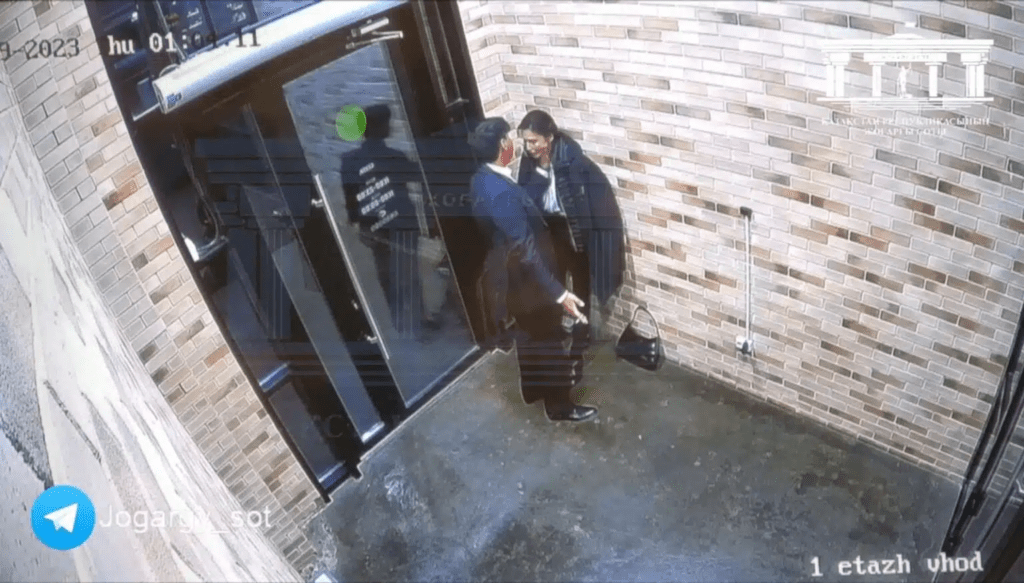
At the fourth court session on April 3 of the murder case of Saltanat Nukenova, a video was presented which depicts the moment of her beating on the day of her death.

The video shows former Minister of the National Economy, Kuandyk Bishimbayev, delivering several blows to Nukenova’s head area after they went up to the second floor of a restaurant at 7:17 a.m. on November 8, 2023.

 

The video also shows Nukenova falling to the floor after the blows, and then Bishimbayev begin kicking her in the buttocks area. He then lifted her up by the hair and once again hit her hard in the head. These events were described by the prosecutor, Aizhan Aimaganova at the trial.

“He hit her again. She fell down again. Then he lifted the latter by the hair and dragged her to stall number one. Further, at 8:08am, Bishimbayev left the stall with a bare torso, took alcohol from the bar and returned again. At 9:27 a.m. Bishimbayev exited again with his bare torso into the common area and returned within a minute. At 9:58, Baizhanov arrived at the restaurant,” the prosecutor said.

The victim’s lawyers asked the jury to pay attention to the fact that on the video recording Saltanat Nukenova tried to stay away from Bishimbayev and behaved calmly, even when the ex-minister pressed her against the wall and hit her. The defendant’s lawyers stated that Bishimbayev was just “stroking” Nukenova’s face. In response, the victim’s side expressed indignation.

The court session ended with the announcement that the next session is scheduled for April 4 at 10:00.

Russian-Tajik Singer Upsets Some in Russia with Comments After Moscow Attack

A Tajikistan-born singer who performed for Russia at the 2021 Eurovision Song Contest is under scrutiny in Russia for comments about the brutal treatment of several suspects after the mass killing at a Moscow music venue on March 22.

Manizha Sangin has condemned the attack that killed 144 people and said the perpetrators should face the “harshest punishment” allowed under the law. But her statement that some suspects suffered “public torture” after they were detained could be subject to an official inquiry, according to reports.

Videos released on social media after the arrest of several suspects from Tajikistan appeared to show that they had been severely beaten. The Islamic State group claimed responsibility for the attack at the Crocus City Hall in which gunmen fired indiscriminately at civilians in the auditorium and other areas of the complex.

In an initial video, a tearful Sangin said she was glad that her grandmother, who died more than a decade ago, was not alive to witness distressing events in recent years. She also said the “atrocities” in Moscow last month had been met with “public torture.”

One response on Sangin’s Instagram feed was caustic:

“What did grandma say about not killing innocent people? Or is it only Russians who need to learn patience, and only they are expected to forgive? What would grandma say if innocent people were shot at a concert in Dushanbe?”

Facing such criticism, Sangin followed up with another video and a statement in which she clarified that she did not seek to justify the actions of the killers.

“It is important not to imitate an inhuman value system, this is what separates us from terrorists,” said Sangin, while urging people not to foment “differences” with Tajiks and other people from Central Asia.

Many migrants seek work in Russia despite harsh conditions and discrimination, and there have been scattered reports of increased harassment of Central Asians in Russia since the Moscow attack.

Sangin, 32, sang “Russian Woman” at the Eurovision contest and her performance seemed aimed at symbolizing inter-ethnic harmony in Russia. But she was denounced online and promoters canceled many of her concerts after she criticized Russia’s invasion of Ukraine in 2022.

The singer, who has campaigned against domestic violence and has supported charities, said any furor over her recent remarks about the Moscow attack is misplaced.

“In no way do I want my words to become a cause of discord in our society,” she said. “My condolences once again to all those affected by this monstrous tragedy. You don’t deserve to go through the inflated scandals in the media.”

South Korea Stops Importing Kazakh Oil Over Red Sea Ship Attacks

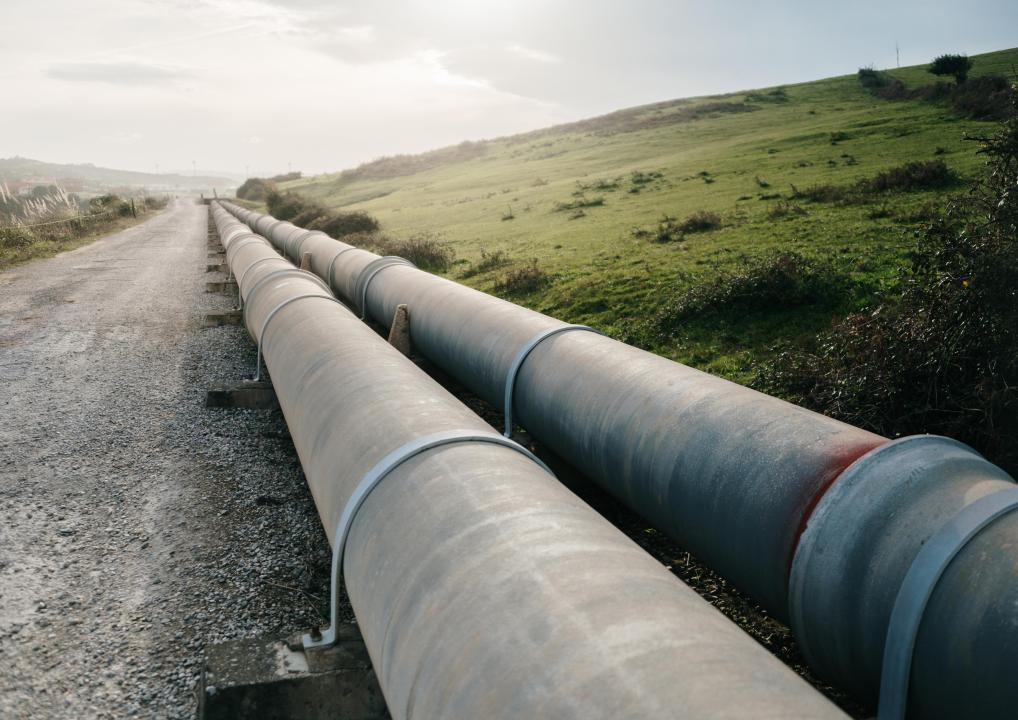
South Korea has suspended crude oil imports from Kazakhstan via the Caspian Pipeline Consortium (CPC), which yields the CPC Blend of crude oil made with Kazakh oil. No deliveries were made in February due to the Houthi attacks on ships in the Red Sea, according to a report by Standard & Poors (S&P). Against this backdrop, South Korea decided instead to increase purchases of West Texas Intermediate (WTI) crude from the U.S.

“Local refiners consider the logistics of buying light, low-sulfur crude from Kazakhstan too costly and inefficient amid ongoing security concerns in the Red Sea,” analysts from S&P wrote. A crude manager at one South Korea’s two largest refineries commented: “Logistics to deliver CPC Blend have become very difficult because there are fewer ships in the Red Sea area, and delivery costs are still trending upward due to rising insurance premiums.”

South Korea is one of the main importers of Kazakhstan’s CPC Blend crude as local refiners have favored light, low-sulfur crude with high middle-distillate yields and consumption averaging about 3-5 million barrels per month over the past decade. According to Korea’s National Oil Corporation, zero oil shipments from Kazakhstan were recorded for the first time since October 2020.

CPC Blend crude is first delivered from the refineries to the Russian Black Sea port of Novorossiysk via the Tengiz-Black Sea pipeline — and then shipped via the Suez Canal to South Korean ports. However, according to refineries, since 2023 CPC Blend oil for South Korea has been delivered bypassing the Suez Canal, via a longer route around South Africa’s Cape of Good Hope.

According to analysts from the Korean Petroleum Association in Seoul, refineries in South Korea will significantly reduce their future purchases of Kazakh CPC Blend.

Kazakhstan’s Ekibastuz Metallurgy Zone To Create Thousands of Jobs

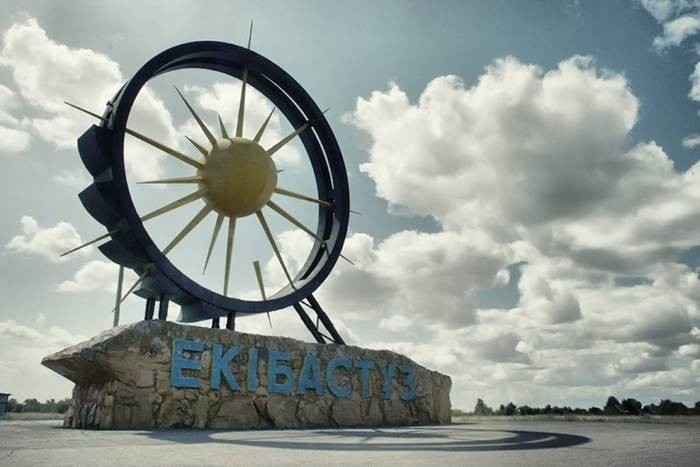
Kazakhstan’s minister for industry and construction, Kanat Sharlapaev, recently used a government meeting to touch upon the growth of the town of Ekibastuz. Located in the northern Pavlodar region, Ekibastuz’s economy centers on metallurgy and railway construction.

Pavlodar region’s metallurgical sector is set to benefit from the creation in Ekibastuz of an industrial zone, whose main investor will be a company named Mineral Product LLP. The zone will house an iron smelter, a ferroalloy plant, and a steel plant, creating 800 jobs during the zone’s construction and 4,000 once the facilities are in operation. The entire Ekibastuz complex is expected to attract more than 100 billion tenge (~$224 million) in investment.

Ekibastuz is one of Kazakhstan’s single-industry towns, whose economy is dominated by one industrial sector, or one corporate entity that is focused on a particular sector. Such towns often have a difficult dependence on the performance of a particular enterprise or industry, and are often subject to the gyrations and whims of particular commodities markets.

Uzbekistan Offers More Help to Its Citizens Moving Abroad

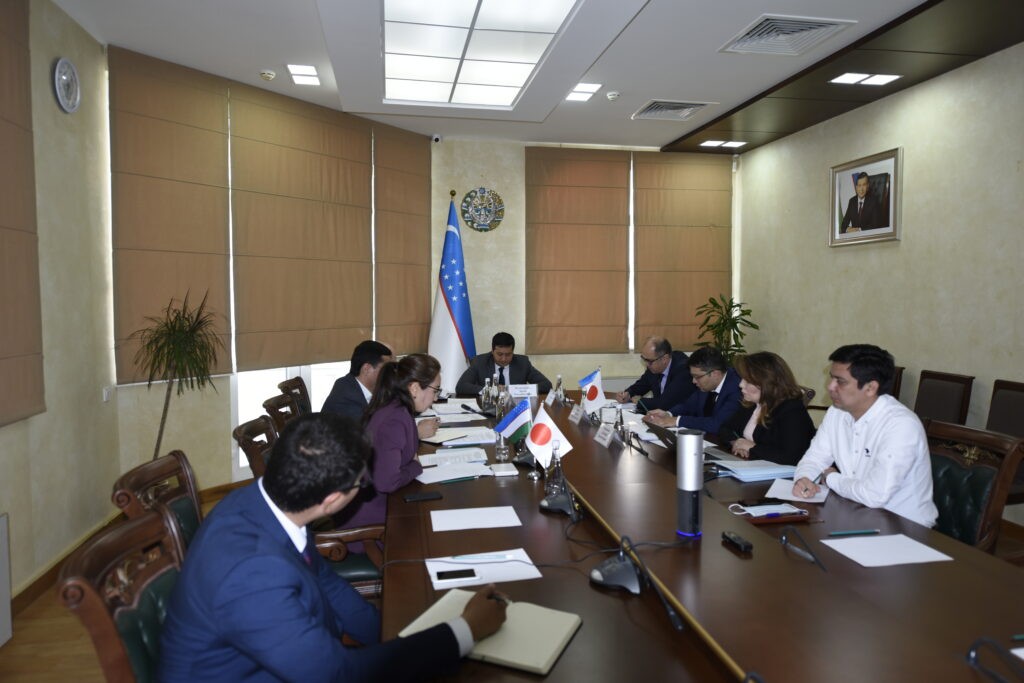
Uzbeks will now be compensated for their expenses in traveling abroad to work, with the federal budget allocating $7.9 million for that purpose in 2024. The country’s foreign embassies and ministries are also in the process of setting up round-the-clock call centers to help solve problems and address issues faced by Uzbeks abroad. Those wishing to work outside the country can now sign up to the ‘Online Mahalla’ platform, where recruiters in several countries can approach potential candidates from Uzbekistan.

Since 2022 Uzbekistan’s Agency for External Labor Migration has sent 70,000 Uzbek migrants to work in other countries. European employers are increasingly willing to hire people from Central Asia; recently Germany has created 5,000 jobs for Uzbeks, including as hotel staff, farm hands, electricians and mechanics. Decent salaries of $2,500-2,800 per month are being offered to citizens of Uzbekistan who have professional qualifications and speak conversational German.

The Agency for External Labor Migration is organizing foreign language classes for would-be migrants. The state will also reimburse them part of the costs of obtaining a work visa, travel tickets, language assessment and certain professional qualifications.

In addition, Uzbek nationals who start a business in Uzbekistan after returning from abroad will be given preferential loans — along with free medical check-ups for them and their family members. Agencies known as Inson centers will provide social assistance to the children of migrant workers, while Uzbek employers who employ returning migrants will receive a $40 monthly subsidy per employee from the Employment Support Fund.

Chinese Businesses Making Inroads into Kyrgyzstan’s Energy Sector

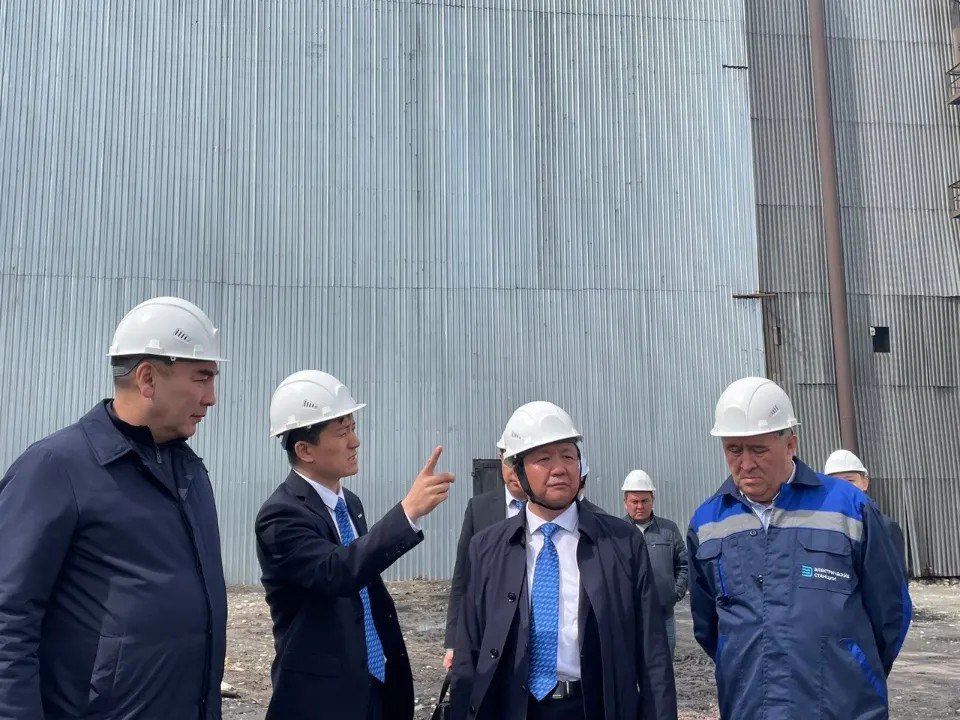
Chinese companies will repair two units of the Bishkek combined heat power plant (CHPP) and plan to invest more than $1 billion in other energy projects. Representatives of the Chinese company, TBEA visited the Bishkek CHPP, where it was decided that TBEA will send its specialists to overhaul the third and fourth power units, as well as train local specialists, the Ministry of Energy of Kyrgyzstan reported.

TBEA chairman, Zhang Xin, together with the Kyrgyz Energy Minister, Taalaibek Ibraev, visited the Bishkek CHPP the previous day. The main topic under discussion was how to increase the electricity and heat capacity of the CHPP. Bishkek CHPP provides electricity to Bishkek and its suburbs, as well as heat to most apartment complexes in the capital.

In 2017, TBEA built four new boiler units at the Bishkek CHPP with a total capacity of 300 MW. The Eximbank of China allocated a loan of $386 million back in 2013 for this purpose. After the accident at the CHPP in February this year, the Kyrgyz authorities decided to overhaul the old boilers. As a result, despite the corruption scandal in 2017, the same Chinese company will repair units three and four. Information on the reconstruction costs for the units has not yet been disclosed.

When fully operational, Bishkek CHPP has 18 boiler units with a total capacity of 812 MW. Following the accident this winter, swathes of equipment failed and the total capacity of the CHPP was decreased by a large factor.

Meanwhile, a Kyrgyz-Chinese business forum was held in Bishkek and attended by more than 60 companies, with contracts totaling $1.15 billion signed with various Chinese companies, mostly from the Xinjiang Autonomous Region. According to the Kyrgyz Government, a project to build a coal logistics center with a conveyor belt on the border of the two countries has been agreed upon and signed. The Chinese company, Dachenglongyuan, will invest $440 million in the project. The same company is reportedly to invest another $700 million to build a wind farm in southern Kyrgyzstan. Contracts for coal exploration and mining were also signed. Some experts attribute the accident at the Bishkek CHPP to low-quality coal mined in the Issyk-Kul region of Kyrgyzstan.

One of President Japarov’s campaign promises in 2020 was to end winter power outages and ensure the country’s energy security.

Despite the great opportunities for Chinese investors, however, many economists in Kyrgyzstan have warned against Kyrgyzstan’s growing dependence on China. According to official data, as of January 1, 2024, Kyrgyzstan’s debt stood at $6.3 billion, with about 40% of that owed to China’s Eximbank.