• KGS/USD = 0.01144 0%
  • KZT/USD = 0.00211 0%
  • TJS/USD = 0.10454 -0.1%
  • UZS/USD = 0.00008 0%
  • TMT/USD = 0.28571 0.28%
  • KGS/USD = 0.01144 0%
  • KZT/USD = 0.00211 0%
  • TJS/USD = 0.10454 -0.1%
  • UZS/USD = 0.00008 0%
  • TMT/USD = 0.28571 0.28%
  • KGS/USD = 0.01144 0%
  • KZT/USD = 0.00211 0%
  • TJS/USD = 0.10454 -0.1%
  • UZS/USD = 0.00008 0%
  • TMT/USD = 0.28571 0.28%
  • KGS/USD = 0.01144 0%
  • KZT/USD = 0.00211 0%
  • TJS/USD = 0.10454 -0.1%
  • UZS/USD = 0.00008 0%
  • TMT/USD = 0.28571 0.28%
  • KGS/USD = 0.01144 0%
  • KZT/USD = 0.00211 0%
  • TJS/USD = 0.10454 -0.1%
  • UZS/USD = 0.00008 0%
  • TMT/USD = 0.28571 0.28%
  • KGS/USD = 0.01144 0%
  • KZT/USD = 0.00211 0%
  • TJS/USD = 0.10454 -0.1%
  • UZS/USD = 0.00008 0%
  • TMT/USD = 0.28571 0.28%
  • KGS/USD = 0.01144 0%
  • KZT/USD = 0.00211 0%
  • TJS/USD = 0.10454 -0.1%
  • UZS/USD = 0.00008 0%
  • TMT/USD = 0.28571 0.28%
  • KGS/USD = 0.01144 0%
  • KZT/USD = 0.00211 0%
  • TJS/USD = 0.10454 -0.1%
  • UZS/USD = 0.00008 0%
  • TMT/USD = 0.28571 0.28%

Tokayev Aligns Kazakhstan With Trump’s Board of Peace Initiative

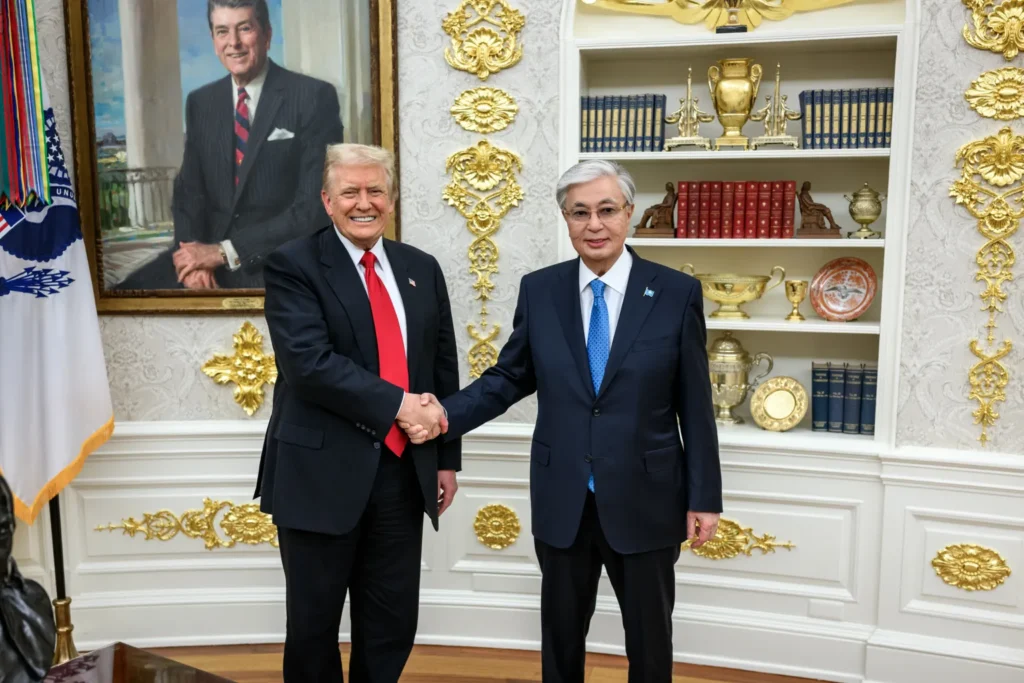
Kazakh President Kassym-Jomart Tokayev has agreed to join a new international body initiated by U.S. President Donald Trump that is intended to address post-war governance and reconstruction in Gaza, with the possibility of later expanding its remit to other global conflicts. Tokayev’s press secretary, Ruslan Zheldibay, said President Tokayev has accepted Trump’s invitation and sent a letter expressing his readiness to participate.

The “Board of Peace” is a structure initiated by Trump as part of his broader Middle East agenda. Draft documents outline a body that would coordinate political oversight, reconstruction funding, and security arrangements in Gaza following the current conflict. They describe Trump as chair of the board on a permanent basis and outline different membership terms for participating states.

Kazakhstan was invited as an early participant and is expected to be among the first countries to formally join. The decision aligns with Kazakhstan’s long-standing foreign policy approach, which emphasizes engagement with major powers and participation in multilateral diplomatic initiatives. Astana has previously hosted negotiations on regional security issues and has sought a visible role in international conflict mediation.

The Board of Peace emerged from a U.S.-backed plan announced in late 2025 to stabilize Gaza following months of war. The plan was presented as a mechanism to oversee reconstruction and governance while preventing renewed conflict. Invitations to join the board were sent to roughly 60 countries, spanning Europe, Asia, the Middle East, and Africa.

A draft charter reviewed by several governments sets out a tiered membership structure. Countries may serve on the board for an initial three-year term without a financial contribution. Longer participation is tied to a $1 billion payment to a central fund within the first year of the charter’s entry into force. The funding clause links longer participation to large upfront contributions, although U.S. officials have disputed that the payment would be mandatory in practice.

The board’s initial focus is Gaza, but the charter allows for expansion to other conflicts if members agree. The documents describe responsibilities that include oversight of reconstruction projects, coordination with regional actors, and engagement with international financial institutions. The charter does not grant the board enforcement powers, leaving its authority dependent on political support from participating states.

Kazakhstan’s participation follows earlier expressions of support for Trump’s Gaza initiative. In October 2025, Tokayev welcomed the U.S. peace plan as a potential step toward restoring stability and rebuilding trust among states involved in the conflict.

The move places Kazakhstan alongside a diverse group of invited countries. Russia has confirmed receipt of an invitation for President Vladimir Putin to join the board, and Moscow has said it is examining the proposal and seeking clarification through diplomatic channels.

Several other governments have acknowledged invitations, while responses have varied. Some countries have indicated interest in participation, while others have expressed reservations about the board’s structure and its relationship to existing international institutions. Concerns have focused on governance, accountability, and the potential overlap with United Nations-led mechanisms for peacekeeping and reconstruction.

The United Nations remains central to Gaza-related diplomacy. A Security Council resolution adopted in November 2025 authorized international stabilization efforts under a U.S.-led framework, providing legal cover for certain aspects of the reconstruction plan. The resolution drew criticism from some diplomats and analysts, who argued it risked weakening established UN peacekeeping norms and sidelining Palestinian self-determination.

Kazakhstan has maintained diplomatic relations with Israel since 1992 and has positioned itself as a neutral actor in Middle East affairs. Its decision to join the Board of Peace reflects a calculation that participation offers diplomatic visibility and influence in a major international initiative, while aligning with Astana’s broader strategy of maintaining balanced relations with Washington, Moscow, Beijing, and regional powers.

No operational timetable for the proposed board has been published, and details about staffing, decision-making procedures, and coordination with existing aid and security frameworks remain unresolved. The scale of the proposed funding mechanism and Trump’s permanent chairmanship have also raised questions among diplomats about how the body would function over time.

Tokayev’s acceptance makes Kazakhstan one of the first countries whose leadership has confirmed participation. The extent to which the Board of Peace evolves into a durable institution will depend on how many invited states commit, how the funding provisions are implemented, and whether the board can gain acceptance from regional actors directly affected by its decisions.

For Kazakhstan, the decision signals an intention to remain engaged in high-profile diplomatic initiatives beyond its immediate neighborhood. Whether that engagement yields tangible influence or becomes a symbolic association with a contested framework will become clearer should the initiative move from concept to practice.
Tajik Border Guards Kill 4 Gunmen From Afghanistan

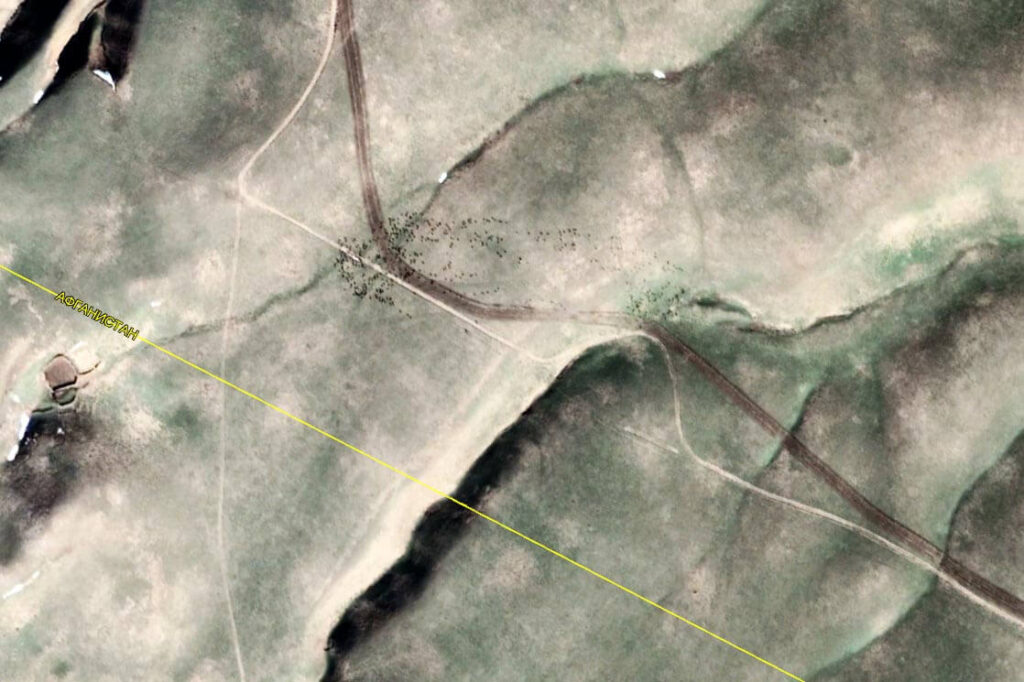
Security forces in Tajikistan killed four armed men who crossed the border from Afghanistan, the Tajik government said. It was the latest clash in a rugged, sparsely populated area that has become a hotspot for violence along the frontier.

Border guards in Tajikistan’s Shamsiddin Shohin district located the assailants after they entered the country early on Sunday, according to a border force statement that was reported by the state Khovar news agency.

“The terrorists refused to obey the border guards’ order to surrender and offered armed resistance,” the border force said. “All four terrorists were killed during the operation.”

The statement said security forces seized equipment, including three Kalashnikov assault rifles, one pistol, ammunition, mobile phones, one walkie-talkie, and one boat. The vessel was likely used to cross the Pyanj River from Afghanistan into Tajikistan.

Chinese gold mining operations in Tajikistan’s border area have become a target of deadly attacks, prompting China to urge Tajikistan to take robust measures to get the situation under control. On January 15, Yusuf Rahmon, secretary of Tajikistan’s Security Council, met Chinese ambassador Guo Zhijun to discuss regional stability.

Uzbekistan Urges Diplomats to Actively Defend Citizens Abroad

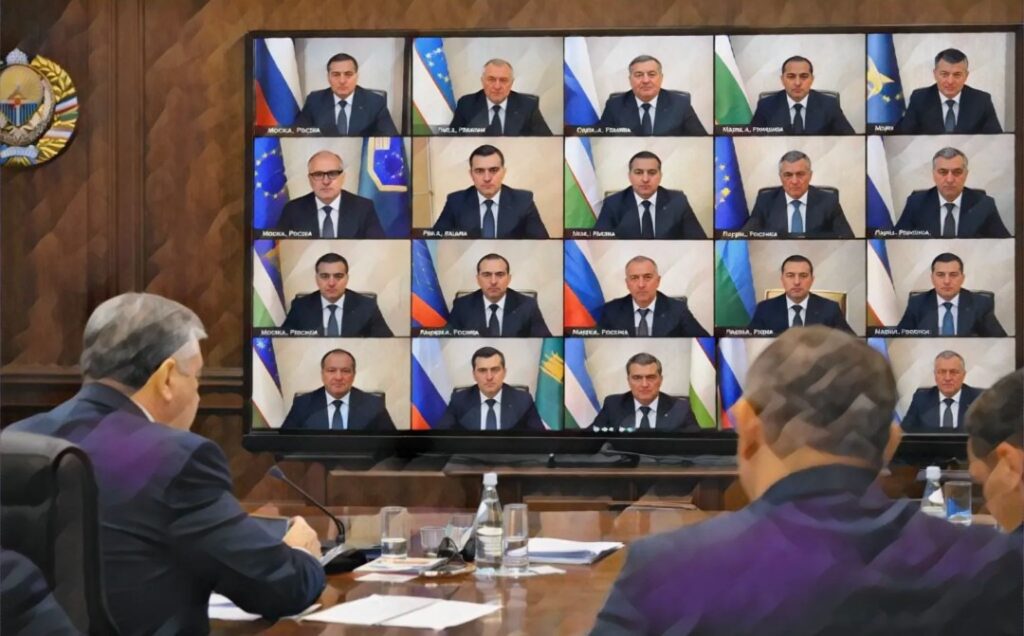
President Shavkat Mirziyoyev has directed Uzbekistan’s diplomats to take a more proactive role in protecting the rights of citizens living and working abroad, amid rising public concern over reported abuses during migration checks and raids in foreign countries.

The issue was raised during a video conference chaired by Mirziyoyev on the performance of the Ministry of Foreign Affairs and the country’s diplomatic missions overseas, according to the president’s press secretary. Mirziyoyev noted that the presence of Uzbek citizens residing abroad illegally remains a pressing issue for the state.

In 2025, Uzbekistan secured a migration amnesty for more than 150,000 of its nationals in Russia. During the meeting, officials were instructed to intensify talks with other countries to facilitate legal employment pathways for Uzbek citizens, while also stressing that migrants must comply with the laws of their host countries.

The president said that assisting labor migrants, particularly in countries experiencing rising inflows of Uzbek workers, must become a central responsibility of consular staff. Special attention was given to European states, where the number of Uzbek labor migrants has grown in recent years. He also called for the simplification of consular registration procedures and the elimination of excessive bureaucracy.

Reports of rights violations during foreign law enforcement raids have triggered significant public backlash. Mirziyoyev criticized the Ministry of Foreign Affairs for often responding only with formal diplomatic notes, saying that ambassadors and consuls must provide qualified legal support and actively defend the interests of Uzbek citizens in such cases.

The president also raised concerns about the risk of young people and students abroad being drawn into radical movements. He called on diplomats to abandon “cabinet diplomacy” and instead visit construction sites, dormitories, and classrooms to directly engage with citizens and address their needs.

As part of the new measures, officials were instructed to establish a free call center for citizens abroad facing difficult situations, enabling rapid coordination with the relevant ministries.

Separately, the Foreign Ministry has yet to confirm whether it has issued a diplomatic note in response to recent remarks by Russian propagandist Vladimir Solovyov, who suggested launching a “special military operation” in Central Asia.

In an interview with Kun.uz, parliamentary deputy Bobur Bekmurodov said it may be premature to assess the ministry’s response but noted that Solovyov’s comments could warrant declaring him an undesirable person in Uzbekistan.

Kazakhstan Restructures Oil Exports Amid Disruptions at CPC

Kazakhstan is rapidly restructuring its oil export routes in response to disruptions affecting the Caspian Pipeline Consortium (CPC), a critical channel for the country’s crude shipments. To maintain export volumes and avoid production slowdowns, authorities have turned to alternative infrastructure.

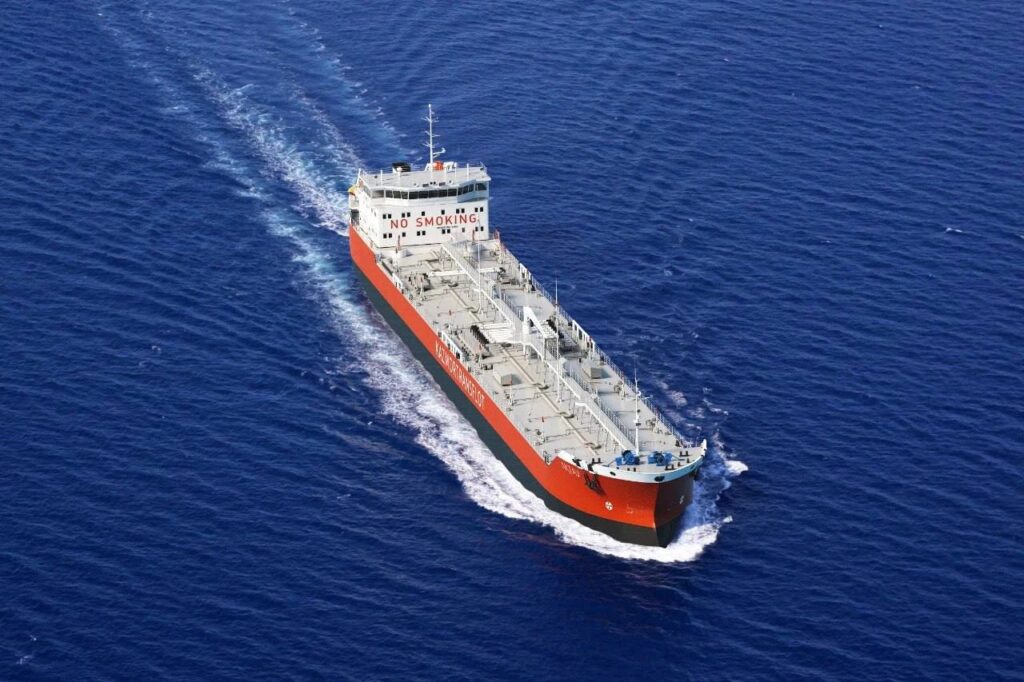
According to a statement from KazMunayGas, the national oil company, approximately 300,000 tons of oil were rerouted in December 2025 after restrictions limited the CPC’s intake capacity. In coordination with KazTransOil JSC (KTO), the country redirected oil flows to other export corridors.

These rerouted volumes were exported to Germany, China, and via the Baku-Tbilisi-Ceyhan (BTC) pipeline, with shipments also handled through the ports of Novorossiysk and Ust-Luga. As CPC restrictions remained in place into January 2026, the redirection strategy continued.

Amid these challenges, Kazakhstan’s use of alternative routes gained momentum. KazMunayGas reported that oil deliveries to Germany’s Schwedt refinery totaled 2.1 million tons by the end of 2025, with projections indicating a rise to 2.5 million tons in 2026.

Exports through the port of Aktau to the BTC pipeline reached 1.3 million tons in 2025 and are expected to grow to 1.6 million tons this year. Shipments to China remained stable, with 1.1 million tons delivered by the end of 2025.

These developments reflect a gradual shift aimed at reducing Kazakhstan’s dependency on the CPC which has faced repeated operational setbacks.

The CPC disruptions stem from a series of security incidents. In February and March 2025, the Kropotkinskaya station was targeted in drone attacks. On 29 November, a strike on the consortium’s remote mooring device caused damage to its marine terminal.

Following the November incident, Kazakhstan’s Ministry of Energy stated that the CPC pipeline is an international energy project and warned that “any forceful impact on its facilities poses direct risks to global energy security.”

After another attack on 13 January 2026, when drones targeted three oil tankers near the CPC terminal in the Black Sea, the Ministry of Foreign Affairs issued a sharper response. In emergency consultations with European partners, the U.S., and other stakeholders, Kazakhstan called for reinforced protection of hydrocarbon transportation routes and maritime corridors, emphasizing the need for adherence to international law.

Kazakhstan to Launch AI-Powered Imam App

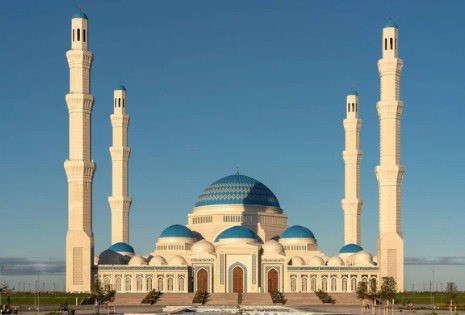
Kazakhstan’s Spiritual Administration of Muslims (DUMK) is set to integrate artificial intelligence into religious practice with the launch of Imam AI, a mobile application designed to provide believers with instant, Sharia-compliant answers to religious questions. The initiative aims to ease the burden on clergy and offer verified religious guidance in a digital format.

According to DUMK, the adoption of AI reflects growing public demand for fast and reliable religious information. “In line with modern requirements, we need to systematically introduce the capabilities of artificial intelligence into the religious sphere,” the organization stated in a post on the muftyatkz Instagram page.

The Imam AI app will be built on AI technology and will draw from authenticated sources of Islamic knowledge. Supreme Mufti Nauryzbay Kazhy Taganuly stated that the platform would comply fully with Sharia law while providing accessible, on-demand religious consultations.

This development is part of a broader effort to digitally transform religious institutions in Kazakhstan. The country has already begun incorporating AI into public administration, notably with the introduction of SKAI, a neural network based on a national language model used in state and quasi-state management.

As a further step, DUMK plans to draft a Digital Development Concept for 2026-2028, which will set priorities for the digitalization of religious activities. The Supreme Mufti stressed that failing to adapt to technological change means falling behind the needs of contemporary society.

“We are living in an era of technology and digital opportunity. Our responsibility is the systematic and widespread use of digital solutions and artificial intelligence in religious practice, in full accordance with Sharia law,” Taganuly noted.

Another key initiative involves the creation of an Islamic finance sector under DUMK. The Mufti stated that growing religious awareness and a desire for ethical earnings have fueled demand for financial products that align with Islamic principles.

The new sector will offer Sharia reviews of financial instruments and issue fatwas related to leasing, insurance, investments, bonds, digital assets, and electronic payment systems.

Together, the launch of Imam AI and the institutionalization of Islamic finance mark a broader convergence of religion, technology, and economics in Kazakhstan. A recent joint report by the Eurasian Development Bank, the Islamic Development Bank Institute, and the London Stock Exchange forecasts steady growth in Islamic finance across Central Asia.

For Kazakhstan, the digitalization of the religious sphere is becoming a key component of its broader modernization agenda, positioning AI not as a novelty but as a practical tool for improving access and meeting evolving societal expectations.

Kazakh Politician Proposes Allowing Private Laboratories to Conduct Driver Intoxication Tests

Zhanna Asanova, a member of the Senate, the upper house of Kazakhstan’s parliament, has proposed allowing private medical laboratories to conduct examinations for alcohol and drug intoxication in drivers. The proposal was submitted as a parliamentary inquiry addressed to the government.

At present, such medical examinations are conducted exclusively by state-run medical institutions equipped with laboratory facilities. However, Asanova argued that the capacity of this system is severely limited. Citing Almaty as an example, she noted that Kazakhstan’s largest city, with a population exceeding two million, currently has only two state laboratories handling all intoxication-related cases. This, she said, hinders the timely processing of examinations.

Asanova emphasized that the current centralized model creates both procedural delays and corruption risks. The absence of alternative institutions undermines public trust in the objectivity of results and creates opportunities for abuse.

“The remoteness and overload of laboratories mean that individuals remain in a vulnerable procedural position for hours, while police officers waste time and resources. This undermines the overall effectiveness of the law enforcement system,” she said.

The senator also noted that citizens currently have no right to choose their testing institution or request an independent re-examination, which restricts their ability to mount an effective legal defense.

Another risk, according to Asanova, stems from the heavy workload and outdated equipment in some state laboratories. These limitations can lead to procedural violations during sample collection, storage, and analysis, ultimately compromising the reliability of evidence presented in court.

She also pointed out that existing equipment in state labs is not always capable of detecting a broad spectrum of psychoactive substances, including synthetic, combined, and toxic compounds such as so-called “salts”, which require more advanced testing technologies.

Meanwhile, Kazakhstan has a network of private laboratories equipped with modern diagnostic tools and staffed by qualified professionals, but their resources remain largely untapped within the current system.

As a solution, Asanova proposed creating a new model that would allow accredited private laboratories to conduct medical examinations on equal footing with state institutions, and to include them in a unified national register. She also called for granting citizens the right to independently select a laboratory for repeat testing.

The initiative aligns with broader efforts to reform Kazakhstan’s road safety system. Previously The Times of Central Asia reported that Senator Marat Kozhaev had proposed introducing an “idiocy test” for repeat traffic offenders as a potential basis for revoking their driving licenses.