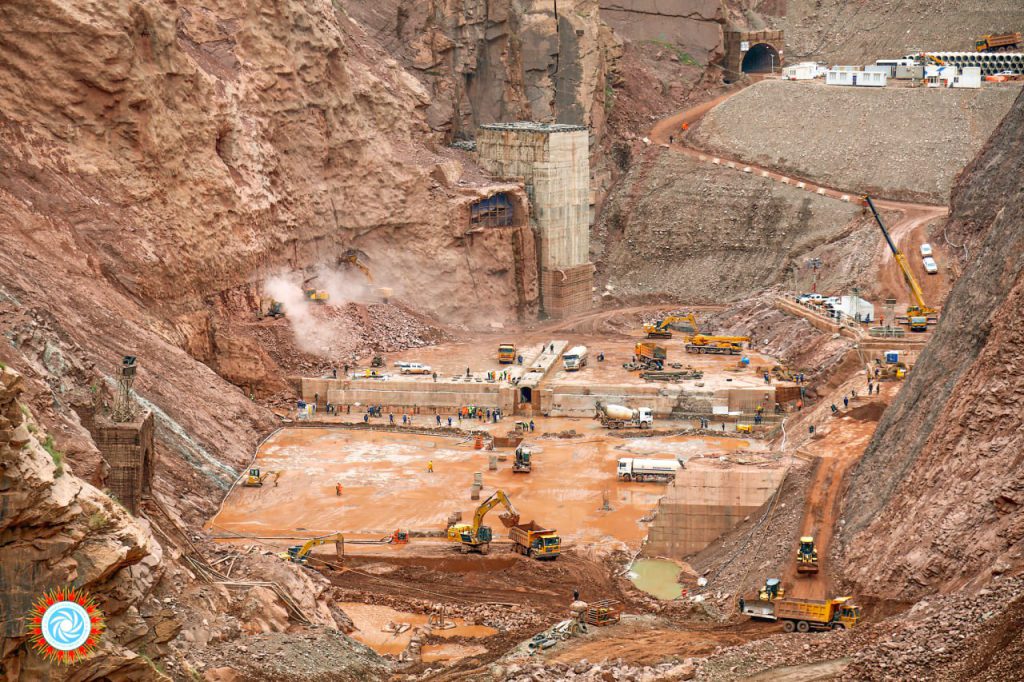
A water tank ruptured in a construction tunnel at Tajikistan’s Rogun Hydropower Plant on October 21, sending water rushing toward workers below. While the authorities maintain no one was injured, witnesses have reported that more than five workers were hurt.
The accident occurred inside the plant’s tunnel system, Asia-Plus reported, citing Tajikistan’s industrial safety regulator. An upper tank used to collect water ruptured, damaging a second drainage tank below it. Water from both tanks then flowed into the lower section of the tunnel, where workers from the Chinese subcontracting company Sinohydro were carrying out construction work.
The regulator said none of the workers suffered physical injuries. They received first aid and subsequently returned to work.
A Dangerous Workplace
However, Radio Ozodi, citing witnesses, reported that more than five workers were injured. The broadcaster obtained footage showing water and debris falling from the tunnel onto several people. Witnesses also said the incident occurred on October 22, a day later than the date given by authorities.
During the first six months of 2026, 32 workplace accidents were recorded at industrial and mining enterprises across Tajikistan, leaving 23 people dead and 19 injured. Among those killed were two Chinese nationals and one Iranian working on the Rogun hydropower project.
Eight workplace accidents were also recorded at Rogun in 2025, although officials have not disclosed the number of casualties. In November 2024, three workers were killed and another was injured when a lifting platform fell onto them.
Rogun’s Role in Tajikistan’s Power Supply
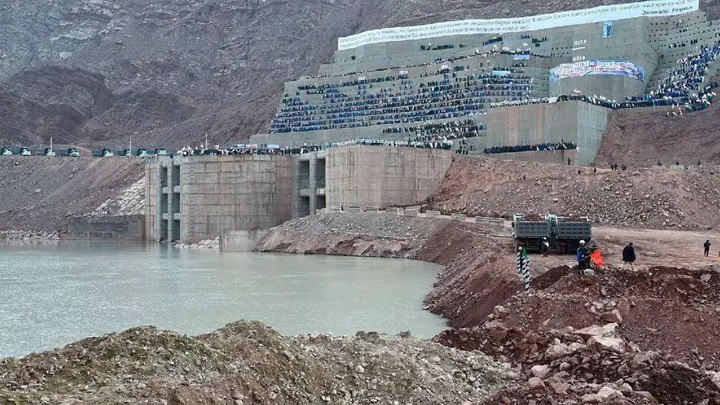
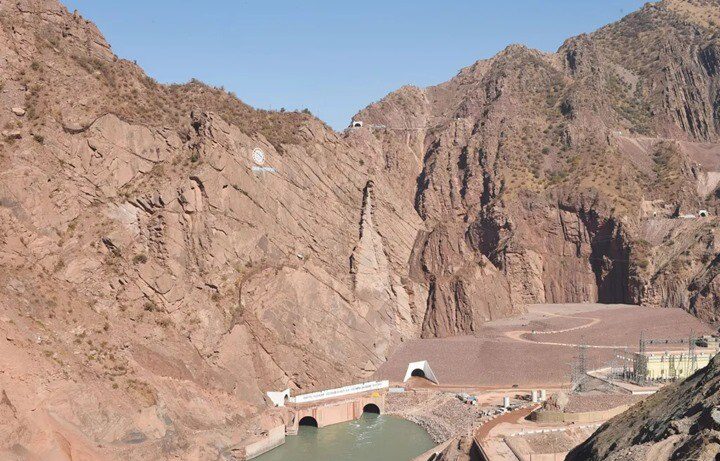
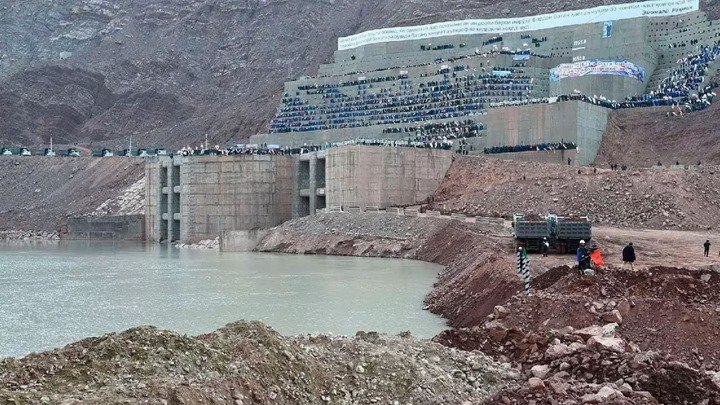
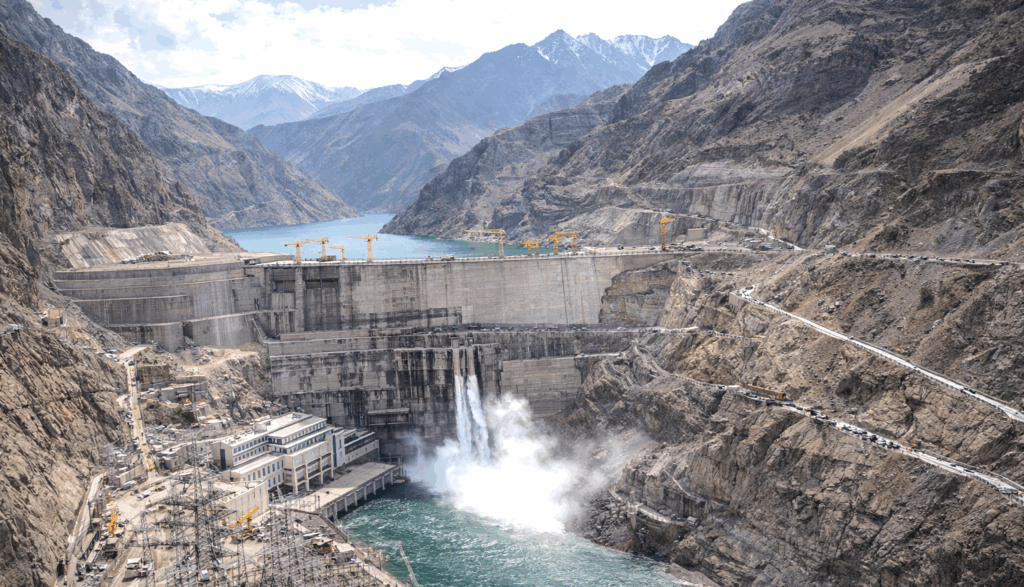
Located on the Vakhsh River, approximately 110 kilometers from Dushanbe, the Rogun Hydropower Plant is Tajikistan’s largest energy project.
Construction began in 2017, although the original plans date back to the Soviet period. Once completed, the plant is expected to have a capacity of 3,780 megawatts, with six turbines generating 630 MW each. Its projected annual electricity output is 14.4 billion kilowatt-hours. Completion is currently scheduled for 2033.
According to the World Bank, the plant’s projected annual output would be equivalent to about 60% of Tajikistan’s current electricity generation. It is expected to help address chronic winter electricity shortages, improve power supplies for approximately 10 million people, create more than 30,000 direct and indirect jobs, and support electricity exports to neighboring Uzbekistan and Kazakhstan.
The project has also faced criticism over its potential impact on water supplies downstream. The environmental coalition Rivers Without Boundaries has argued that the project’s environmental assessments are outdated and warned that filling the reservoir could harm communities that depend on the Amu Darya River.
The World Bank’s Inspection Panel recommended an investigation into the project in 2025, but the bank’s board declined to approve it in November that year.