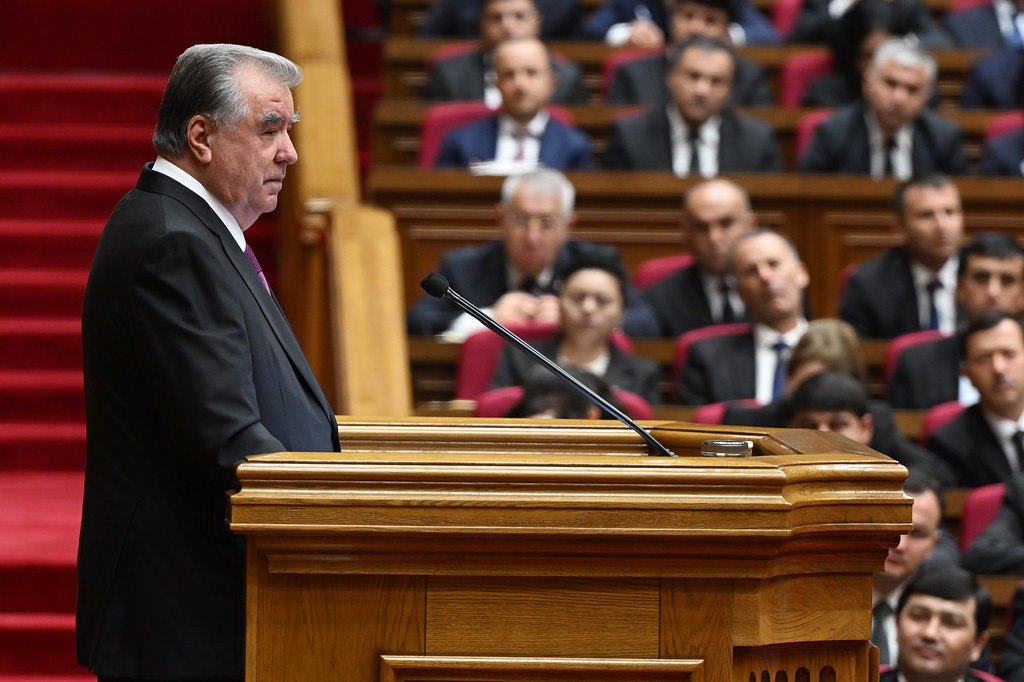
Tajikistan’s lower house of parliament has ratified a $300 million World Bank grant for the Rogun Hydropower Plant, providing fresh financing for the country’s largest infrastructure project. The agreement was approved on October 1.
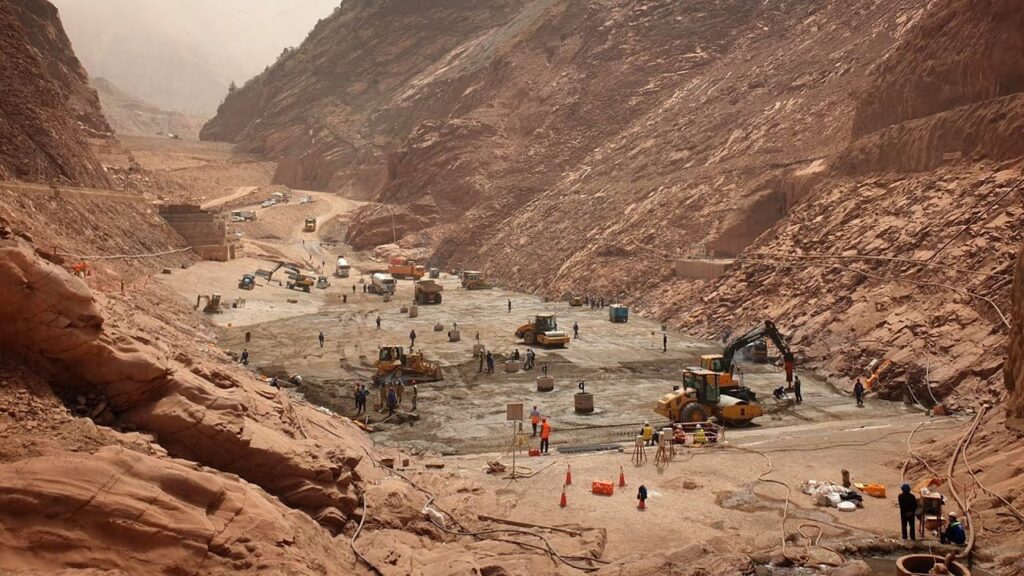
The funding comes from the International Development Association (IDA), the World Bank’s concessional financing arm for low-income countries. It will support continued construction and equipment installation, alongside safety and environmental safeguards and support for communities affected by resettlement.
The World Bank approved the grant in June. Together with an earlier package, its approved financing for Rogun now totals $650 million.
Tajikistan is also raising money from other international partners. Italy committed $150 million through its Climate Fund in July. The Asian Development Bank, Asian Infrastructure Investment Bank, European Investment Bank, Islamic Development Bank, and Gulf development funds have also approved or expressed interest in supporting the project. The World Bank expects up to $3 billion in concessional financing to be mobilized for the project.
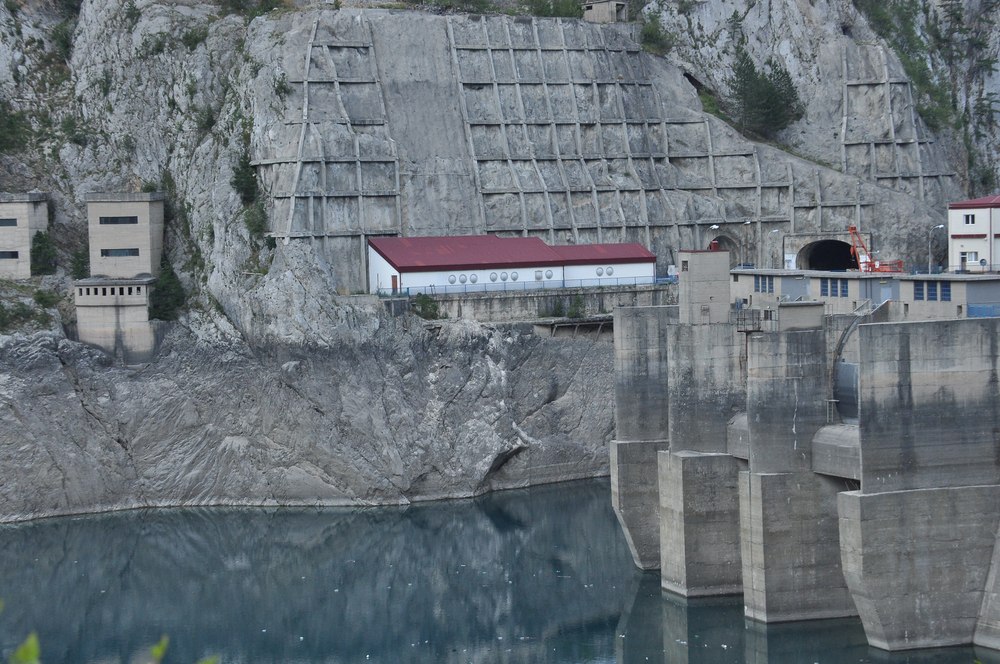
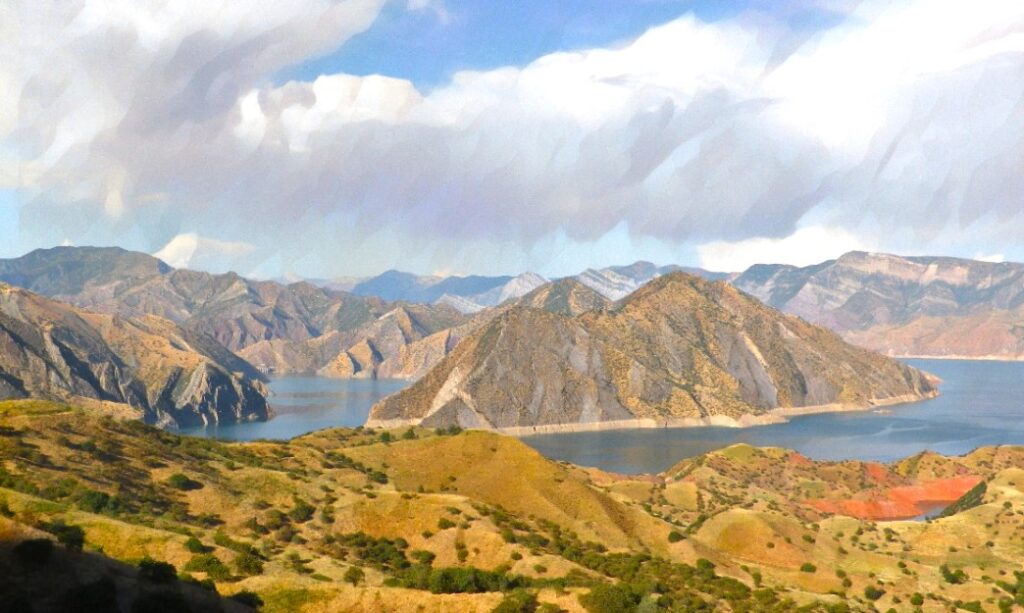
By August, the dam had reached a height of about 190 meters. About 145 meters remain before it reaches its planned height of 335 meters, according to Italian construction group Webuild, one of the main contractors on the project. Two generating units are already producing electricity while construction continues, with their output expected to increase as the reservoir level rises.
The World Bank currently puts planned capacity at 3,780 MW and expects the plant to be fully operational in 2033. It estimates annual generation at about 14.4 billion kWh.
Rogun is intended to reduce Tajikistan’s chronic winter electricity shortages and increase power exports. The World Bank expects electricity from Rogun to be exported to Kazakhstan and Uzbekistan. Hydropower could also help balance fluctuations in growing solar and wind generation across the region.
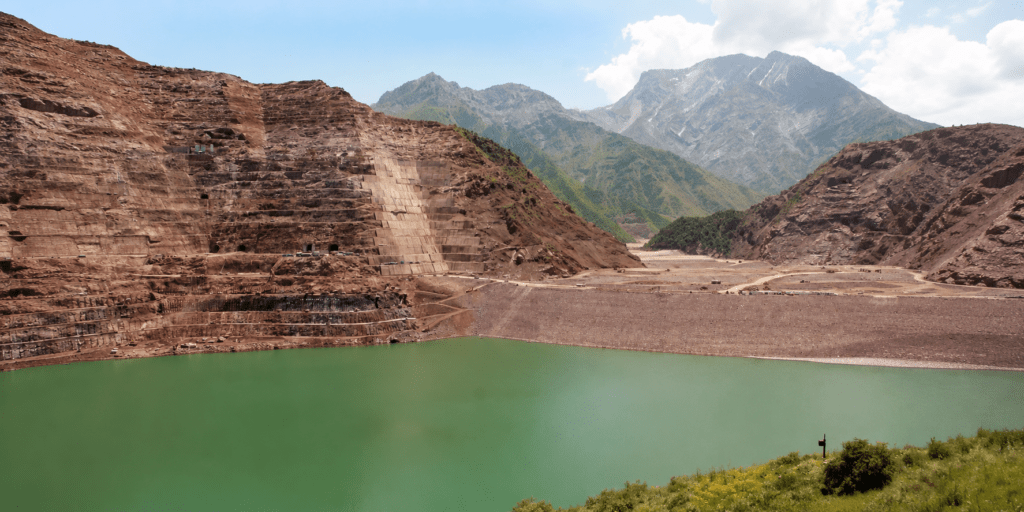
Rogun is being built on the Vakhsh River, which joins the Panj to form the Amu Darya. Reservoir filling therefore also concerns downstream Uzbekistan and Turkmenistan, where Amu Darya water is extensively used for agriculture.
The environmental coalition Rivers without Boundaries has criticized the project’s impact assessments, arguing that they rely on outdated data and do not adequately account for climate change or the project’s wider effects across the basin.
The World Bank says Tajikistan must comply with regional water-sharing arrangements. Reservoir filling is expected to proceed gradually through 2039, with compliance monitored throughout the project.
In September, the World Bank also published new resettlement and livelihood restoration documents for communities affected by construction and the expanding reservoir.
The Times of Central Asia previously reported on the expansion of international financing for Rogun after Italy committed $150 million to the project.