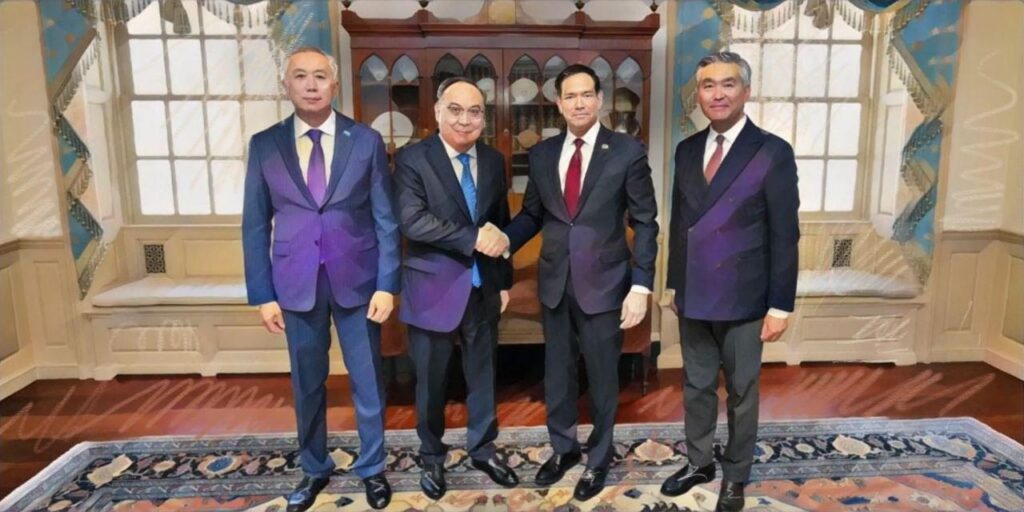
ASTANA (TCA) — The Strategy for the development of the international transport corridor Europe-Caucasus-Asia (TRACECA) for 2016-2026 was adopted on June 1 during the Twelfth Annual Meeting of the Intergovernmental Commission (IGC) TRACECA held in Odessa (Ukraine), the official website of the Prime Minister of Kazakhstan reported.
The meeting discussed development of the international transport corridor TRACECA, measures to implement the Concept of development of international road transport, and increasing the attractiveness and competitiveness of TRACECA routes.
“One of the most pressing issues on the agenda was the approval of the Strategy for the development of the international transport corridor Europe-Caucasus-Asia for 2016-2026. The strategy provides for a sustainable multi-modal network, facilitating the smooth and uninterrupted movement of goods, making full use of the transit potential of the corridor, increase the role and function of the TRACECA corridor as an important alternative to other international transport corridors,” the Ministry for Investment and Development of Kazakhstan said.
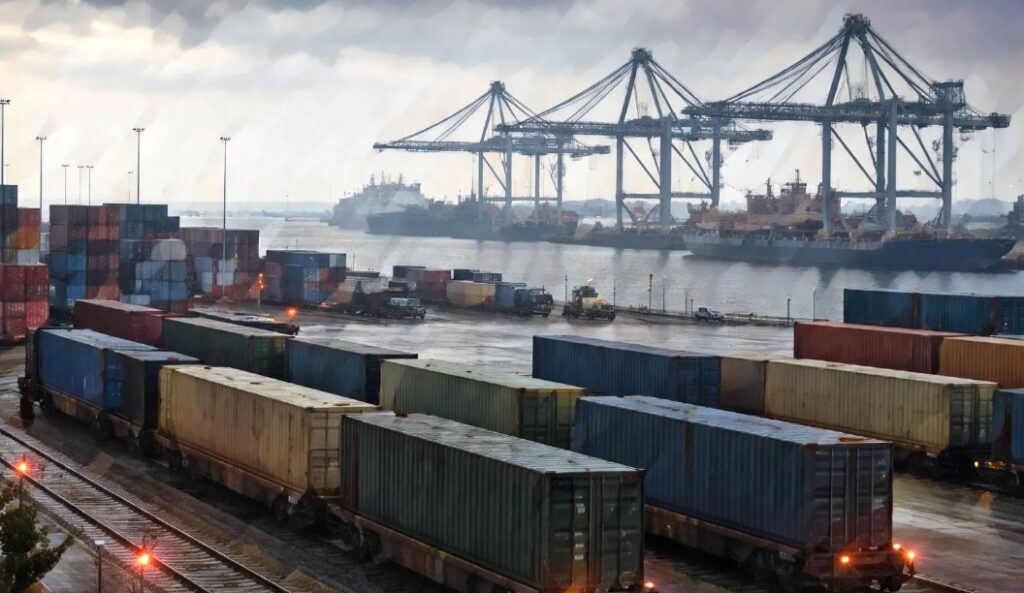
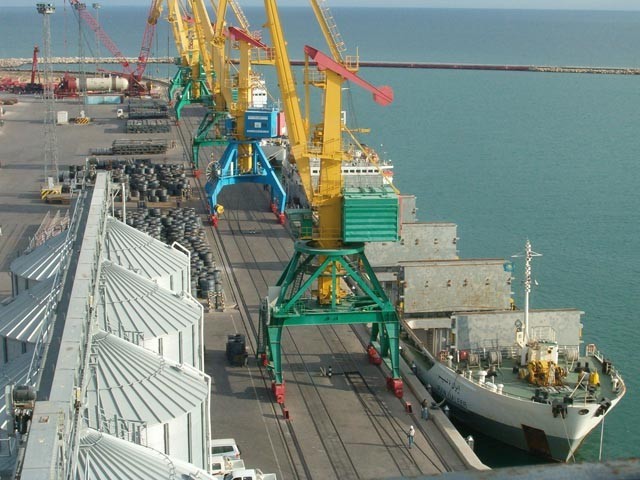
In Kazakhstan, in the framework of the Nurly Zhol program, large-scale infrastructure projects were launched in 2015 to develop the Trans-Caspian route. In particular, three new dry port terminals were built in Aktau seaport on the Caspian Sea coast and a ferry complex is being built in the port of Kuryk. It is planned to increase the capacity of the port up to 25 million tons per annum by 2020. In addition, within the framework of the Coordination Committee of the Trans-Caspian international transport route, container trains have been organized along the routes China-Kazakhstan-Azerbaijan-Georgia-Turkey and also from China through Kazakhstan to Iran.
TRACECA Programme was initiated in 1993, involving Ministries of Trade and Transport from 8 countries: Armenia, Azerbaijan, Georgia, Kazakhstan, Kyrgyzstan, Tajikistan, Turkmenistan and Uzbekistan. They adopted the Brussels Declaration, to give rise to implementation of the interregional programme of technical assistance TRACECA, financed from the European Union and aimed at the development of the transport corridor from Europe, crossing the Black Sea, Caucasus, the Caspian Sea and reaching the Central Asian countries.
In 1996-1998, Ukraine, Mongolia and Moldova joined the Programme.
At the First Annual Meeting of IGC TRACECA in Tbilisi, in March 2000, Bulgaria, Romania and Turkey officially applied to the European Commission with a request to join TRACECA Programme and as a result have become members of the Basic Multilateral Agreement of the international transport on development of the Europe-Caucasus-Asia corridor (MLA).
In July 2009, Iran accessed to the MLA TRACECA, and on the outcomes of the Seventh meeting of the IGC TRACECA, in June 2009, the status of observer in the IGC was granted to Lithuania.