An 1853 map of the Aral Sea, published in the Journal of the Royal Geographical Society, depicts the vast inland water body at a time when it was near its historical peak. The engraving, created by German cartographer August Petermann, was based on findings from a scientific expedition conducted in 1848-1849, according to historical materials referenced in the project.
The expedition, led by Russian naval officer Alexey Butakov, produced one of the first detailed studies of the Aral Sea. Researchers measured its depth, mapped its coastline, and documented its islands, providing a comprehensive picture of a body of water that would later become a symbol of environmental degradation.
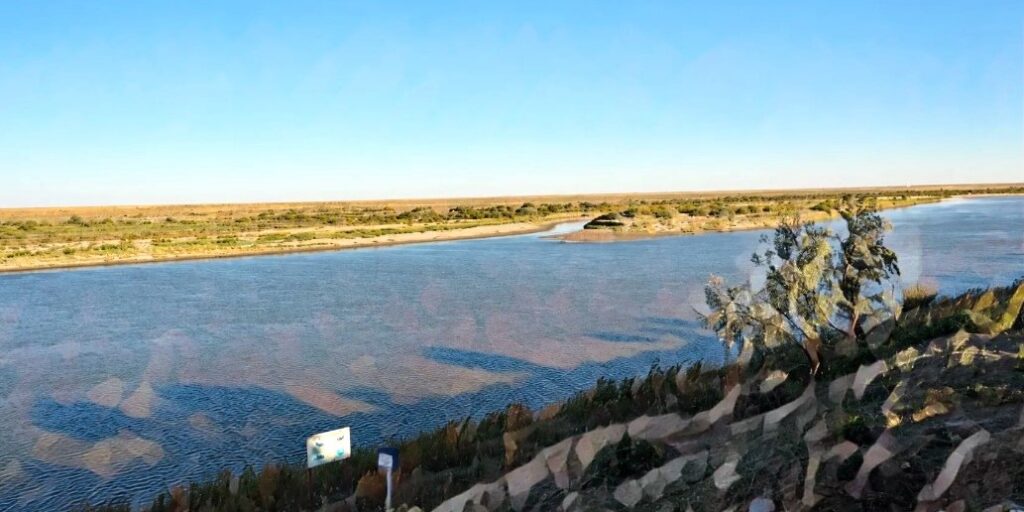
Although widely referred to as a sea, the Aral is in fact a lake. In the 20th century, it ranked as the world’s fourth-largest lake. Scientific evidence suggests it formed around 17,600 years ago as a result of glacial melt. Initially freshwater, it became increasingly saline over time, while its water levels fluctuated over centuries.
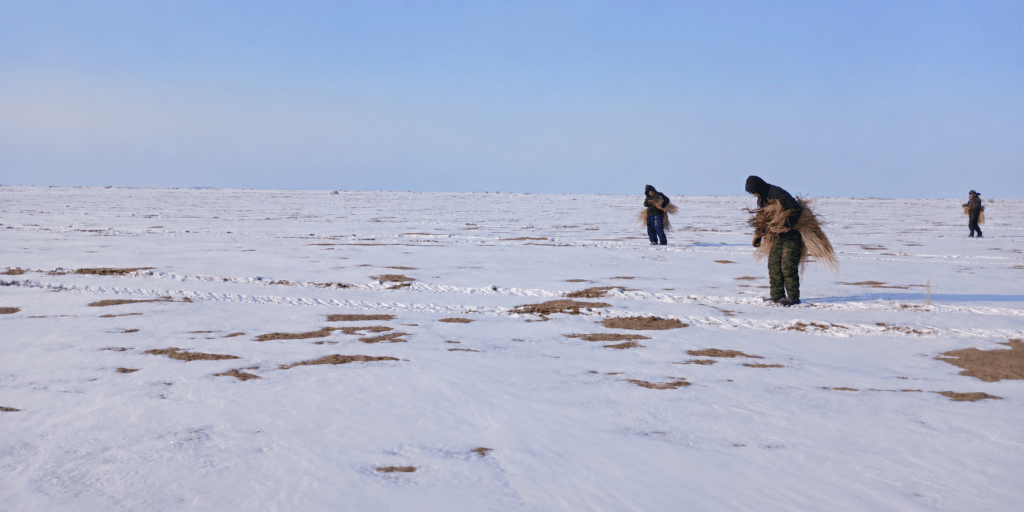
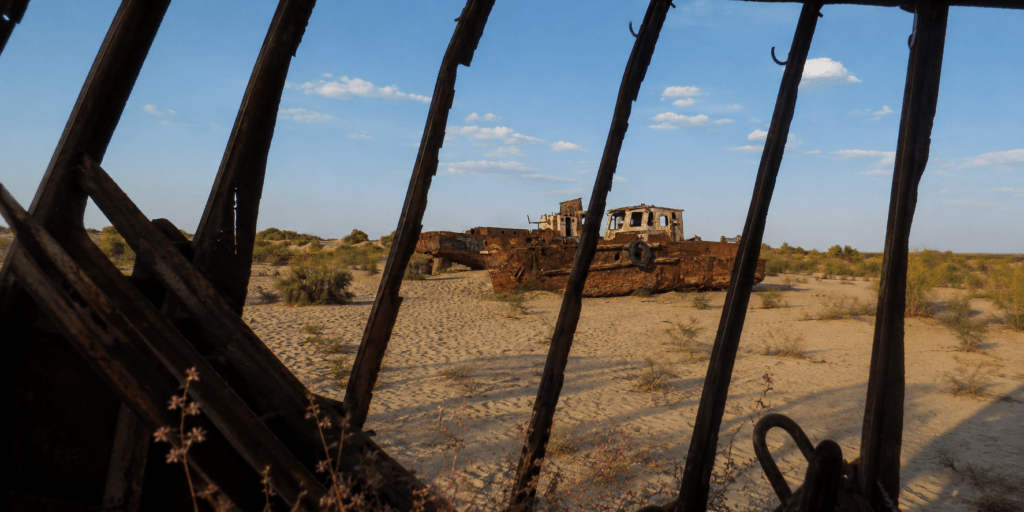
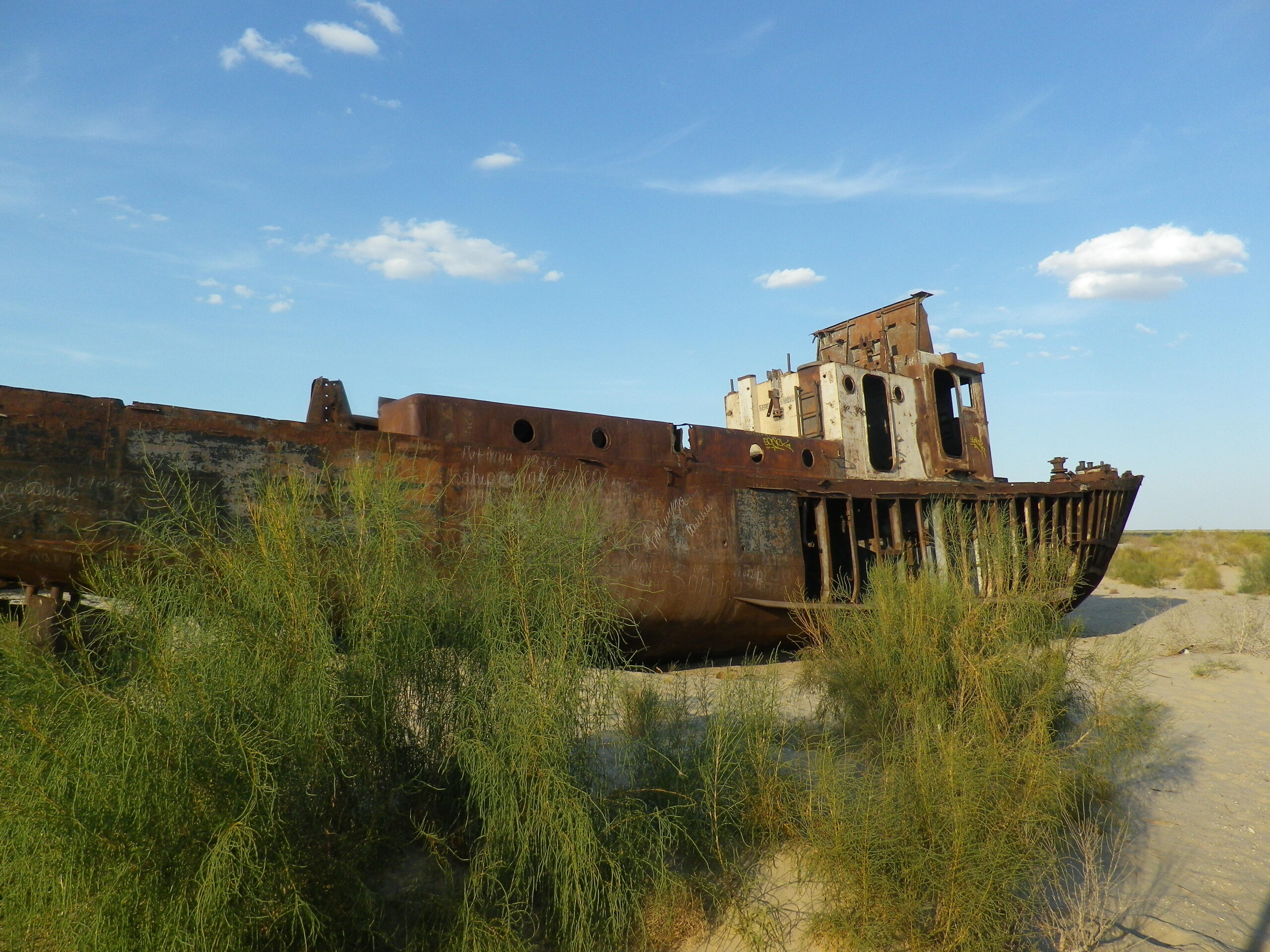
From the 1960s, however, the lake began to shrink rapidly. Large-scale irrigation projects diverted water from the Amu Darya and Syr Darya rivers, primarily for cotton cultivation. Over the following decades, the Aral Sea lost more than 90% of its volume, transforming much of the region into desert and salt plains, and severely disrupting ecosystems and local livelihoods.
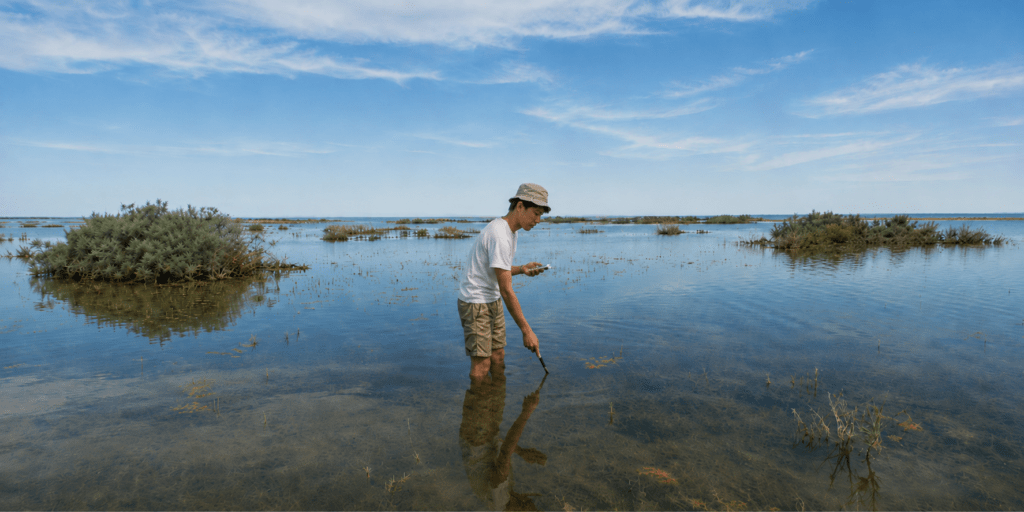
In 1989, the lake split into two separate bodies. The southern part, largely located in Uzbekistan, has almost completely dried up, forming the Aralkum Desert. The northern section has shown some stabilisation, supported in part by infrastructure such as the Kokaral Dam.
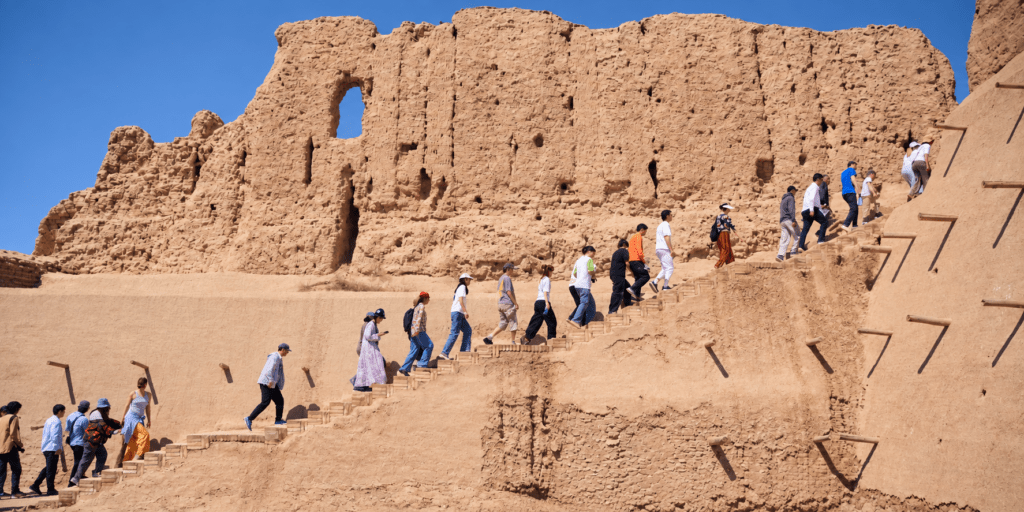
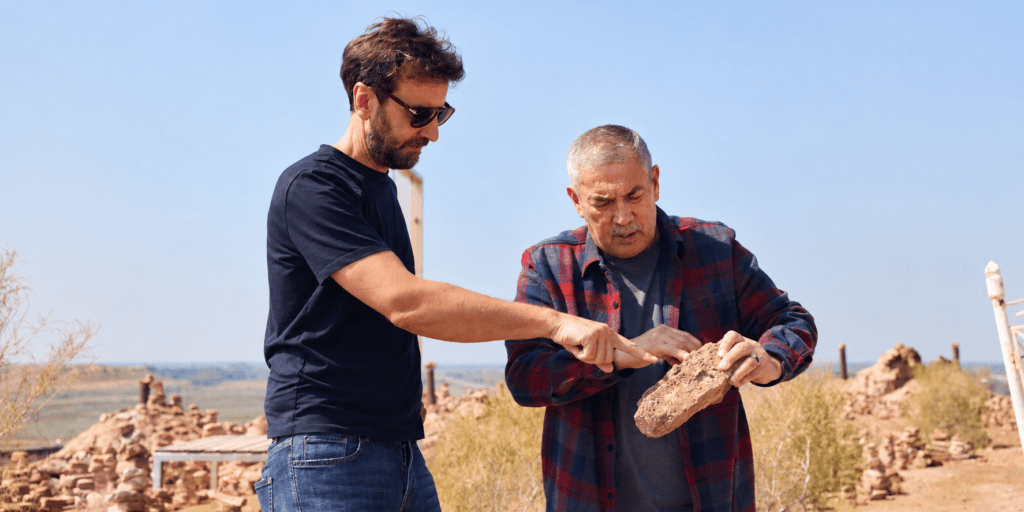
This transformation, and its historical context, will be explored in Uzbekistan’s cultural exhibition When Apricots Blossom, which draws on archival materials and contemporary interpretation. The exhibition takes its name from a poem by Hamid Olimjon, written in the 1930s, symbolising hope and renewal.
According to organisers, the project will combine history, art, and environmental reflection to present the story of the Aral Sea to an international audience. The exhibition will run from April 20 to 26, at Palazzo Citterio in Milan’s Brera district as part of Milan Design Week.