Tajikistan will require approximately $6.5 billion to implement its 2026-2030 Energy Sector Development Program, with funding expected from a combination of external and internal sources, including international partners and the state budget.
Planned funding sources include:
- Development partners: $3.94 billion
- Private investment: $2.56 billion
- The state budget, primarily to finance the ongoing construction of the Rogun Hydropower Plant (HPP), which is supported annually through a dedicated budget line.
In 2025 alone, more than $970 million was allocated from the state budget to the Rogun project, accounting for roughly 20% of all approved treasury expenditures.
Support for Tajikistan’s fuel and energy complex remains one of the top budgetary priorities. The draft state budget for 2026 earmarks $1.61 billion for the sector, equivalent to 22.4% of total planned expenditures.
The program will primarily focus on large-scale hydropower development. In parallel, the government aims to expand renewable energy capacity. Solar power plants with a combined capacity of 1.5 GW are planned for construction in the Sughd and Khatlon regions. Authorities also plan to explore the potential for wind energy.
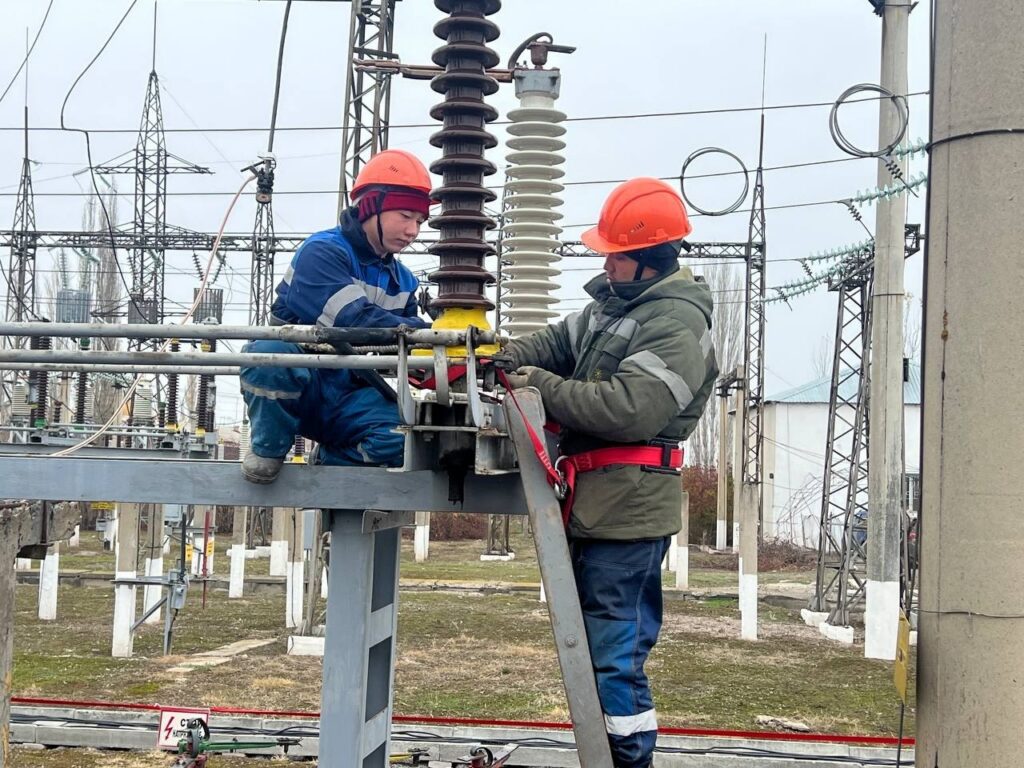
Another key objective is increasing electricity exports and contributing to frequency regulation within Central Asia’s regional power networks. Achieving this will require infrastructure upgrades, including construction of the Rogun-Saihun 500 kV transmission line and the modernization of existing substations.
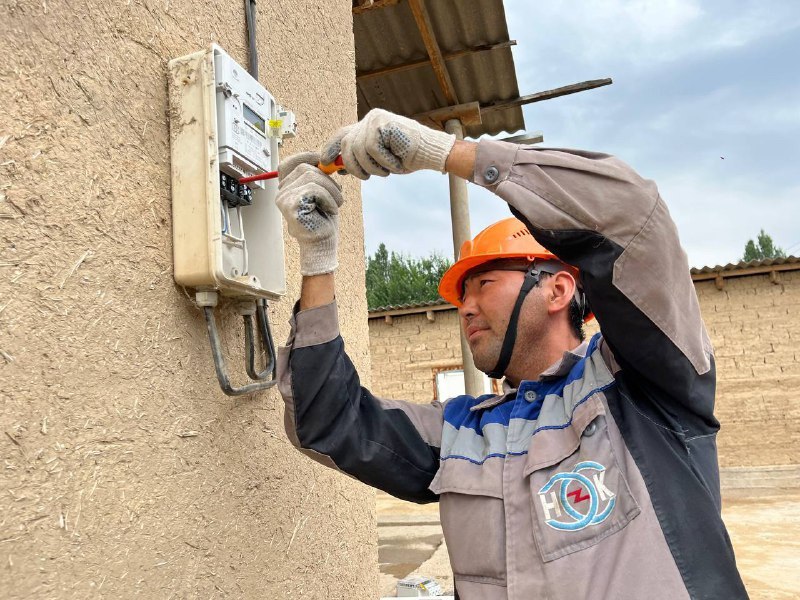
Domestically, the program calls for the replacement of outdated equipment, renovation of distribution networks, and the installation of smart meters to enhance energy reliability and efficiency.