• KGS/USD = 0.01144 0%
  • KZT/USD = 0.00214 0%
  • TJS/USD = 0.10508 0.48%
  • UZS/USD = 0.00008 0%
  • TMT/USD = 0.28571 0%
  • KGS/USD = 0.01144 0%
  • KZT/USD = 0.00214 0%
  • TJS/USD = 0.10508 0.48%
  • UZS/USD = 0.00008 0%
  • TMT/USD = 0.28571 0%
  • KGS/USD = 0.01144 0%
  • KZT/USD = 0.00214 0%
  • TJS/USD = 0.10508 0.48%
  • UZS/USD = 0.00008 0%
  • TMT/USD = 0.28571 0%
  • KGS/USD = 0.01144 0%
  • KZT/USD = 0.00214 0%
  • TJS/USD = 0.10508 0.48%
  • UZS/USD = 0.00008 0%
  • TMT/USD = 0.28571 0%
  • KGS/USD = 0.01144 0%
  • KZT/USD = 0.00214 0%
  • TJS/USD = 0.10508 0.48%
  • UZS/USD = 0.00008 0%
  • TMT/USD = 0.28571 0%
  • KGS/USD = 0.01144 0%
  • KZT/USD = 0.00214 0%
  • TJS/USD = 0.10508 0.48%
  • UZS/USD = 0.00008 0%
  • TMT/USD = 0.28571 0%
  • KGS/USD = 0.01144 0%
  • KZT/USD = 0.00214 0%
  • TJS/USD = 0.10508 0.48%
  • UZS/USD = 0.00008 0%
  • TMT/USD = 0.28571 0%
  • KGS/USD = 0.01144 0%
  • KZT/USD = 0.00214 0%
  • TJS/USD = 0.10508 0.48%
  • UZS/USD = 0.00008 0%
  • TMT/USD = 0.28571 0%

Life Expectancy in Kazakhstan Reaches Record High

Life expectancy in Kazakhstan has reached 75.97 years, setting a record for the entire period of independence, according to the Ministry of Health.

For comparison, in 1991 the figure stood at 67.6 years; in 2001 it fell to 65.6 years; in 2011 it rose to 68.98 years; and in 2021 it reached 70.23 years. Overall, life expectancy has increased by more than eight years over the past three decades.

The ministry attributes this growth largely to measures aimed at combating noncommunicable diseases. In 2025, Kazakhstan ranked among the top ten countries in the European Region of the World Health Organization for reducing mortality from such diseases by 25%.

According to the ministry, a systematic approach to prevention, early diagnosis, and treatment of chronic conditions has underpinned this positive trend.

The government is also implementing a healthcare development strategy through 2029, which aims to raise life expectancy to 77 years.

The strategy includes measures to strengthen primary healthcare, introduce digital solutions, develop human resources, and advance medical science. Priorities include reducing premature mortality from cardiovascular and oncological diseases, diabetes, and chronic respiratory conditions.

The plan was developed with the participation of international organizations, including UNICEF and United Nations Population Fund.

The Times of Central Asia previously reported that Kazakhstan became the first country in the region to meet its targets for reducing premature mortality from noncommunicable diseases.

At the same time, rising life expectancy is accompanied by demographic shifts. According to Kazakhstan’s Unified Accumulative Pension Fund, by 2050 approximately 19% of the population will be of retirement or pre-retirement age.


Turkmenistan Ranked Last Among Central Asian Countries in Internet Freedom Index

According to a report by Cloudwards, a portal focused on technology and internet security, Turkmenistan scored just 16 out of 100 points for internet freedom in 2026, placing it among the countries with the lowest levels of online freedom. The authors note that significant internet censorship persists in the country.

Compared with its regional neighbors, Turkmenistan’s score is among the lowest. Uzbekistan received 24 points, Kazakhstan 35, and Kyrgyzstan 52, while Tajikistan ranked highest in Central Asia with 56 points. The gap reflects varying levels of access to information and differing degrees of online restrictions across the region.

In a global context, the disparity is even more pronounced. North Korea received the lowest possible score of 0. The report describes it as a country where most residents have no access to the global internet, with only a limited group permitted to use a heavily restricted internal network.

Countries ranking only slightly higher include Russia, Pakistan, Iran, and China, each scoring 4 points. None is classified as fully free under the report’s criteria. According to the study, platforms such as X, Facebook, YouTube, and TikTok are blocked or have at times been restricted in these countries.

The report also highlights that in some cases, restrictions are more flexible in nature. For example, in China, access to VPNs and social media is not entirely prohibited but is tightly controlled, with users largely limited to approved platforms. Expressing politically sensitive views can lead to serious consequences.

Turkmenistan is grouped alongside India, Myanmar, and Bangladesh, all of which scored between 12 and 20 points. In these countries, the report notes significant censorship and restricted access to information.

At the other end of the ranking are Belgium, East Timor, Denmark, Iceland, Costa Rica, Liechtenstein, New Zealand, Norway, Slovakia, Suriname, and Finland, each with a score of 92. No country achieved a perfect score of 100.

The study assessed internet freedom across several criteria, including access to torrents, adult content, political and social media platforms, and the ability to use VPN services.

“Although certain types of internet regulation, when implemented carefully, can help combat hate speech, protect vulnerable groups, and limit the spread of harmful misinformation, in many countries, censorship has been taken to extremes,” the report’s authors state.

They add that residents of countries with strict internet controls are effectively deprived of full access to information. This has implications not only for freedom of expression but also for education, technological development, and innovation. In some cases, the consequences can be more severe, including imprisonment for online speech.

Uzbekistan Officials Intervene Over Wage Delays for Migrant Workers in Russia

Uzbek diplomats and migration officials have intervened to resolve wage disputes affecting dozens of Uzbek citizens working in Russia’s Tyumen region, according to a report by Dunyo Information Agency.

Representatives of Uzbekistan’s Consulate General in Yekaterinburg, together with officials from the Migration Agency, traveled to the city of Tobolsk, where they met with more than 100 Uzbek citizens working temporarily for local companies. The delegation organized an on-site reception, providing legal and consular assistance and clarifying issues related to passport processing and compliance with migration laws.

During the meetings, officials also warned workers about the risks of engaging with illegal or extremist groups and reminded them that joining private military companies could lead to criminal liability.

A key issue raised during the visit was delayed wage payments. Authorities found that a subcontractor had failed to pay salaries for February and March to 26 Uzbek workers. Following negotiations involving the main contractor and the employer, the companies acknowledged the debt and agreed to settle it.

As a result, approximately 2 million rubles (about $24,945) in wages have been accrued and are expected to be transferred to the workers’ bank accounts in the coming days. In addition, the employers committed to repaying outstanding wages to around 80 other Uzbek citizens who had previously left the company without receiving full payment.

Officials also inspected living and working conditions and held discussions with employers aimed at preventing similar cases in the future. According to Dunyo, Uzbekistan’s government considers the protection of its citizens abroad and ensuring fair pay for their work a priority.

Such outreach visits and rapid interventions are seen as an important tool for strengthening legal protections for Uzbek migrant workers in Russia and addressing their concerns directly on the ground.

As previously reported by The Times of Central Asia, Russia expressed its readiness to facilitate the transfer of more than 3,000 Uzbek prisoners to serve their sentences in Uzbekistan, although the process remains constrained by legal limitations.

Convicted Crocus City Hall attack Defendant Found Dead in Moscow Detention Center

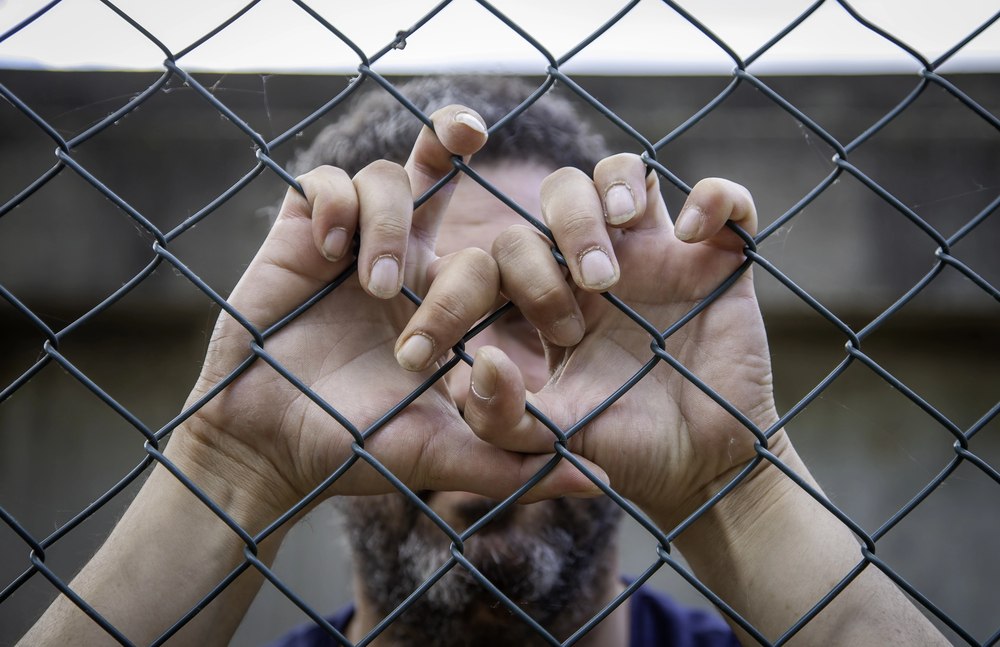
A man sentenced to life imprisonment in connection with the deadly attack at the Crocus City Hall concert venue near Moscow has died in pretrial detention. Russian authorities said the death is being treated as a suicide. The development was reported by RBC, citing the Federal Penitentiary Service.

In a statement reported by RBC, officials said the incident occurred at the Matrosskaya Tishina detention center in Moscow. Medical staff attempted resuscitation, but the efforts were unsuccessful. Authorities added that an internal review has been launched, with results expected in due course.

Due to personal data protection laws, officials initially withheld the identity of the deceased. However, RBC later reported, citing a lawyer representing victims, that the individual was Yakubjoni Davlatkhon Yusufzoda, a citizen of Tajikistan who had been convicted and sentenced to life imprisonment earlier in March.

The case is linked to the high-profile Crocus City Hall attack in March 2024, which resulted in multiple casualties and drew widespread international attention. According to Russia’s Investigative Committee, Yusufzoda was accused of assisting those involved in the attack, including facilitating financial transfers before and after the incident. He was detained in late March 2024 during a law enforcement operation and later charged under terrorism-related provisions of the Russian Criminal Code.

RBC also reported that another defendant in the same case, Jabrail Aushev, had previously attempted self-harm but was prevented by detention center staff. Authorities said reports of a new incident involving Aushev on the same day were inaccurate.

Earlier in March, the Western District Military Court sentenced several individuals identified as direct perpetrators of the attack to life imprisonment, along with others described by investigators as accomplices. Both the defense and victims’ representatives have since appealed the verdict, arguing that the sentences were, respectively, too severe and too lenient.

Saryagash Bypass Road to Improve Kazakhstan–Uzbekistan Transport Links

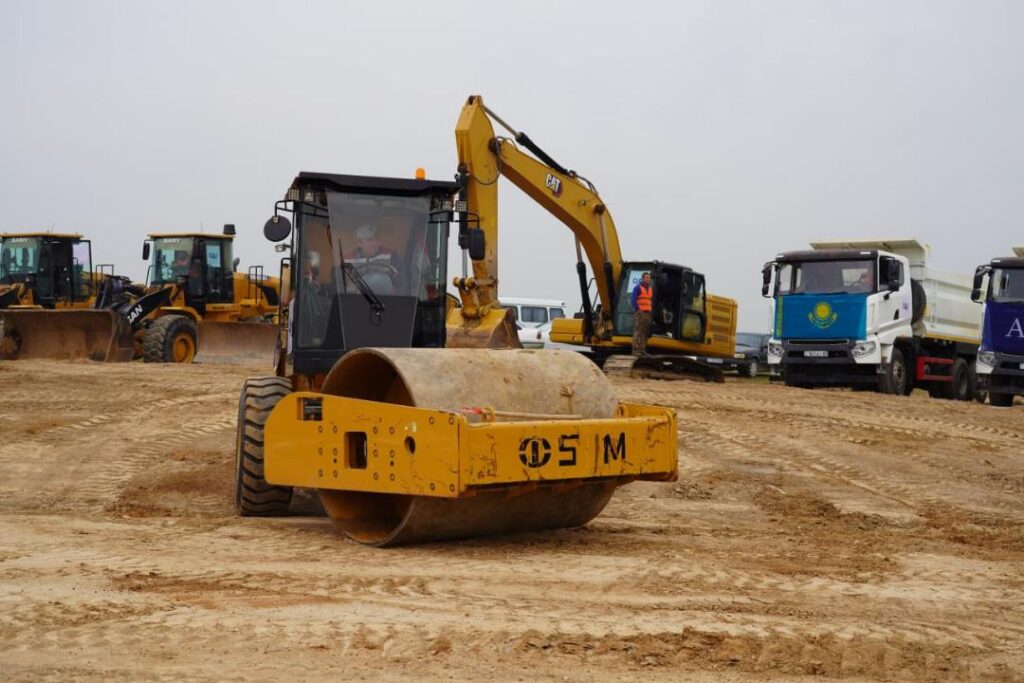
Kazakhstan has begun construction of a new highway bypassing the city of Saryagash in the Turkistan region. The project is expected to improve transport links in southern Kazakhstan and support transit along international routes.

Saryagash is located in southern Kazakhstan near the Kazakh-Uzbek border, approximately 20 km from Tashkent, the capital of Uzbekistan.

The Saryagash Bypass Road is designed to redirect transit traffic away from urban areas, reduce congestion within the city, shorten travel times, and facilitate faster passenger and cargo movement toward Uzbekistan.

The project involves the construction of a 102.6 km modern four-lane highway, aimed at supporting cross-border trade and reinforcing the Turkistan region’s role as a key transport hub on international corridors.

In September 2025, the Asian Development Bank (ADB) approved a sovereign-guaranteed loan of $400 million to KazAvtoZhol National Company for the construction of the bypass road.

“The Saryagash Bypass Road will strengthen Kazakhstan’s trade and transport links within the region and with external markets in East Asia and Western Europe, helping unlock the country’s potential as a key transit hub,” said Utsav Kumar, ADB Country Director for Kazakhstan. “The project will contribute to the economic development of the Turkistan region by improving access to larger markets, reducing congestion, creating jobs, and promoting tourism.”

The highway will improve links between Central Asia Regional Economic Cooperation (CAREC) Corridors 3 and 6, key trade routes connecting Kazakhstan with neighboring countries. The CAREC Program, supported by the Asian Development Bank, brings together regional countries and development partners to promote economic growth and sustainable development.

In addition to the bypass project, road network modernization is ongoing in the Turkistan region, according to the Ministry of Transport. Five road repair projects with a combined length of 99.2 km are currently underway, including the reconstruction of interchanges and bridges on key routes connecting Kazakhstan with neighboring states.

These initiatives are expected to increase transit capacity and improve cross-border transport flows.

Kyrgyzstan Faces Elite Realignment as Tashiyev Network Comes Under Pressure

In the last week, political tensions in Kyrgyzstan have risen following the arrest of Shairbek Tashiyev, the brother of Kamchybek Tashiyev, the former head of the State Committee for National Security (GKNB). Shairbek, a former member of the Jogorku Kenesh, Kyrgyzstan’s parliament, was detained on April 1 following questioning at the Ministry of Internal Affairs.

The case unfolds against the backdrop of a widening rift between President Sadyr Japarov and his once long-time ally Tashiyev, who played a key role in helping Japarov consolidate power following the political upheaval of October 2020. After coming to power, President Japarov and Tashiyev built one of the most consolidated political tandems in Kyrgyzstan’s post-Soviet history, concentrating authority across the presidency, parliament, and security structures.

In February, Tashiyev was removed from his position, followed by what observers described as a broader sidelining of his allies within security structures and parliament. This fueled speculation about a breakdown in the political partnership that had underpinned relative stability in recent years.

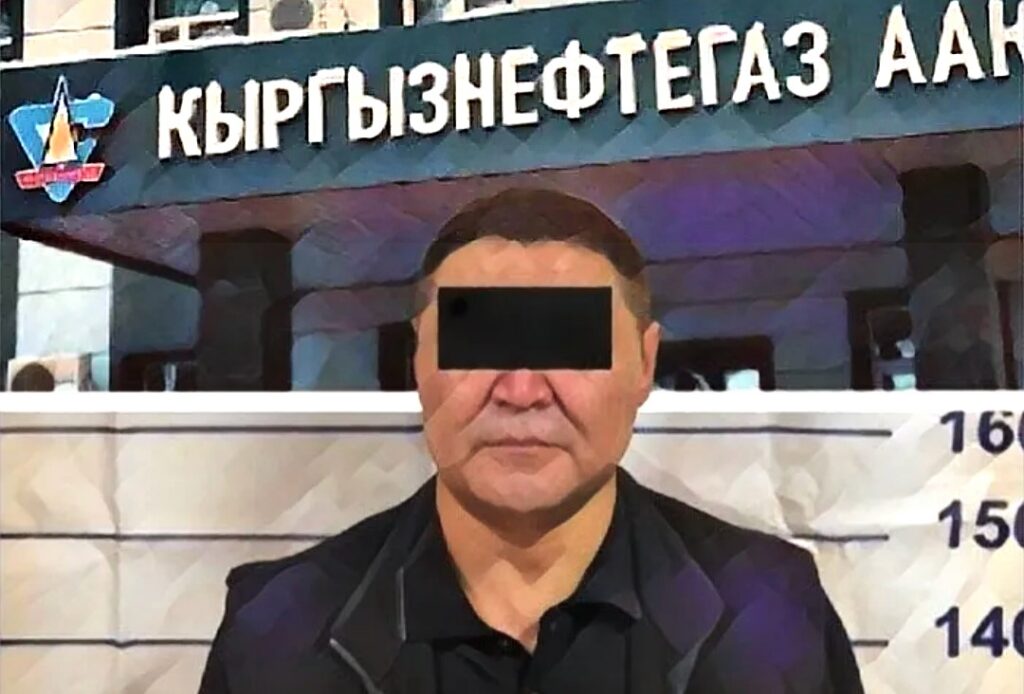
Shairbek Tashiyev is now a central suspect in a corruption investigation involving the state-owned company Kyrgyzneftegaz. The Ministry of Internal Affairs announced the criminal case on March 17, following materials released by the State Tax Service alleging financial misconduct within the company.

According to investigators, former executives of Kyrgyzneftegaz and affiliated private entities were detained shortly after the case was opened. A criminal case was initiated under Article 336 of the Criminal Code, alleging “Corruption.”

Among those detained was former National Bank head Melis Turgunbayev, whose pretrial detention was later changed to house arrest by a court in Bishkek.

It later emerged that another of those initially detained was Baigazy Matisakov, identified as a nephew of Kamchybek Tashiyev. He was subsequently released after reportedly reaching an agreement with investigators.

On April 2, a court ordered Shairbek Tashiyev to remain in custody until May 16, 2026. His lawyer stated that he denies the charges and considers them unfounded.

The investigation, led by the State Tax Service and the Ministry of Internal Affairs, covers Kyrgyzneftegaz’s operations from 2021 to 2025. Authorities allege total financial violations amounting to 4.1 billion soms (approximately $46.5 million), including lost profits and unpaid taxes.

Investigators have outlined three main alleged schemes that they are continuing to investigate. The first involved intermediary companies allegedly linked to individuals close to the Tashiyev family, which resold oil to the Kyrgyz Petroleum Company refinery. The second involved the write-off of raw materials, with around 20,000 tons of oil reportedly classified as “technological losses” beyond established norms. The third concerned preferential sales, with diesel and fuel oil allegedly sold at below-market prices to favored companies.

The case is being watched closely in Kyrgyzstan, where elite reshuffles have historically signaled broader political realignments rather than isolated legal actions.

It remains unclear whether the investigation will expand further and implicate additional individuals connected to Tashiyev or what the potential impact could be on the broader political environment within the country.