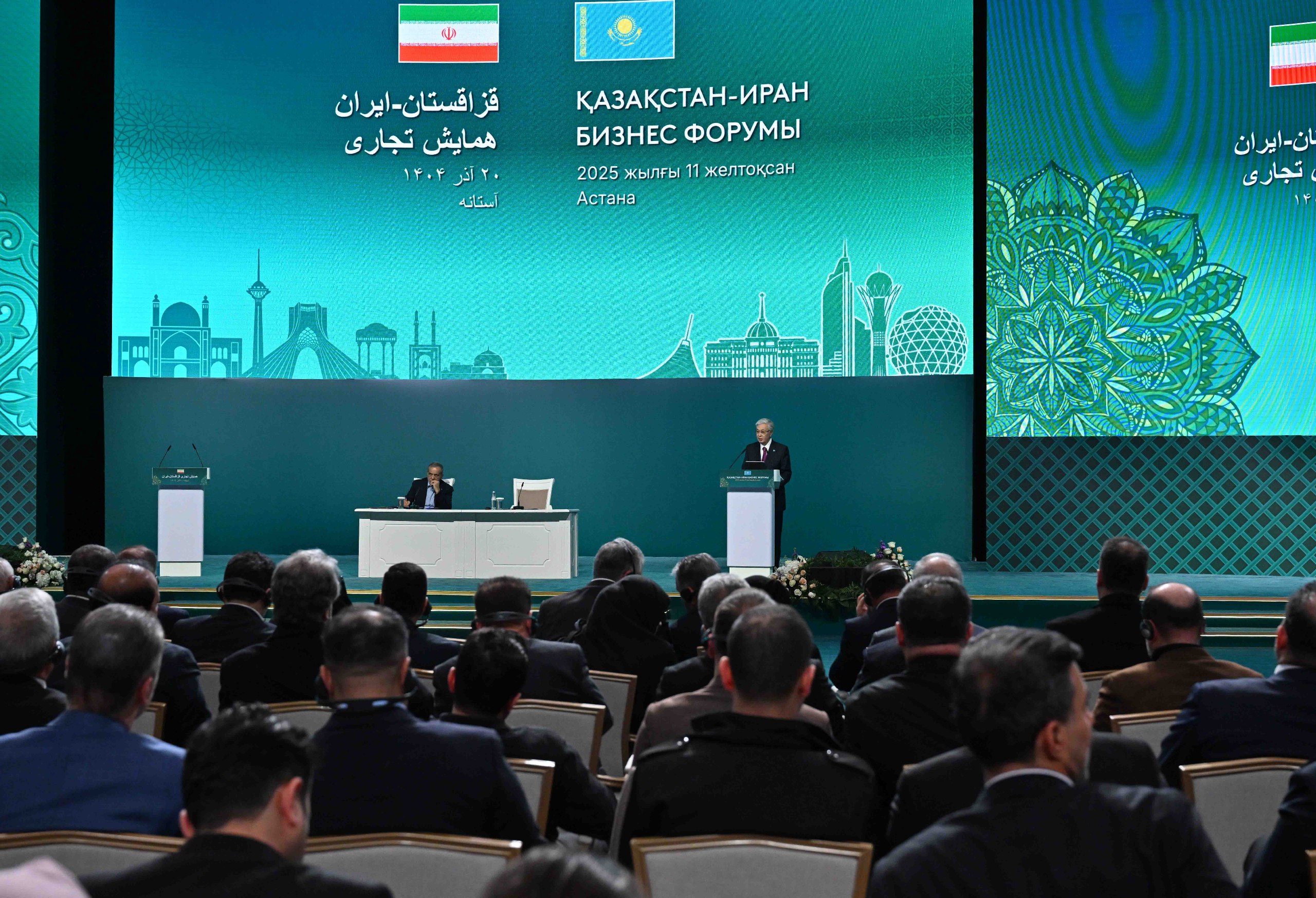
Kazakhstan and Iran have announced plans to significantly deepen economic cooperation, aiming to triple bilateral trade turnover to $1 billion in the coming years. The announcement was made by Kazakh President Kassym-Jomart Tokayev during the Kazakh-Iranian business forum, held as part of the official visit of Iranian President Masoud Pezeshkian to Astana.
According to Tokayev, mutual trade exceeded $340 million last year and is expected to “increase many times over” in 2024. The two countries have set an initial target of reaching $1 billion in trade, with an eventual goal of $2 billion, relying on expanded logistics and the establishment of sustainable supply chains. A key mechanism will be the opening of the Kazakhstan Trade House in Tehran, intended to facilitate systematic exports of Kazakhstani products.
Over the past two decades, Iran has invested more than $226 million in Kazakhstan’s economy, and more than 350 Iranian companies currently operate in the country. Tokayev emphasized Kazakhstan’s readiness to initiate new joint projects across sectors ranging from industry to agribusiness.
Strengthening corridors and access to the Persian Gulf
Tokayev highlighted the development of transport and logistics infrastructure as a primary enabler of increased trade. Kazakhstan, he noted, is a vital transit hub in Eurasia, with 85% of cargo between China and Europe passing through its territory.
Astana plans to construct a transport and logistics terminal at the port of Shahid Rajai, linking Kazakhstan’s ports of Aktau and Kuryk with the Iranian ports of Amirabad and Anzali. The Kazakh side also expressed readiness to integrate the ports of Bandar Abbas and Chabahar into the regional supply chain.
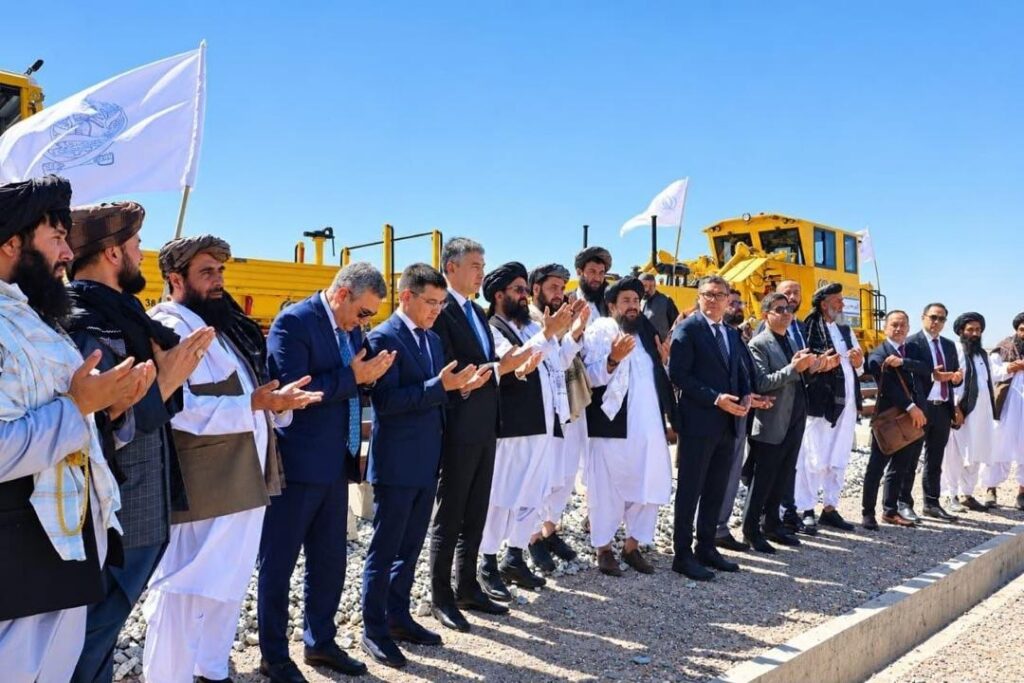
The Kazakhstan-Turkmenistan-Iran railway plays a central role in these plans. Traffic volumes along this corridor are expected to double by 2030, delivering a substantial boost to regional trade and industrial development.
Key market for Kazakh grain
Iran remains a key buyer of Kazakh grain. In the first 10 months of 2024 alone, exports reached $280 million. Total agricultural trade between the two countries stood at $220 million in 2023, underscoring the sector’s growth potential.
Iran’s Solico Group plans to build a dairy plant with an annual capacity of 200,000 tons and launch baby food production. Meanwhile, Kourosh Food Industry is exploring opportunities to establish vegetable oil plants and poultry farms.
Kazakhstan, in turn, is inviting Iranian investors to participate in modern manufacturing projects and develop export-oriented supply chains.
A shared challenge: the declining Caspian Sea
The environmental situation in the Caspian region was another key topic of discussion. Falling sea levels are already affecting port operations, logistics, and fish stocks. Tokayev called for the creation of an intergovernmental program to preserve the Caspian Sea and urged greater involvement from international organizations.
Kazakhstan intends to take part in the upcoming VII Caspian Summit in Tehran and has proposed hosting the IV Caspian Economic Forum within the next two years.
Pezeshkian noted that the private sector has already identified promising areas for collaboration from the creation of a joint shipping consortium on the Caspian to the development of mineral projects and the opening of an export park for Iranian building materials in Almaty.
As previously reported by The Times of Central Asia, regular container traffic has now been launched between Russia and Iran via Kazakhstan and Turkmenistan, further enhancing regional trade connectivity.