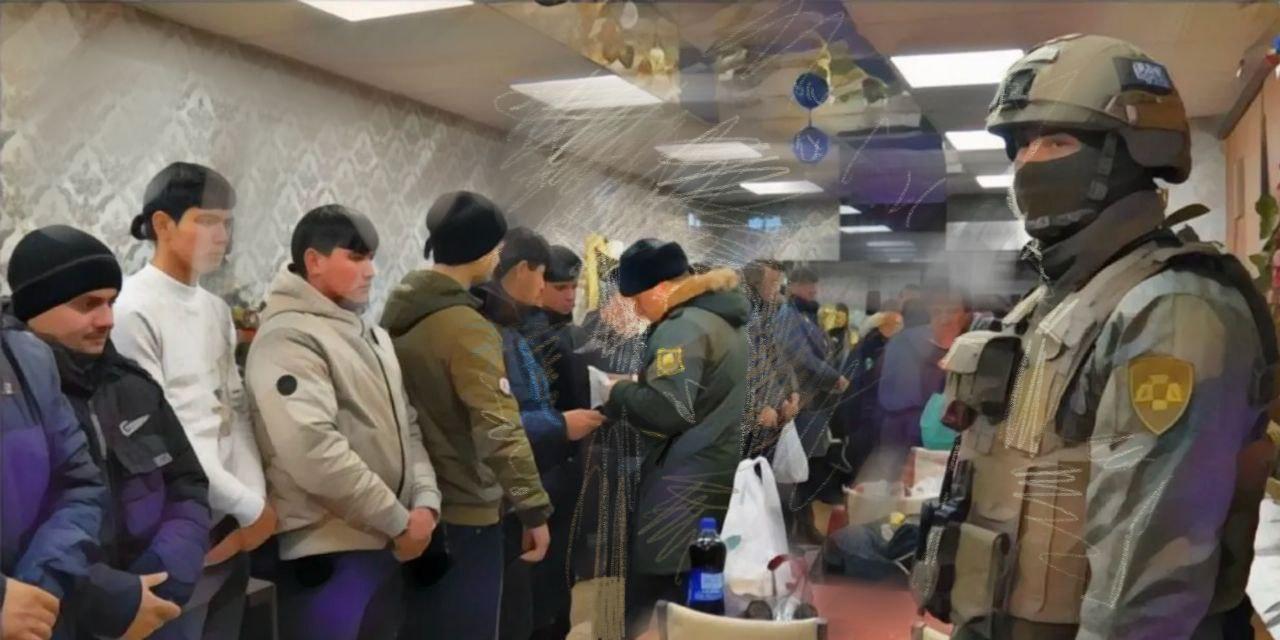
Russian security forces reportedly carried out a raid on a café in Khabarovsk in mid-December 2025, during which several Central Asian migrants were allegedly beaten. According to information circulated on social media, two Uzbek citizens fell into a coma following the incident, and one of them subsequently died.
On January 2, Uzbekistan’s Ministry of Foreign Affairs announced it had sent a diplomatic note to Russia requesting an impartial and lawful investigation. The ministry also said steps were being taken to repatriate the deceased’s body. However, it noted that the cause of death has not been officially confirmed, and reports of a second Uzbek in a coma remain unverified.
In response to the incident, Alisher Qodirov, member of parliament and leader of the Milliy Tiklanish (National Revival) Democratic Party, issued a stark warning to Uzbek migrants in Russia.
“Believe me, the situation will only get worse month by month,” Qodirov wrote on Telegram. “Russian security services see Central Asians as potential participants in future unrest, and they have already given up on any benefit migrants may bring… Use your common sense and leave Russia as soon as possible,” he added. “No income is worth the tears of your parents and children.”
As Russia’s war against Ukraine enters its fourth year, labor migrants remain among the most vulnerable and least protected groups affected by the conflict. Central Asian nationals, particularly Uzbeks, face increasing risks of coercion, legal jeopardy, and systemic abuse.
By July 2025, at least 902 Uzbek citizens were reported to have been recruited by Russia to fight in Ukraine. Independent monitors believe the true figure is considerably higher. In October 2025, the ‘I want to live’ project identified 2,715 Uzbek nationals who had participated in the conflict, including those recruited illegally, those who signed contracts, and ethnic Uzbeks already serving in the Russian military.
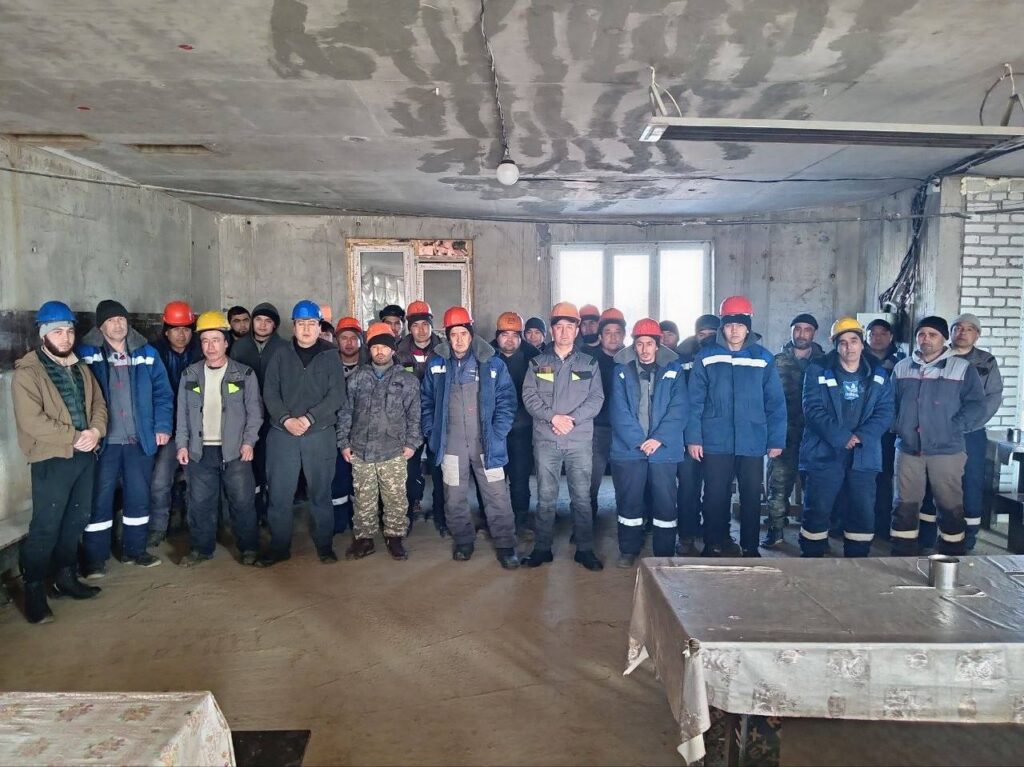
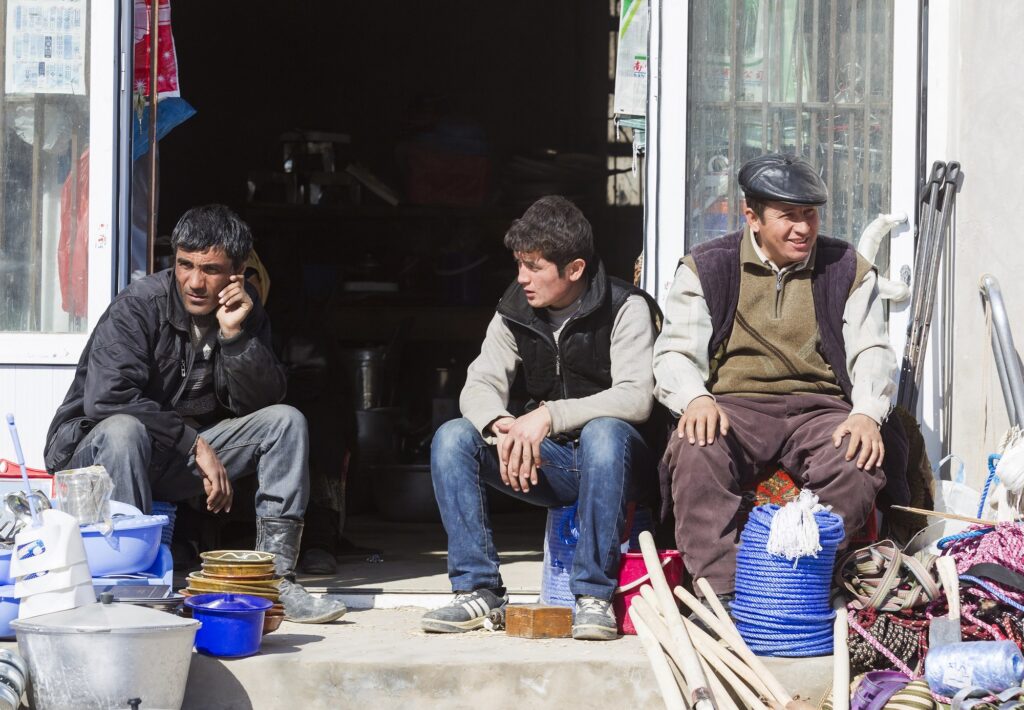
Despite this, Russia remains heavily reliant on migrant labor. As of September 1, 2024, nearly four million citizens from Central Asia were living in Russia. Of these, 1.79 million were from Uzbekistan, followed by significant numbers from Tajikistan, Kazakhstan, Kyrgyzstan, and Turkmenistan.
For Uzbekistan, the economic implications of growing pressure on migrants are profound. Remittances remain a cornerstone of the national economy. In the first half of 2025 alone, Uzbekistan received $8.2 billion in cross-border transfers, with 78% originating from Russia. Amid rising xenophobia and labor restrictions, economists warn that this dependence could have severe long-term consequences.
Economist Abdulla Abdukadirov, Doctor of Economic Sciences, said total remittances by year-end are expected to approach $20 billion.
“This is an extremely large sum,” Abdukadirov said at an offline session of the Fikrat analytical program, responding to a question from The Times of Central Asia. “If the state budget is around $28 billion, then nearly $20 billion in remittances reveals how dependent our economy is becoming on external sources.”
Abdukadirov warned that Uzbekistan is developing a dangerous structural dependency. “First, we’re becoming more reliant on external investments and borrowing,” he said. “Second, our dependence on cross-border remittances is deepening.”
According to Abdukadirov, roughly one-third of remittances, about $7-8 billion, is spent on current consumption. An additional $5-6 billion goes to goods purchases and supporting small businesses. The remainder is generally saved in banks and continues to circulate domestically.
“These transfers play a key role in sustaining overall demand,” he said. “They help maintain consumption levels.”
However, Abdukadirov cautioned that this model carries a high long-term cost. “We are gradually turning into a country that survives by exporting unskilled labor,” he told TCA.
Abdukadirov outlined three critical risks: growing exposure to external shocks, declining competitiveness of the domestic economy, and an entrenched dependency on exporting cheap labor. “This is a very serious threat,” he said, warning that while the inflow of money appears beneficial in the short term, the broader consequences are alarming.
Analysts and rights groups argue that migrants are increasingly treated as a potential military reserve. Some are enticed with financial incentives; others are coerced under threat of imprisonment. Despite repeated warnings from Uzbekistan’s Foreign Ministry that participation in the war could lead to criminal charges at home, many migrants feel compelled to go, driven by debt, poverty, and a lack of alternatives.
Political analyst Hamid Sodiq said the root of the problem predates the war. “This is not a new problem,” he told The Times of Central Asia. “Constructive preparation should have happened before the crisis began. Diversification should have started years ago. Once the problem starts, you can only deal with the consequences.”
Sodiq highlighted the vulnerability of migrants due to low education, poor language skills, and limited legal awareness. “They do not speak the language well. They don’t understand the political system. They can’t go to democratic countries because they lack the skills,” he said. “In this situation, the only thing we can realistically do is strengthen the information space and reach every migrant.”
He noted that interest in learning English has grown significantly since 2016. “You can see this in IELTS scores. Change takes time.”
Sodiq added that the government’s support for English education is driven more by economics than social goals. “It’s not promoting English because people love it. It’s doing so because migrants who know English earn more.”
Such migrants, he added, often work in safer conditions and return home healthier. “Otherwise, we’re talking about billions of dollars that look good today, but in ten years we’ll be facing a public health crisis with back injuries, hernias, or trauma.”
Individual cases reflect this systemic vulnerability. In December, Ukrainian blogger Dmytro Karpenko published an Instagram interview with a man claiming to be an Uzbek citizen. The man said he was falsely accused of drug trafficking in Russia, detained for six days, and tortured. He was allegedly offered a choice: fight in Ukraine for one year or serve at least 12.5 years in prison.
Commenting on the speed of the case, Karpenko noted that, “I’ve never heard of a verdict in six days. It seems this only applies to Uzbek citizens.”
Neither the Russian nor Uzbek authorities have commented, though similar stories have surfaced repeatedly.
Another case highlights the longer-term consequences migrants face. According to Uzdiplomat, a 38-year-old Uzbek man who traveled to Novosibirsk in April 2025 without proper documents was detained and forcibly recruited into the Russian military. After participating in combat in Luhansk and Donetsk, he deliberately injured himself with a grenade to avoid further deployment, then fled Russia. Upon his return to Uzbekistan, he was sentenced to three years under Article 154 of the Criminal Code for mercenarism.
“These cases show that migrants are trapped on all sides,” said Sodiq. “They are used as soldiers, as laborers, and as scapegoats. Historically, the weakest group is always exploited first.”
Sodiq argues that governments now have limited tools. “We can no longer influence their income. But we can influence their awareness. That is the only realistic option.”
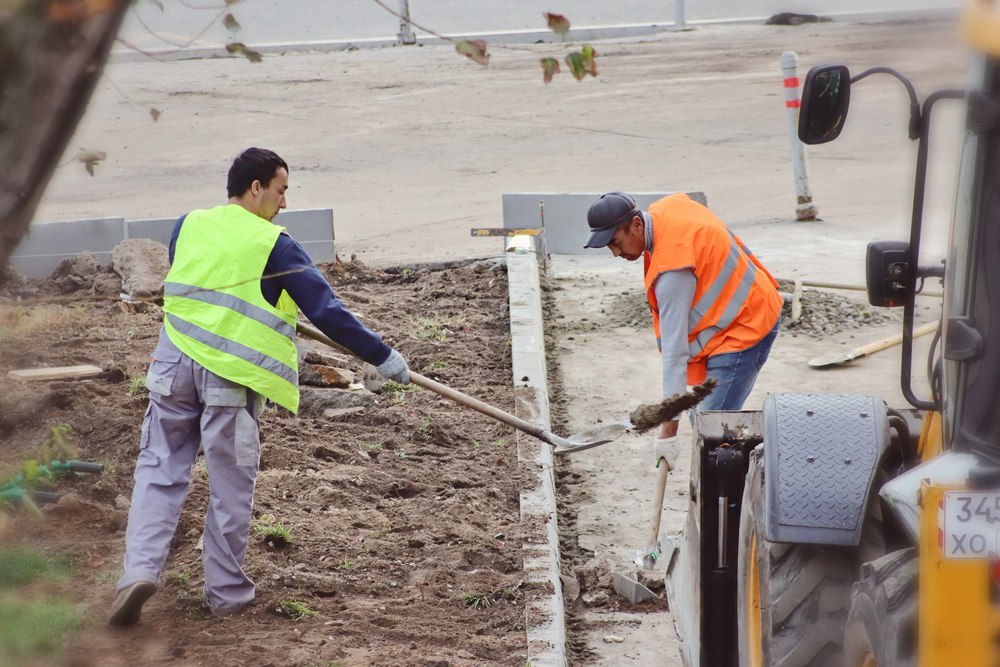
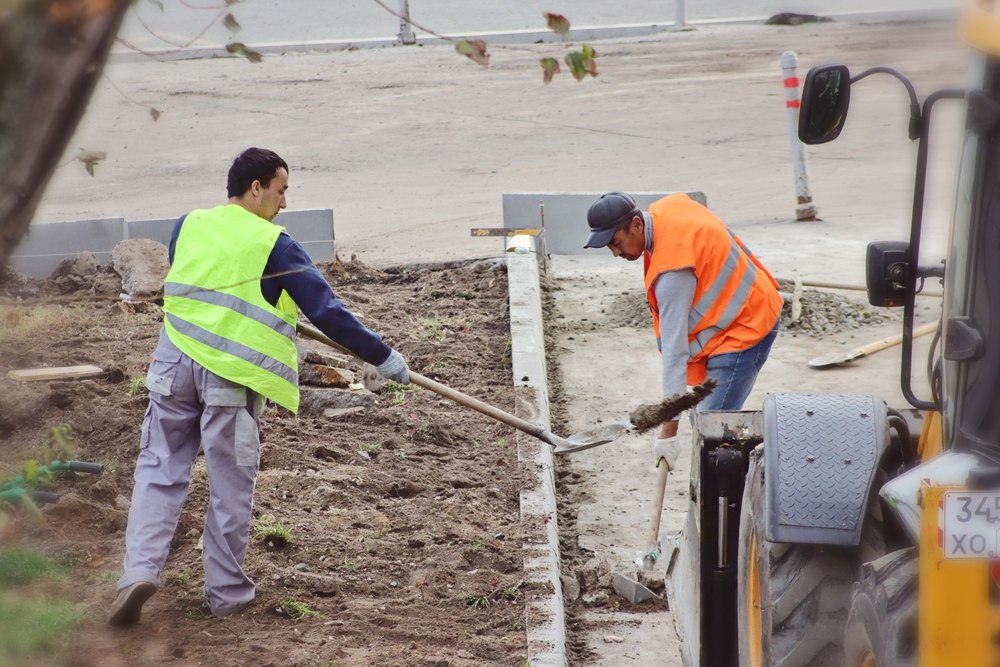
This message is gaining in urgency as Russia prepares to tighten labor regulations again in 2026. Migrants will be banned from working in alcohol and tobacco sales, pharmacies, markets, and mobile retail. Their share in construction will be reduced from 80% to 50%, with similar cuts in agriculture, forestry, and transport.
“In the current situation, reaching people’s minds is the only option left,” said Sodiq. “That is precisely the purpose of the Fikrat analytical program.”