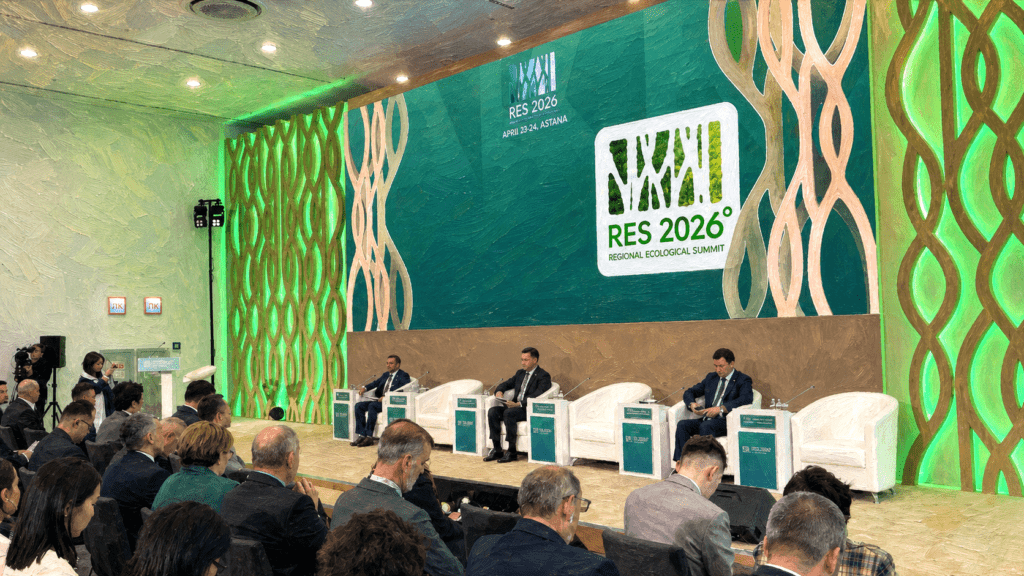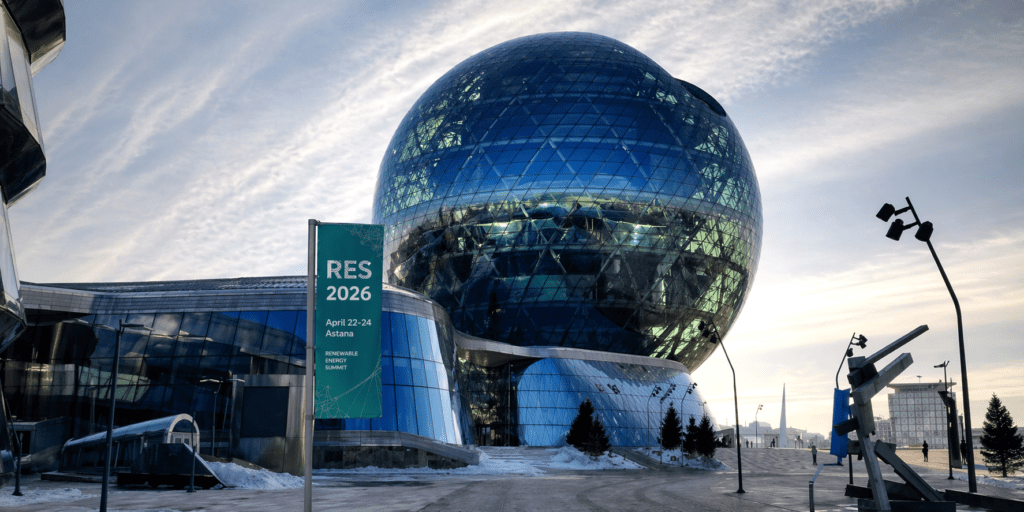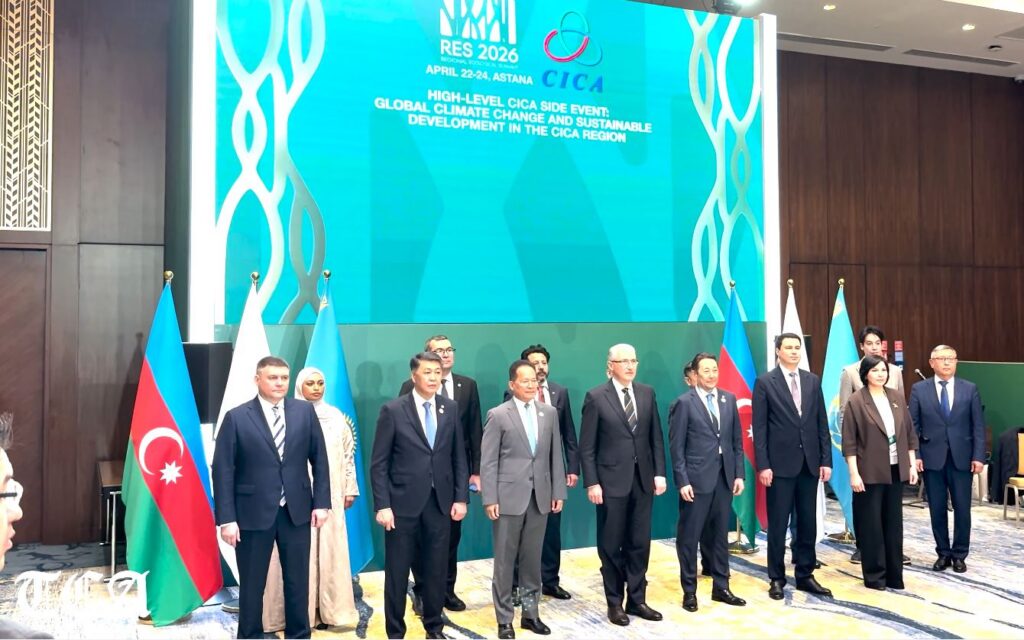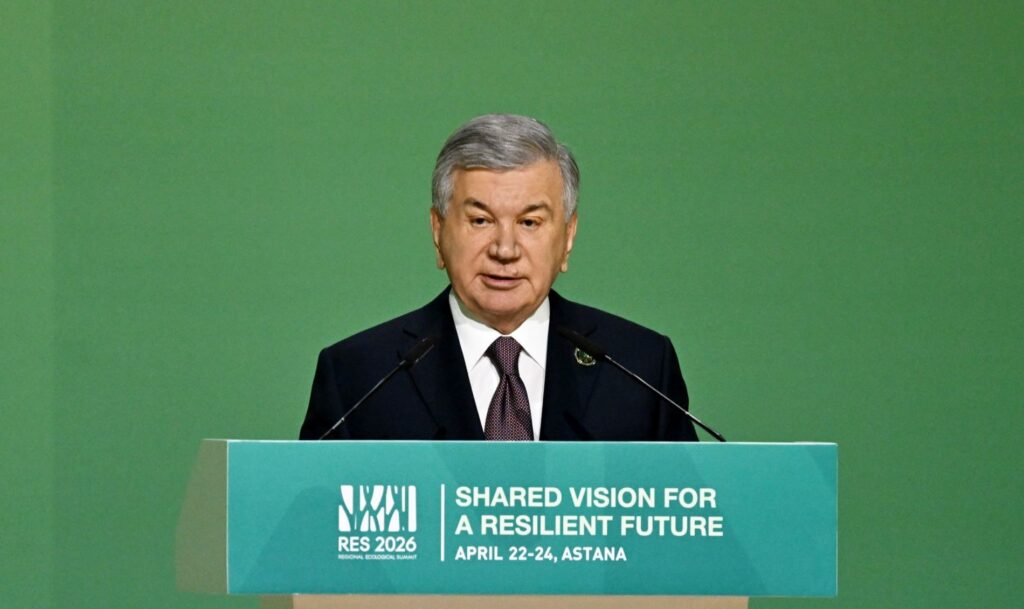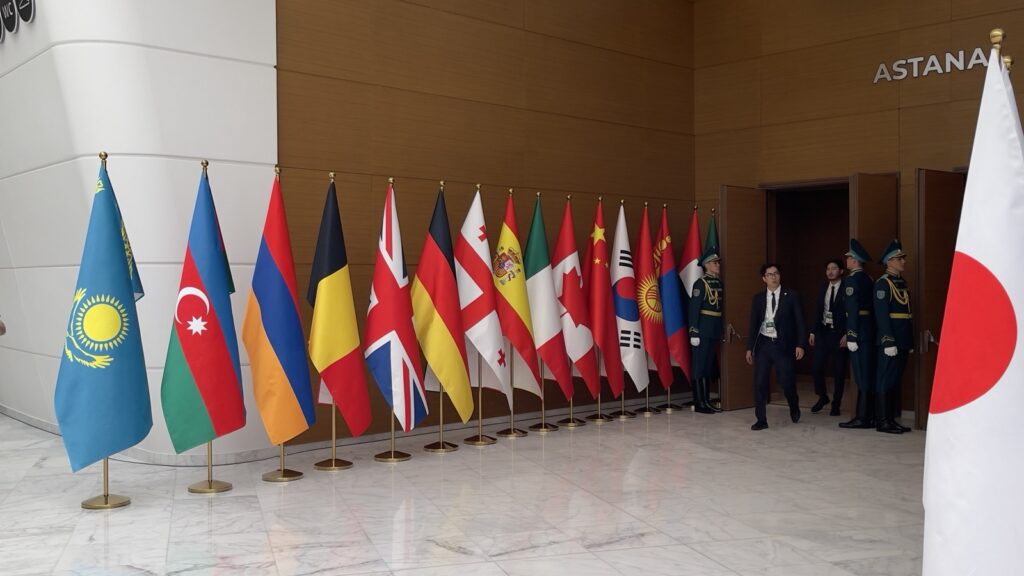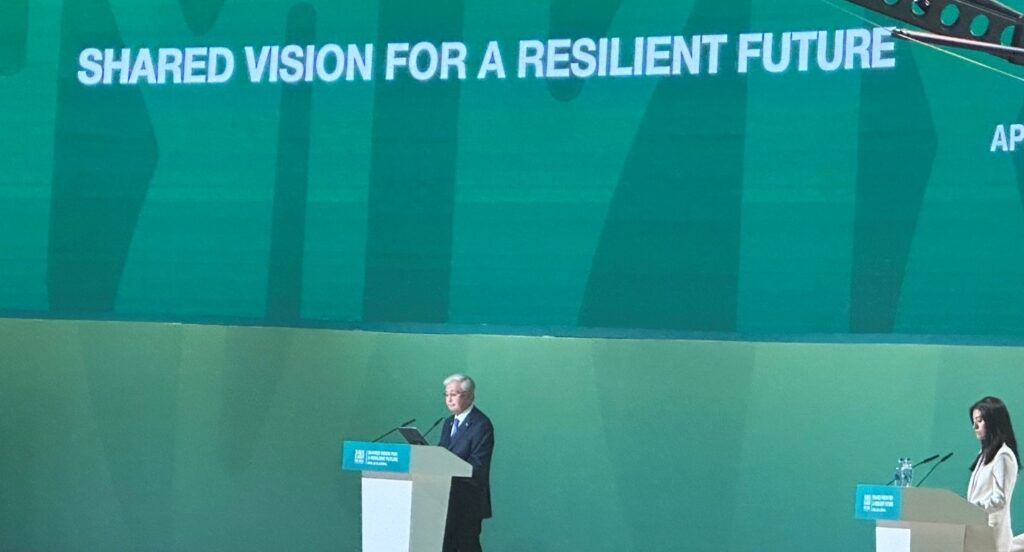
Kazakhstan’s Regional Ecological Summit 2026 in Astana on April 22-24 is aiming to turn Central Asia’s environmental strain into a regional political agenda. Organized in partnership with the United Nations, the summit is built around the theme, “Shared Vision for a Resilient Future.” Its stated purpose is to bring together governments, international organizations, lenders, businesses, researchers, and civil society to push for joint and practical responses to climate and ecological pressures across the region.
President Kassym-Jomart Tokayev first proposed hosting a regional climate summit in Kazakhstan under UN auspices during his 2023 speech at the 78th session of the UN General Assembly. By 2026, that idea had broadened into a wider environmental summit covering climate transition, adaptation, food security, natural resource management, air pollution, waste, finance, and environmental skills. The official key thematic directions show that this is no longer a narrowly framed climate conference. It is being presented as a broader Central Asian platform for ecological cooperation.
In Central Asia, ecological stress now shapes core state concerns, from farming and energy to public health and cross-border cooperation. That gives the Astana summit a broader role than a standard environment conference.
That shift reflects real regional pressures. Central Asia faces chronic water stress, glacier retreat, desertification, air pollution, and growing strain on ecosystems. The summit’s organizers say the meeting is meant to produce joint solutions rather than another round of abstract pledges. The UN in Kazakhstan says the summit is expected to advance shared regional responses and identify green financing needs, while a second UN page states that one planned outcome is a Joint Declaration by the heads of state of Central Asia, alongside a 2026-2030 Programme of Action developed with the United Nations.
Tokayev’s own language explains the summit’s pitch. On August 5, 2025, speaking at the Third United Nations Conference on Landlocked Developing Countries in Awaza, Turkmenistan, he said, “Many developing countries without access to the sea are facing water scarcity, glacier melt, desertification, and other extreme weather events. Addressing these challenges requires coordinated regional efforts and strong international support. At the same time, I believe that measures to combat climate change must remain balanced and inclusive, and respond to the legitimate development needs of countries. To strengthen our joint efforts in addressing climate change, I invite you to the Regional Ecological Summit, which will be held in Astana in partnership with the United Nations.”
The wording shows how Kazakhstan wants to frame the event. Central Asia’s environmental problems cross borders, but the response, in Tokayev’s view, must also accommodate growth, infrastructure, and development. That is why the summit is being presented not just as a climate gathering, but as a forum linking ecological policy, investment, technology, and state planning. The EXPO component is part of that design. Government and investment-promotion pages say the parallel exhibition will focus on green technologies, ESG tools, and practical climate solutions, linking diplomacy to project finance and implementation.
The summit’s speaker list underlines its international reach. The official RES 2026 page includes Junhua Li, Tedros Adhanom Ghebreyesus, Inger Andersen, Tatiana Molcean, and OSCE Secretary General Feridun Sinirlioğlu, alongside regional ministers and other senior officials.
The scale is also substantial. Astana says the summit is expected to bring together around 1,500 participants from governments, international organizations, development institutions, business, and civil society. The UN says that eighteen agencies are co-organizing 25 sessions and five workshops. That gives the summit far broader institutional backing than a standard conference circuit event.
For Kazakhstan, the summit is also a foreign-policy signal. Astana is trying to present itself as a convening center for regional coordination on water, climate adaptation, environmental finance, and sustainable development. For Central Asia, the bigger question is whether the summit produces durable mechanisms after the speeches end. If the declaration and action program move forward, RES 2026 could become a framework for regional coordination on issues that already cross borders and cannot be managed by a single state alone.