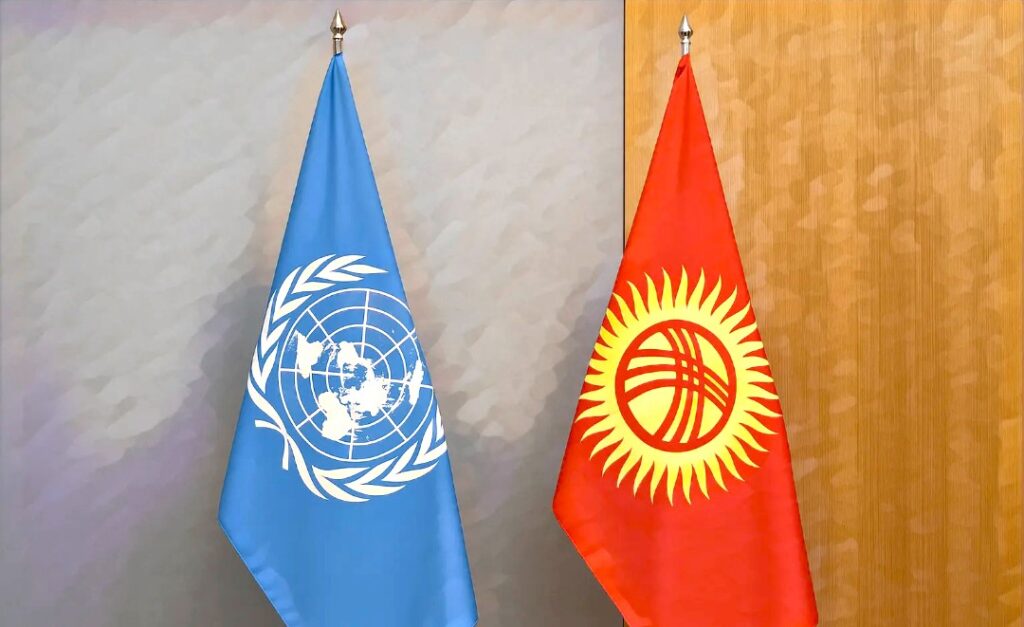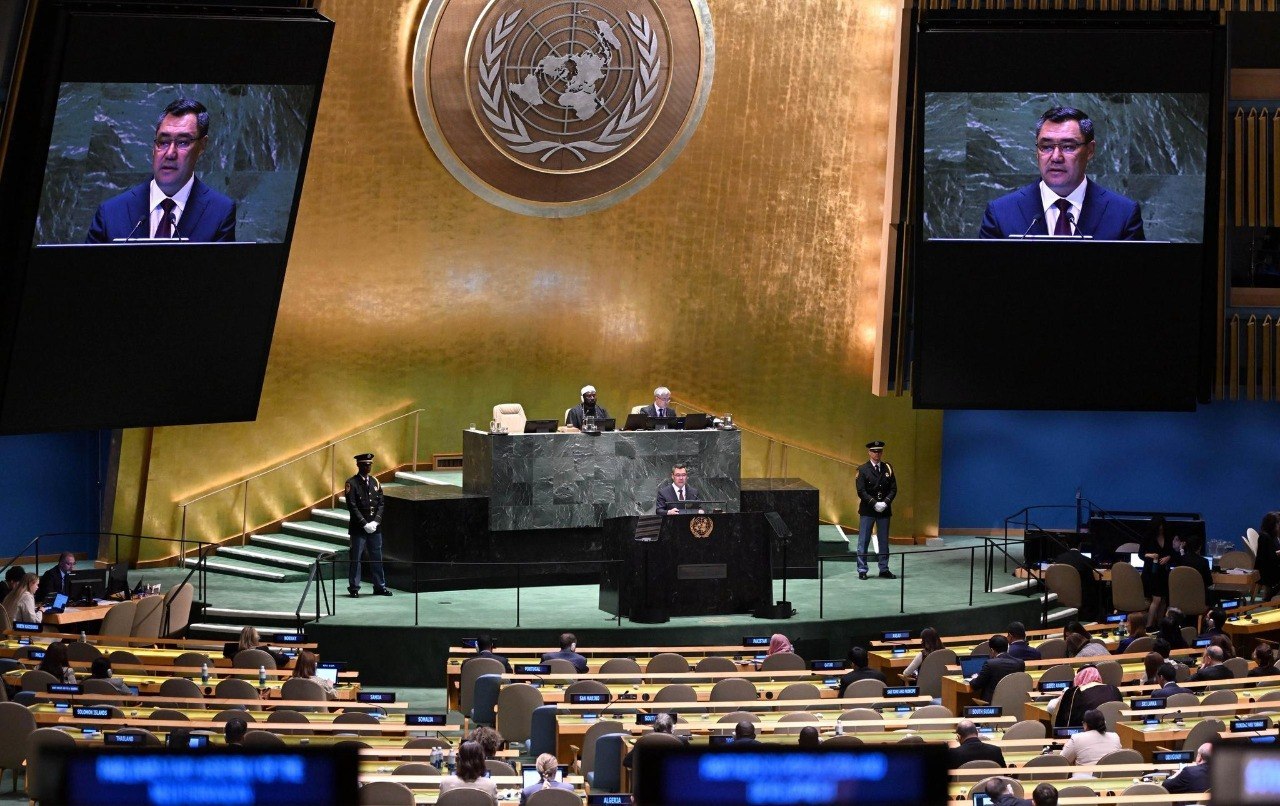
Kyrgyz President Sadyr Japarov has called on world leaders to support Kyrgyzstan’s candidacy in the election for non-permanent members of the United Nations Security Council, scheduled for June 3, 2026, for the 2027-2028 term.
In a statement published on his Facebook page, Japarov said Kyrgyzstan has the backing of the other Central Asian countries and is prepared to promote “pragmatic and depoliticized solutions” on the international stage.
According to the president, the underrepresentation of small, developing, and landlocked countries in the Security Council “undermines the sustainability of the entire architecture of collective security.”
“This is not a political preference but an objective necessity,” Japarov said.
He argued that intensifying geopolitical competition, the erosion of universal international law, and ongoing armed conflicts in Europe, Africa, and the Middle East continue to test the resilience of the international system.
“More than $3 trillion is spent annually on military conflicts worldwide. These resources could provide humanity with a decent life. If these expenditures were directed toward greening the planet and eradicating hunger, our world could become a flourishing garden,” the Kyrgyz leader said.
Japarov emphasized that Kyrgyzstan is not part of military blocs and does not participate in confrontational geopolitical formats, which he said allows the country to maintain a “balanced, independent, and pragmatic position” on international issues.
The president also highlighted Kyrgyzstan’s peaceful settlement of border delimitation issues with neighboring states, describing it as an example of how even highly sensitive security disputes can be resolved through negotiations.
Japarov devoted particular attention to Kyrgyzstan’s work within the UN Human Rights Council, to which the country has been elected three times. According to him, Bishkek continues efforts to strengthen democracy, human rights, and the rule of law.
The claim comes amid continued scrutiny of Kyrgyzstan’s domestic political trajectory. International observers and rights groups have raised concerns in recent years over pressure on independent media, civil society, and opposition figures, while the authorities have argued that tighter regulation is needed to protect stability and national interests.
Japarov also pointed to the introduction of quotas for women, youth, ethnic minorities, and people with disabilities under amendments to the law “On the Election of the President of the Kyrgyz Republic and Deputies of the Jogorku Kenesh,” adopted in 2025.
Japarov claimed that Kyrgyzstan ranks first in the world for women’s parliamentary representation. However, Inter-Parliamentary Union data shows that Kyrgyzstan has 30 women in its 90-seat parliament, or 33.3% of deputies. The IPU has instead identified Kyrgyzstan as recording the largest increase in women’s parliamentary representation among countries that held parliamentary renewals in 2025.
The president stressed that Kyrgyzstan remains committed to the principles of non-proliferation and disarmament and, if elected to the Security Council, would promote preventive diplomacy, mediation mechanisms, nuclear disarmament, and addressing the growing nexus between climate and security issues.
Japarov noted that Kyrgyzstan was among the initiators of the Central Asian Nuclear-Weapon-Free Zone and signed the Treaty on the Prohibition of Nuclear Weapons in 2025.
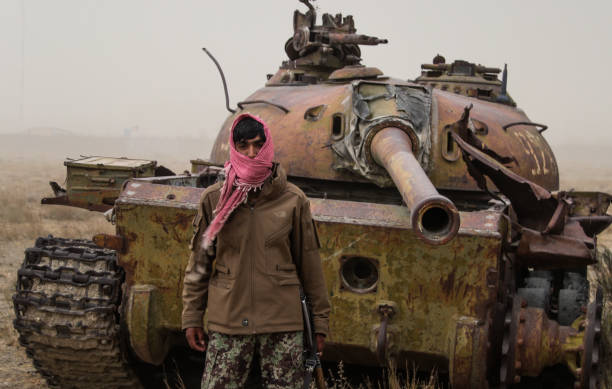
He also said Bishkek intends to devote particular attention to Afghanistan, arguing that the country’s stability is inseparable from the security of Central Asia.
“We consistently provide humanitarian assistance to the Afghan people, including support for women and children, and advocate for Afghanistan’s gradual economic and political integration into the international community,” Japarov said.
Japarov also noted that the Philippines, Kyrgyzstan’s competitor for the Asia-Pacific seat, has previously served four terms on the UN Security Council, whereas Kyrgyzstan, like roughly 60 other countries, has never held a seat on the body.
“The election of Kyrgyzstan would demonstrate the political will of the international community to restore historical justice and ensure equal rights for all states to be elected to the UN’s leading body,” the statement said.