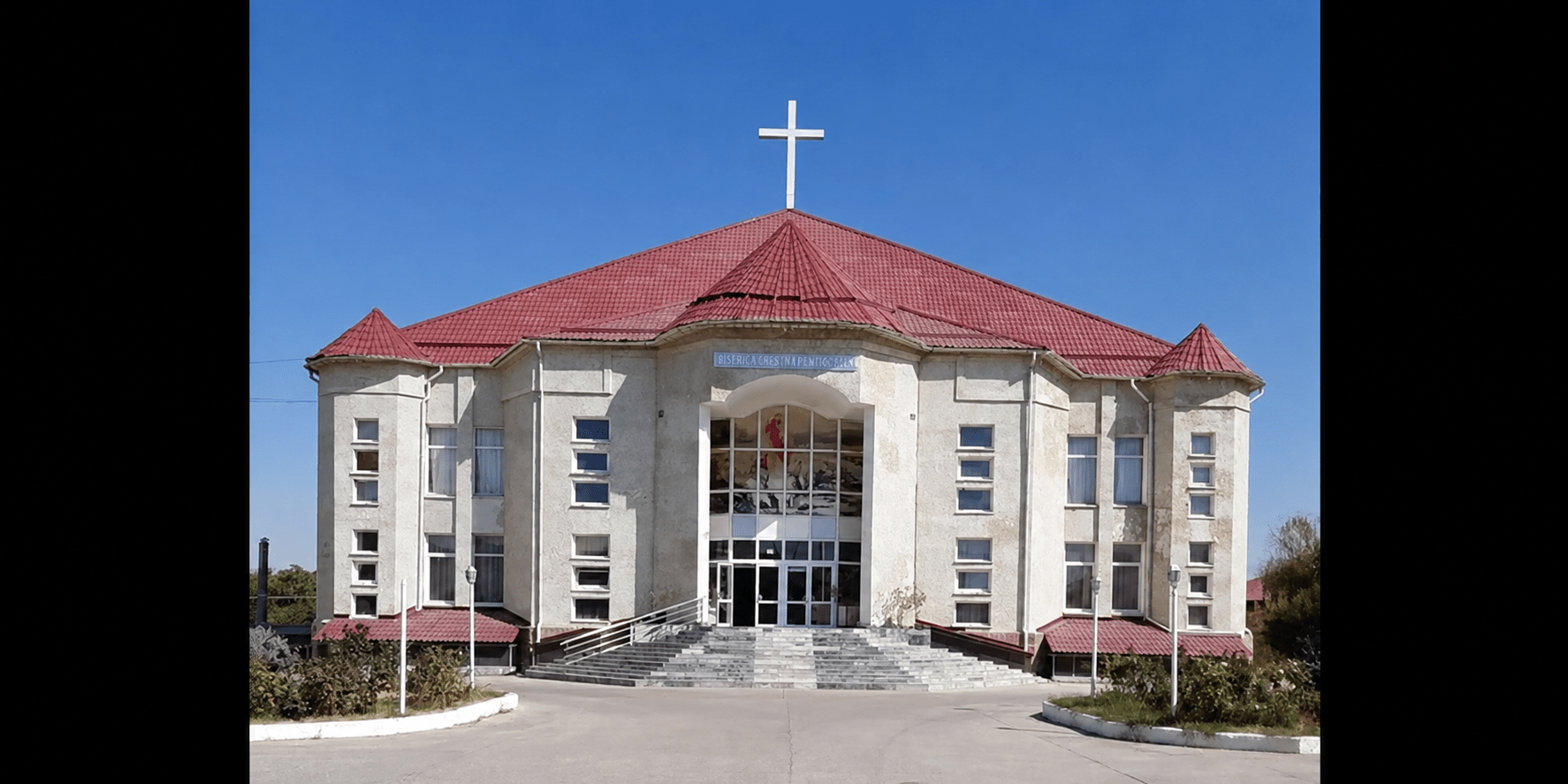
Central Asia has long been a crossroads of civilizations, cultures, and religions. For more than two millennia, the region has connected East and West, with Zoroastrianism, Buddhism, Judaism, Christianity, Islam, and indigenous belief systems coexisting, interacting, and, at times, competing. Christianity flourished here centuries ago through Nestorian and other Eastern Christian communities, while Russian Orthodoxy endured throughout the Soviet period.
Under Soviet rule, religion was heavily suppressed, yet Christianity survived among Russians, Germans, Poles, Ukrainians, and other communities that had been deported or resettled across the region. Following the collapse of the Soviet Union, decades of official atheism gave way to a religious revival, creating space for a new wave of missionary activity.
The principles of Christian missionary work are similar across denominations, with preaching, charity, education, medical assistance, and moral renewal at their core. In practice, however, missionary efforts in the newly independent Central Asian states evolved far beyond religious services. Amid the economic hardship that followed the collapse of the Soviet system, many churches combined evangelism with humanitarian assistance, language courses, youth programs, computer training, sports clubs, and cultural activities. These initiatives proved particularly attractive to young people, students, socially vulnerable groups, and urban residents seeking new educational and social opportunities.
Among the five Central Asian republics, Kazakhstan emerged as one of the most favorable environments for Christian missions. During the 1990s, its relatively liberal religious climate, large urban centers, multiethnic society, sizeable Korean diaspora, Russian-speaking environment, and comparatively open legal framework enabled numerous foreign churches to establish seminaries, schools, charitable foundations, and places of worship.
South Korean Protestant organizations became especially active. Presbyterian, Baptist, Methodist, and Pentecostal churches initially found a natural base within the Koryo-saram community, but their activities gradually expanded well beyond ethnic Koreans.
It is at this point that a more sensitive issue emerges.
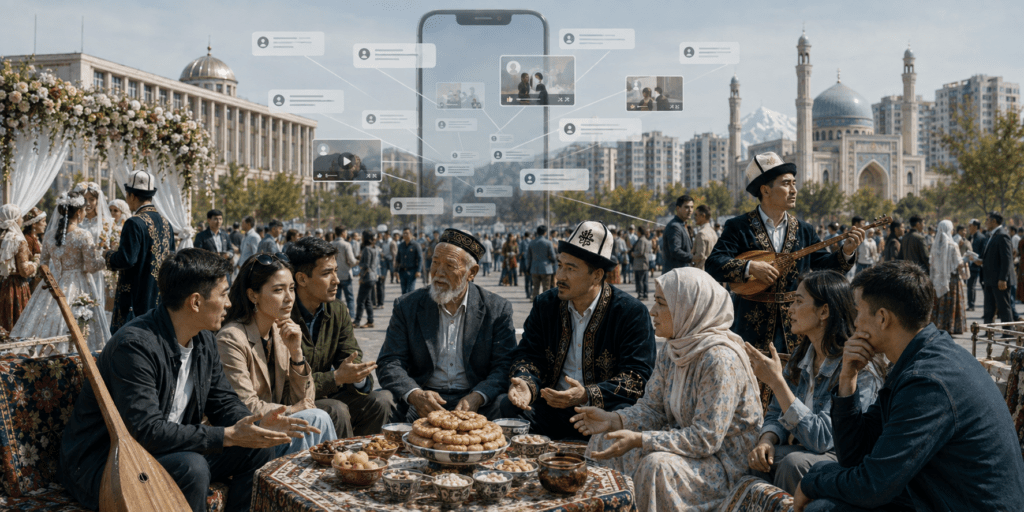
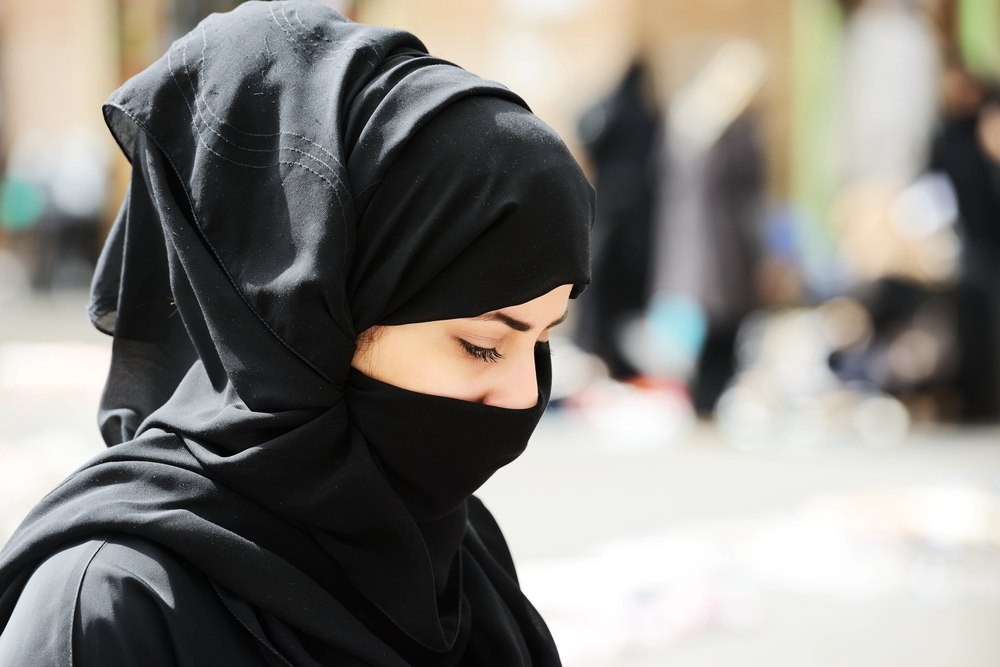
Missionary churches generally regard religious conversion as a legitimate expression of freedom of conscience. Many Muslim families, however, particularly in rural and traditionally conservative communities, view the conversion of their children as a rupture with family heritage, ancestral traditions, and communal identity. Across much of Central Asia, religion is not merely a matter of personal belief. It is closely intertwined with kinship, ethnic identity, marriage, burial customs, and family authority.
As a result, active proselytizing among indigenous youth can provoke strong opposition from relatives and local Muslim communities. The issue reflects the interaction between missionary strategies and social pressures such as limited interfaith dialogue, economic hardship, youth vulnerability, foreign funding, government suspicion, and concerns over cultural continuity.
When religious conversion becomes associated with financial assistance, educational opportunities, foreign sponsorship, or improved social mobility, critics may portray it as an attempt to “buy souls,” even when churches describe such activities as humanitarian or charitable work.
One of the most serious examples occurred in Tajikistan on October 1, 2000, when bombs exploded during a Sunday service at Sonmin Grace Church, a Korean Protestant church in Dushanbe associated with South Korean missionaries. The congregation had attracted local converts. Several people were killed and dozens were injured. Subsequent investigations and media reports suggested that the attackers were motivated, at least in part, by hostility toward religious conversions from Islam.
Additional attacks later targeted Orthodox and Seventh-day Adventist churches in Tajikistan. These incidents illustrated how missionary activity in a fragile, post-conflict environment could become a catalyst for violence. Tajikistan represented a particularly vulnerable case, having only recently emerged from civil war. Nevertheless, many of the structural risks identified there are not unique to Tajikistan.
Governments across Central Asia have gradually tightened regulations governing unregistered religious activity, foreign missionaries, and proselytism.
In Kazakhstan, the 2011 Law on Religious Activity and Religious Associations introduced stricter requirements for the registration of religious organizations and missionaries. It also increased state oversight of religious literature and missionary work.
The legislation was presented by the authorities as a measure to preserve social stability, prevent religious extremism, and improve oversight of religious organizations. International human rights organizations, however, have argued that the law imposes significant restrictions on freedom of religion and belief.
In Central Asia, religion remains closely connected with family relations, inheritance, marriage, funeral traditions, and community cohesion. Changes in religious affiliation may therefore affect not only individuals but also family and community networks.
Particular attention has been paid to South Korean Protestant churches because of their visibility, organizational capacity, and long-standing missionary traditions. In Kazakhstan and elsewhere in Central Asia, Korean Presbyterian, Methodist, Baptist, and Pentecostal organizations have established churches, seminaries, educational institutions, and charitable foundations. Many of these organizations have provided genuine humanitarian assistance, educational opportunities, and social support, particularly during periods of economic hardship.
Missionary outreach beyond ethnic Korean communities, however, has occasionally generated concern among Muslim communities and government officials. While churches describe evangelism as an expression of religious freedom, some local communities perceive active proselytism as a challenge to established cultural and religious traditions. These differing interpretations have contributed to periodic tensions, even where no laws have been violated.
This is what may be described as the “time-bomb effect.” The term does not imply that conflict is inevitable. It suggests that unresolved tensions can accumulate until a limited incident, such as a conversion, family dispute, controversial sermon, anti-missionary campaign, or police intervention, acquires wider symbolic significance.
In societies where religion, ethnicity, and national identity remain closely interconnected, isolated disputes can quickly become perceived as challenges to communal identity rather than disagreements between individuals. Under such circumstances, local incidents risk escalating into wider social confrontations.
The appropriate response is neither the suppression of Christian churches nor tolerance of intimidation against converts. A more sustainable approach requires transparent legal regulation, meaningful interfaith dialogue, and ethical standards for missionary work. It must also protect parental rights and the rights of young adults, while separating humanitarian assistance from religious persuasion.
Missionary organizations should avoid targeting minors without parental knowledge, using material incentives that may be perceived as encouraging conversion, or portraying local religious traditions as inferior. Muslim religious leaders and community representatives also bear responsibility for avoiding inflammatory rhetoric and recognizing freedom of conscience as a fundamental element of contemporary pluralistic societies.
Kazakhstan occupies a particularly important position in this discussion. For many years, the country has promoted itself internationally as a platform for interfaith dialogue, most visibly through the Congress of Leaders of World and Traditional Religions. This places particular responsibility on Kazakhstan to show that religious diversity can be managed through transparent institutions and equal legal standards. Public trust cannot be built through administrative restrictions alone.
Ultimately, the issue extends beyond competition between religions. It concerns identity, sovereignty, social cohesion, and generational change. If left unaddressed, these tensions may gradually deepen existing social divisions. If managed through balanced public policy and transparent regulation, Christian missionary activity can remain part of a pluralistic society. Sustained interfaith dialogue would help protect both religious freedom and social responsibility.
The views expressed in this article are those of the author and do not necessarily reflect the official policy or position of the publication, its affiliates, or any other organizations mentioned.