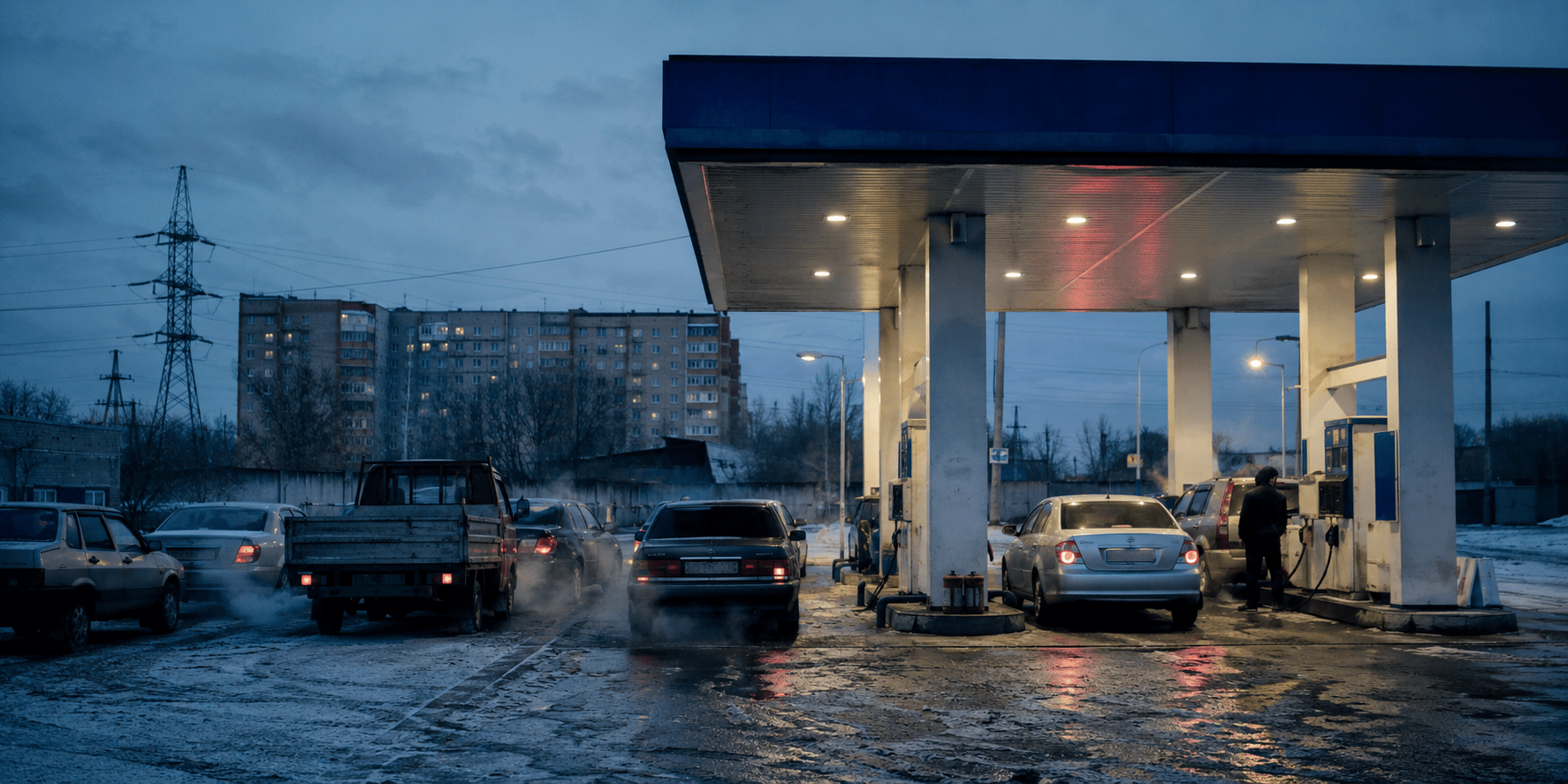
Central Asia’s fuel squeeze is moving from filling stations into winter planning. Governments are now tracking gasoline and diesel, gas pipelines, coal deliveries, power imports, jet fuel, and emergency repair crews. Seasonal fuel and power stress is familiar across the region, but the current pressure – tied to Russia, the main supplier for several regional fuel flows – has arrived early.
Russia’s own fuel crisis has sharpened the risk. Ukrainian drone attacks and repair work have cut refinery output, while export limits have pushed more Russian supplies back into the domestic market. Reuters reported queues, regional restrictions, and gasoline above 100 roubles a liter at some independent stations. President Vladimir Putin acknowledged the strain on June 28. “You are well aware that problems for drivers and for businesses persist,” he said, adding that “the harvest depends on” keeping seasonal fuel schedules for farms.
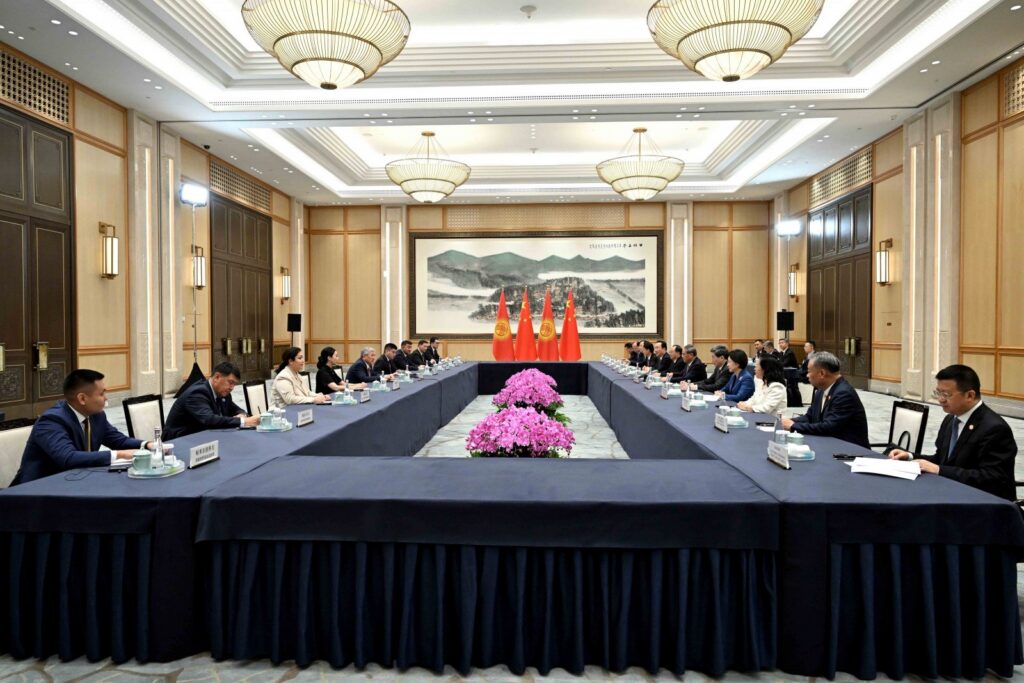
For Central Asia, Russian shortages travel through contracts, rail slots, import prices, and public nerves. Kyrgyzstan is among the most exposed. The country consumes about two million tons of fuels and lubricants each year, and almost 95% comes from Russia, according to Deputy Energy Minister Nasipbek Kerimov. “Due to the lack of adequate oil and gas production, we remain a country dependent on imports,” Kerimov said. Bishkek has asked Russia, Kazakhstan, Belarus, Azerbaijan, Uzbekistan, and Turkmenistan for help securing supplies.
That dependence is now impacting households, farmers, and small transport firms. The cabinet has capped pump prices and set a subsidy mechanism through September 30. Kerimov said importers were seeing offers at several prices, but promised that “there should be no shortage on the domestic market.” Oil traders put AI-92 stocks at 30 to 45 days, while diesel remained available for harvest work.
Kyrgyzstan is trying to buy time through domestic refining. The modernized Junda refinery in the Chuy Region has been pressed to raise gasoline output to 24,000 tons a month soon, then 50,000 tons a month by the end of 2026, with finished products directed to the domestic market. Those gains would help, but Russian supply still sets the pace.
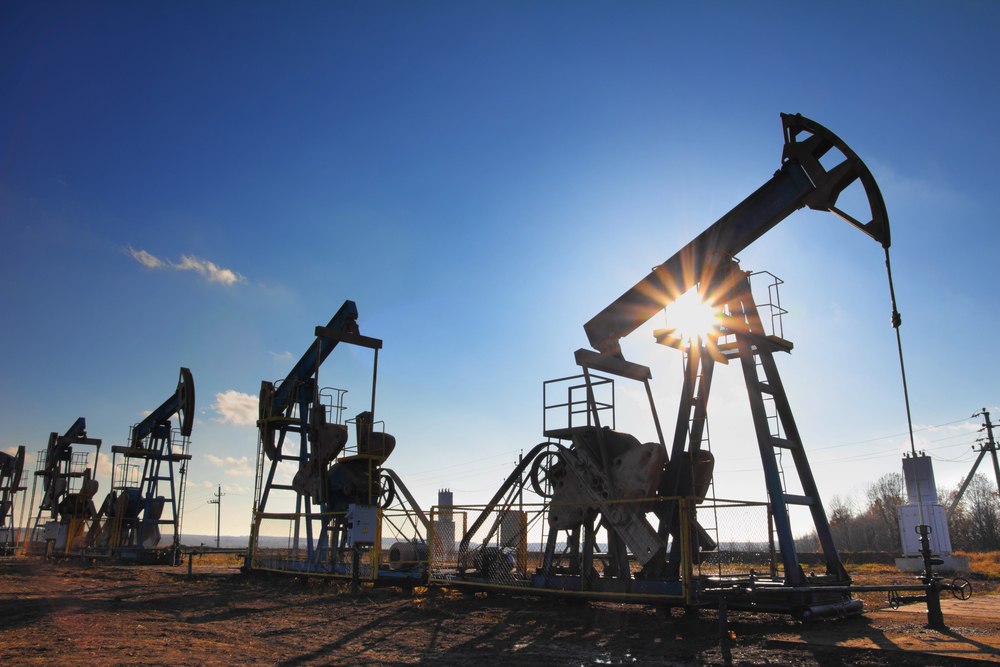
Uzbekistan has the Bukhara and Fergana oil refineries, the Altyaryk unit of the Fergana refinery, and the Uzbekistan GTL complex, but demand has still moved faster than domestic supply. In January-April 2026, gasoline imports reached 568,700 tons, worth $327.1 million, more than double the same period in 2025. Local refineries produced 417,500 tons over those four months. A shift away from AI-80 gasoline has also pushed drivers toward AI-92 and AI-95.
The pressure reached the exchange in late June. AI-92 gasoline climbed to a record 13.919 million soums per ton on June 29, about $1,160, after an 11.8% rise since the start of the month. Jet fuel has become an issue, too. Uzbekistan Airways reduced some Russia flight frequencies in June, citing aviation fuel shortages and higher costs.
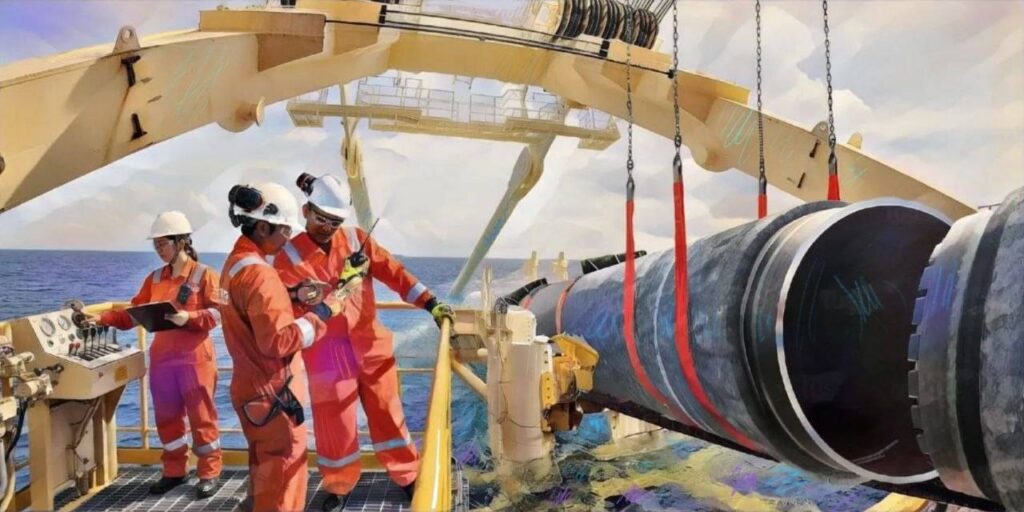
Tashkent is now preparing for winter in concrete volumes. On July 6, President Shavkat Mirziyoyev reviewed measures for the 2026-2027 autumn-winter season. The plan includes replacing 53.7 kilometers of defective main gas pipelines, repairing 77 compressor-station gas pumping units, supplying 325,700 tons of liquefied gas, and creating a 120,000-ton motor gasoline reserve for December and January. Thermal power plants are projected to receive 4.161 million tons of coal. Uzbekneftegaz is also due to repair 90 processing units. Tashkent has discussed oil, gasoline, jet fuel, and refinery feedstock supplies with Russian energy companies.
Kazakhstan enters the crunch with more domestic refining capacity, but cheap fuel creates its own problems. Kazakhstan’s low pump prices encourage cross-border outflow, especially when neighboring markets pay more. On July 4, Prime Minister Olzhas Bektenov was told that 593 attempted exports of petroleum products, totaling more than 40,000 liters, had been prevented at road checkpoints since the start of the year. Mobile teams stopped another 61 attempts over two days, involving more than three tons in extra tanks and canisters.
Gas planning has joined the security picture. On July 7, Bektenov said Kazakhstan’s domestic gas consumption had reached 20 billion cubic meters last year. The government says 13.1 million people have access to gas and wants gasification to rise from 64.2% to 80%. Bektenov ordered weekly monitoring of gas processing plants at Kashagan, Karachaganak, and Zhanaozen. “We must ensure a long-term balance between the industry’s resource capacity and the needs of the economy,” he said.
Electricity adds another layer of stress. Kyrgyzstan recorded its highest summer daily power use on June 29, when consumption reached 47.112 million kilowatt-hours, compared with about 40 million on the same date in 2025. The system expects consumption of 19.6 billion kilowatt-hours in 2026, with domestic generation at 15.7 billion. Imports of about 4 billion kilowatt-hours are expected from Kazakhstan, Turkmenistan, Uzbekistan, and Russia, mainly in the autumn and winter. Kazakhstan generated 123.1 billion kilowatt-hours in 2025, and consumed 124.6 billion.
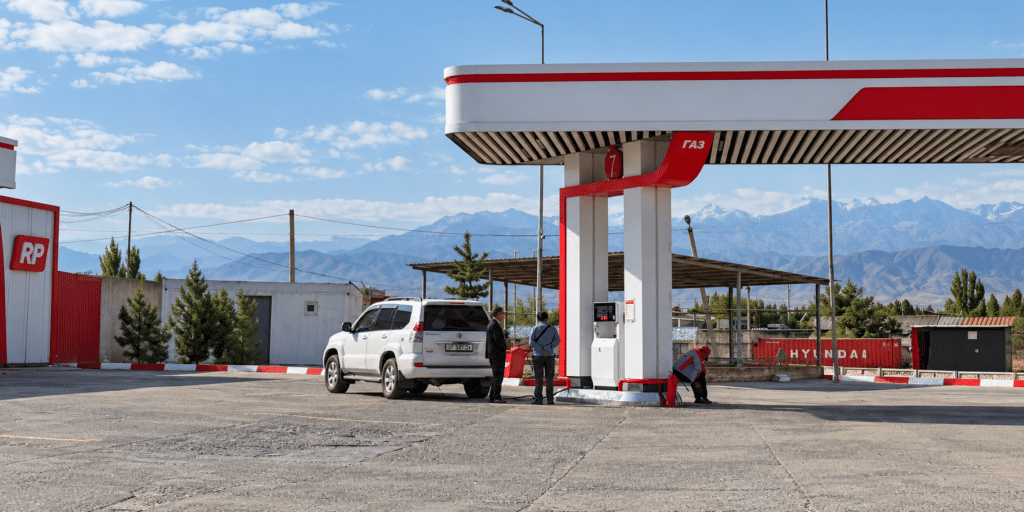
Tajikistan has fewer buffers. Diesel shortages appeared in Dushanbe in early July, with prices rising by 1.5 to 2 somoni in two days. Some filling stations ran out, while others limited sales to 20 liters per vehicle. On July 6, Tajikistan’s economic authorities held a government-level meeting on fuel supply and price regulation. The agenda covered petroleum products, liquefied gas, import diversification, crude oil processing at domestic facilities, and monitoring to prevent artificial retail price increases.
Across Central Asia, the squeeze is taking different forms: Kyrgyzstan is looking for new suppliers, Uzbekistan is building reserves, Kazakhstan is tightening controls, and Tajikistan is watching prices. Low and controlled prices protect families, but they push fuel toward borders. Import dependence keeps pumps open, but it leaves governments exposed to refinery outages abroad. Gasification can ease pressure on coal and power, but it also raises winter demand for gas. Electricity imports can fill a gap, but cold weather turns small deficits into public risk.
Central Asia’s fuel squeeze has become a winter energy security problem long before the first cold snap. The region needs gasoline at filling stations, diesel for trucks and farms, gas for homes, coal for power plants, and electricity imports when demand peaks. For households, the labels mean less than the outcome. Heat, light, and transport must hold through December and January.