Kazakhstan is preparing a major expansion of waste-to-energy plants backed by Chinese investors, potentially giving waste incineration a central role in a system that still sends most municipal refuse to landfill.
Astana plans to complete negotiations with China Tianying Inc. and submit an investment agreement for approval within two weeks. The proposed agreement would cover waste-treatment plants in at least three major cities, although the government has not disclosed their locations, cost, or construction timetable.
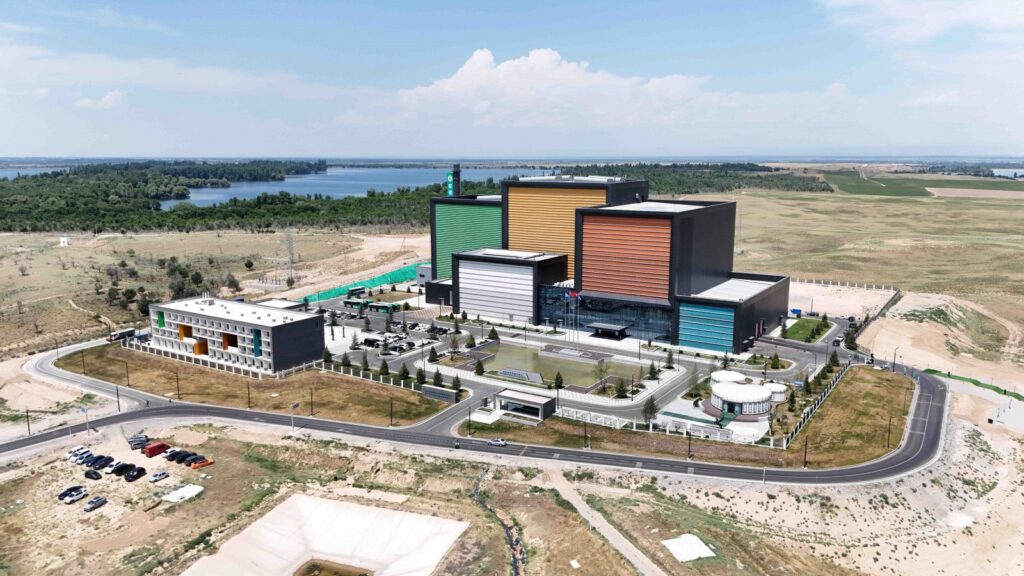
The plans could add at least three facilities to Chinese-backed waste-to-energy plants already under construction in Almaty, Astana, and Shymkent. Together, the existing projects are designed to process 4,500 metric tons of municipal waste per day and generate 134 megawatts of electricity. If operated year-round at their stated capacity, they would handle around 1.64 million tons annually — equivalent to roughly one-third of the municipal waste Kazakhstan currently produces.
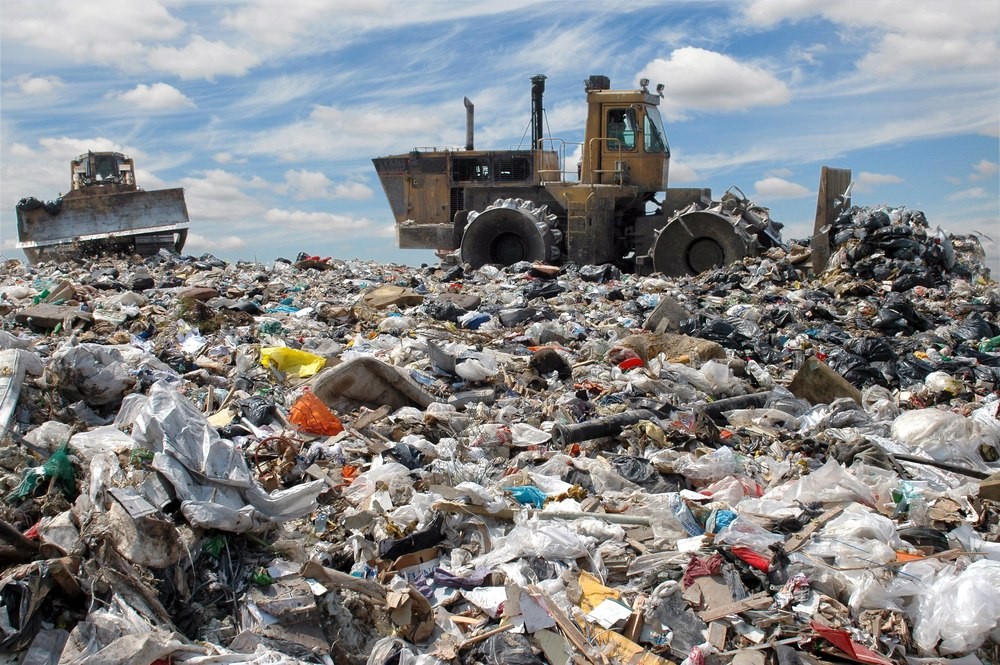
The expansion follows years of limited progress in Kazakhstan’s waste sector. The country generates between 4.2 million and 4.8 million tons of municipal solid waste annually, while much of the material recorded as sorted or recycled ultimately ends up in landfill. In 2024, only 49,200 tons were processed into secondary raw materials, equivalent to around 1.1% of all municipal waste generated.
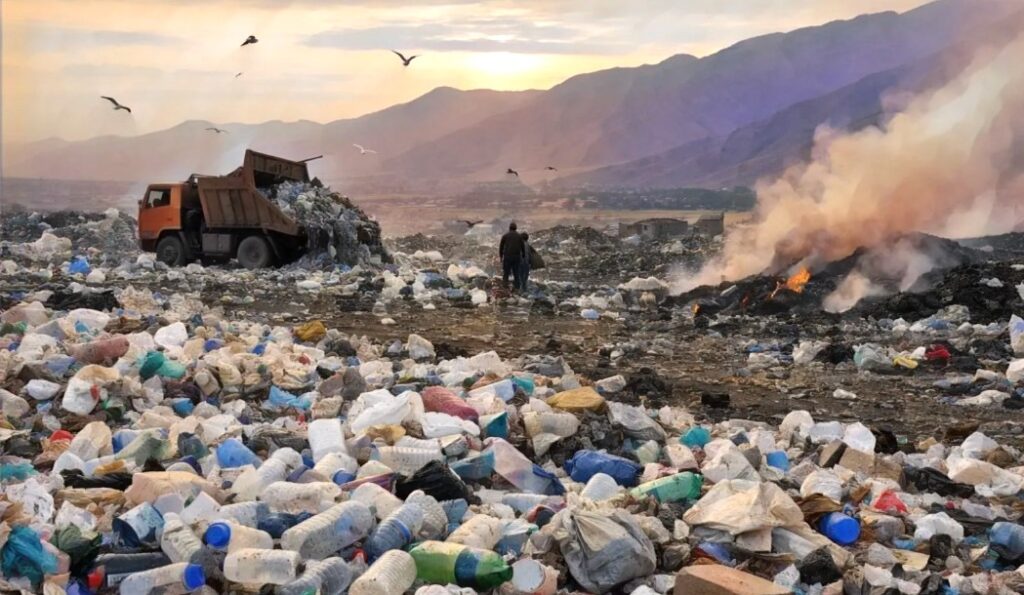
Kazakhstan also has around 3,000 landfill sites, only about 20% of which meet environmental standards, according to the Ministry of Ecology. More than 1,000 illegal dumps were identified in 2024.
The government is attempting to make waste-to-energy projects attractive to investors through investment agreements and a state-set electricity tariff of up to KZT55 ($0.12) per kilowatt-hour. The tariff provides operators with a revenue stream from the electricity produced by burning municipal waste, helping compensate for the weak economics of the wider waste-processing sector.
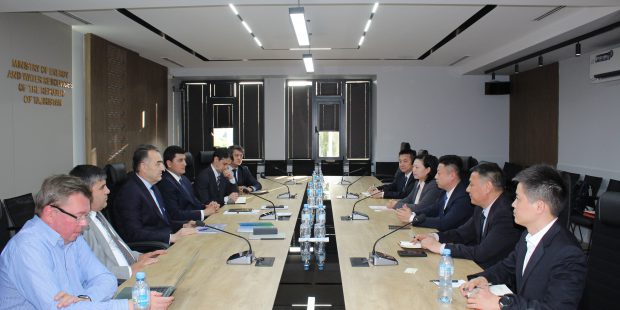
Kazakhstan announced the plans after Prime Minister Olzhas Bektenov met Cao Debiao, party secretary and president of China Tianying on July 16, 2026. The two discussed both large plants and smaller facilities capable of processing between 250 and 500 tons of waste per day, which could serve regional cities without enough waste to support the major complexes planned for Kazakhstan’s largest urban centers.
According to the government, China Tianying has worked in waste treatment and new energy for more than 20 years and operates in more than 30 countries. Cao said the company handles around 4,000 tons of municipal waste per day through its existing facilities and plans to increase this capacity to 7,000 tons.
Three Chinese-backed projects worth a combined KZT293.3 billion, or approximately $622 million, are already under construction.
In Almaty, Junxin Environmental Protection is building a KZT145.5 billion ($308 million) facility designed to process 2,000 tons of municipal waste per day and generate 60 megawatts of electricity.
In Astana, EAST HOPE is developing a plant capable of processing at least 1,500 tons daily and producing 50 megawatts. The project is valued at KZT94.4 billion, approximately $200 million.
Shaanxi Construction Engineering Kazakhstan is building a smaller plant in Shymkent with daily capacity of 1,000 tons and generating capacity of 24 megawatts. Investment is estimated at KZT54 billion, or around $115 million. The government is also considering waste-to-energy projects in Aktobe, Atyrau, and Karaganda.
Waste-to-energy plants can reduce the amount of refuse sent to landfill while producing electricity. Their environmental value depends heavily on what is burned, the effectiveness of emissions controls, and whether recyclable material is removed beforehand. Under the waste hierarchy used in Kazakhstan and the European Union, energy recovery ranks below waste prevention, reuse, and recycling.
The scale of the planned plants therefore raises a longer-term question for Kazakhstan: whether incineration will primarily dispose of residual waste that cannot be recycled, or absorb material that might otherwise support the development of a domestic recycling industry.
As previously reported by The Times of Central Asia, the country generates between 4.2 million and 4.8 million metric tons of municipal solid waste each year, but only about 1.3 million tons are recycled. As a result, approximately 48.3 million tons of waste have accumulated at landfill sites nationwide.
More recently, Kazakhstan also launched a pilot electronic waste recycling project with support from United Nations agencies as part of broader efforts to improve resource recovery and reduce environmental impacts.