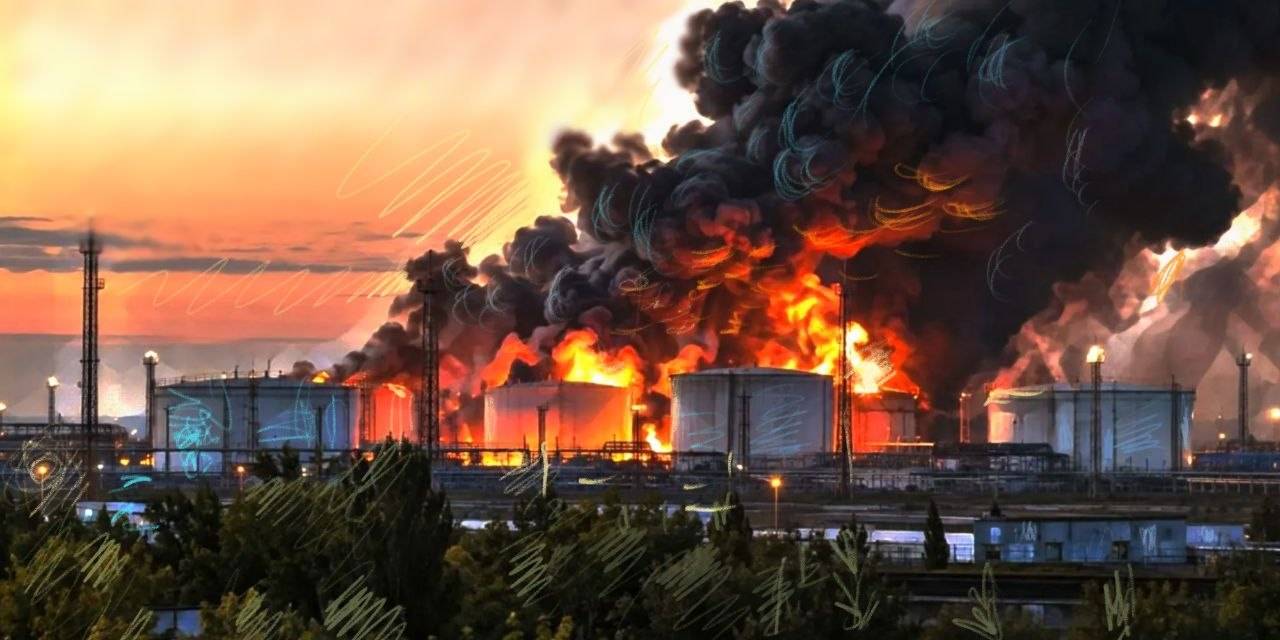
Kazakhstan resumed oil shipments through the Atyrau-Samara pipeline on November 3, a day after a drone attack on a Russian transit hub forced pumping to stop. The disruption again exposed the vulnerability of Kazakh exports to attacks on infrastructure beyond the country’s borders.
The attack targeted facilities at the Samara Production and Dispatch Centre in Russia. Oil transportation stopped at 6:09 a.m. Astana time on November 2.
“As of November 3, 2026, oil transportation through the Atyrau-Samara trunk pipeline is operating normally,” Kazakhstan’s Energy Ministry spokesperson Assel Serikpayeva said. Pumping resumed after a technical inspection. The ministry reported no injuries.
Atyrau-Samara is Kazakhstan’s second-largest oil export route by volume, after the Caspian Pipeline Consortium (CPC). It connects western Kazakhstan to Russia’s Transneft network for onward delivery to international markets. Kazakhstan exported approximately 9.2 million metric tons through the route in 2025. Shipments totaled 7.573 million metric tons in the first nine months of 2026, according to KazTransOil data.
The Samara hub had already come under attack. Ukraine’s General Staff said its forces struck the pumping complex on October 2, Bloomberg reported.
Kazakhstan can divert some shipments through Atyrau-Samara when CPC operations are disrupted, but both routes rely on Russian infrastructure, meaning switching between them leaves exporters exposed to similar risks.
The latest stoppage follows repeated disruptions at CPC’s Black Sea terminal near Novorossiysk. In July, Kazakhstan condemned drone attacks on tankers near the terminal, including vessels loading Kazakh crude.
The summer’s attacks brought fires aboard tankers and repeated evacuations. On July 19, drones struck ASIA and NISSOS IOS while they were loading Kazakh crude at CPC’s offshore moorings. ASIA was loading Tengizchevroil oil, while NISSOS IOS carried crude from Kashagan and Maten. A fire aboard ASIA was extinguished, and loading was temporarily suspended. Further attacks prolonged the disruption, eventually forcing Kazakhstan to cut production.
Kazakhstan’s Foreign Ministry called the attacks an infringement on the country’s economic interests and demanded that they stop. It also reserved the right to pursue compensation. CPC alone carried about 80% of Kazakhstan’s oil exports in 2025, underscoring the country’s dependence on infrastructure within Russia.
The interruptions soon affected production at home. An August 7 Reuters report put July CPC loadings more than 20% below schedule, citing sources familiar with the data. Kazakhstan’s oil production fell 14% from June, the sources said.
On August 25, Energy Minister Erlan Akkenzhenov cut the annual production plan from 98 million to 96 million metric tons, attributing losses to attacks in January and the summer. Planned maintenance at Tengiz and North Caspian Operating Company fields was postponed until 2027, helping limit the reduction in the annual target.
A separate drone incident near the terminal briefly halted loading on September 8. Kazakhstan has been seeking to expand other routes, although their capacity remains far below the volumes moving through CPC.
In an interview published on November 2, energy strategist Umud Shokri told The Times of Central Asia that alternatives would take time to develop.
“I would describe the route as a practical backup, not a near-term replacement for the CPC,” he said of shipments through Azerbaijan and Türkiye.
CPC carried 64.8 million metric tons of Kazakh oil in 2025. Moving a substantial share of that volume elsewhere would require a much larger transport network.
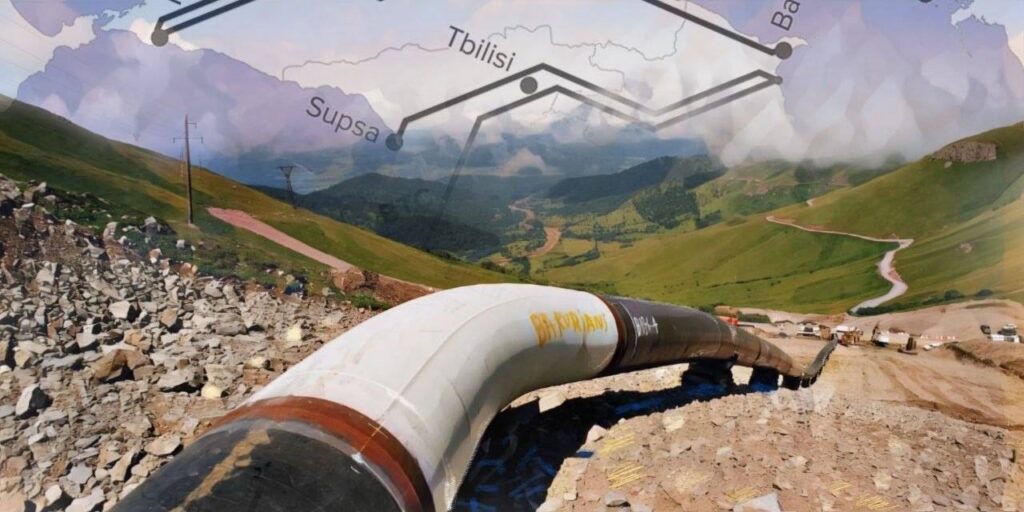
The Trans-Caspian alternative sends oil from Aktau by tanker to Azerbaijan, then into the Baku-Tbilisi-Ceyhan (BTC) pipeline, which crosses Georgia before reaching Türkiye’s Mediterranean coast, allowing Kazakh crude to reach overseas markets without crossing Russia.
Shokri put shipments toward BTC at 1.164 million metric tons in the first nine months of 2026. The full-year target was 1.7 million metric tons, but even that volume would amount to only a fraction of Kazakhstan’s annual CPC shipments. Expanding the route also requires more shipping capacity and improvements to infrastructure on both sides of the Caspian.
Falling Caspian water levels add another obstacle. Shokri said shallower waters could force vessels to carry lighter loads, raising transport costs. Kazakhstan is dredging at Aktau and Kuryk, but keeping ports accessible requires continuing investment.
The resumption at Atyrau-Samara restores an important outlet for Kazakh oil, but building alternatives large enough to absorb future disruptions remains a much larger undertaking.