For now, it is only a vast construction site lost in the steppe, a few kilometers from Ekibastuz, a mining city in northern Kazakhstan. Cranes move behind fences in the shadow of a Soviet-era power station. It is hard to imagine that, from 2027, this site is supposed to become the first piece of a giant artificial intelligence campus.
Known as Data Center Valley, the project is eventually expected to reach one gigawatt. At full capacity, it could consume as much as 8.8 terawatt-hours a year, Kazakh media Qyzyq estimated, around 7% of Kazakhstan’s current electricity generation. Development will be gradual, with an initial 50-megawatt facility scheduled to enter service in June 2027. U.S.-based Firebird.ai and state-controlled Kazakhtelecom are leading the industrial project.
Yet the futuristic bet collides with a more prosaic reality. “Economic and industrial growth in Kazakhstan is currently outpacing the rate of commissioning and modernization of generating capacity,” the Ministry of Energy acknowledged in a response to The Times of Central Asia. In 2025, the gap between domestic generation and consumption reached 1.5 terawatt-hours, forcing the country to import electricity, mainly from Russia.
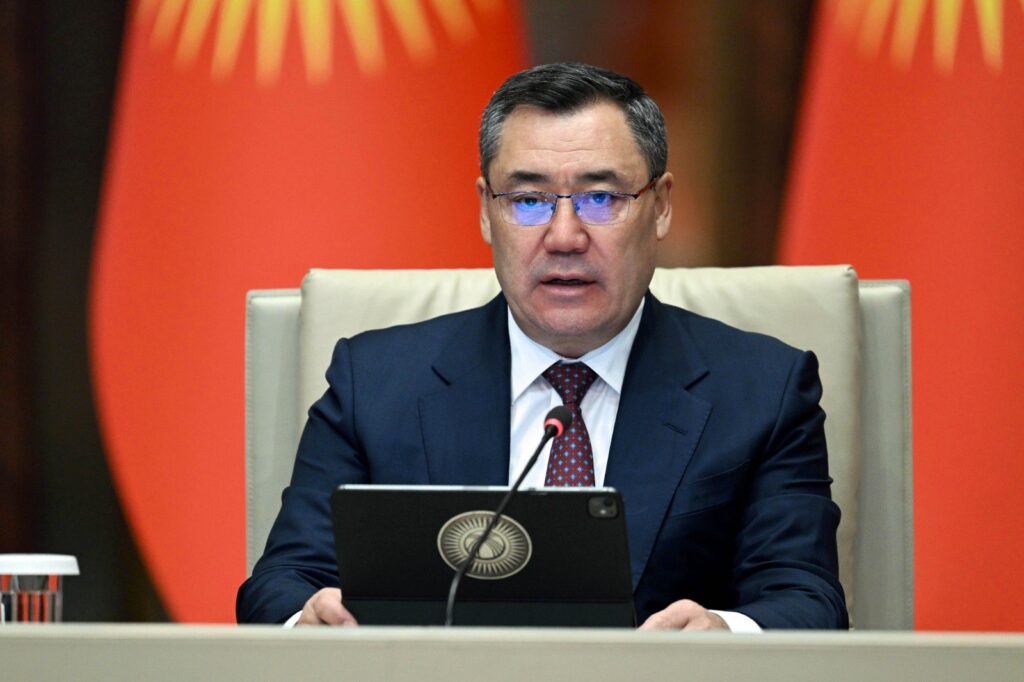
President Kassym-Jomart Tokayev has acknowledged the scale of the challenge. At the National Kurultai in January, he said data centers consume electricity on a scale comparable to metallurgical plants and that Kazakhstan’s existing generation was “clearly insufficient” for its development plans. He called energy self-sufficiency a key state priority and ordered an expansion of generating capacity, including new coal-fired power.
How, then, can Kazakhstan power a campus that could consume almost six times that shortfall? More strikingly, when the government prepared its 2026 electricity forecast, neither Data Center Valley nor any other AI or data-center project was included. The ministry says they will enter its calculations from 2027 - the same year the first facility is due to start operating.
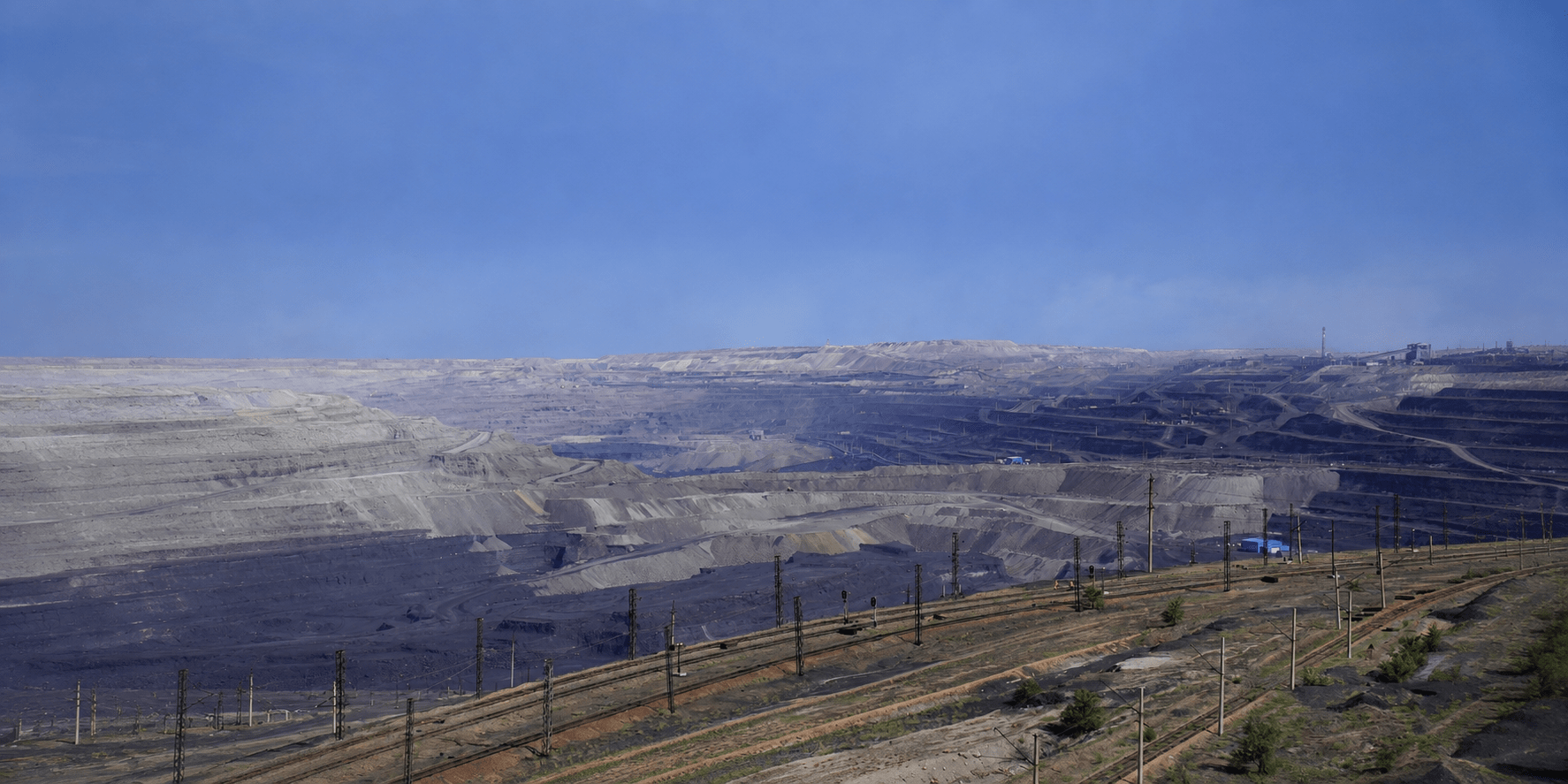
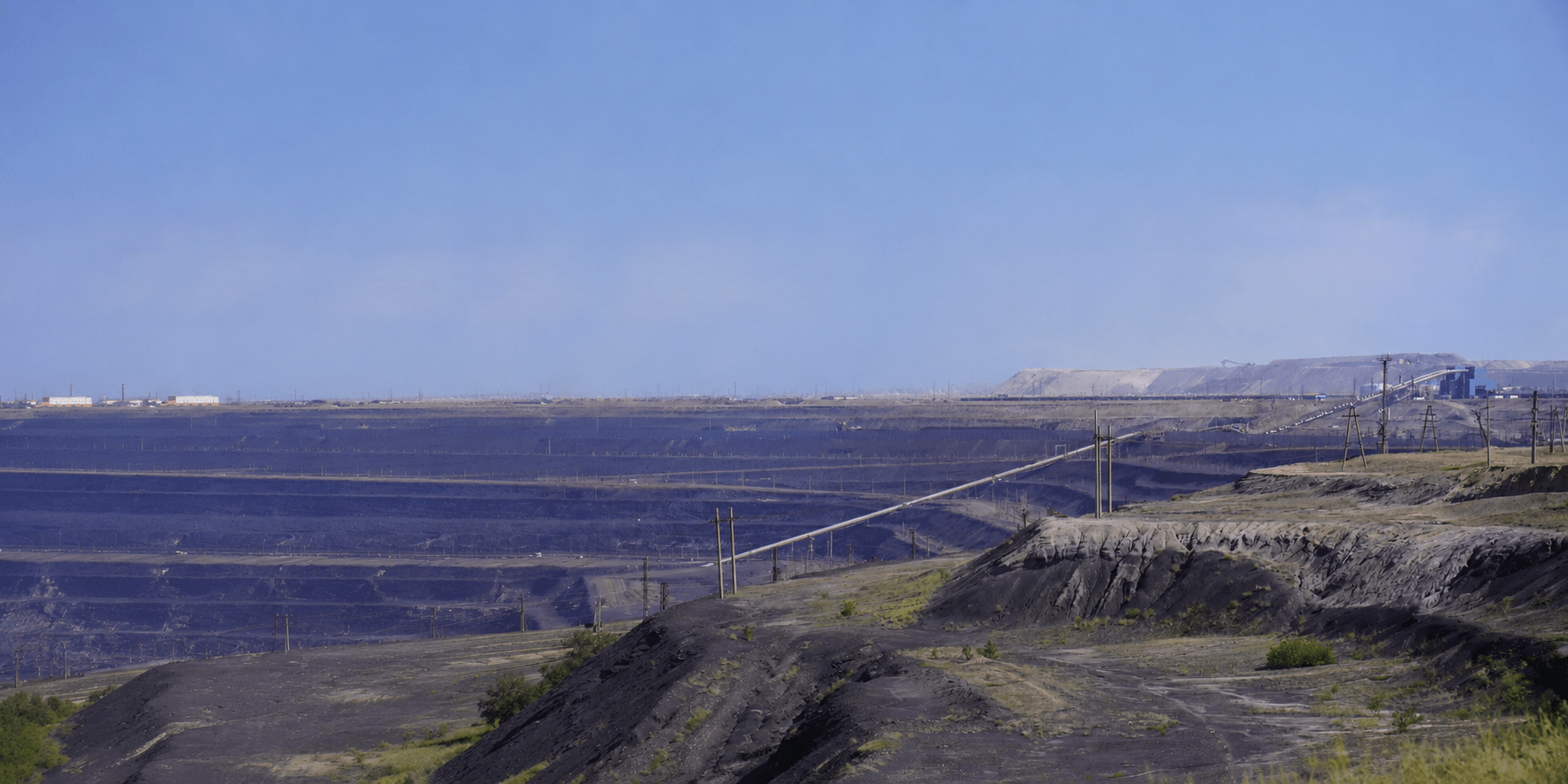
The mine of Bogatyr is expanding to increase production
From Coal to Algorithms
In Ekibastuz, the answer comes down to one word: coal. “In essence, Kazakhstan is turning Ekibastuz coal into export digital revenue,” Kazakhtelecom chairman Bagdat Musin has said. Electricity generated locally would be converted into computing services sold internationally. No major named customer contract has been announced, although Firebird says it holds guaranteed service contracts with global players. Amazon and G42 have been named as companies entering the ecosystem, while Kazakhstan has also held talks with Microsoft and OpenAI.
The landscape appears built for that ambition. Nearby lies Bogatyr, one of the world’s largest open-pit coal mines. From the observation deck, terraces of rock descend 300 meters into the earth. Excavators and haul trucks look like toys at the bottom.
“Ekibastuz is a very smart choice: energy is abundant and cheap here, while proximity limits transmission losses between the power station and the consumer,” Yevgeny Masternak, CEO of mine operator Bogatyr Komir, told TCA. To keep pace with anticipated demand, the company plans to raise annual production from 42 million tonnes in 2024 to more than 56 million by 2032.

Yevgeny Masternak, General Director of Bogatyr Komir TOO
To do so, the mine is racing to modernize. Only a few years ago, teams coordinated operations by radio. Inside the new control room, truck movements, extraction volumes, and coal quality now scroll across screens. “Nothing is more expensive than time,” said Nurzhan Batyrkhanov, the company’s production-system development director.
Excavators load coal into trucks before it is crushed and carried along 11.5 kilometers of conveyor belts to an automated train-loading terminal. Bogatyr Komir plans to invest almost $780 million more by 2032 in machinery, conveyors, and mine upgrades.
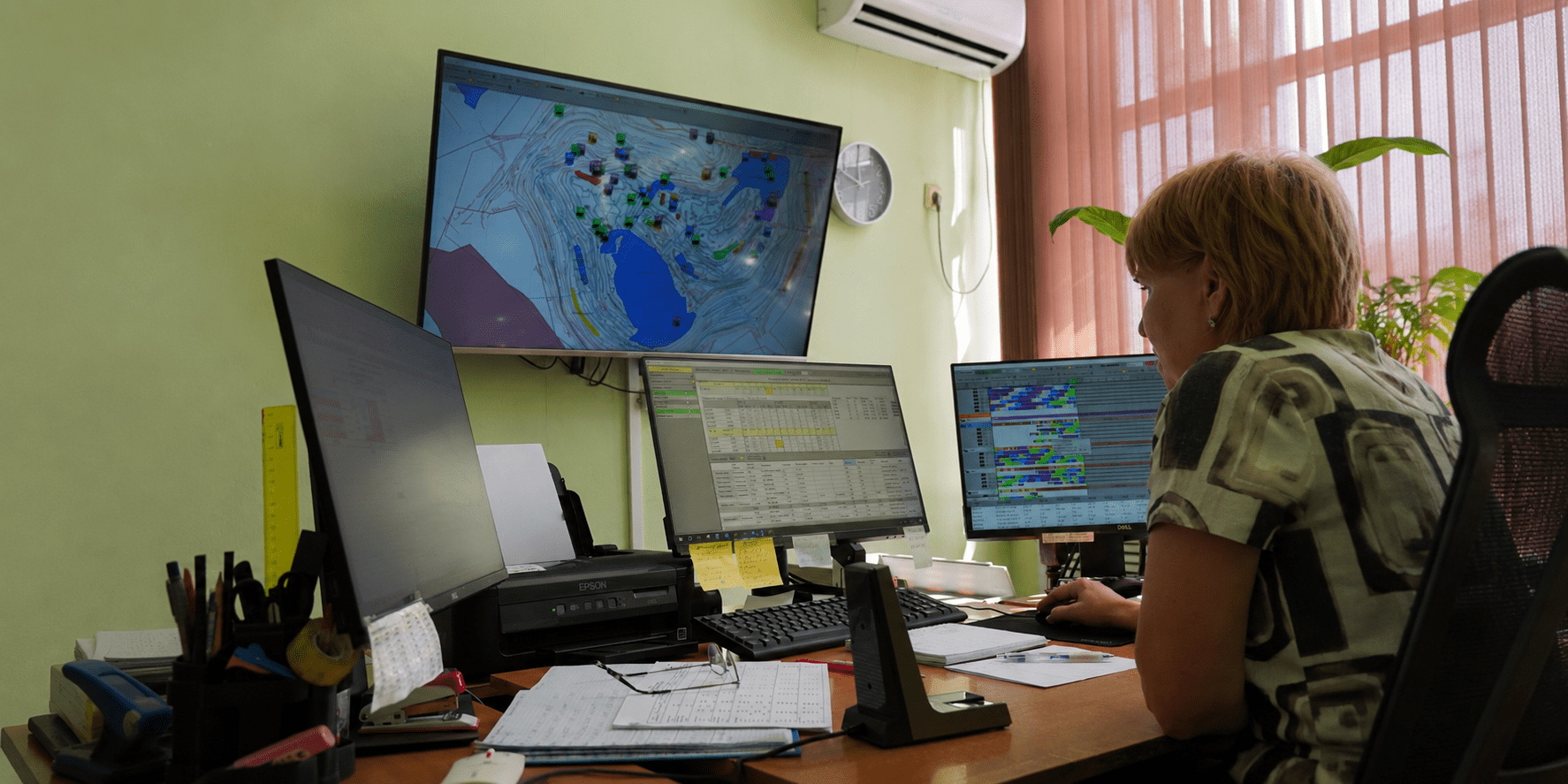
Bogatyr Komir introduced an Automated Dispatch Control System (ADCS) in 2022 to coordinate and monitor operations across the mine
Can Supply Catch Up?
Extracting more coal is one thing, but Kazakhstan must still turn it into electricity. Its ageing power stations are among the project’s weakest links. According to S&P Global, the average depreciation of primary equipment at conventional power plants had reached 56.8% by 2024. More than one-third of plants reported wear rates of between 70% and 90%. Breakdowns reduce the capacity actually available, especially during winter peaks.
The government nevertheless says Kazakhstan will fully cover demand from 2027 and then move into surplus. But the Ministry of Energy’s official capacity balance, reproduced by S&P Global, draws a distinction between meeting demand and maintaining the required power reserve. It projects a 1.278-gigawatt surplus in 2027 before reserve requirements, but a 2.366-gigawatt capacity deficit once the required reserve is included. That gap is forecast to narrow to 638 megawatts in 2029 before widening again. The government promises about 13 gigawatts of additional capacity nationwide by the end of 2029. Yet its response to The Times of Central Asia itemized only around 3 gigawatts of projects due between 2026 and 2029. It provided neither a figure for the anticipated surplus in 2027 and 2028, nor a contingency plan for construction delays.
Tatiana Lanshina, an energy-transition expert at the Agora Energiewende think tank, finds the timetable doubtful. “Demand continues to rise, the coal fleet is very old, and the grid still faces serious problems. This situation cannot be transformed so quickly.”
One crucial project is GRES-3, a planned 2.6-gigawatt coal plant in Ekibastuz. After struggling to attract foreign financing for several coal projects, Astana awarded GRES-3 to a Chinese-Kazakh consortium. Its four units are scheduled to come online progressively between 2029 and 2032. The land has only recently been secured, while design and cost documentation are not expected before September 2026, the Ministry of Energy said. Construction itself has yet to begin.
If data-center demand creates a risk of electricity shortages for households, the effects may be felt in southern Kazakhstan rather than in Ekibastuz. “The data centers may find enough electricity in the northern zone, which currently exports power to the south,” Lanshina said, “but this requires a rapid expansion of generation capacities, as the southern zone may receive less electricity.”
Will households first feel the impact of the data center through their electricity bills? Not according to the ministry, which says household tariffs will remain stable. It argues that Kazakhstan’s Single Buyer mechanism spreads the higher cost of electricity from new power plants and imports across the system – an explanation supported by energy expert Tatiana Lanshina.
The Environmental Bill
For the inhabitants of the Pavlodar region, the cost may lie elsewhere. By building a new digital industry around coal, Kazakhstan risks locking in emissions for decades, despite its pledge to reach carbon neutrality by 2060.
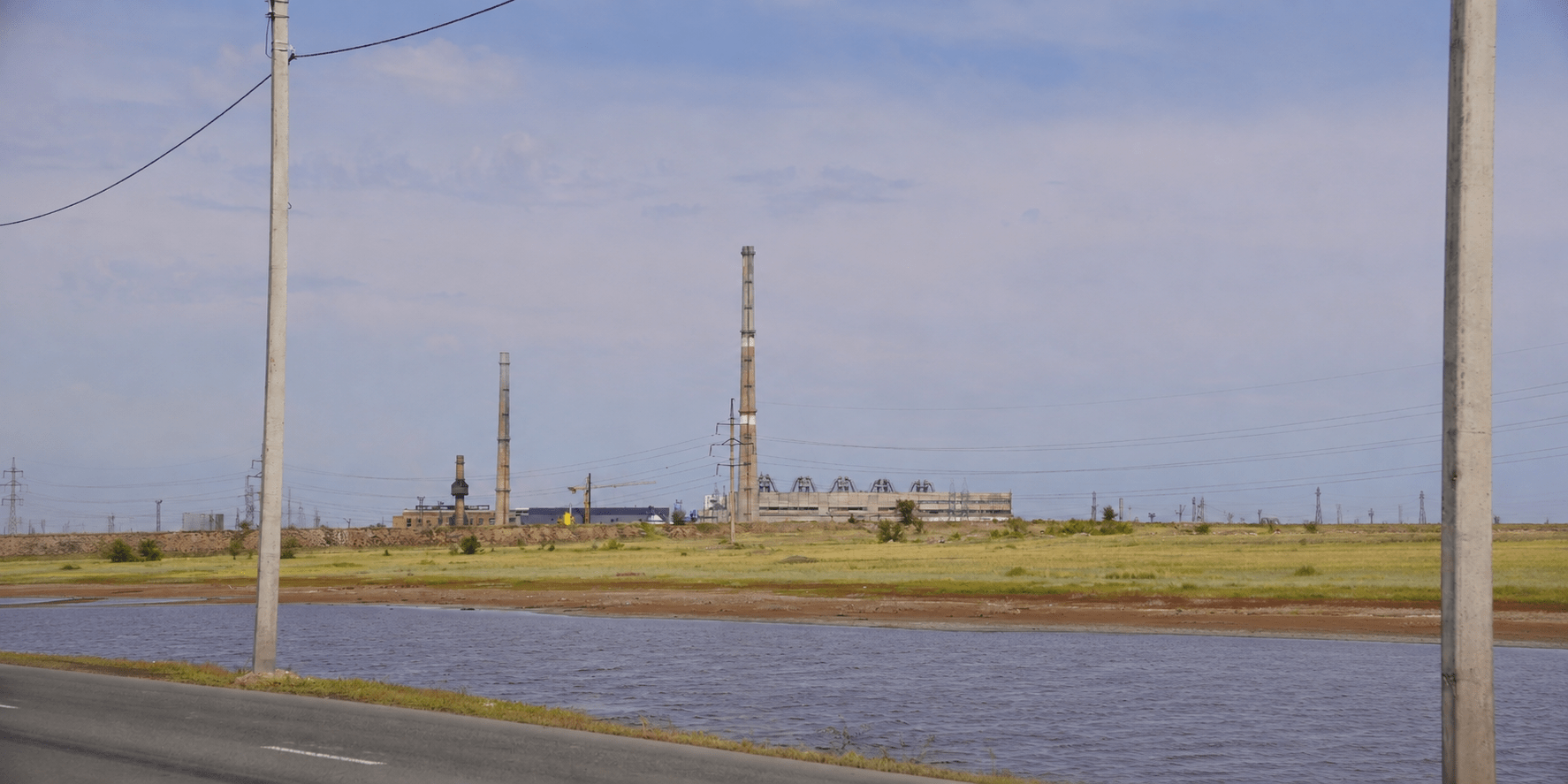
Ekibastuz combined heat and power plant dates back to the Soviet era
At full capacity, Data Center Valley could require more than five million tonnes of coal annually. The government promises that GRES-3 will use “highly efficient clean supercritical coal-fired generation” and pollution-control technologies. Such systems extract more electricity from each tonne and can reduce sulfur dioxide, nitrogen oxides, and particulate pollution. The ministry gave no measurable reduction targets and did not mention carbon capture. “A modern coal plant may be more efficient and emit less than an old one, but it still emits a large amount of CO₂. Continuing to build new coal capacity is fundamentally inconsistent with Kazakhstan’s carbon-neutrality target,” Tatiana Lanshina says.
“Burning coal not only produces fine particles. It also releases toxic gases and heavy metals linked to cancer, cardiovascular and respiratory diseases, pregnancy complications, and impaired child development,” said Zhuldyz Saulebetova, director of Almaty Air Initiative. Ekibastuz coal also has a high ash content and relatively low calorific value, meaning that more of it must be burned to produce the same amount of energy.
The footprint starts before the coal is burnt. Greater output means removing more overburden – the earth and rock covering the seams – and finding somewhere to store it. In early 2026, authorities identified a self-heating area in Ekibastuz in one waste pile that could release pollutants.
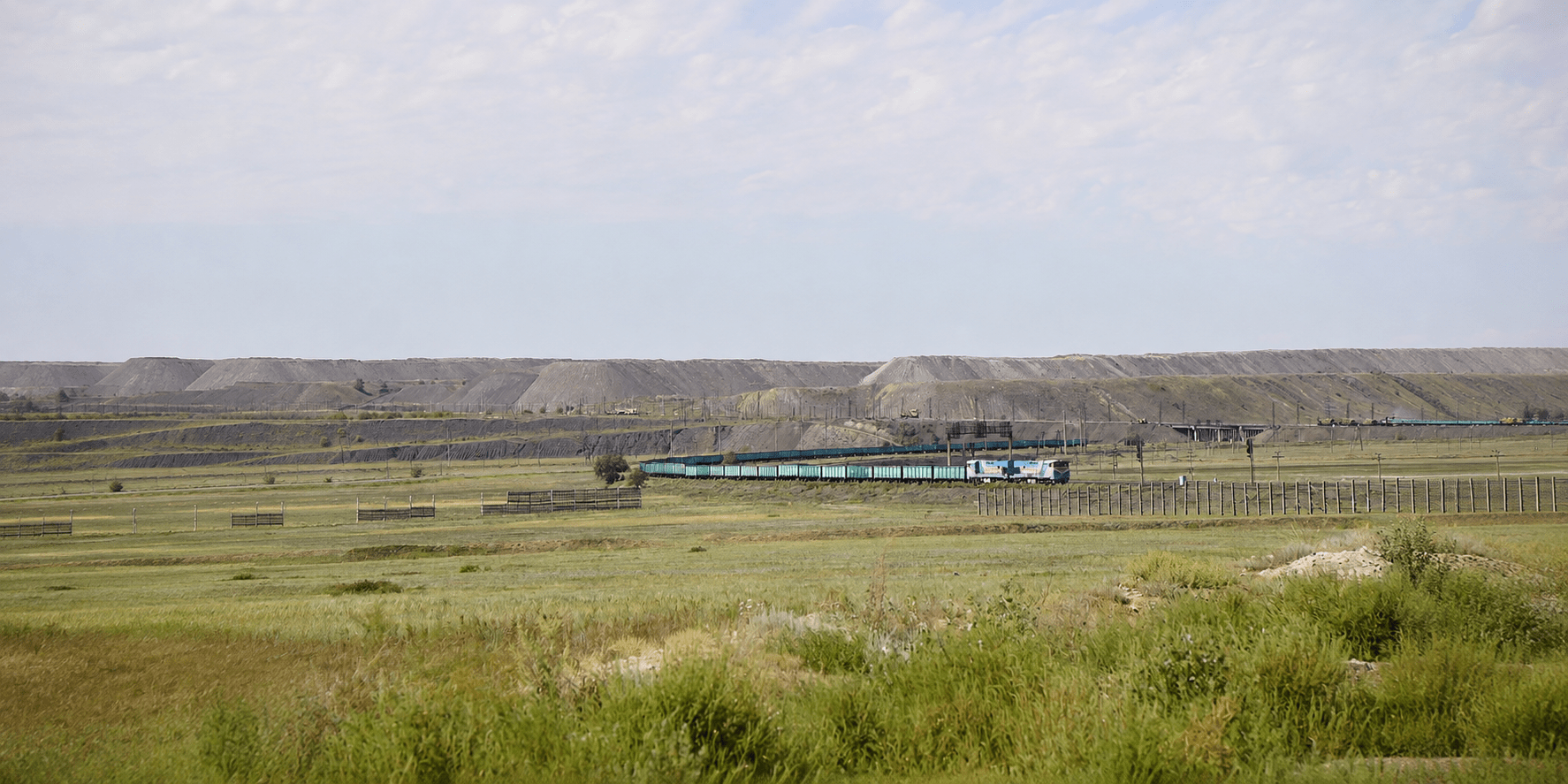
Overburden removed to reach the coal seams forms vast artificial ridges around the Bogatyr mine
Then there is water. The data centers alone are expected to consume 2,300 cubic meters a day – roughly 300 Olympic swimming pools a year. It will be drawn from the Satpayev Canal, fed by the Irtysh River. The Water Ministry says projected low-water conditions and increased transboundary withdrawals upstream are not expected to pose a significant risk to the project’s water supply.
In Pavlodar, resident Yekaterina Sannikova is still looking for answers. “I found basic information online, but nothing about water and electricity consumption, cooling technologies, or the impact on the local environment. My trust will depend on the project’s transparency.” For now, no environmental-impact assessment has been made public. Firebird.ai did not respond to requests for comment.
These impacts remain largely absent from the project’s public narrative, which focuses on investment and computing power. Yet greater dependence on coal was not inevitable. “It is possible to power data centers with renewables. Kazakhstan has a significant opportunity to leverage its excellent and competitive wind resources, particularly in the north, and complement them with abundant solar resources,” Lanshina said. “Decarbonized data centers are a growing global trend, with some operators aiming to procure 24/7 carbon-free electricity or direct connections to renewable power plants. Embracing this model could help Kazakhstan attract leading international investors and technology companies seeking low-carbon power.” Doing so, however, would require major investment in storage, grids, and system flexibility.
The views expressed in this article are those of the author and do not necessarily reflect the official policy or position of the publication, its affiliates, or any other organizations mentioned.