Tajikistan has asked Iran to supply 2.55 million metric tons of crude oil and petroleum products as Dushanbe looks for alternatives to increasingly unreliable Russian fuel supplies.
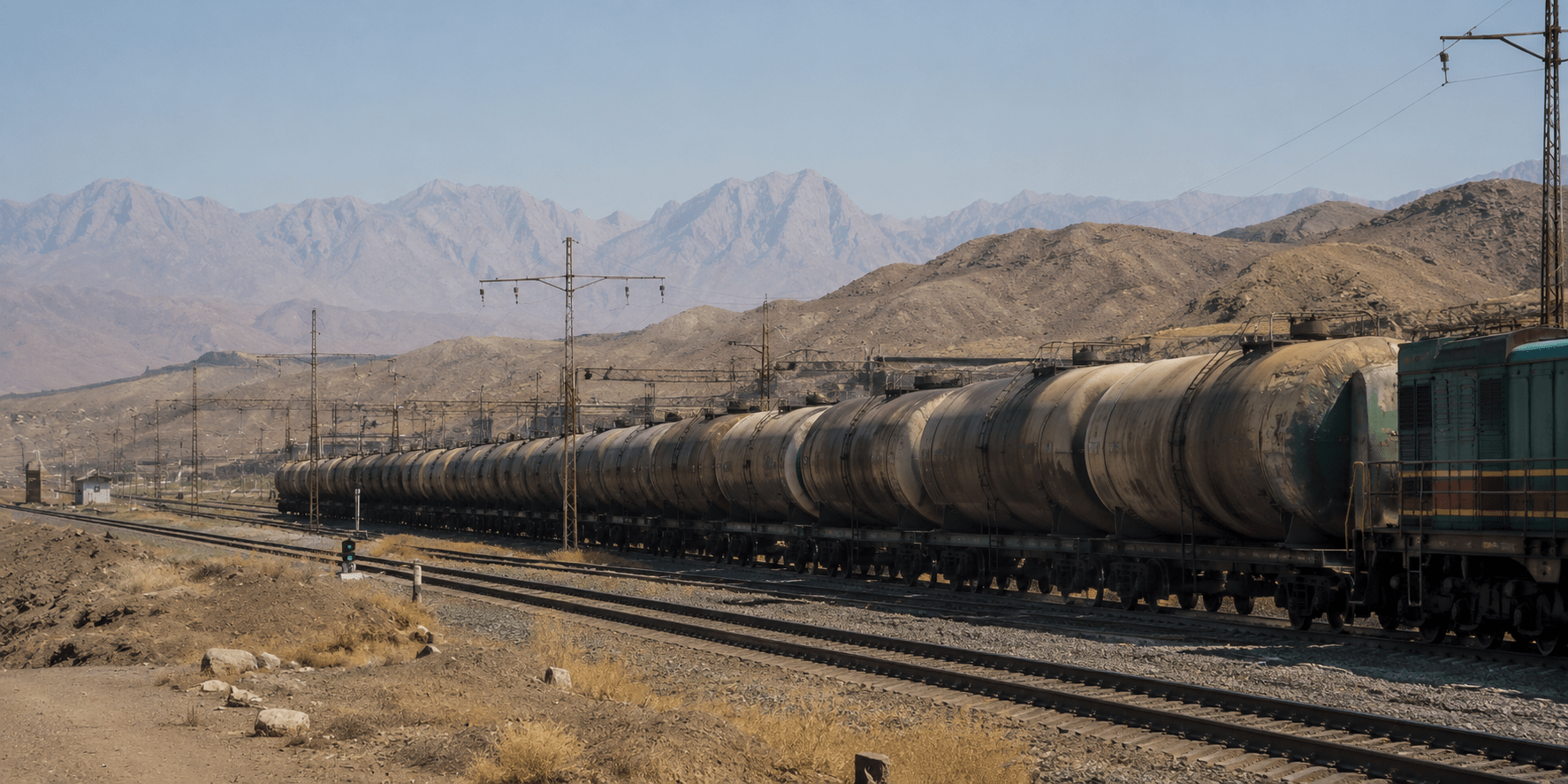
The request includes 2 million tons of crude oil, 300,000 tons of diesel, 150,000 tons of gasoline, and 100,000 tons of aviation fuel, according to Tajikistan’s Ministry of Transport. The ministry said the volume would require about 51,000 railway tank cars.
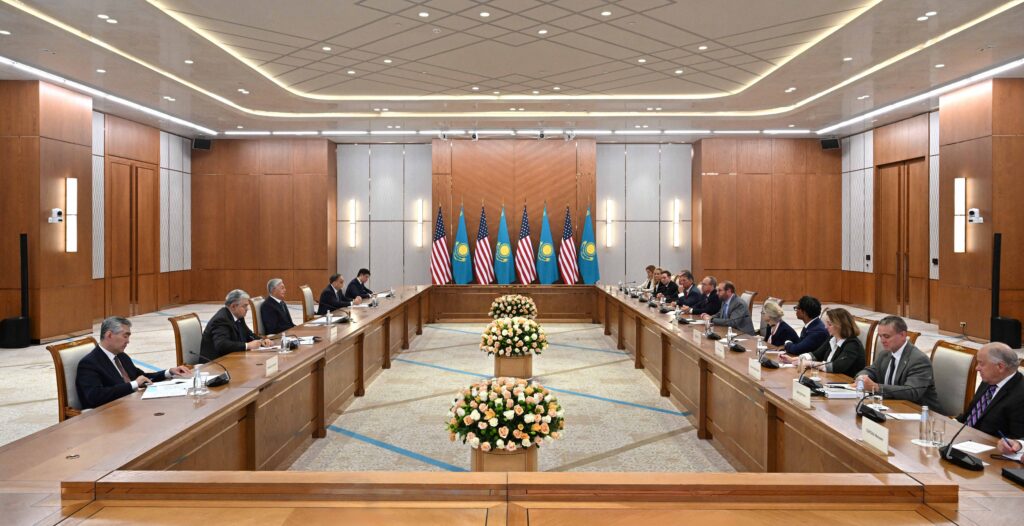
The proposal was discussed in Tehran on August 15 during talks between Tajik Transport Minister Azim Ibrohim and Iran’s Minister of Roads and Urban Development Farzaneh Sadegh. It is not yet a purchase agreement, and Tajikistan has not announced a delivery timetable, price, or supplier.
The timing, however, places the proposed trade directly inside a worsening sanctions environment. On August 20, U.S. President Donald Trump threatened economic consequences for countries providing support to Iran, promising “Economic Warfare and Isolation on an unprecedented scale.” Washington has not announced specific new measures linked to that statement.
Significant purchases and transport of Iranian petroleum already carry U.S. sanctions exposure. Executive Order 13846 authorizes sanctions against people and financial institutions involved in significant transactions for the purchase, sale, transport, or marketing of petroleum from Iran. A temporary U.S. authorization covering Iranian crude and petroleum products, issued in June, was revoked on July 7, with its wind-down period ending on July 17.
Russia’s Fuel Crunch Reaches Tajikistan
Dushanbe’s request to Iran is driven by a more immediate problem: dependence on Russian fuel. In 2025, Tajikistan imported about 1.7 million tons of fuel and lubricants, more than 1.2 million tons of which came from Russia. Tajik officials said in July that Russia supplied 84% of imported petroleum products.
That dependence has become more difficult to manage as Ukrainian drone attacks have reduced Russian refinery output and forced Moscow to protect its domestic market. Russian fuel shortages began spilling into Central Asia in early summer.
Tajikistan’s fuel imports fell sharply in July, pushing Dushanbe to seek additional supplies from China, Kazakhstan, Turkmenistan, Iraq, and Iran. Russia still accounted for 72.3% of fuel supplied to Tajikistan in the first half of the year, while talks with Kazakhstan had reached presidential level by the end of July.
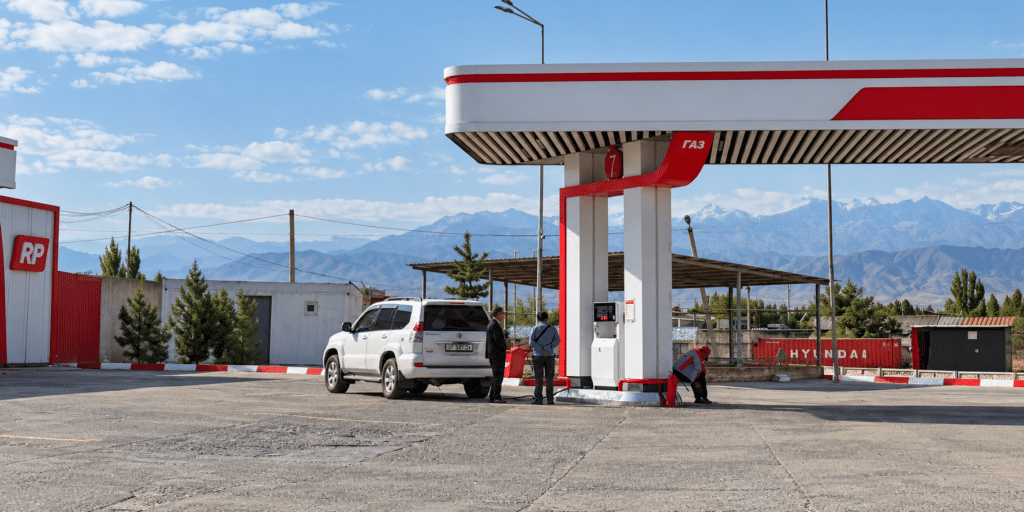
The pressure was already visible in Dushanbe. In early July, diesel disappeared from some filling stations, while others imposed sales limits. On July 10, Energy and Water Resources Minister Daler Juma said Tajikistan had roughly two months of petroleum reserves and was seeking alternative suppliers.
The scale of the request is striking. At 2.55 million tons, it exceeds Tajikistan’s total fuel and lubricant imports in 2025, although 2 million tons of the proposed volume is crude oil rather than finished fuel.
The Ministry of Transport has asked Iran to help organize dedicated tanker trains and create a “green corridor” giving Tajik fuel cargoes priority on the Iranian rail network. Further transit arrangements would still be needed because Tajikistan and Iran do not share a border.
The Refinery Question
The large crude component also highlights Tajikistan’s long-running problem with domestic refining. The country’s largest refinery, in the Dangara Free Economic Zone, was built with Chinese investment and commissioned in 2018. It has never reached sustained commercial operation because Tajikistan produces very little crude and has struggled to secure imported feedstock.
The refinery’s first phase can process around 500,000 tons of crude a year, rising to 1.2 million tons at full capacity. Test operations began in late 2024, but volumes remained tiny. The Tajik authorities said 1,622 tons of semi-refined crude were delivered that year, producing about 800 tons of gasoline.
Iran has been considered as a possible crude supplier for years. During talks in Tehran on August 15, Juma and Iranian Oil Minister Mohsen Paknejad discussed supplies of crude oil, diesel, and aviation fuel for Tajikistan, as well as preferential pricing.
The Transport Ministry has not said which refinery would receive the requested crude. If all 2 million tons were intended for Dangara, the volume would exceed the plant’s annual design capacity. Deliveries would therefore have to be spread over more than a year or require additional processing capacity.
Securing the oil is only part of the problem, however. Any large purchase from Iran would also have to navigate financing, insurance, transport, and U.S. sanctions risk. Trump’s latest warning adds uncertainty, but that sanctions exposure predates his August 20 statement.
Russia remains Tajikistan’s established fuel supplier, but recent shortages have exposed the cost of that dependence. Iran offers another source of crude and refined products, along with a southern trade route, but any major deal would bring greater logistical and sanctions complications.
The request therefore looks less like a geopolitical shift than an attempt to solve an increasingly urgent energy-security problem. It remains unclear whether Iran can supply the volumes Dushanbe wants, or whether Tajikistan can move and finance them.