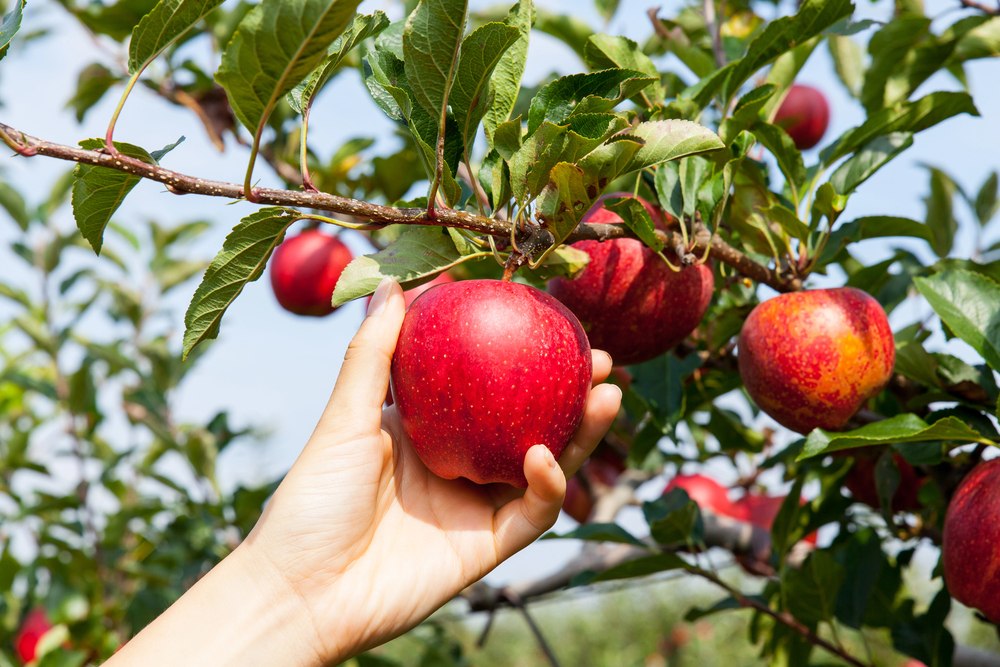
Kyrgyzstan is considering temporary bans on apple and potato imports to prevent foreign produce from driving down prices during the domestic harvest season. The proposed apple import ban would remain in place until February 1, 2027, while potato imports would be restricted until March 1.
The Ministry of Agriculture expects Kyrgyz farmers to harvest 179,400 metric tons of apples this year. Meanwhile, the country imported 6,400 tons between January and August, more than twice the amount imported during all of 2025. The main suppliers were Poland (3,600 tons), China (1,700 tons), and Uzbekistan (859 tons).
Kyrgyz apple exports, by contrast, fell by 13.3% over the same eight-month period to 10,800 tons. The ministry is concerned that rising imports and declining exports could make it harder for local growers to sell their harvest without accepting lower wholesale prices.
For potatoes, the government expects domestic production to cover the country’s needs. The projected harvest is 1.25 million tons, compared with annual domestic consumption of approximately 800,000 tons. The ministry proposes restricting imports until spring to give farmers time to sell their crops.
The proposals raise questions about Kyrgyzstan’s obligations within the Eurasian Economic Union (EAEU), which guarantees the free movement of goods between member states. According to a published examination of the draft legislation, the apple ban would also cover imports from other EAEU countries, while the potato proposal does not specify whether these would be included.
Under Article 29 of the EAEU Treaty, member states can restrict trade in certain circumstances, including to protect public health or national security.
In September, Kazakhstan also introduced a ban on apple imports. The ban, which runs until December 31, extends to apples from other EAEU countries and specifically cites Article 29 of the Union’s treaty.
As recently as March, Kyrgyzstan’s Ministry of Agriculture said there were no grounds for restricting potato imports from China, citing, among other factors, the country’s international trade obligations.