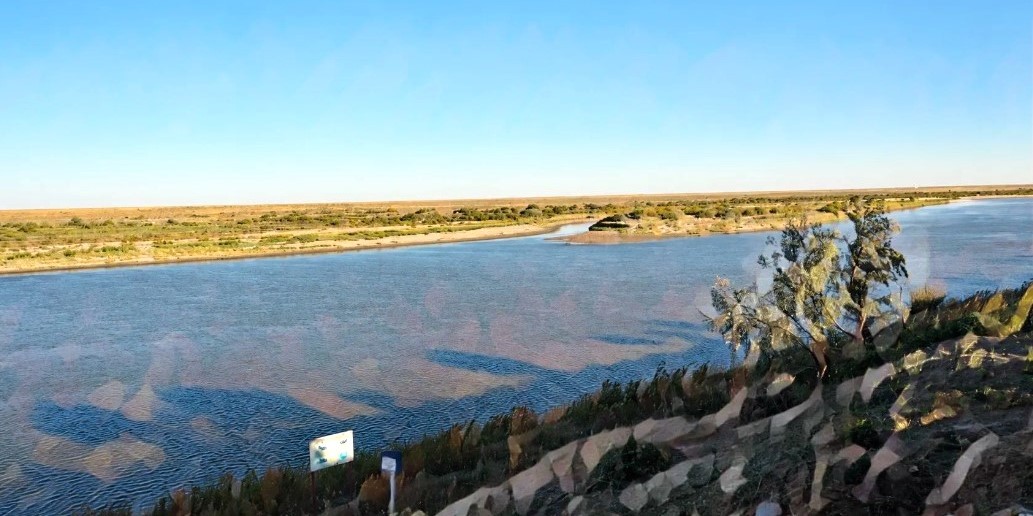
Water has repeatedly caused friction between Central Asian governments. Uncoordinated releases have flooded communities downstream, while disputes over access have contributed to deadly fighting along contested borders. On October 7, the region’s countries agreed on water withdrawals from the Amu Darya and Syr Darya for fall and winter 2026–2027, though published results do not reveal how much water each country will receive.
The agreements were reached at the 95th meeting of the Interstate Commission for Water Coordination (ICWC) in Avaza, on Turkmenistan’s Caspian coast near Turkmenbashi. Participants agreed on national water withdrawal limits and projected reservoir operating schedules, but the figures remain in unpublished annexes to the meeting protocol.
Regional cooperation has grown in recent years. In June, Kazakhstan, Kyrgyzstan, and Uzbekistan agreed on water releases and electricity supplies for the 2026 irrigation season, continuing efforts to coordinate reservoir operations across borders.
Despite this progress, longstanding tensions remain. Kyrgyzstan and Tajikistan need water in the winter to generate electricity, while Kazakhstan, Uzbekistan, and Turkmenistan need it in the summer for irrigation. Bishkek has revived proposals for its neighbors to share the costs of maintaining reservoirs, while Afghanistan’s Qosh Tepa Canal could put further pressure on the Amu Darya. Countries are also trying to resolve discrepancies in river-flow measurements.
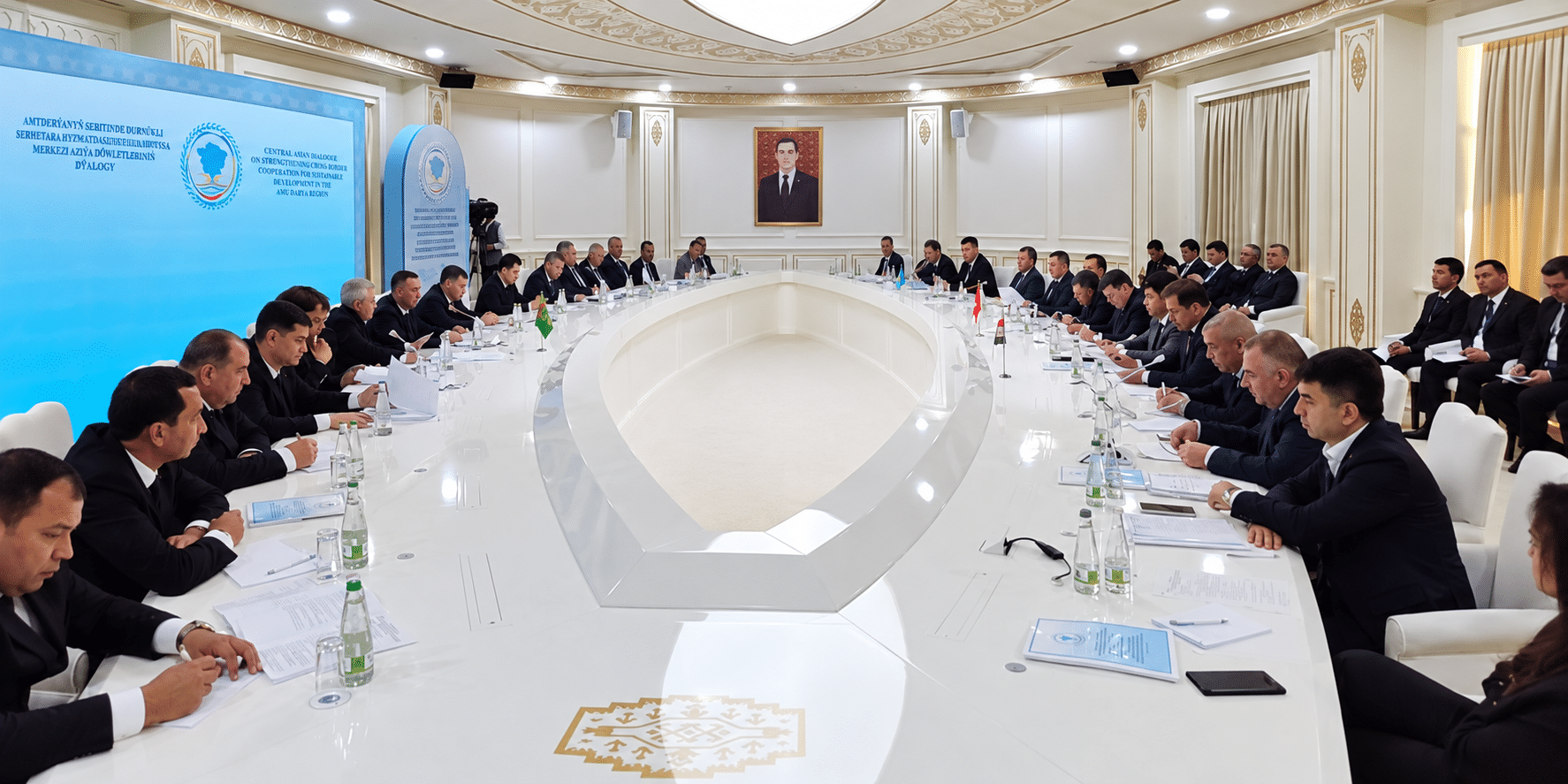
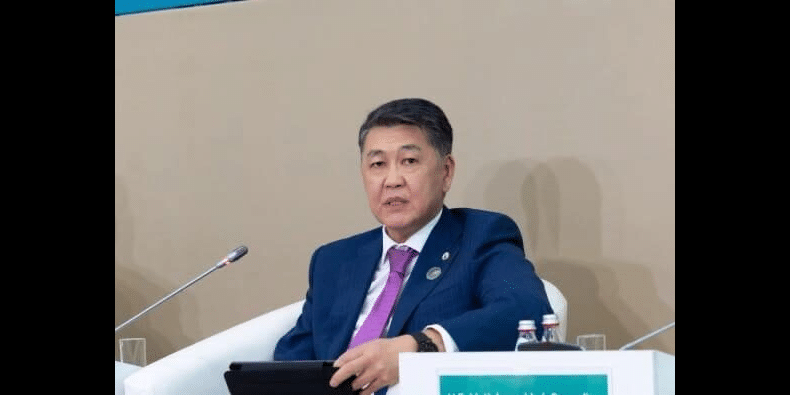
Officials from Central Asian countries attend talks on cross-border cooperation and sustainable development in the Amu Darya basin in Turkmenistan. Image: State News Agency of Turkmenistan
From Flooded Villages to Border Clashes
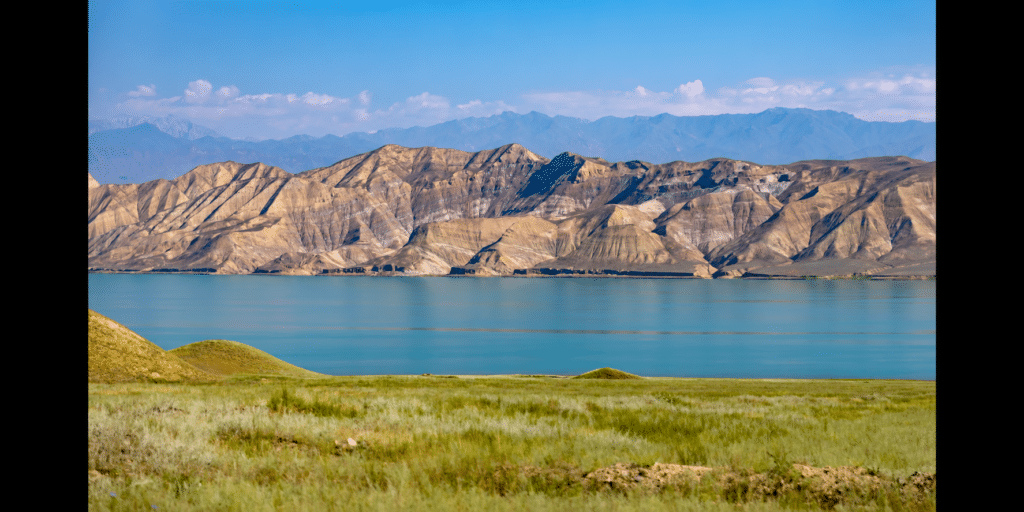
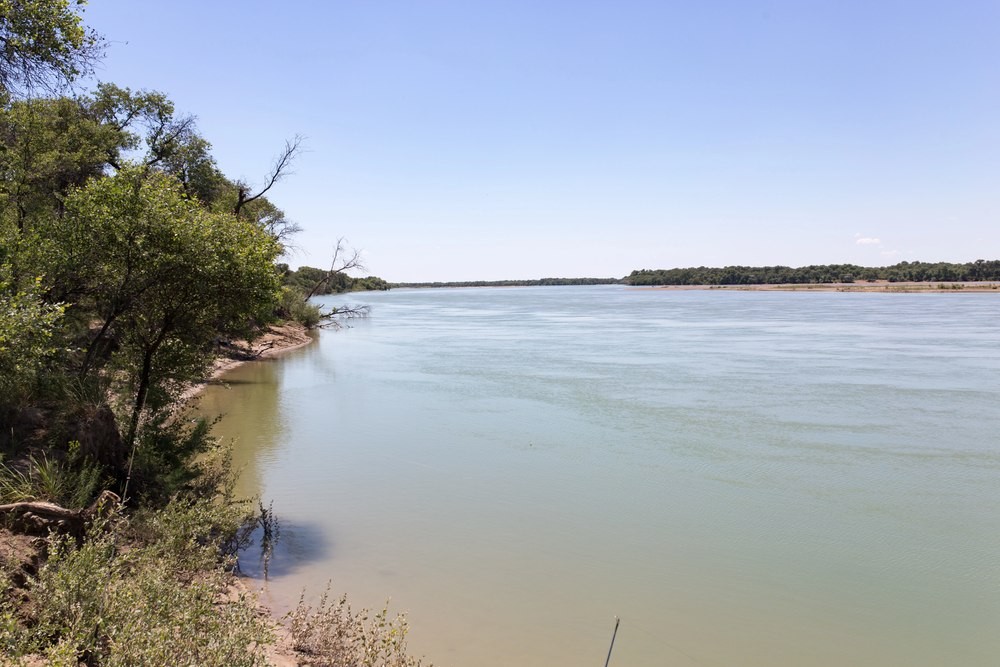
The competing demands of electricity generation and agriculture are particularly evident in the Syr Darya basin. Kyrgyzstan’s Toktogul Reservoir sits on the Naryn River, the Syr Darya’s main tributary. In winter, Kyrgyzstan releases water to generate electricity, months before downstream farmers need it for irrigation. When these releases exceed the capacity of reservoirs and canals, the excess water can cause flooding.
In February 2004, residents of Kazakhstan’s Kyzylorda region experienced the consequences of uncoordinated water releases. The Syr Darya overflowed its banks, forcing the evacuation of at least 200 families. Ice had already restricted the river’s flow, worsening the flooding.
According to NASA, Kyrgyzstan was releasing more water from its hydropower system than the agreements allowed, with the excess flow entering the Shardara Reservoir. Uzbekistan agreed to divert some of the water into the Arnasay lake system, but it was not possible to divert the entire volume needed. As a result, the river flooded areas farther downstream.
In the Amu Darya basin, disagreements developed differently. In 2012, then-Uzbek President Islam Karimov warned that disputes over water resources could lead to war.
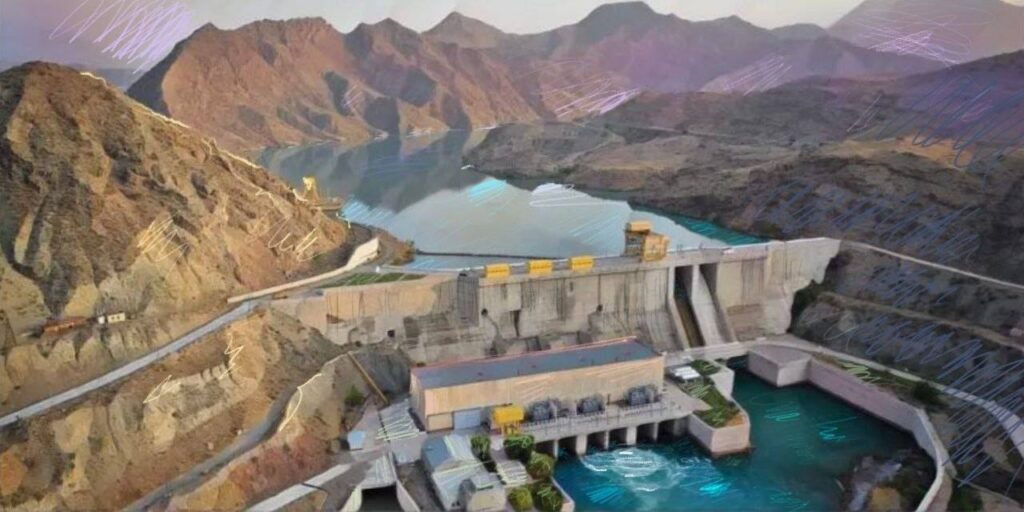
The source of tension was the construction of the Rogun Hydropower Plant in Tajikistan. Tashkent feared that a large dam on the Vakhsh River, a tributary of the Amu Darya, would allow Dushanbe to influence the volume of water reaching Uzbekistan’s agricultural regions.
The confrontation was accompanied by interruptions in gas supplies to Tajikistan, transport restrictions, and mutual accusations. Dushanbe linked Tashkent’s actions to pressure over the Rogun project, although the Uzbek side disputed that interpretation.
Relations improved after Shavkat Mirziyoyev came to power in 2016, after which Uzbekistan abandoned its previous hardline rhetoric and began discussing joint energy projects with its neighbors.
However, construction of the Rogun Hydropower Plant continues to raise concerns among communities downstream along the Amu Darya. In 2025, a complaint was lodged on behalf of residents in Uzbekistan and Turkmenistan, citing the potential consequences of filling the reservoir for water supplies and ecosystems. The World Bank’s Board of Executive Directors subsequently rejected its Inspection Panel’s recommendation for a full investigation.
In April 2021, a dispute over the Golovnoy water distribution facility on the Isfara River triggered an armed clash on the border between Kyrgyzstan and Tajikistan. A conflict between residents quickly escalated into exchanges of gunfire involving border guards and military personnel. The violence killed more than 50 people and injured hundreds, while approximately 58,000 residents fled their homes or were evacuated.
The causes of the long-running confrontation between Kyrgyzstan and Tajikistan were not limited to water. The neighbors also disagreed over where the border ran, the use of roads, and access to disputed areas. Further large-scale clashes occurred in September 2022.
In March 2025, the presidents of Kyrgyzstan and Tajikistan signed a state border agreement after concluding lengthy negotiations.
Who Should Pay for Water?
The question of who should cover the costs of storing and regulating water has a long history.
During the Soviet era, Kyrgyzstan and Tajikistan stored water in the winter for summer irrigation in neighboring republics, receiving fuel and electricity in return. After the Soviet Union collapsed, the unified exchange system broke down.
In 1998, Kazakhstan, Kyrgyzstan, and Uzbekistan concluded an agreement on the use of water and energy resources in the Syr Darya basin, with Tajikistan joining later. The agreement provided for coordination of reservoir operating schedules and compensatory energy supplies in exchange for water for summer irrigation. However, the distribution of costs for maintaining hydraulic infrastructure remained a subject of dispute.
On February 9, 2026, Kyrgyz lawmaker Umbetaly Kydyraliev raised the issue of payment for irrigation water flowing into Kazakhstan and Uzbekistan. He drew attention to Kyrgyzstan’s expenses in maintaining hydraulic facilities and asked what economic benefit the country receives from its neighbors’ use of the water.
On April 22, at the Regional Environmental Summit in Astana, Kyrgyz President Sadyr Japarov proposed establishing a compensation mechanism in the water and energy sector. According to Japarov, approximately 50 billion cubic meters of water resources are generated annually in Kyrgyzstan, of which about 38 billion cubic meters flow into neighboring countries.
Japarov also said that Kyrgyzstan had allocated $259 million to the water management sector over the past five years, including approximately $80 million in the most recent year. He proposed treating water storage and regulation, maintenance of hydraulic structures, and the protection of catchment areas as services whose costs should be shared by water users.
Unlike the lawmaker’s proposal to charge for water, Japarov’s initiative covers a broader range of expenses. The Kyrgyz authorities are considering various forms of compensation, including financial payments, energy supplies, and joint investment in infrastructure modernization. Kazakhstan and Uzbekistan have opposed direct payments for river water, saying the existing legal framework provides no such obligation.
Kazakhstan’s Water Forecast and Amu Darya Measurements
Following the October meeting, Kazakhstan presented the most specific figures. During the 2026 irrigation season, 3.69 billion cubic meters of water flowed into the Shardara Reservoir in southern Kazakhstan, 840 million cubic meters more than initially forecast. An inflow of approximately 10 billion cubic meters is expected during the fall and winter.
Shardara is located on the Syr Darya, near the border with Uzbekistan. Its operation affects irrigation in the Turkestan region, regulation of river flow, and the protection of downstream areas from flooding. The projected 10 billion cubic meters represents the expected inflow over the entire cold season, not the current volume of water stored in the reservoir.
On the Amu Darya, participants in the negotiations addressed a different problem: the accuracy of river flow measurements.
At the Kerki hydrological station in Turkmenistan, different flow rates were recorded at the same river level. This does not necessarily indicate inaccurate measurements or a breach of water quotas, as flow rates also depend on the speed of the current, water depth, and changes in the riverbed. However, measurements at hydrological stations are used to assess river flow volumes and compliance with interstate agreements.
The commission instructed specialists to determine the reasons for the discrepancies. At the Avaza meeting, the countries also agreed to convene a working group to develop a plan for automated water accounting in the Syr Darya basin.
Neighboring countries also need a common measurement methodology. Otherwise, discrepancies in readings could become grounds for another dispute over compliance with quotas.
Previous Limits and Water for the Aral Sea
For the 2026 irrigation season, the total water withdrawal limit from the Syr Darya was 11.884 billion cubic meters. Uzbekistan was allocated 8.8 billion, Tajikistan 1.905 billion, Kazakhstan 909 million, and Kyrgyzstan 270 million cubic meters.
In the Amu Darya basin, a limit of approximately 39.8 billion cubic meters was established for April–October. Uzbekistan was allocated 16.02 billion, Turkmenistan 15.5 billion, and Tajikistan 7.052 billion cubic meters.
The October meeting also addressed water supplies to river deltas and bodies of water in the Aral Sea region.
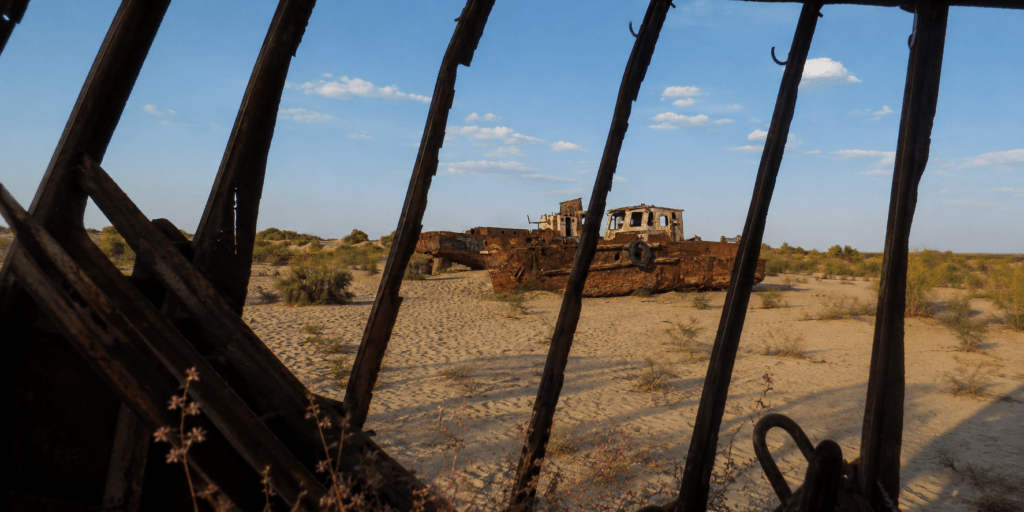
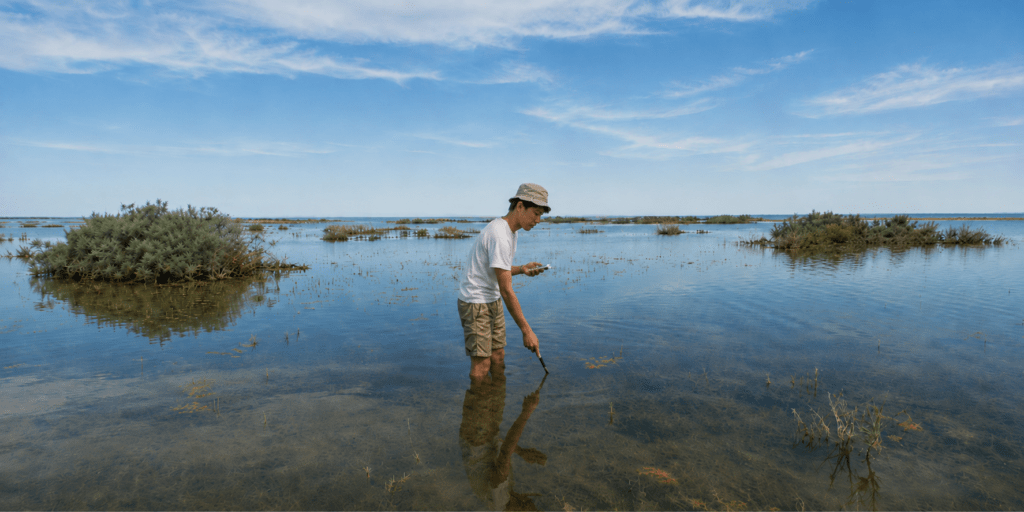
The Aral Sea began shrinking rapidly in the 1960s following the expansion of irrigated agriculture and the large-scale diversion of water from the Amu Darya and Syr Darya. The northern part of the sea in Kazakhstan has partially recovered thanks to the Kokaral Dam. The southern part, located primarily in Uzbekistan, continues to suffer the consequences of desiccation.
The volumes of water designated to sustain delta ecosystems during the coming winter were also absent from the published materials.
Afghanistan’s 285-kilometer Qosh Tepa Canal is intended to draw water from the Amu Darya to irrigate farmland in the country’s north. Construction is scheduled for completion in 2028. The project could reduce water supplies reaching Uzbekistan and Turkmenistan.
The next ICWC meeting is planned for Uzbekistan in the first quarter of 2027. Afghanistan, however, remains outside the regional negotiations over how the river’s water is shared.