Archaeologists have discovered rare coins dating to the 10th–11th centuries at the bottom of Lake Issyk-Kul in Kyrgyzstan. The coins, from the Karakhanid period, may contain as much as 90% lead, an unusual composition that researchers believe could reflect a shortage of copper. Their discovery is particularly valuable for understanding monetary circulation in medieval Central Asia.
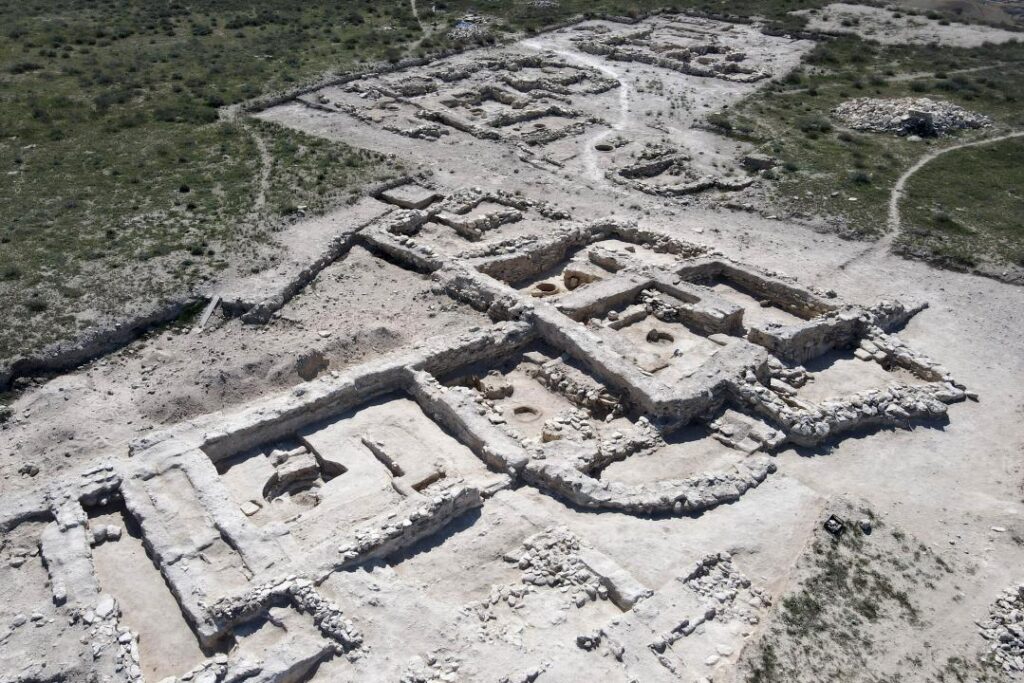
The coins were found during underwater excavations at the Toru-Aygyr archaeological complex in northwestern Issyk-Kul. The site contains the remains of a large medieval settlement on the northern branch of the Silk Road. According to the Institute of Archaeology of the Russian Academy of Sciences, the settlement existed from at least the 10th to the 13th centuries and was submerged in the 15th century.
Expedition co-leader and archaeologist Maxim Menshikov said the coins were poorly preserved. The metal is brittle and porous, with inclusions resembling sand, making the inscriptions difficult to decipher. Their precise composition has yet to be confirmed through laboratory analysis.
Archaeologists also discovered part of a cast-iron cauldron, believed to be among the earliest finds of its kind at the site, and large fragments of ceramic vessels.
Seven medieval structures built from fired bricks have been discovered at Toru-Aygyr. According to Menshikov, only about six comparable buildings are known from other archaeological sites in Kyrgyzstan.
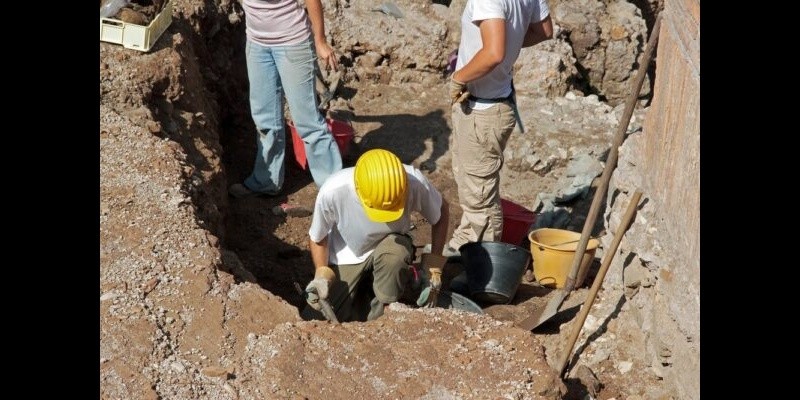
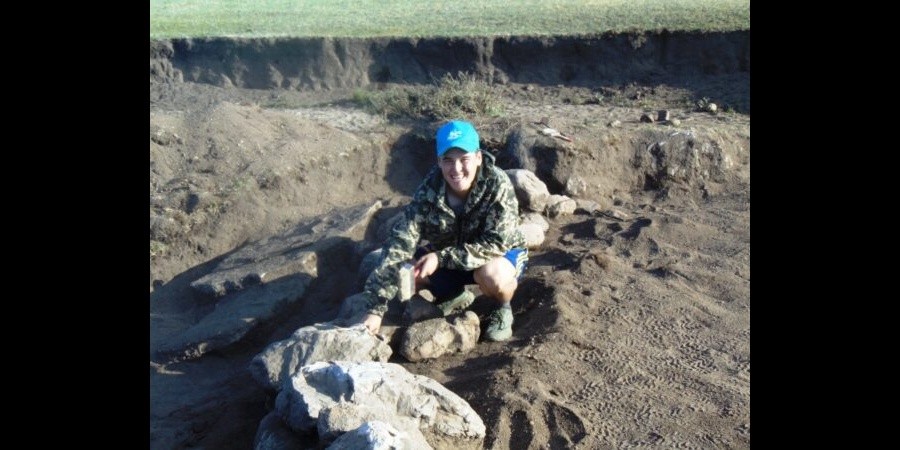
Research at the settlement resumed in 2023, with the latest round of fieldwork taking place in September 2026. Archaeologists are studying remains at depths of around four meters, using underwater imaging and specialized equipment. So far, only 15–20% of the site has been surveyed.
One of the expedition’s main objectives is to establish why the settlement was submerged. Researchers are investigating two possible explanations: an earthquake that caused part of the shoreline to collapse, or a gradual rise in water levels due to tectonic changes.
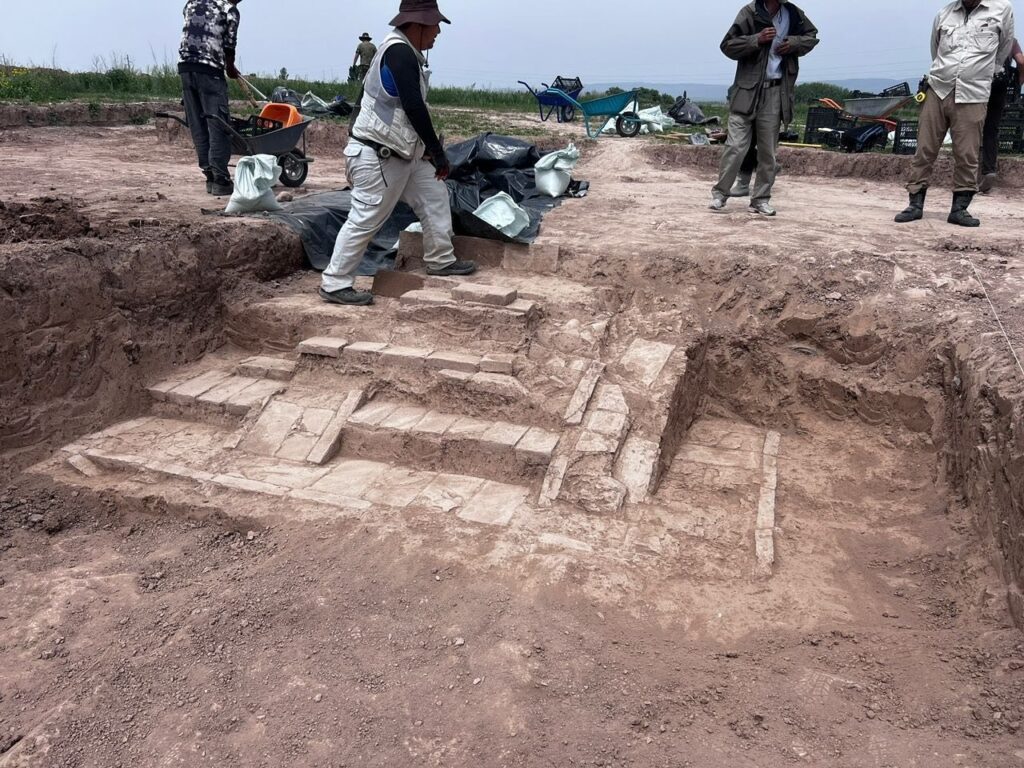
The remains of a 7th–8th-century Buddhist temple were discovered at the Ak-Beshim archaeological site, the location of ancient Suyab in Kyrgyzstan’s Chuy Valley. Suyab was a major Silk Road center and the capital of the Western Turkic Khaganate.