For decades, some of Soviet Central Asia’s most inventive recordings survived in an awkward limbo. The music existed, but often on ageing vinyl, scattered tapes, private collections, and copies traded amongst collectors at increasingly extortionate prices. The musicians themselves could be difficult to trace, while the legal ownership of recordings made under the Soviet system was rarely straightforward.
Tashkent-based archivist, collector, and producer Anvar Kalandarov has made that ambiguity part of his work. He runs Maqom Soul Records, an Uzbek label devoted to bringing overlooked Central Asian recordings back into circulation. His work ranges from Soviet-era jazz and Uyghur folk rock to music that resists easy classification altogether.
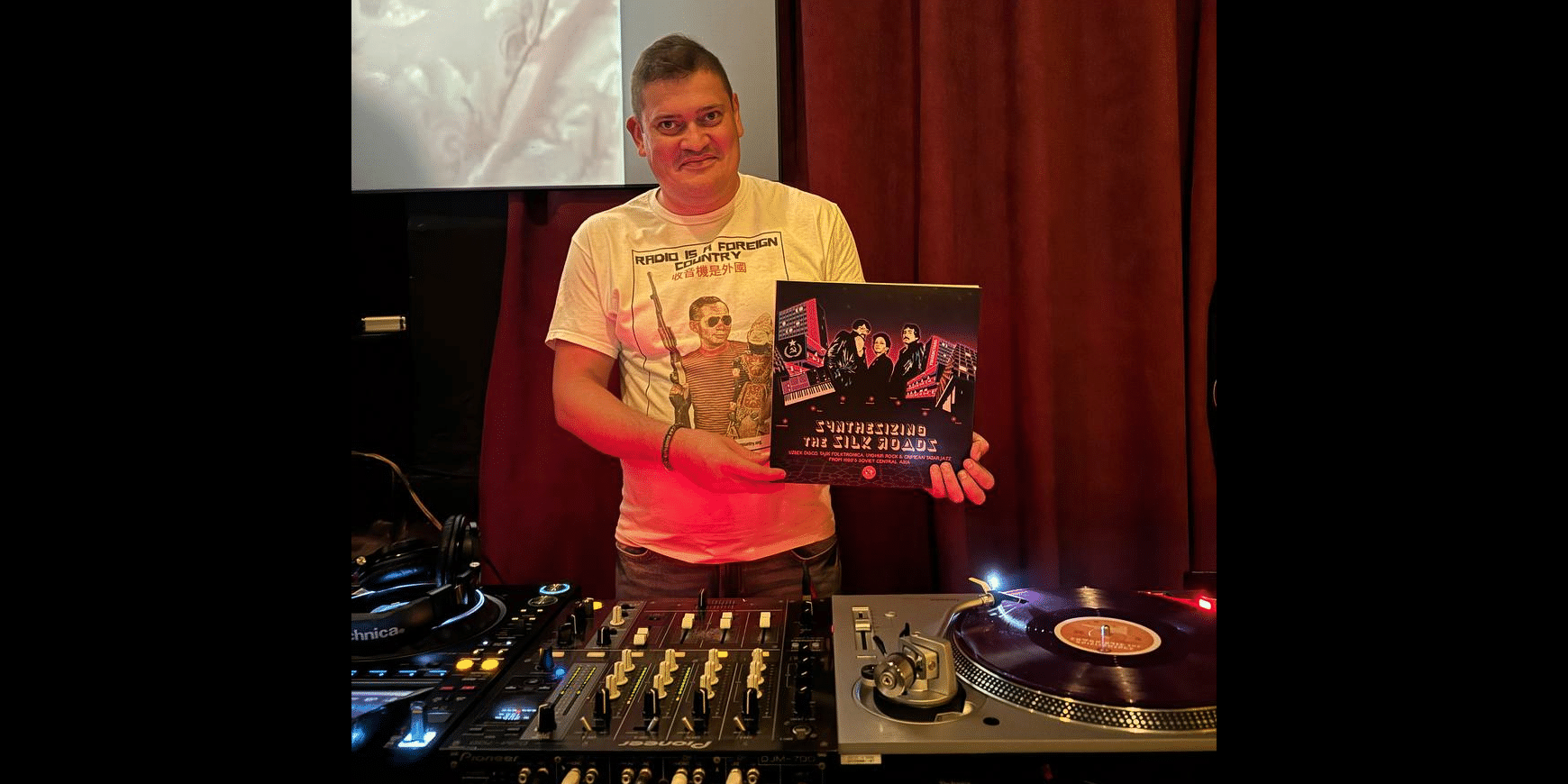
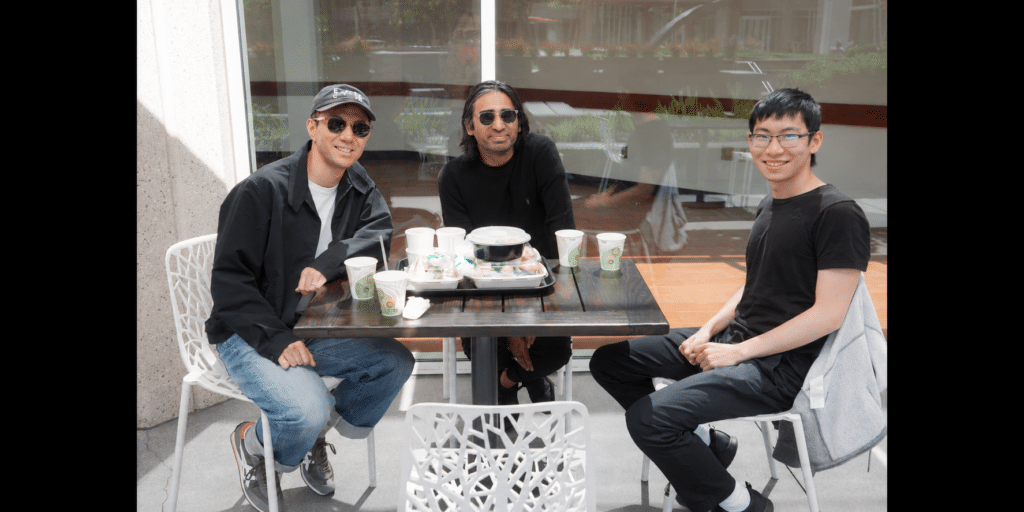
Anvar Kalandarov holding Synthesizing the Silk Roads; image courtesy of the subject.
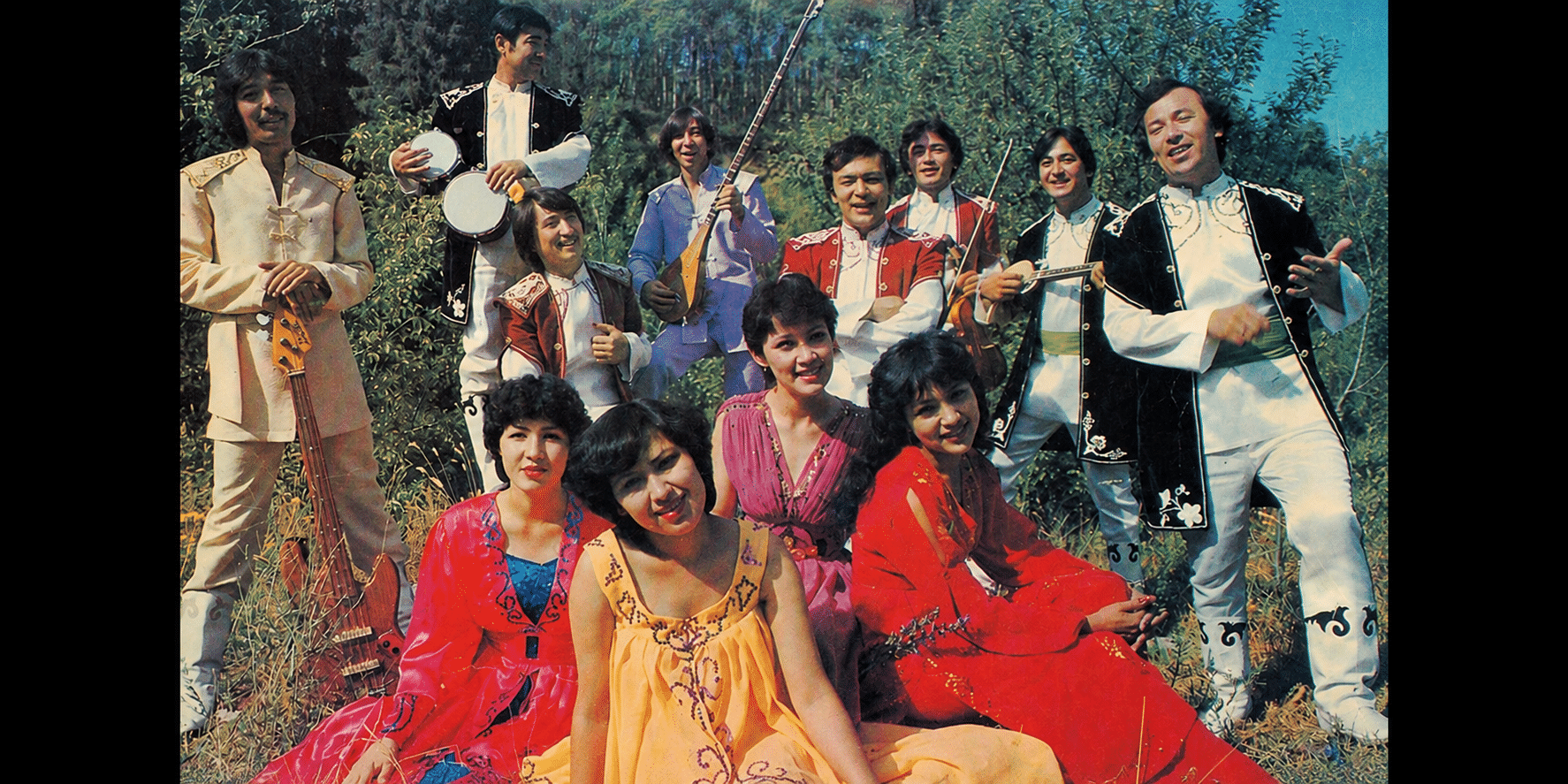
Kalandarov was one of the curators behind Synthesizing the Silk Roads: Uzbek Disco, Tajik Folktronica, Uyghur Rock & Tatar Jazz from 1980s Soviet Central Asia, released by Ostinato Records in 2024. The Times of Central Asia previously traced how wartime evacuation, Soviet recording infrastructure, and Tashkent’s role as a Silk Road crossroads helped create the unusual musical environment captured on that compilation.
His more recent projects include Digging Central Asia: Musical Archaeology Along the Silk Road, a collection spanning recordings from the 1970s to the early 1990s, and Maqom Soul’s reissue of Oleg Gotskozik Quintet’s Oriental Suite. Originally issued by Melodiya, the Soviet state record label, in 1979, Oriental Suite fused jazz with Central Asian modal ideas and was recorded at Tashkent’s Gramrecord studio.
The work is a fusion of archaeology and restoration, with the twists of a mystery story. Kalandarov spoke to The Times of Central Asia about how these recordings are found and given a new lease on life decades after they were first made.
TCA: When you decide to reissue a Soviet-era Central Asian recording, where does the process usually begin, and how do you locate the best surviving source material when original masters may be scattered or missing?
Kalandarov: It’s different every time. Sometimes I come across the music first; it catches my attention, and only then does the real work begin – finding out who recorded it, where the musicians or their families are today, who holds the rights, and whether the original recordings still exist. In a way, every project becomes a small detective story, because you’re often looking for something that most people have already forgotten about.
It’s the same with master tapes. Some recordings have survived in our state archives, while others are still with the musicians or their families, and sometimes you have to look for completely different sources. Of course, the ideal situation is to find the original master, but that isn’t always possible. Tracking down the best surviving source can become a major part of the reissue process itself.
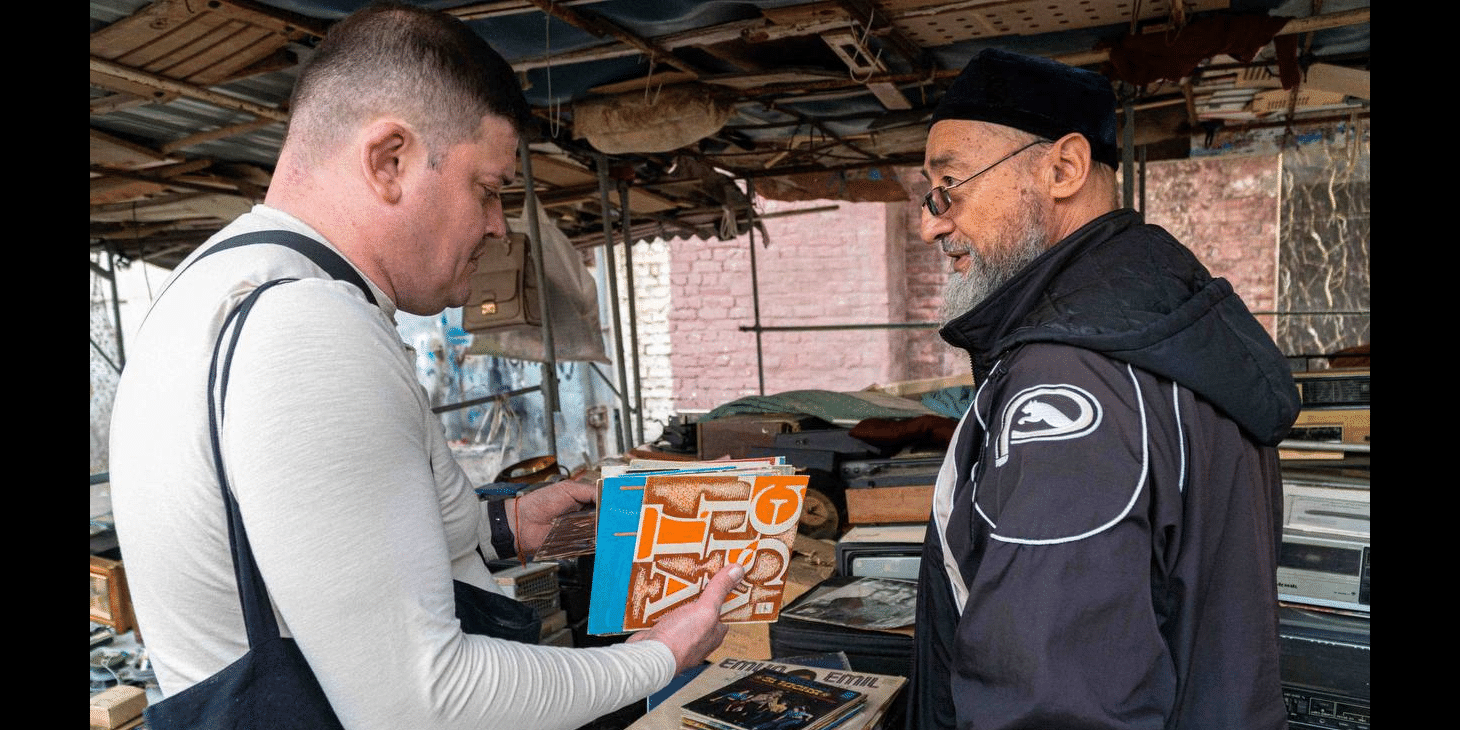
Anvar Kalandarov; image courtesy of the subject.
TCA: How difficult is it to establish who holds the rights to these recordings today, particularly when musicians, composers, Soviet state labels, archives, and heirs may all have claims or interests?
Kalandarov: The rights situation is actually quite funny, because with a single recording you can suddenly find yourself dealing with the performing artist, the composer, the musicians, and very often Melodiya as well. From my side, I always try to reach an agreement directly with the artist and the composer, although every case is different and sometimes the situation can get quite complicated.
Of course, the easier way would be to go to Melodiya, license whatever rights they hold, and consider the job done. But for me that wouldn’t feel right. The musicians themselves would get nothing from the reissue. Many of them saw very little financial benefit from these records during the Soviet period, and I don’t want to repeat the same situation today. Whenever possible, I prefer to make sure the people behind the music are actually part of the reissue.
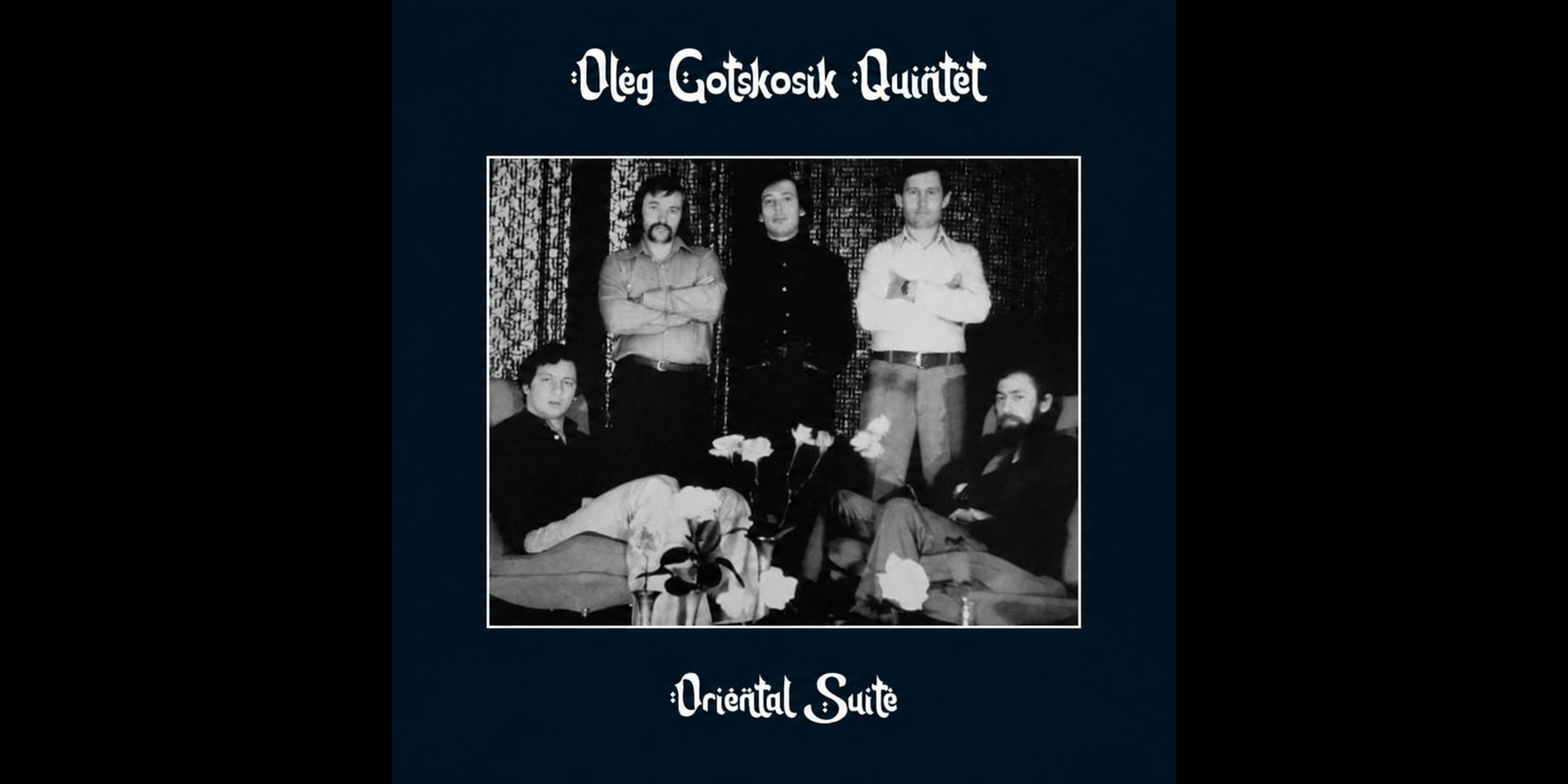
Maqom Soul’s reissue of Oleg Gotskozik Quintet’s Oriental Suite; image courtesy Anvar Kalandarov
TCA: When restoring this material, how do you decide what should be cleaned up or altered and what should be left untouched so the original sound and character aren’t lost?
Kalandarov: Most of the restoration is about removing unwanted artefacts: clicks, mechanical noise, tape damage, or other things that clearly weren’t meant to be part of the recording. We never try to make these recordings sound perfectly clean or polished. I prefer to keep some imperfections if they are part of the original recording.
For me, restoration shouldn’t mean making a record from the 1970s or 1980s sound as if it was recorded yesterday. You can easily clean too much and lose something along the way. I would rather preserve the original character, including some of its roughness, because very often that is where part of its beauty comes from.
TCA: There is growing international interest in Soviet Central Asian music, sometimes driven by collectors and labels outside the region. How do you make sure these reissues are not presented simply as exotic “rediscoveries,” but remain connected to the musicians, communities, and histories that produced them?
Kalandarov: My main mission has always been to open this music up to a wider audience and bring it into a global musical context. There’s definitely more international interest in Central Asian music now, and I hope that, in some small way, the work I’ve been doing has contributed to that.
But I never really follow trends. I trust my own ears and stick to what I believe in. It was the same with the Yashlik record and with Oleg Gotskozik’s Oriental Suite. People told me this music wouldn’t sell, but I believed in both records and kept going. Now the Yashlik pressing is completely sold out, and The Wire is writing about Gotskozik. For me, that says more than trying to predict what the market wants.
I’m also not interested in presenting this music as something exotic. Of course, some people will hear music from Uzbekistan or Central Asia and treat it as exotic simply because it comes from a place they don’t know much about, but that’s not really my problem. First of all, it’s interesting music, and it deserves to be heard. My job is to give it the right context, tell the story properly, and make sure the musicians and the people connected to the music remain part of that story.
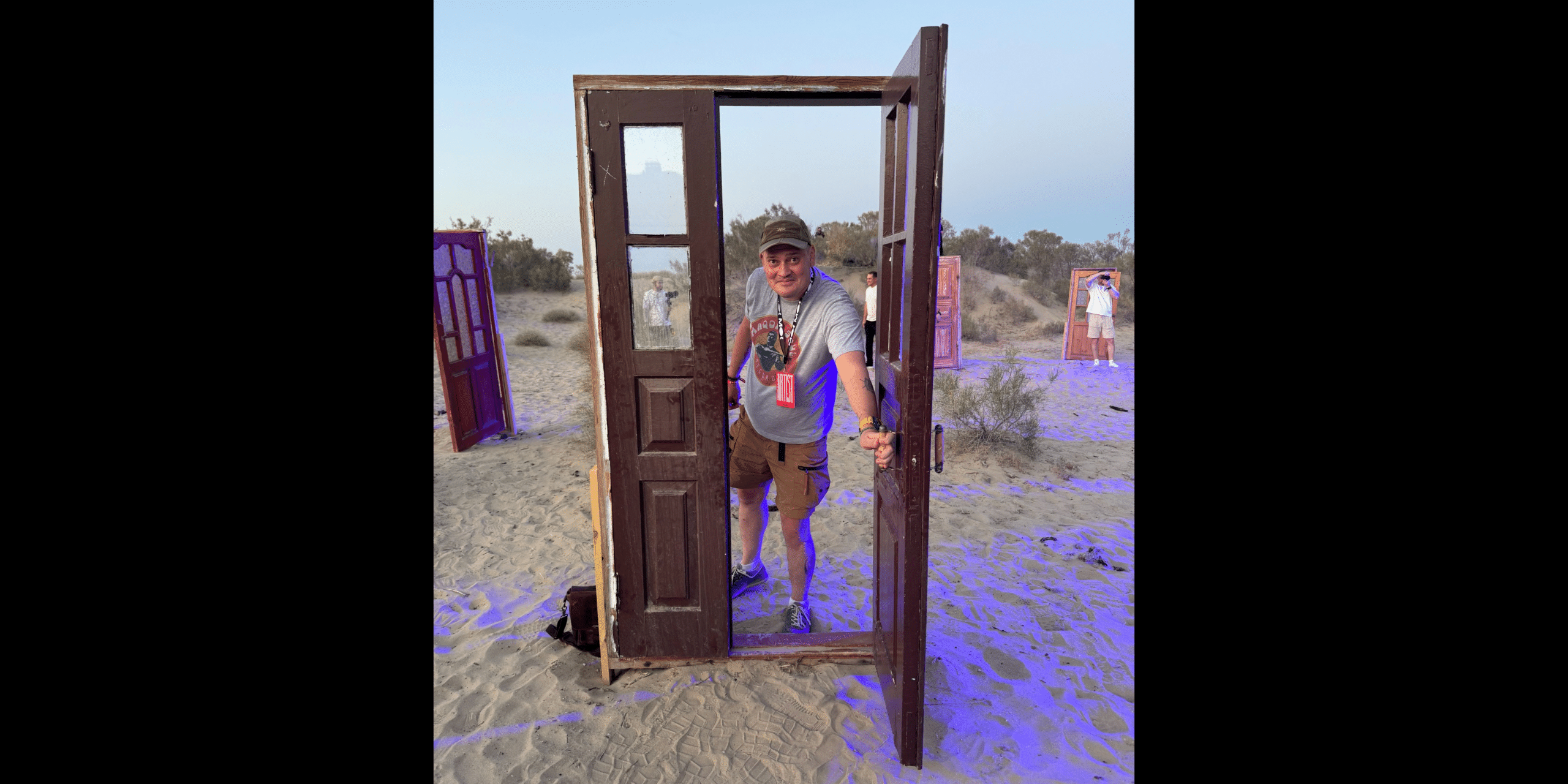
Anvar Kalandarov; image courtesy of the subject.
A record can survive for decades in a sleeve. Memory is less durable. Reissuing this music is therefore a form of historical investigation, following fragments of evidence back toward the people, places, and circumstances that produced the sound. What had faded from view in one place can now travel far beyond it. The needle drops, the music plays, and somewhere beneath it a supposedly lost world begins to be heard again.
Listen to and buy Maqom Soul Records releases here.