Uzbekistan has prepared 133 projects worth a combined $3.3 billion for its 2027–2029 chairmanship of the International Fund for Saving the Aral Sea (IFAS). The initiatives include upgrading water infrastructure and establishing a regional early warning system for floods and droughts.
Uzbekistan plans to obtain financing from international development banks and climate funds. The $3.3 billion represents the estimated cost of the proposed projects, rather than funding already secured.
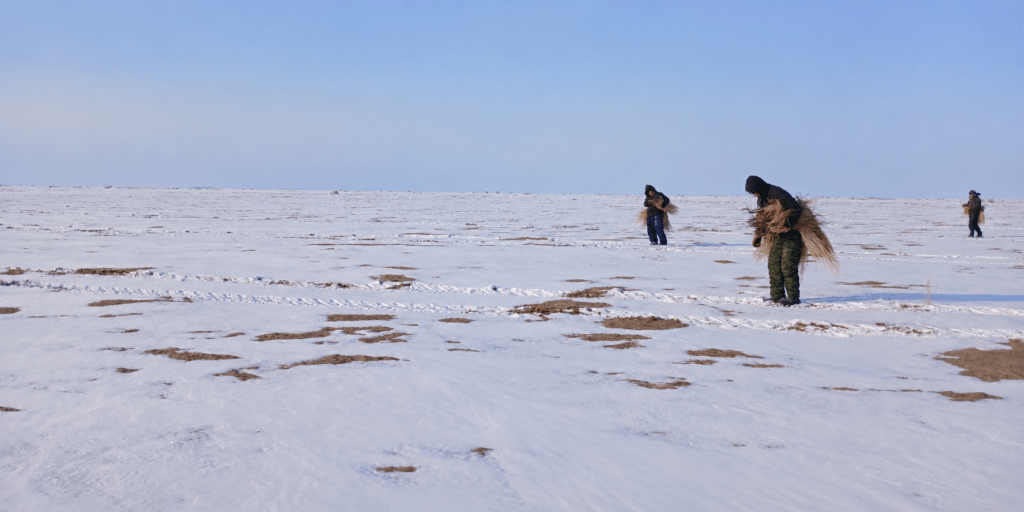
Under a separate November 5 presidential resolution, Uzbekistan plans to plant forests across 50,000 hectares of the dried Aral Sea bed in Karakalpakstan, an autonomous republic of Uzbekistan heavily affected by the desiccation of the Aral Sea. Work is scheduled to begin on April 1, 2027. Planting trees and shrubs on the exposed seabed helps stabilize the soil and limit the spread of salt-laden dust.
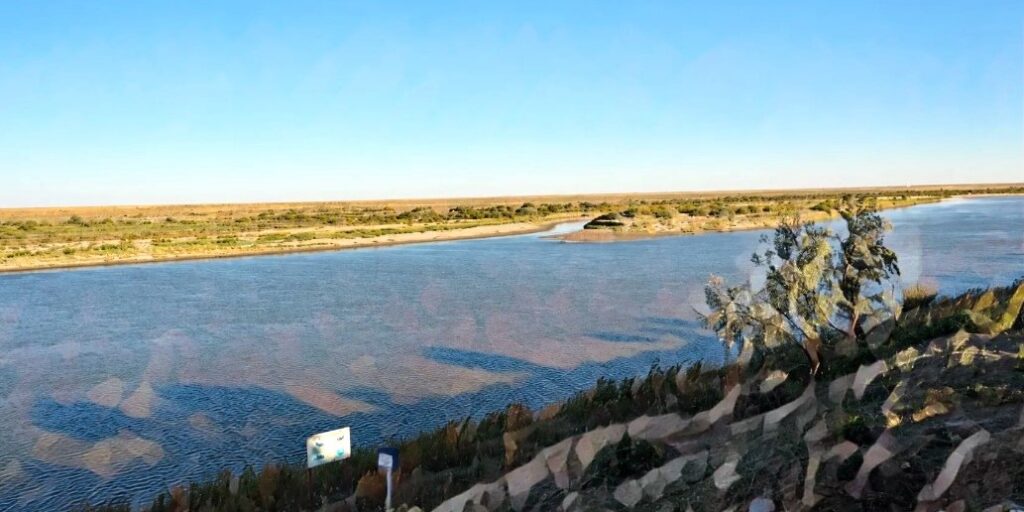
The five Central Asian countries established IFAS in 1993 in response to the Aral Sea crisis. The fund coordinates regional cooperation on water management and environmental protection across the Amu Darya and Syr Darya basins.
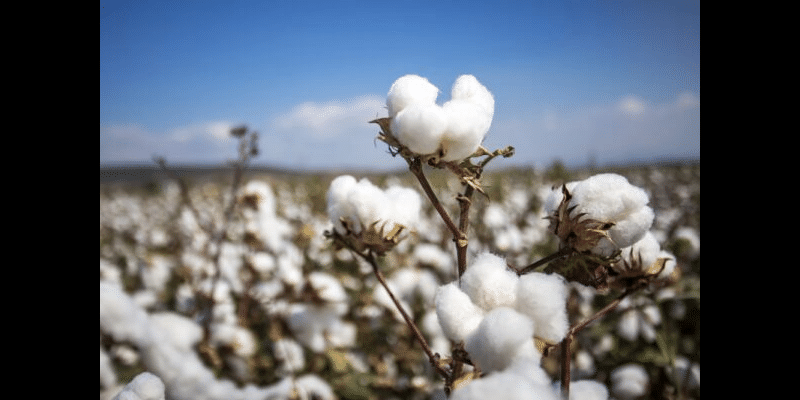
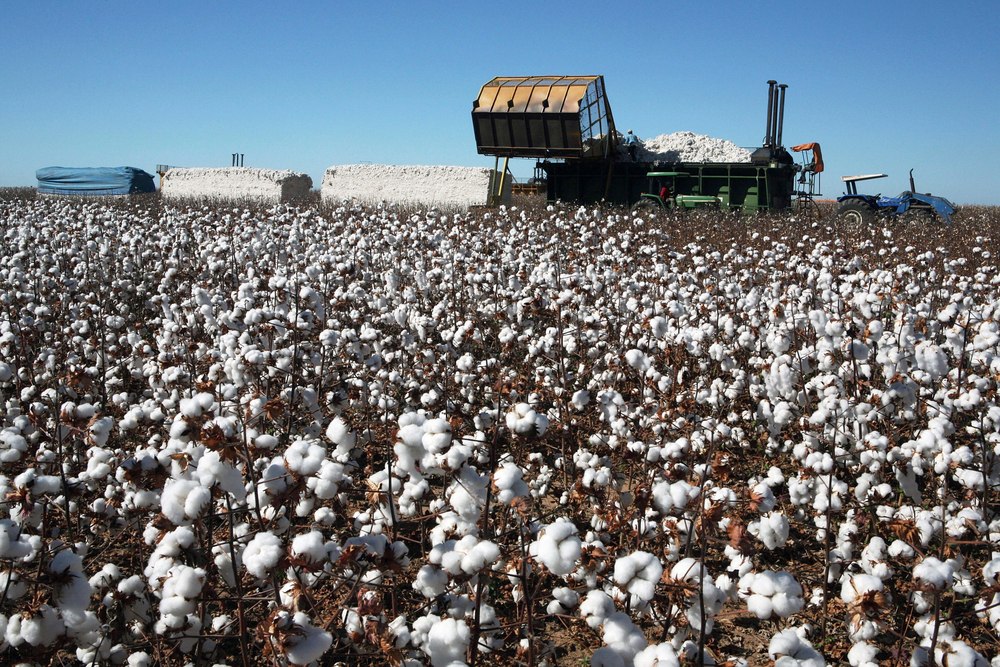
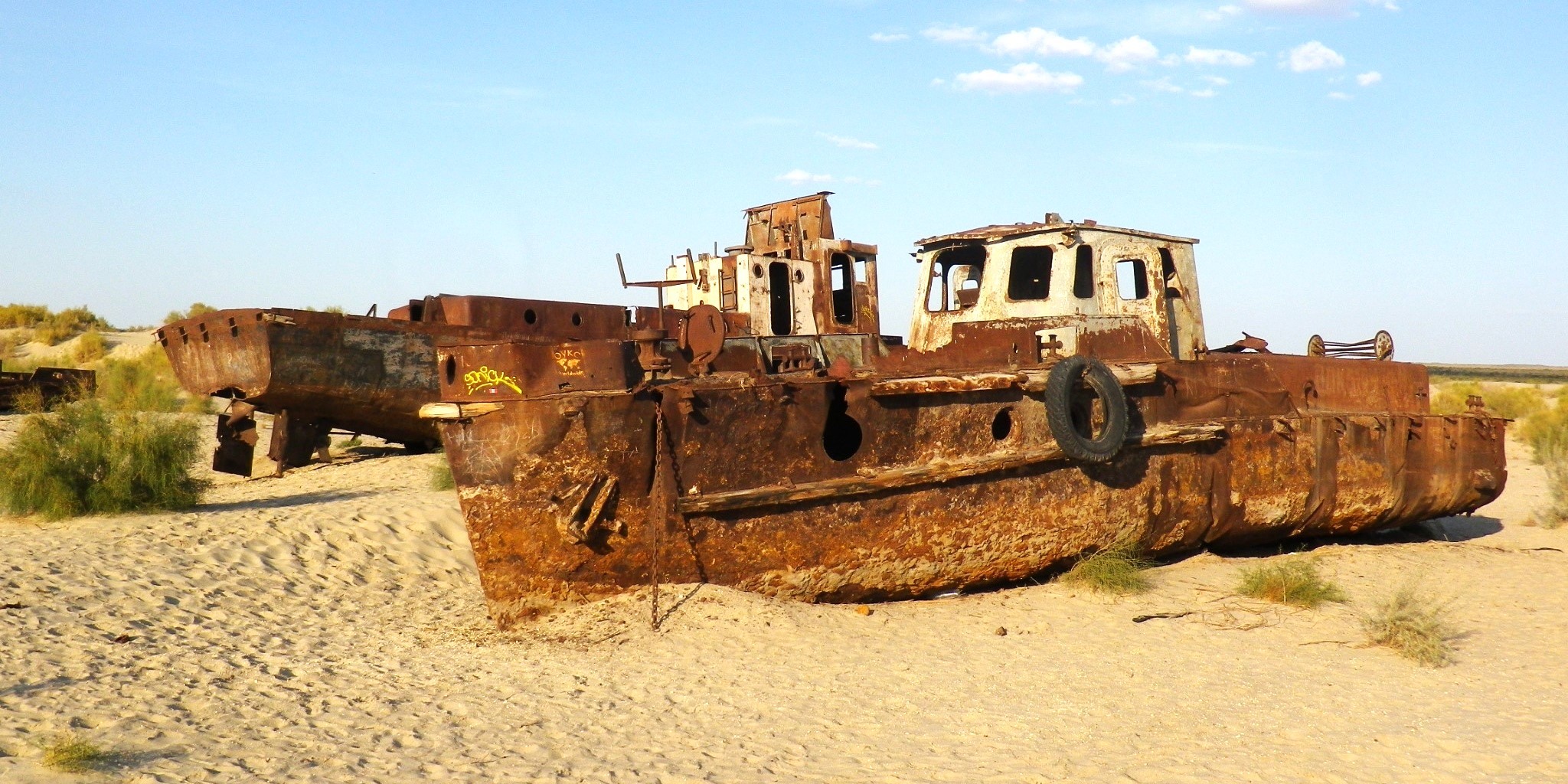
The Aral Sea shrank dramatically after Soviet irrigation projects diverted water from its two main feeder rivers to agriculture, particularly cotton farming. The retreat devastated fishing communities and exposed a salt-covered seabed, creating dust storms that damage farmland and threaten public health. Some of these dust storms are so vast they are visible from space, carrying salt and agricultural chemical residues across the region. By 2007, the sea had lost approximately 90% of its original water volume.
Uzbekistan will take over the fund’s chairmanship from Kazakhstan in 2027. Its plans also include improving access to drinking water and establishing a shared database for the Amu Darya and Syr Darya river basins.
Uzbekistan also hopes to generate revenue by selling carbon credits associated with carbon dioxide absorbed by the new vegetation. The resolution calls for talks with potential foreign partners and directs that net proceeds from carbon-credit sales, after project costs, go to Karakalpakstan’s local budget.
Separately, a study has suggested that restoring water cover over parts of the Aral Sea could prevent the release of up to 605 million metric tons of CO₂ from exposed sediments. Researchers estimated the potential value of those avoided emissions at $3.6 billion to $18 billion in carbon credits.