It has been more than a month since the deadline for migrant laborers working in Russia to complete their registration documents or face expulsion. The anticipated mass deportations have not happened, but Russian State Duma Chairman, Vyacheslav Volodin, indicated on October 13 that could change soon.
Volodin warned, “A new migration regime is now in effect… the deportation regime.”
The Final Bell
Several months ago, Russian officials announced the September 10 deadline for all migrant laborers to legalize their status to work and live in Russia.
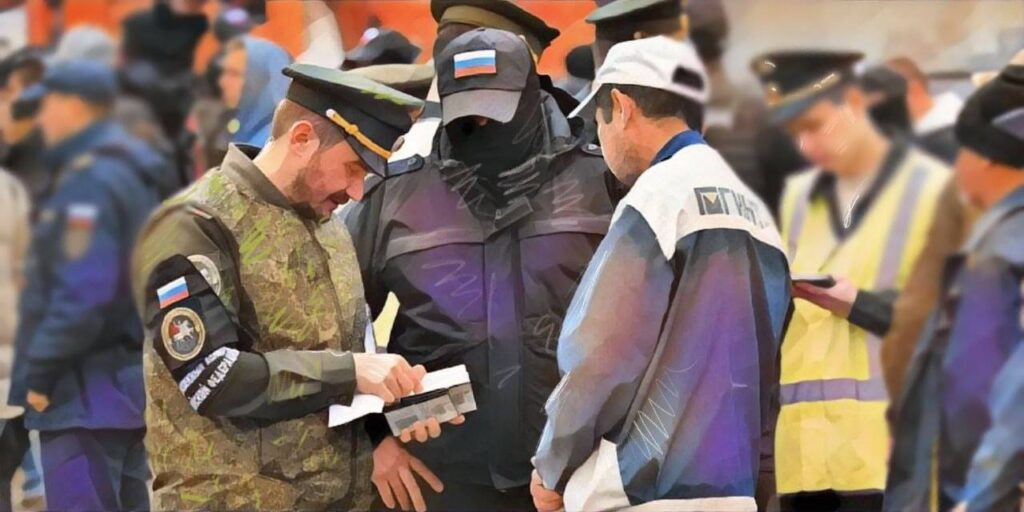
Russia’s Federal Migration Service created a list in the summer of 2024 of “controlled persons,” those who still did not have all the required documentation to remain in Russia. The list was posted on the service’s website in February 2025.
Volodin said those on the list lacked one or more of the following: “documents or certificates required for obtaining migration status or citizenship, registration of a place of stay or residence.” Volodin said the list also included those who failed to complete mandatory procedures such as “annual medical examinations for [their] presence… as well as fingerprinting and photographing” or have failed to show that their “patent, work permits, or employment contract” was renewed.
The Duma Chairman said some 35,000 “foreign citizens” had already been expelled between January and August of this year.
September 10 arrived, and in the days that followed, there were no reports of Russian law enforcement rounding up migrants and sending them back to their homelands. However, it was clear the Russian government was not bluffing.
In his remarks to the Duma, Volodin explained that as of September 1, there were still some 770,000 migrants on the register of controlled persons, and that one-third of them were women and children.
If these people have not taken care of their requirements, Volodin said, “They need to leave our country, informing [us] of the date, place, and route of their departure.”
The Dwindling Number of Central Asian Migrant Laborers in Russia
There are several million foreign workers in Russia, and the largest group is those from Central Asia, though fewer of them work there than was previously the case.
The terrorist attack on Moscow’s Crocus City Hall in March 2024 that left more than 140 people dead was blamed on citizens of Tajikistan. It sparked a wave of xenophobia in Russia aimed at Central Asians, and prompted a raft of new laws and regulations for migrant laborers.
Uzbekistan’s citizens have long been the largest group of Central Asian migrant laborers working in Russia, numbering between 4 to 6 million, depending on the season, during 2016. Figures vary for how many Uzbek citizens are working in Russia now, but Uzbekistan’s Migration Agency said at the start of October that it was about 1.3 million, noting the figure fluctuates depending on the time of the year, and that during the warmer months of 2025, it was closer to 2 million.
During his recent visit to Tajikistan for a CIS summit and a separate meeting with all the Central Asian presidents, Russian President Vladimir Putin claimed there are currently more than 1 million citizens of Tajikistan living and working in Russia. That figure is down from 1.7 million in 2024.
In January 2025, Kyrgyzstan’s Foreign Ministry said there were some 350,000 Kyrgyz citizens working in Russia, down from 650,000 in 2023.
Women and Children First
Volodin’s mention that one-third of the people now targeted for violating the terms of staying in Russia are women and children was telling.
In early September 2024, former Russian President and current Deputy Chairman of Russia’s Security Council, Dmitri Medvedev, said there should be a ban on foreign workers bringing their families with them to Russia. Medvedev said migrant laborers’ children were attending Russian schools, and in some of those schools, “three-fourths” of the students could not speak Russian. In comments clearly aimed at Central Asian migrant laborers, Medvedev said, “By all means come, but leave behind your nine kids and several wives.”
A new regulation was introduced that required children of migrant laborers to pass a Russian language test before being admitted to school. More than 87% of the children of foreign citizens failed to pass the test for the 2025-2026 school year. These children will likely be among the first to be deported from Russia along with their mothers if the latter are unemployed and only in Russia because their husbands are working there.
Coming Home
It is difficult to say how many Central Asian migrant laborers might be among those facing what Volodin called the “deportation regime.”
In late July 2025, Kyrgyzstan’s General Consul in Russia, Bakyt Asanaliyev, said there were some 103,000 Kyrgyz citizens on Russia’s list of controlled persons, but indicated the number was dropping week by week. On September 10, Russian Ministry of Internal Affairs spokeswoman Irina Volk said that more than 14,600 of those Kyrgyz citizens have legalized their presence in Russia.
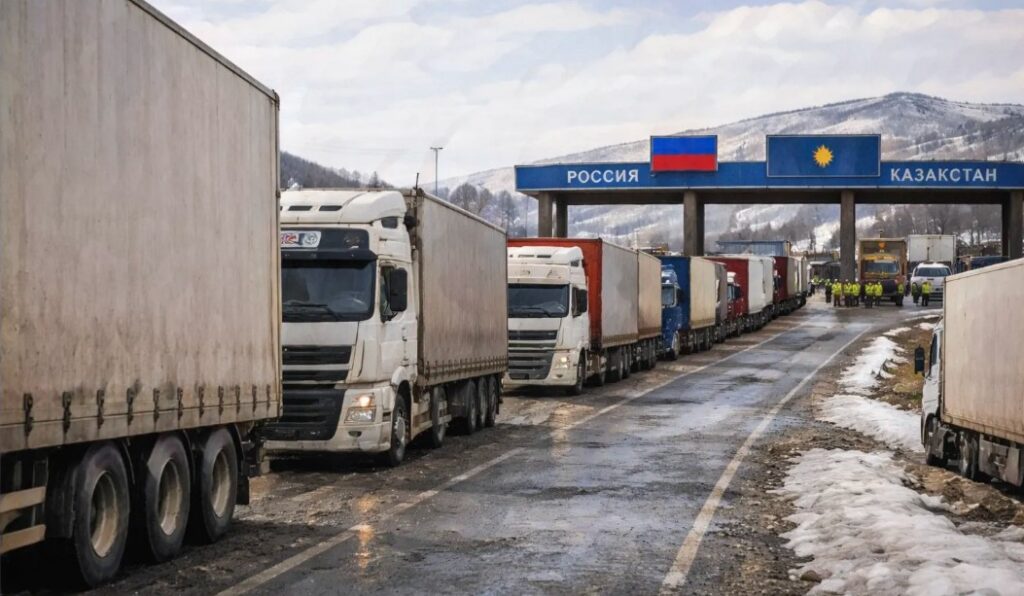
The authorities in Tajikistan and Uzbekistan have been quiet about how many of their citizens were on Russia’s list, and how many fulfilled all the obligations to stay and work in Russia. Kyrgyzstan is a member of the Russian-led Eurasian Economic Union (EAEU), which grants citizens of member states special privileges, including for migrant laborers. Tajikistan and Uzbekistan are not EAEU members.
If tens of thousands of Kyrgyz citizens face deportation from Russia, the figure must be higher for migrant laborers from Tajikistan and Uzbekistan.
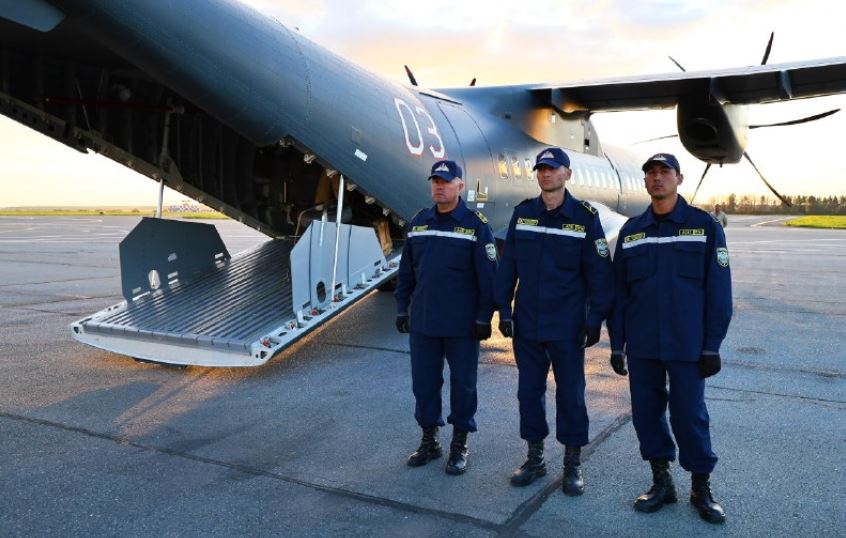
The return home of tens of thousands of Central Asian migrant laborers will put a strain on the labor markets in Kyrgyzstan, Tajikistan, and Uzbekistan, not to mention the loss of millions of dollars in remittances these laborers were sending home.
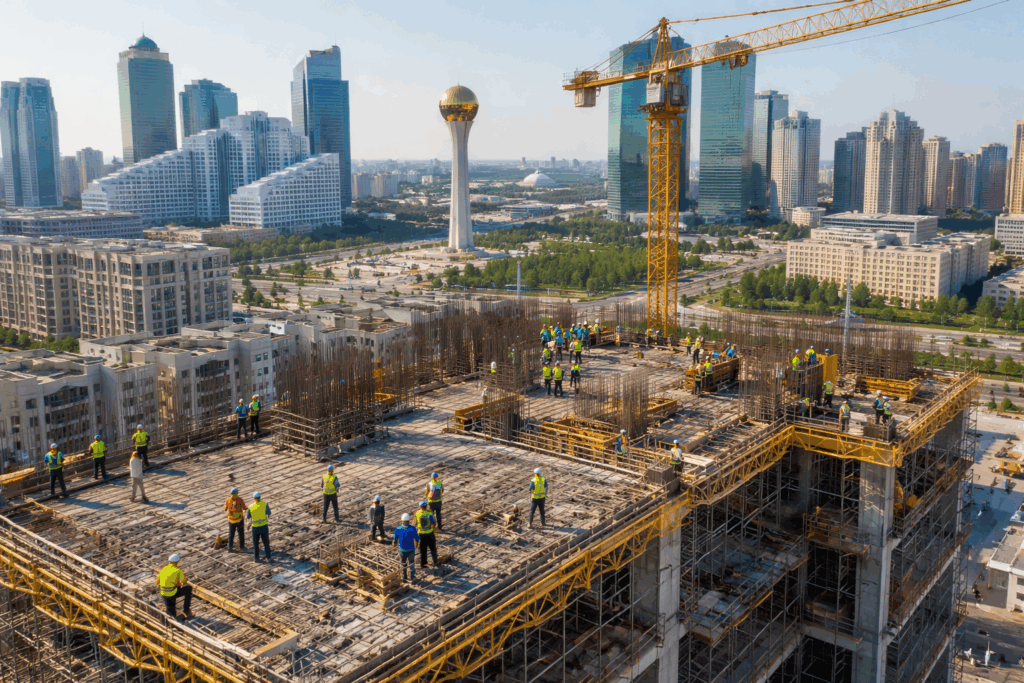
Volodin said those targeted for deportation would have to pay a fine and would be banned from re-entering Russia for five years. However, Russia is short of workers, especially for the sort of menial labor (construction workers, street sweepers, delivery people) often performed by foreign workers.
The delay in implementing the “expulsion regime” could be a sign that Russian officials are trying to find ways to keep as many of the migrant laborers as possible.