• KGS/USD = 0.01144 0%
  • KZT/USD = 0.00216 0%
  • TJS/USD = 0.10456 0%
  • UZS/USD = 0.00008 0%
  • TMT/USD = 0.28571 0%
  • KGS/USD = 0.01144 0%
  • KZT/USD = 0.00216 0%
  • TJS/USD = 0.10456 0%
  • UZS/USD = 0.00008 0%
  • TMT/USD = 0.28571 0%
  • KGS/USD = 0.01144 0%
  • KZT/USD = 0.00216 0%
  • TJS/USD = 0.10456 0%
  • UZS/USD = 0.00008 0%
  • TMT/USD = 0.28571 0%
  • KGS/USD = 0.01144 0%
  • KZT/USD = 0.00216 0%
  • TJS/USD = 0.10456 0%
  • UZS/USD = 0.00008 0%
  • TMT/USD = 0.28571 0%
  • KGS/USD = 0.01144 0%
  • KZT/USD = 0.00216 0%
  • TJS/USD = 0.10456 0%
  • UZS/USD = 0.00008 0%
  • TMT/USD = 0.28571 0%
  • KGS/USD = 0.01144 0%
  • KZT/USD = 0.00216 0%
  • TJS/USD = 0.10456 0%
  • UZS/USD = 0.00008 0%
  • TMT/USD = 0.28571 0%
  • KGS/USD = 0.01144 0%
  • KZT/USD = 0.00216 0%
  • TJS/USD = 0.10456 0%
  • UZS/USD = 0.00008 0%
  • TMT/USD = 0.28571 0%
  • KGS/USD = 0.01144 0%
  • KZT/USD = 0.00216 0%
  • TJS/USD = 0.10456 0%
  • UZS/USD = 0.00008 0%
  • TMT/USD = 0.28571 0%

Viewing results 379 - 384 of 1292

Tajikistan Seeks to Reduce the List of Prohibited Professions for Women

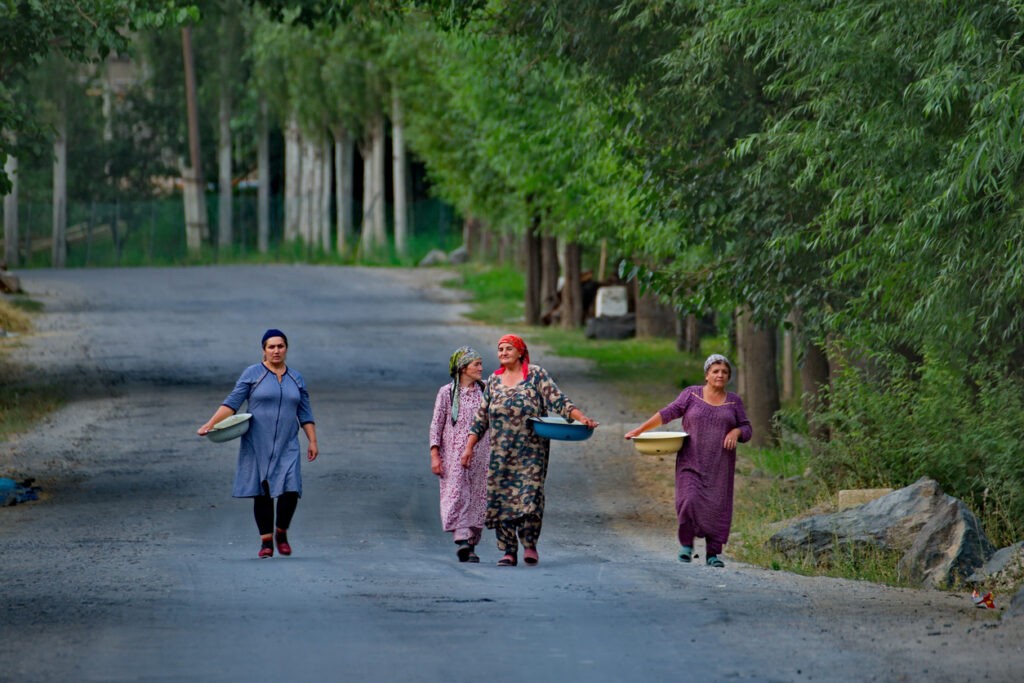
Tajikistan is taking steps to further reduce the list of professions prohibited for women, cutting the number from 334 to 194 in 2024. This initiative aims to expand women’s access to employment opportunities in industries previously deemed unsuitable. According to Shakhnoza Nodiri, Deputy Minister of Labor, Migration, and Employment of Tajikistan, the decision aligns with efforts to modernize production, automate processes, and enhance workplace safety, thereby making previously restricted jobs accessible to women. The list of banned professions was initially established to protect women’s health from the risks of heavy and hazardous work. However, it is increasingly viewed as a barrier to women’s professional growth. The recent changes are informed by international standards and the recommendations of the European Union, particularly to align with GSP+ preferences, which promote gender equality in the labor force. “By revising this list, we are enabling women to access new opportunities and strengthen their economic position,” Nodiri emphasized. Previously, the list included 336 prohibited professions, such as work in underground mines and other roles involving hazardous conditions. With advancements in technology, automation, and improved workplace conditions, 142 professions have been deemed safe for women. However, restrictions remain for roles involving particularly heavy or harmful work. Data from the Labor and Employment Agency show that in 2024, 29,296 women were employed, marking a 1.4% increase compared to the same period in 2023. This reflects growing opportunities for women in the labor market. The government plans to continue reducing the list of prohibited professions, aiming to allow women to participate fully in all sectors of the national economy. Article 216 of the Labor Code of Tajikistan prohibits women from working in heavy and underground industries. Employers who violate these regulations face administrative fines. Ongoing labor law reforms seek to strike a balance between safeguarding women’s health and ensuring their right to work. As Tajikistan modernizes its labor policies, the country moves closer to achieving a more inclusive and equitable workforce.

Russian MP Blames Central Asians for Ruble Depreciation

Mikhail Matveyev, a member of Russia’s State Duma, has attributed the depreciation of the Russian ruble in part to remittances by labor migrants from Central Asia and the Caucasus. In a statement on his Telegram channel, Matveyev argued that millions of migrants working in Russia transfer their earnings abroad, removing significant sums from the Russian economy. According to him, these remittances fuel demand for foreign currencies, such as the dollar, thereby weakening the ruble. Citing statistics, Matveyev claimed that in 2023, labor migrants sent $5.7 billion from Russia to Tajikistan - nearly half of Tajikistan’s GDP. Kyrgyzstan received remittances equal to about one-third of its GDP, while Uzbekistan received over $14.5 billion, accounting for 12-15% of its GDP. Other significant recipients included Georgia (over $2 billion), Armenia (over $3 billion), and Kazakhstan. Matveyev also criticized some of these countries for their stance on Western sanctions against Russia. He noted that several countries in the Eurasia region have joined sanctions targeting Russian banks and refuse to process transactions using the Russian Mir payment system. This, he said, forces migrants to withdraw cash dollars from Russia to transfer home, exacerbating the pressure on the ruble exchange rate. The MP’s remarks came amid a sharp drop in the ruble’s value against the dollar last week. For more than 30 years, millions of Central Asian citizens have migrated to Russia for work. However, recent trends indicate an increase in return migration, driven by Russia’s deteriorating economic conditions, stricter immigration rules, worsening attitudes toward Central Asian workers, and attempts by Russian authorities to recruit immigrants - both with and without Russian citizenship - for military service in Ukraine.

Kyrgyzstan Criticizes Russia’s Approach to Migration

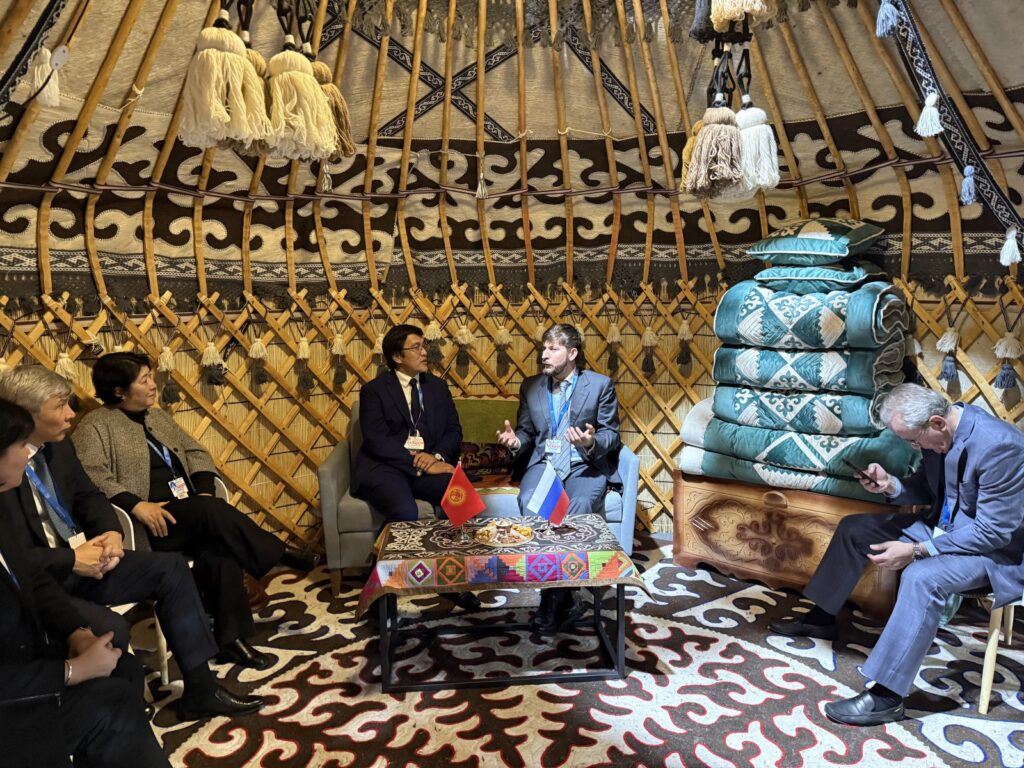
Edil Baisalov, Deputy Chairman of Kyrgyzstan’s Cabinet of Ministers, voiced frustration over Russia’s approach to labor migration during an interview with Russian media. He criticized Moscow for failing to fully honor the principle of free movement of labor within the Eurasian Economic Union (EAEU), of which Kyrgyzstan is a member. “Free movement of labor resources is one of the principles of the Eurasian Economic Union. Our fundamental documents state that we have access to the labor market on the same basis as citizens of any member state. Thousands of Russians work for us on the same terms as Kyrgyz,” Baisalov stated. Despite these agreements, he claimed that Kyrgyz workers often face restrictions and criticisms in Russia akin to those applied to migrants from non-EAEU countries. “People, including seasonal workers, may stay for weeks or months. Some have relocated to Russia with their families and work as doctors, teachers, scientists, and professors. Our migrants significantly contribute to various sectors of Russia’s modern economy, particularly in the service industry—hotels, cafes, and more. Every penny earned by Kyrgyz migrants in the Russian Federation comes at the cost of incredible effort,” he said. Baisalov highlighted that these challenges are prompting Kyrgyz labor migrants to seek opportunities in other nations, such as South Korea, Japan, the UAE, Turkey, and EU countries. “Tens of thousands of our women have found their calling in Italy, where elderly care is in high demand. It turns out there’s no better choice than our caregivers and nannies. We even opened an embassy in Italy because nearly 30,000 Kyrgyz citizens reside in Naples and on the island of Sardinia,” he explained. In light of these trends, the Kyrgyz government has pledged to create 250,000 new jobs within the country in the coming year. A campaign is also underway to encourage citizens working abroad to return home.

Kyrgyzstan Proposes Ban on Cell Phones in Schools and Universities

Kyrgyzstan's Ministry of Education and Science has proposed a draft decree to restrict the use of cell phones in the country's educational institutions. The initiative, currently open for public discussion, aims to enhance the educational and social environment and shield students from the adverse effects of excessive technology use. Under the proposed regulations, students and staff must switch their phones to silent mode upon entering the premises. Students are encouraged to turn off their devices and store them in designated classrooms. Phones would only be permitted during breaks or in emergencies. The decree also prohibits charging devices within educational institutions. The draft includes strict measures against misuse. It bans distributing materials depicting violence, cruelty, or pornography via mobile devices and forbids actions that could harm an institution’s reputation. Unauthorized photography and videography would also be prohibited. Special guidelines apply to educators, who would be barred from using phones during lessons unless directly related to educational purposes. The ministry emphasized that the proposed rules are designed to protect students’ health, curb bullying, and combat the spread of harmful content. Several countries in the post-Soviet space and beyond have implemented similar restrictions on cell phone use in schools. In Russia, as of December 19, 2023, students are prohibited from using mobile devices during lessons except in emergencies involving life or health threats. Azerbaijan and Tajikistan have enacted comparable bans to enhance student focus and educational quality. Globally, France has prohibited cell phone use for students aged 3 to 15 since September 2018 to reduce distractions and improve academic discipline. The Netherlands introduced a smartphone ban in schools at the start of 2024, citing benefits such as better academic performance and reduced student anxiety. UNESCO recommended in July 2023 that schools worldwide adopt smartphone bans to improve academic performance and minimize classroom distractions. Proponents of such measures argue that they increase student concentration, improve education quality, and mitigate the impact of digital devices on children’s mental health.

Archaeologists Uncover Rare Silk Road Artifacts in Uzbekistan

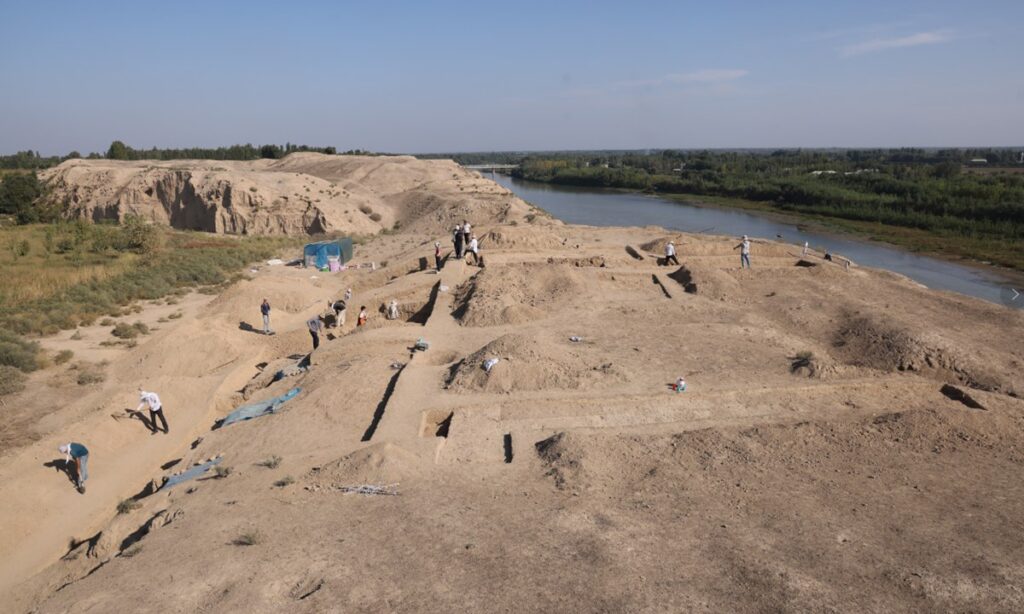
A joint archaeological expedition from China and Uzbekistan has made remarkable discoveries at Mengchaktepa, a key Silk Road site located on the northern bank of the Syr Darya River. Known as the “Living Fossil of the Silk Road,” the site has been under investigation by the Chinese Academy of Social Sciences (CASS) and Uzbekistan’s Institute of Archaeology since 2012. The team, led by CASS archaeologist Liu Tao, unearthed seven tombs, two buildings, and numerous artifacts, including silk fabrics, leather goods, bronze mirrors, square-holed coins, and beads. Among the most significant finds are silk fragments, the first such discovery in the region since 1986, which bridges a 40-year gap in the study of ancient silk in the Ferghana Valley. According to Liu, these silk fragments highlight the advanced weaving techniques of antiquity. Abdulhamidjon Anarbayev, a professor at Uzbekistan's National Center for Archaeology, praised the Chinese team’s contributions to advancing Uzbekistan’s field archaeology through modern excavation and preservation methods. He noted that the research underscores the high standards of Chinese archaeology globally. Mengchaktepa holds immense value for studying cultural connections along the Silk Road. Ancient Chinese chronicles from the Qin and Han dynasties (221 BC–220 AD) describe how Zhang Qian, an emissary of the Western Han dynasty, established trade links between China and Central Asia. Through Dayuan, the ancient region corresponding to the modern Ferghana Valley, silk, paper, and Chinese technology reached Europe, while grapes and alfalfa were introduced to China. Excavations at Mengchaktepa have been ongoing since 1986. Early discoveries included nine cave tombs containing well-preserved remains, silk garments, and jewelry from the 5th to 8th centuries. This year, researchers are focusing on the necropolis’s scope, tomb structures, and their artifacts, with special attention to preserving organic materials like silk, leather, and reeds for laboratory analysis. Liu explained that the findings provide new insights into the region’s early medieval funerary practices, belief systems, and architectural traditions. Artifacts such as Han-style objects and relics linked to Zoroastrianism affirm Mengchaktepa’s pivotal role in East-West cultural exchanges along the Silk Road.

Uzbekistan Joins Global Alliance Against Hunger and Poverty

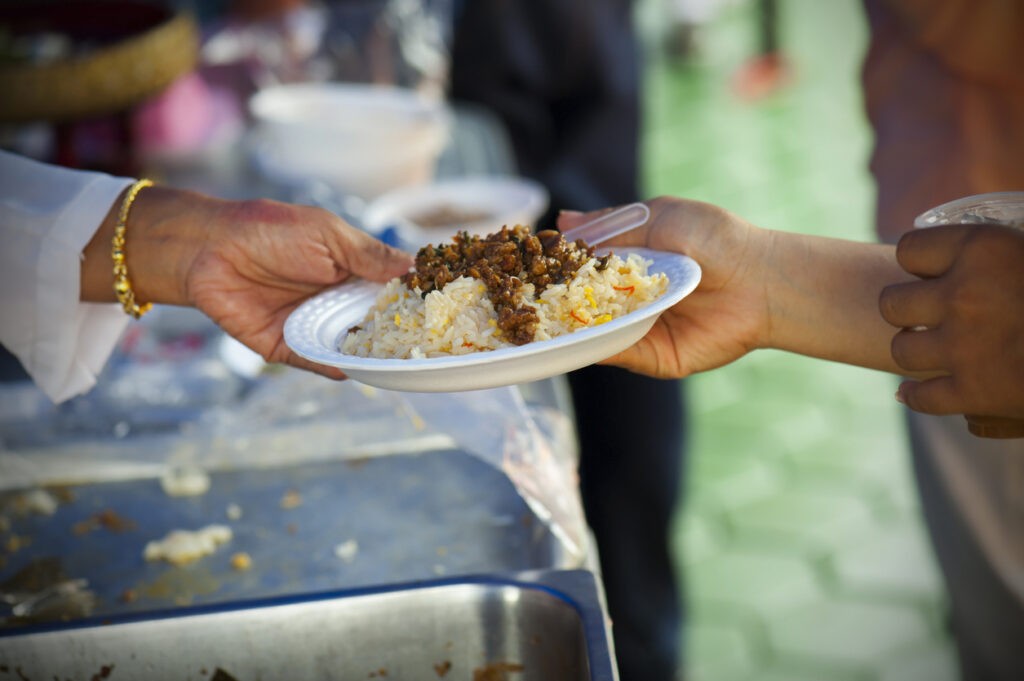
The Republic of Uzbekistan has officially become a member of the Global Alliance to Combat Hunger and Poverty, marking a significant step toward achieving the Sustainable Development Goals and enhancing global efforts to improve food security. This decision reflects Uzbekistan’s commitment to addressing pressing challenges related to hunger, poverty, and inequality on a global scale. By joining the alliance, the country gains access to valuable opportunities for knowledge exchange, international investment, and collaboration on joint programs with other nations and organizations. To date, over 100 countries have joined this initiative. Earlier, on October 9, the United States announced the delivery of 131 tons of food aid to Uzbekistan through USAID. The package, valued at over $435,000, includes vegetables and legumes intended to support more than 33,000 people across 145 facilities, including tuberculosis centers, orphanages, and psychiatric institutions. “At USAID, we collaborate with our partners to deliver life-saving food assistance to the most vulnerable communities in Uzbekistan. By addressing malnutrition and ensuring access to adequate, safe, and nutritious food, we empower individuals to lead healthy, productive lives and build a more stable and resilient world for everyone,” said Anjali Kaur, deputy assistant administrator of USAID’s Bureau for Asia.