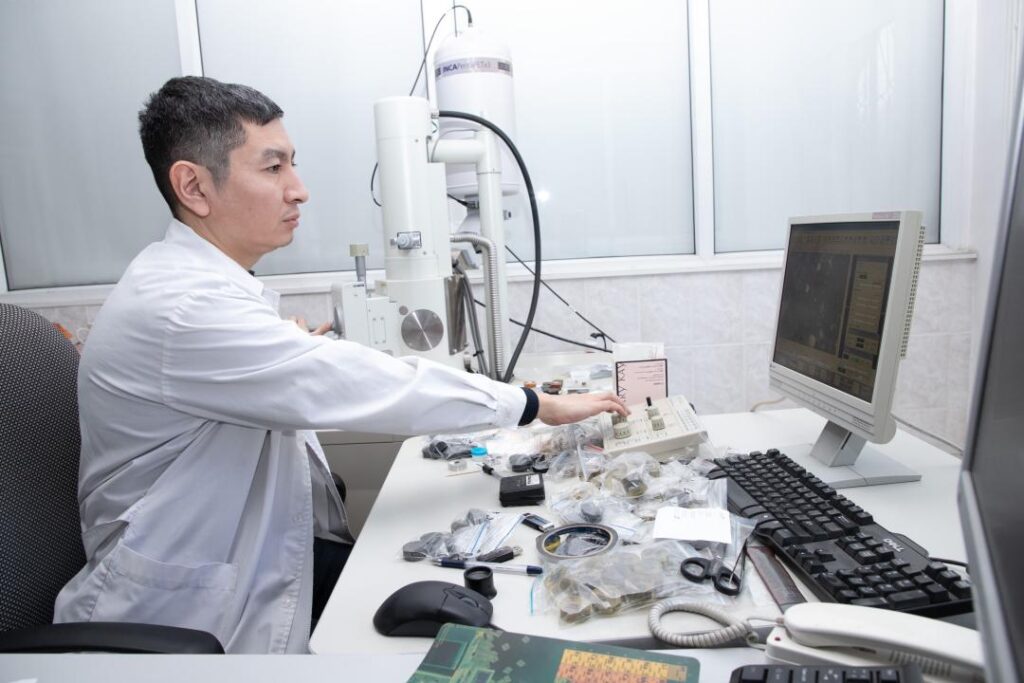
Uzbek scientists have completed the country’s first full-scale human genome study, marking a significant milestone in both national science and global genomics. Conducted by researchers at the Center for Advanced Technologies, the study identified dozens of previously undocumented genetic mutations unique to the Uzbek population.
The findings have been submitted to international genomic databases and signal Uzbekistan’s growing contribution to global biomedical research. The study revealed that 50% of children examined carried a hereditary mutation, and 86% were carriers of at least one defective gene, roughly double the global average. Experts linked the elevated rate to consanguineous marriages, which occur in up to a quarter of all unions in certain regions.
Professor Shakhlo Turdikulova, Director of the Center for Advanced Technologies and head of the “1,000 Genomes of Uzbekistan” project, emphasized the significance of the findings. “For the first time, we have a clear picture of the genetic makeup of our people,” she said. “If most children carry hidden hereditary mutations, we cannot reverse this trend without a system of genetic counseling and preventive screening. That is why implementing premarital genetic testing programs is essential.”
Beyond rare inherited conditions, the study found strong correlations between genetic mutations and common diseases such as diabetes, cardiovascular disorders, and cancer. More than half of the participants received precise genetic diagnoses, allowing physicians to tailor treatments more effectively. Roughly one-third of the mutations identified were previously unknown to global science.
The “1,000 Genomes of Uzbekistan” project is part of a broader initiative to establish a national biobank and genetic map. Its goals include advancing personalized medicine, supporting pharmaceutical development, and enabling early disease detection.
The Center for Advanced Technologies, which co-developed the ZF-UZ-VAC 2001 vaccine during the COVID-19 pandemic, continues to solidify Uzbekistan’s role as a regional leader in biotechnology and genetic science.
Researchers believe the project’s results will help shape nationwide preventive healthcare strategies and improve the health outlook for future generations.