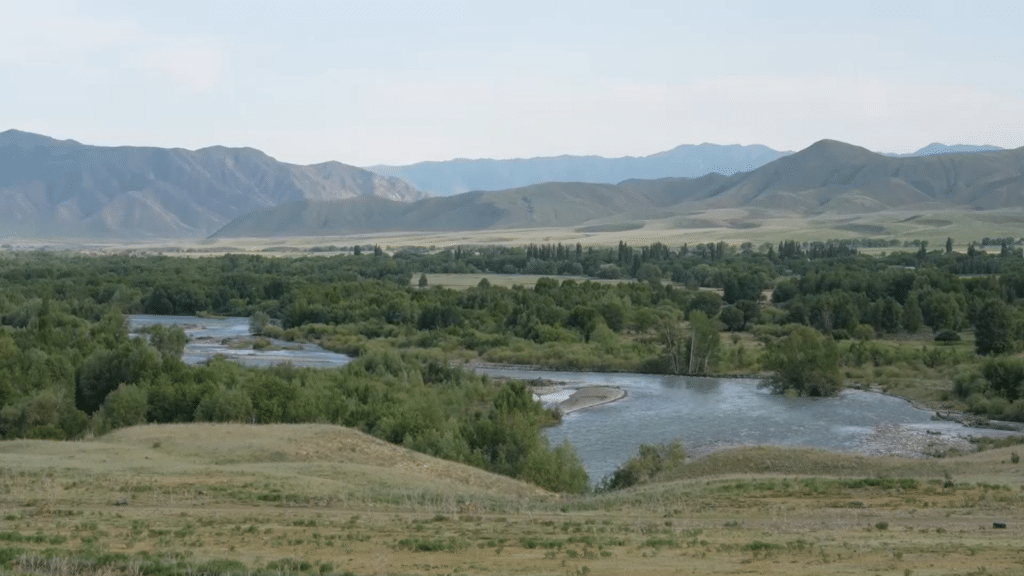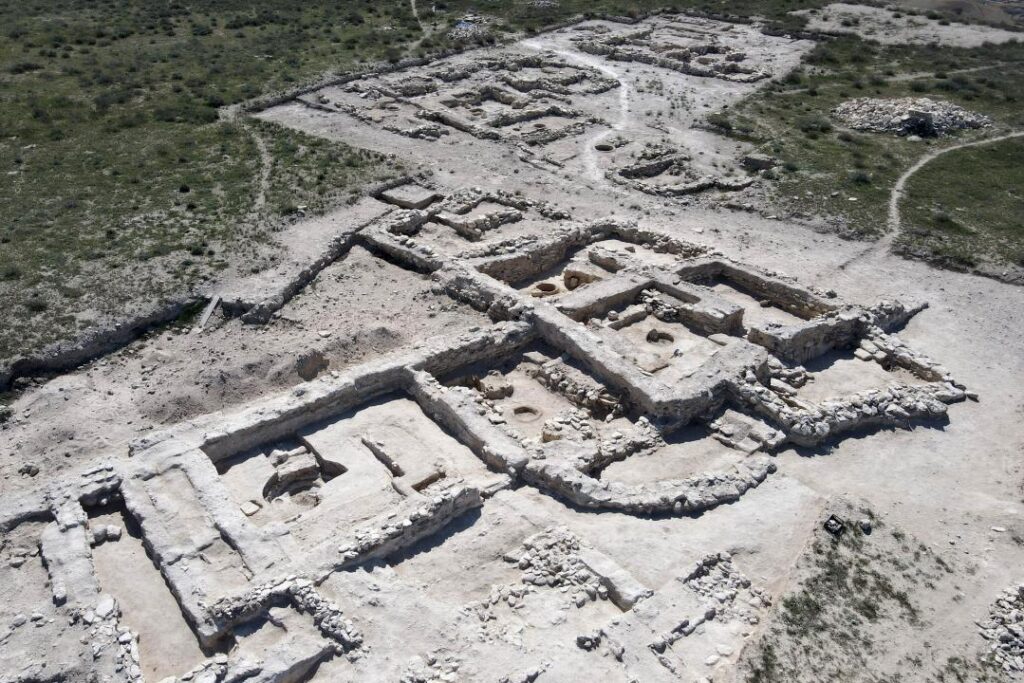
Archaeologists have discovered evidence of a Bronze Age settlement, as well as rock paintings that may be thousands of years older, in the Nurota Mountains of Uzbekistan’s Samarkand Region.
The discoveries were made during an October survey of Qo‘shrabot district by archaeologists Azbiddin Kholmatov and Timur Ruziboyev of the Samarkand Archaeological Institute.
The paintings, found on the walls and ceilings of rock shelters in the Oqchobsoy area, were made using ochre, a natural pigment. Archaeologists believe they may date to the Mesolithic or Neolithic period.
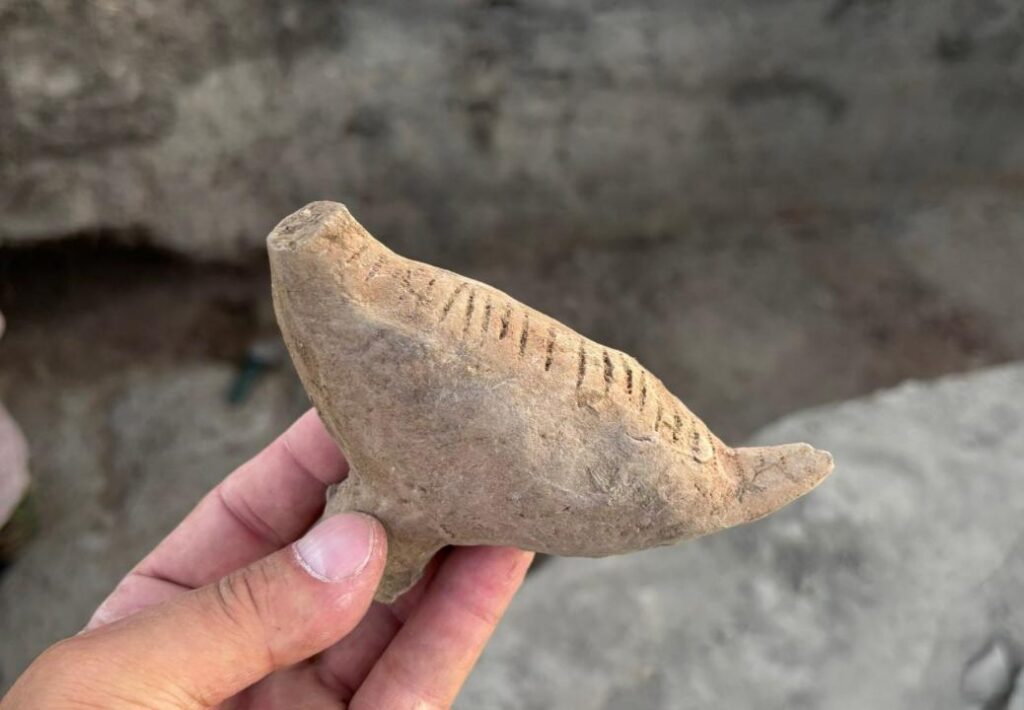
The team also explored the nearby Pangat area, finding pottery fragments believed to date to the Bronze Age.
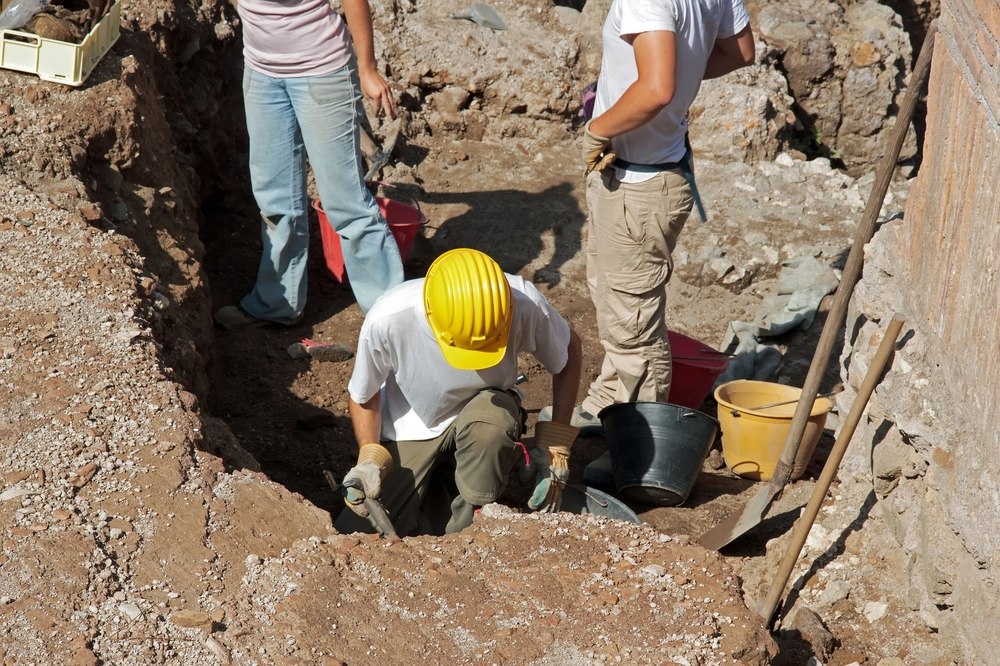
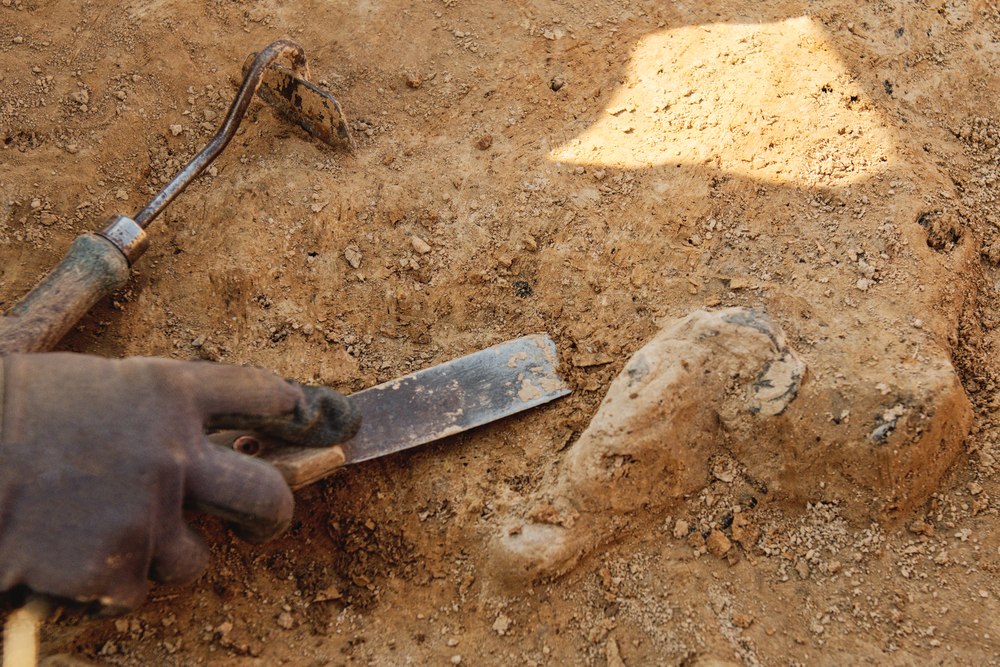
At one site, about 700–800 meters east of Qumoloqli village, archaeologists dug a small test trench measuring two meters by one meter. They uncovered a layer of archaeological deposits about 60 centimeters thick, containing pottery fragments and numerous bones.
The institute said further excavations were needed to investigate the settlement.
In another archaeological discovery in southern Uzbekistan earlier this year, an Italian-Uzbek team found what may be the earliest known evidence of surgery in Central Asia.
The remains, discovered at Djarkutan near the Afghan border, belonged to a child who died at around five years old approximately 4,000 years ago. The skull showed signs of trepanation, a procedure involving the deliberate opening of the skull, possibly using stone or bone tools.