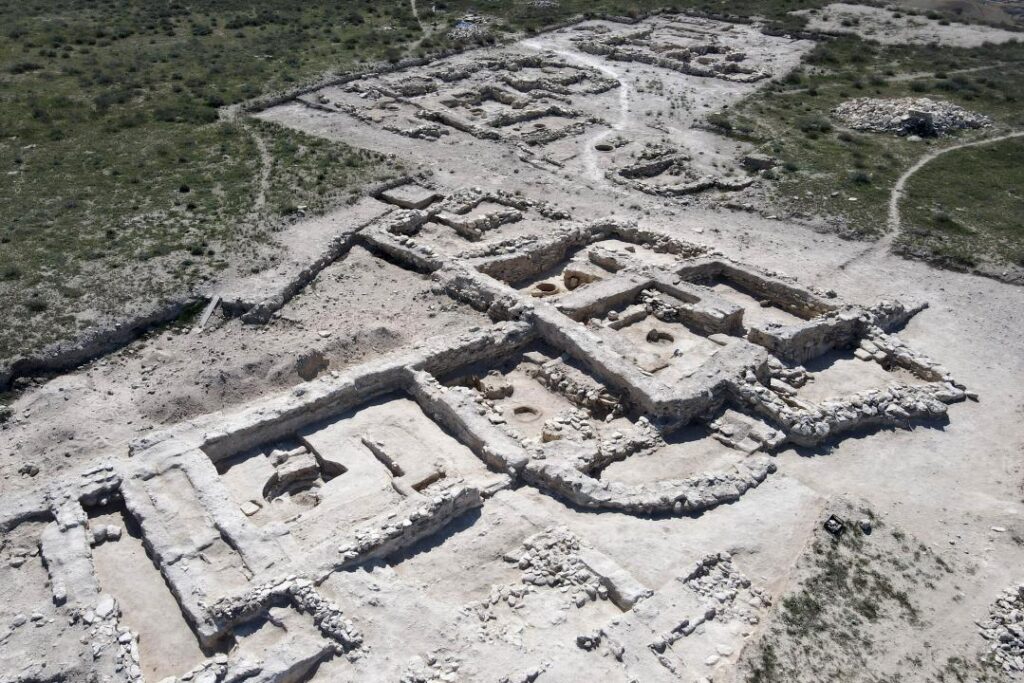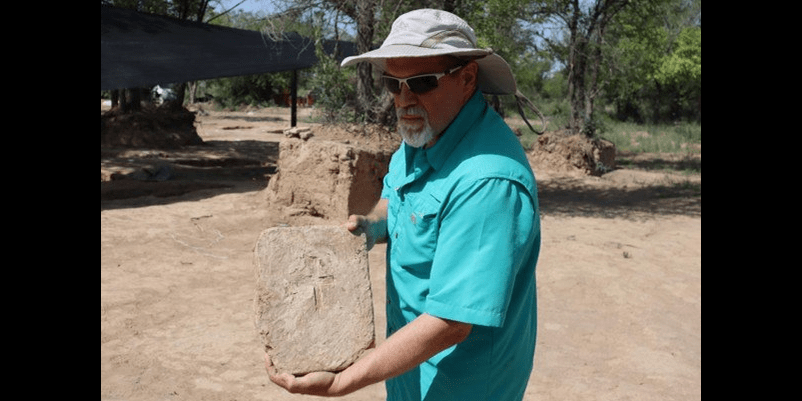
For almost a decade, archaeologists excavating a medieval Silk Road city in southeastern Kazakhstan have been uncovering evidence of a little-known Christian community that lived there centuries before the Russian conquest. At Ilibalyk, in the Zhetysu region near Kazakhstan’s border with China, they have found a Christian cemetery, dozens of gravestones bearing crosses and epitaphs, a funerary chapel, and burials of women of high social status.
In an interview with The Times of Central Asia, American archaeologist Steven Gilbert discusses the discoveries at Ilibalyk, what they reveal about Christianity in medieval Central Asia, and what archaeology can add to Kazakhstanis’ understanding of the region’s past.
TCA: What inspired you to pursue archaeology, and how did your research journey bring you to Kazakhstan?
Gilbert: I lived in Kazakhstan before I became an archaeologist. I moved to Kazakhstan in 1993, shortly after independence. My wife and I originally came as part of a humanitarian organization because Kazakhstan was facing many difficulties at the time. Our organization was involved in food aid projects in the Aral Sea region and various exchange programs.
My interest in archaeology began after a schoolteacher discovered a very large Christian gravestone, one meter long, in Usharal, in the Panfilov district of the Zhetysu region, in 2014. I had previously conducted historical research into Christianity in Central Asia and knew that Christians had been present in the region since the fifth century, and possibly as early as the second century.
The discovery of this remarkable artifact, now housed at the Center for the Rapprochement of Cultures in Almaty, allowed me to establish connections with archaeologists from Kazakhstan and the United States. Through them, I returned to the U.S. to study archaeology specifically so that I could work at this and other sites.
TCA: What makes the ancient city of Ilibalyk historically unique within the Silk Road network?
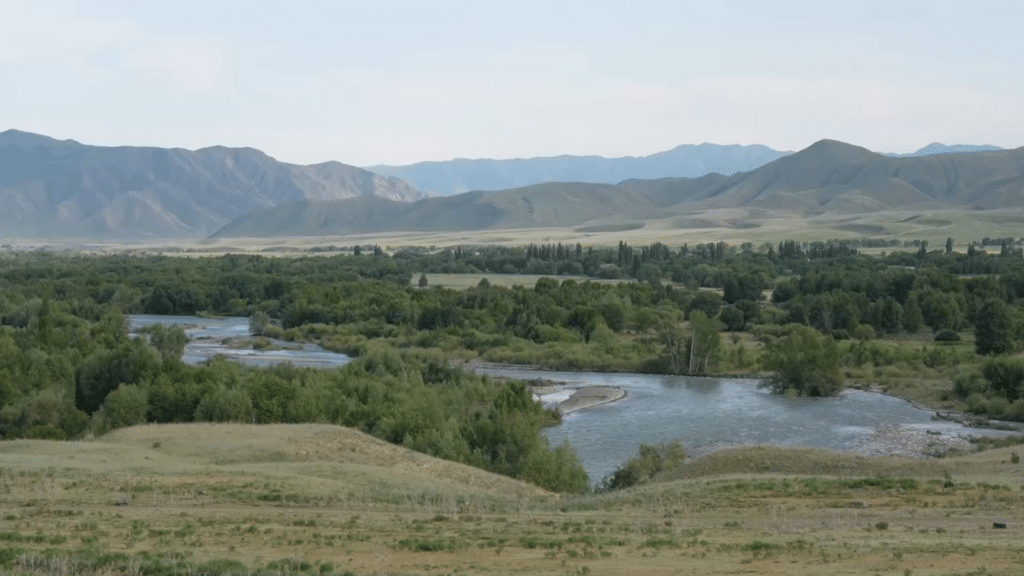
Gilbert: Ilibalyk was located on an ancient trade route just beyond the Dzungarian Gate in this region. It was a stop before Almaliq, the capital of the Chagataids in the late medieval period. This oasis on the edge of the desert was an important place for travelers both before and after the Mongol conquest.
For our research, its uniqueness lies primarily in the fact that we now know that a large community of Turkic-speaking Christians lived here for almost two centuries, from the 12th to the 14th century.They lived in the city alongside followers of several religions: Muslims, Buddhists, Manichaeans, and those who followed traditional religious beliefs that today we call Tengrism.
This is the first clearly Christian cemetery discovered in Kazakhstan dating from before the arrival of the Russian Empire. Christian communities and cemeteries had previously been found in Kyrgyzstan, but this is the first reliable evidence of such a community on the territory of modern-day Kazakhstan.
TCA: Which of the artifacts and discoveries made by your team at Ilibalyk do you consider the most significant?
Gilbert: We have discovered more than 50 gravestones, known as kairaks, bearing images of crosses. Six of them have written epitaphs. Four are in Old Turkic, a predecessor of modern Turkic languages, including Kazakh. Two other epitaphs are written in Syriac, which was used by the Church of the East and in religious ceremonies.
Among the names are biblical ones, such as Petros or Isho, Jesus, as well as Central Asian names such as Shirin and Tegiz.
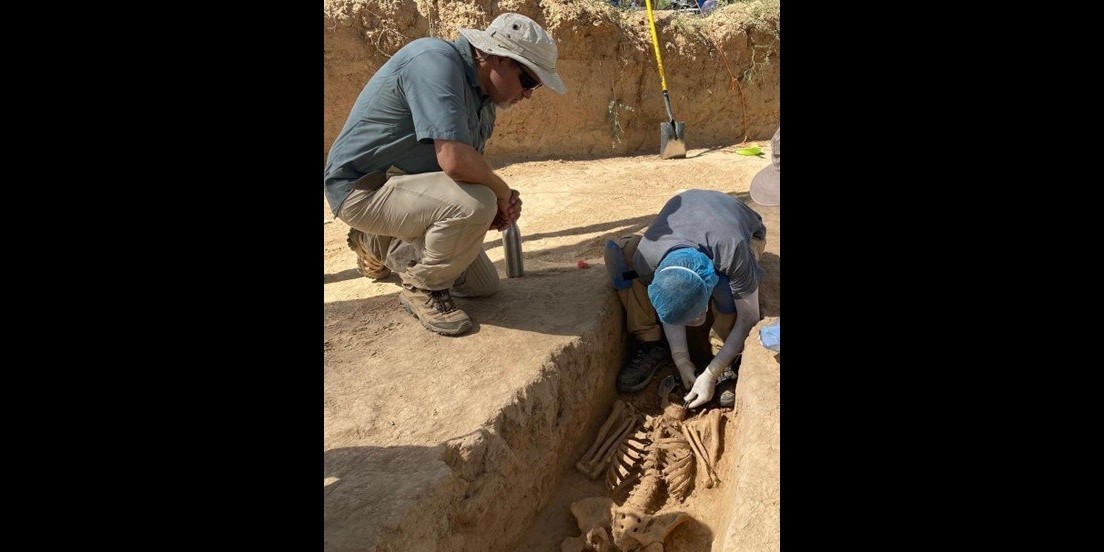
We also discovered a section of the Christian cemetery containing burials of women of very high status who wore traditional boqtaq headdresses, worn by married women who were often referred to as khatuns. In a small section of the cemetery, we found at least five women wearing such headdresses. Other objects in their graves included scissors, daggers, rings, and other items.
Christian women from the Kereit and Naiman tribes often married Mongol rulers. Genghis Khan and his sons also married women from these tribes, and the early Mongol rulers favored Christians during the first half of the empire’s existence. The discovery of these women confirms much of this history and may indicate that the cemetery contains women from the Naiman or Kereit tribes.
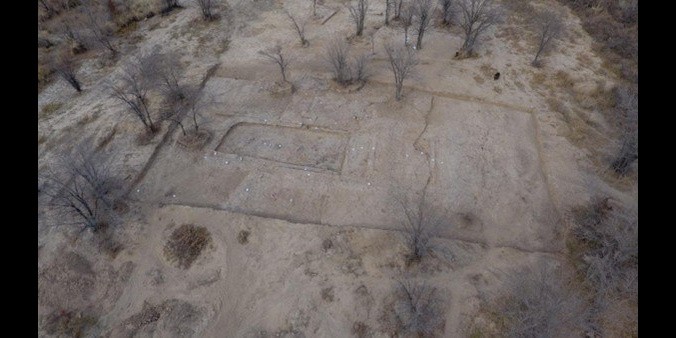
We also discovered the foundations of a funerary chapel next to the cemetery. It was a small church structure measuring 23 by 8 meters, used by the Christians of Ilibalyk to prepare the dead for burial. From written sources, we know that Christians of the Church of the East used funerary chapels in every city where their communities existed. This is the first time archaeologists have discovered such a structure.
TCA: Based on the evidence you have uncovered, what was everyday life like for people living in this region during the Middle Ages?
Gilbert: Quite difficult. We found signs of malnutrition in almost everyone who lived there. There are many child burials in the cemetery, probably about as many as adult burials. Only a very small percentage of those buried in the cemetery, including in the recently discovered section of non-Christian graves, lived to old age.
Harsh winters, as well as civil wars between the Chagatai and Yuan uluses and within the Chagatai ulus itself, appear to have caused periods of famine. We can see evidence of this in changes to the teeth that occur when a person experiences malnutrition during childhood.
TCA: What particular technical or environmental challenges do you encounter during excavations in Zhetysu?
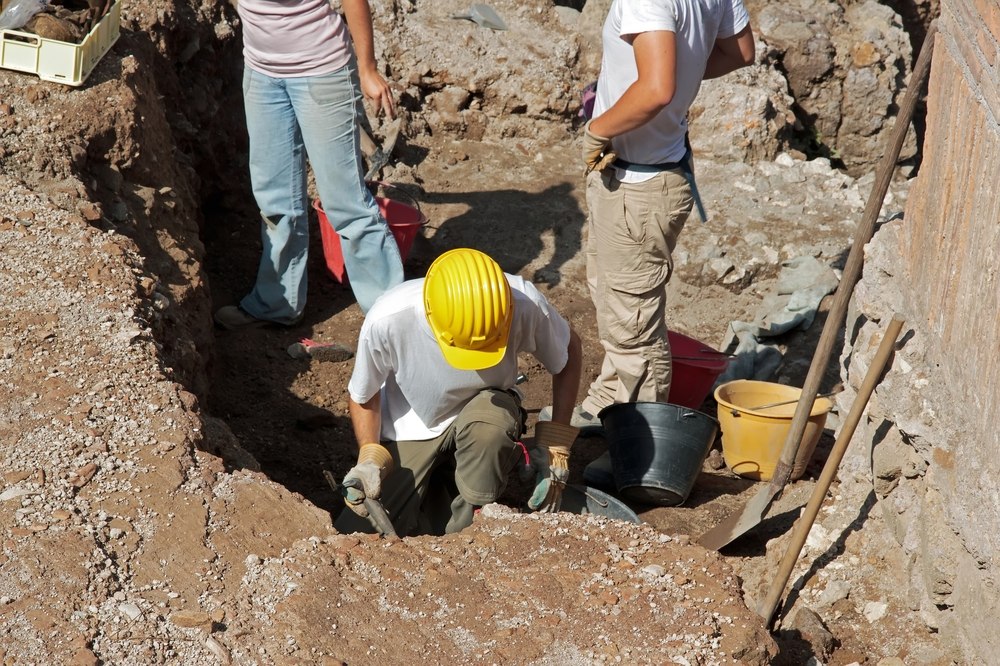
Gilbert: Simply put, it is hot here in the summer. We start excavating at five every morning to avoid the heat of the day. Overall, however, our experience has been very positive. Residents of Usharal not only work on our archaeological team but have also shown us tremendous hospitality throughout the ten years of our excavations.
We conduct all our work in accordance with Kazakhstan’s laws and regulations and cooperate directly with Rutrum LLC, a local cultural resource management company based in Almaty. Ours is an international project; our partners include the Society for the Exploration of Eurasia in Switzerland, the Tandy Institute for Archaeology, and the Lanier Center for Archaeology in the United States. Specialists, professionals, and volunteers from South Korea, Australia, the United Kingdom, Singapore, Uzbekistan, Russia, and different regions of Kazakhstan have taken part in the project.
TCA: How did you learn Kazakh, and how has knowing the language affected your relationships with local residents and researchers?
Gilbert: My wife and I began learning it as soon as we arrived in 1993. We lived here continuously until 2024. From the beginning, our goal was to find a way to the hearts of the Kazakh people. Learning the language was quite difficult in those years because there were very few materials available. We found that when we speak Kazakh, it immediately creates a friendly connection. Hardly a day goes by when I speak Kazakh without seeing a warm smile or receiving a handshake.
Kazakh culture is very rich, and our excavations have revealed a side of the culture that existed before the formation of modern Kazakhstan, showing that the “seeds” of the Kazakh nation and its tribes had a diverse religious and historical past. Some people have said that Kazakhstan has no history; that is far from the truth. Kazakhstan and its people have a rich heritage, and everyone living in Kazakhstan needs to study and understand the different strands of its past.
TCA: How do you combine traditional excavation methods with modern technology?
Gilbert: At our sites, we use many of the latest technologies, including LiDAR-equipped drones, ground-penetrating radar, radiocarbon dating, and even preliminary ancient DNA analysis. We report on all our findings annually, and we also have several publications in the academic community that need to be translated into Kazakh.
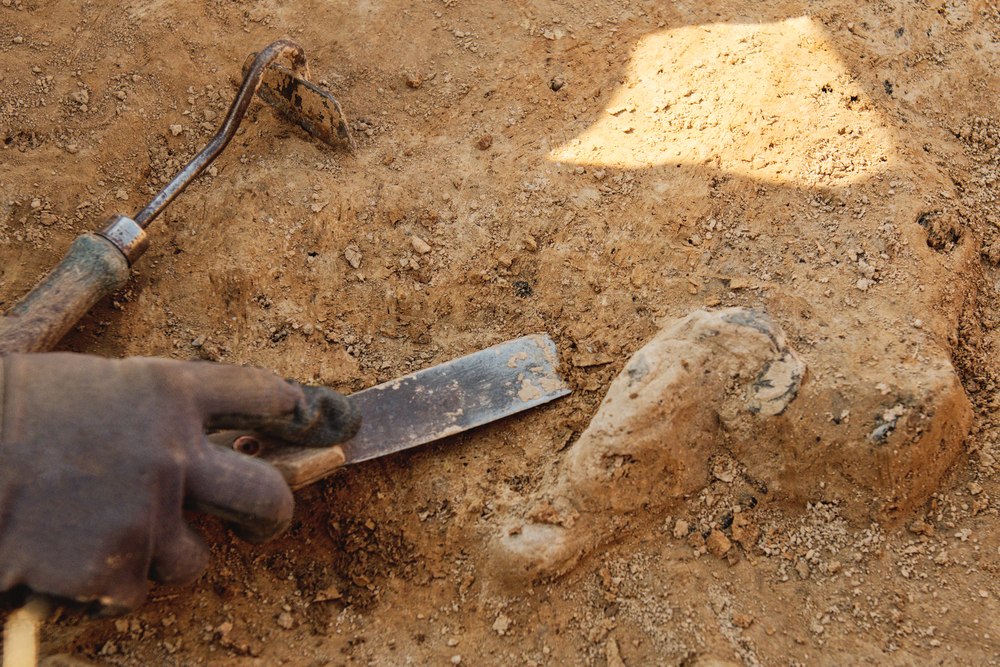
But ultimately, despite all these fancy “toys” in the field, the excavation process itself provides the most information. To understand it, we have to dig it up.
TCA: What are your long-term goals for the Ilibalyk project, and how do you plan to preserve this historical site for future generations?
Gilbert: The site is officially protected by the Republic of Kazakhstan. Because the area had been part of a Soviet collective farm since 1933, a significant portion of the ancient site and city had previously been damaged by agricultural activity. Before we arrived in 2016, the ancient city had never been excavated.
I hope that future work will be conducted not only in the necropolis but also in the areas where people lived across the entire five-square-kilometer site.
Since we arrived, we have also seen residents of Usharal begin to take pride in the site and even report illegal metal detectorists who, for some reason, think they will find valuables or even gold here. They will not. Removing an artifact from its context only destroys valuable information that we can obtain when an object remains in place.
We already have a large amount of material that needs to be published and processed. All artifacts from these or any other excavations are the property of the Republic of Kazakhstan, and nothing is taken out of the country unless the government provides an object to an international museum for an exhibition.
My dream is that museums in the Panfilov district and other regions of the country will want to display some of the Christian gravestones and give us an opportunity to tell the story of the people of Ilibalyk.
TCA: What advice would you give to young Kazakhstanis who want to pursue archaeology?
Gilbert: Be prepared to work hard. The best archaeologists are historians and anthropologists at the same time, and they also know how to use technology. They also need to be able to work well with other people.
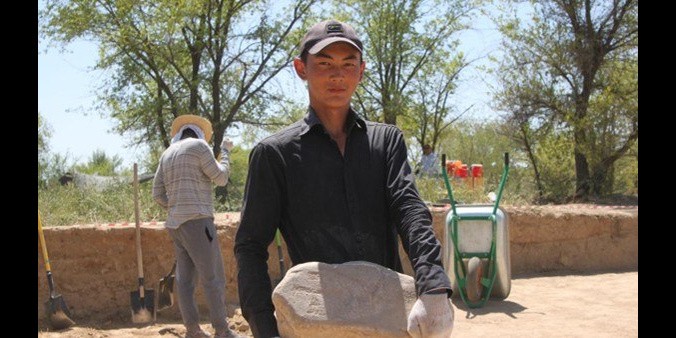
This entire project is a team effort involving dozens of people. This year, our team included almost 40 people, including local residents of Usharal, Kazakhstani and international specialists, and volunteers from around the world.
Knowing an international language, especially English, will help you engage with the global academic community, and that is extremely important for interpreting both the artifacts and the site being excavated.
Although most people associate archaeology with the “romance” of discovery, most often they say that we are looking for gold; our real “gold” is knowledge. We learn things about our past that are not in books, or we can add to what we already know from ancient written sources.
Most people in Kazakhstan whom I speak to about our discoveries have no idea that Christians lived on the territory of Kazakhstan almost a thousand years ago. Archaeological and historical research helps a people and a country understand their past, and that is the foundation of the future of any state.