Following its premiere at the San Sebastian International Film Festival this fall, where it received a special award, the Kazakh-Spanish film La Trequa (The Truce) has been released in cinemas in Spain and Kazakhstan. It is now set to become the first Spanish-language film featuring Kazakhstan to appear on Netflix.
“Although critics say the film is not for popcorn viewing, given its focus on little-known and tragic chapters in the histories of Kazakhstan and Spain, its release has generated strong emotional responses in both countries,” said Yerlan Bekhozhin, a prominent Kazakh journalist and co-producer of the film, in an interview with The Times of Central Asia. “It speaks to the timeless struggle of human confrontation.”
The film presents a Kazakh narrative about Spaniards caught on opposing sides of ideological conflict. “It is a story from the last century, yet it addresses the present day,” Bekhozhin said. “When we look at today’s world, it’s clear that people lack the ability to engage in dialogue. The main message of the film is: There is always a way to negotiate.”
Netflix is expected to stream the film in 2026. Distribution discussions are also underway for theatrical releases in Mexico and other Spanish-speaking countries in Latin America.

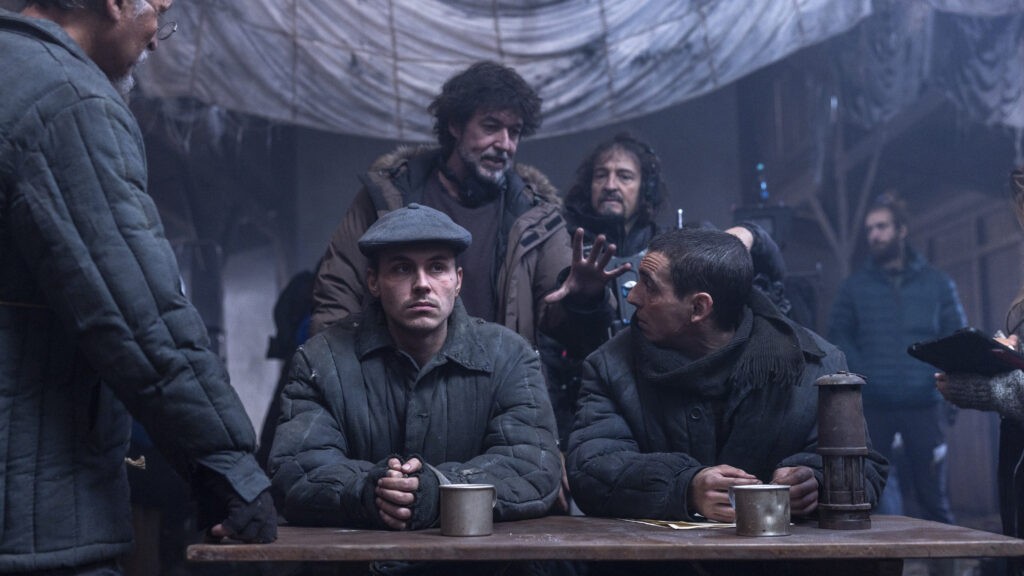
Still from La Tregua
From Karaganda to the Screen
The story is rooted in the history of Karlag, the Karaganda labor camp that operated in Kazakhstan from 1937 to 1959. Victims of Stalinist repression from across the Soviet Union, including foreign nationals, were imprisoned there for dissent, free expression, or as victims of denunciations.
The idea for the film came from Spanish producer César Benítez, inspired by an event from over 30 years ago. During the Soviet era, the identities of Spanish citizens imprisoned in Karlag were kept secret. After Kazakhstan gained independence, its government handed the list of repressed Spaniards to the King of Spain, a gesture that sparked widespread attention in Spain, allowing many families to finally discover the fate of their relatives.
Years earlier, the Spanish documentary, The Forgotten in Karaganda, had drawn significant attention to the subject. Now, Benítez has transformed the story into a feature film.
“The title The Truce is deeply relevant today, at a time when peace requires people to sit at the same table,” said Bekhozhin.

Still from La Tregua
Kazakh Identity on a Global Stage
Bekhozhin also emphasized the film’s role in portraying Kazakh identity. “Its global release will introduce the world to the law of the steppe, the law of hospitality,” he said. “Kazakhs have long demonstrated empathy forged under harsh conditions. It’s part of our national character to welcome others, regardless of nationality or faith.”
One scene in the film shows a Kazakh family near the camp inviting Spanish prisoners into their home and setting a traditional dastarkhan, a generous table of lamb-based dishes. The prisoners are seated in the place of honor, or torge, in keeping with Kazakh custom.
“In the film, the hostess explains that when people from foreign lands appear at your door, you invite them in,” Bekhozhin said. Another scene, ultimately cut to maintain a 2.5-hour runtime, depicted villagers throwing kurt (hard cheese) over the camp fence to feed the prisoners.

Still from La Tregua
Bilbao’s Mini-Karlag
One regret, Bekhozhin admitted, was that the film’s winter scenes were not shot in Kazakhstan, where Karlag’s original buildings still stand.
“Initially, we planned to film in Kazakhstan,” he said. “But after the January 2022 unrest, Spanish insurers declined to cover shooting in the country. They insisted it be done in Europe.”
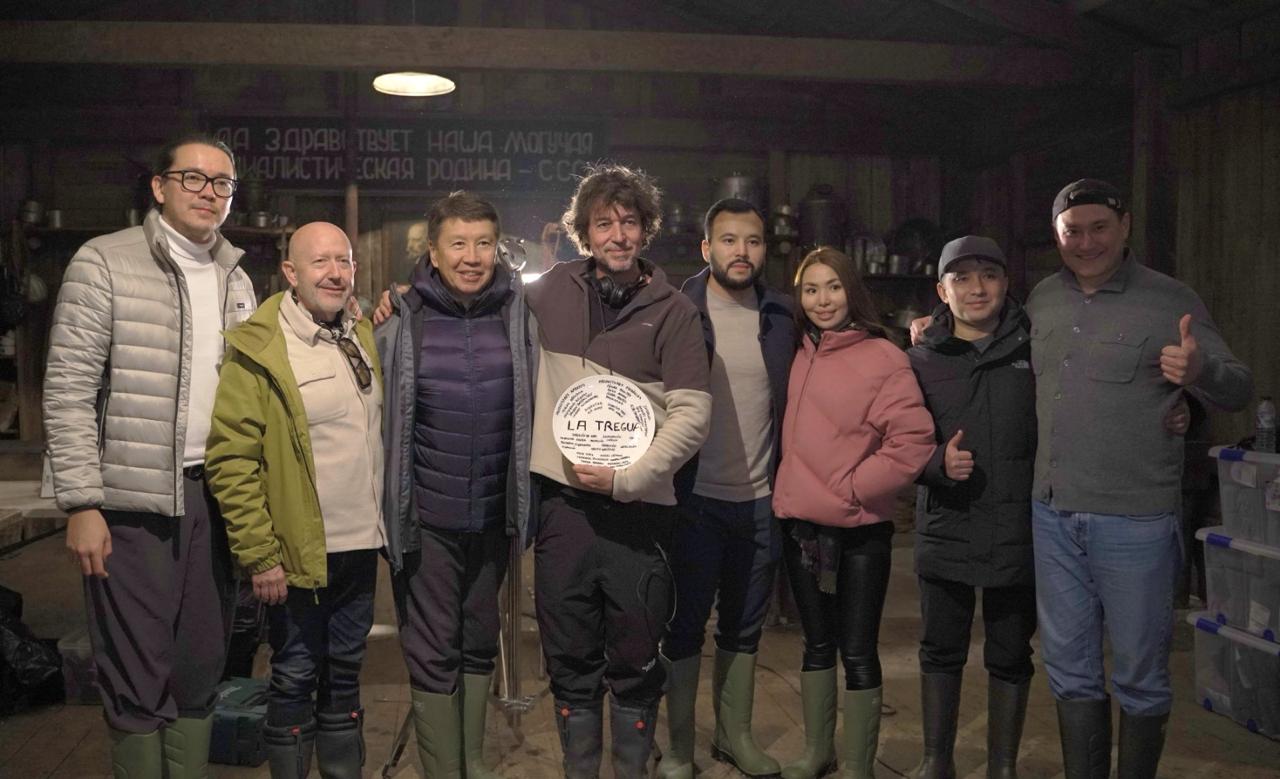
Filming took place in Bilbao, where a replica of Karlag was built. Local authorities were so impressed by the project that they asked producers to preserve the set for use as a tourist site showcasing this chapter of Spanish history. “They treated the story with seriousness, care, and purpose,” Bekhozhin noted.