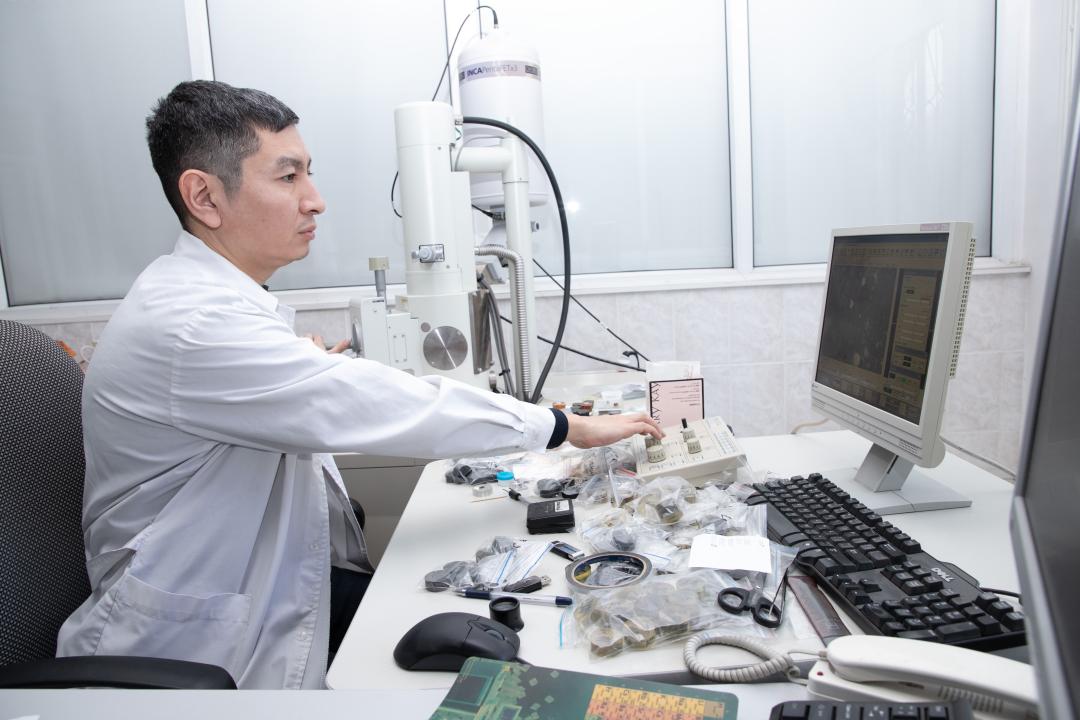
D. Serikbayev East Kazakhstan Technical University has been selected to participate in the TiBeRIUM (Titanium and Beryllium for European Resilience and Innovative Utilization of Minerals) project, part of the European Union’s Horizon Europe research and innovation program for 2021-2027, which has a total budget exceeding €90 billion.
TiBeRIUM seeks to develop sustainable supply chains for critical raw materials (CRMs) and implement advanced, environmentally friendly processing technologies. The project consortium includes 25 partners from Germany, Greece, Cyprus, the United Kingdom, Norway, Spain, Poland, Belgium, Bulgaria, Finland, Kazakhstan, and Uzbekistan. The project is coordinated by Freiberg University of Mining and Technology (Germany).
Kazakhstani participants include D. Serikbayev East Kazakhstan Technical University, Tenir Group, and the Ulba Metallurgical Plant. The project will carry out a comprehensive study of titanium and beryllium resources in Kazakhstan and Uzbekistan both of which are designated as CRMs by the EU due to their strategic role in European defense, green technology, industrial sustainability, and technological sovereignty.
Kazakhstan is not participating solely as a raw material supplier but as a full partner in scientific research, technology development, and environmentally efficient processing. The initiative represents a shift from an “extraction-export” model to one focused on “science, technology, and added value.”
Participation in TiBeRIUM offers Kazakhstan access to cutting-edge international technologies, enhances applied science and engineering capacities, supports the training of a new generation of researchers and engineers, and strengthens the country’s role in global critical mineral supply chains.
The project aligns with the goals of the European Critical Raw Materials Act, which seeks to reinforce the EU’s capacity and resilience in securing strategic mineral supply. The act emphasizes the importance of building mutually beneficial partnerships with third countries to diversify and stabilize critical raw material imports.