The United States, China, Russia, and Europe are pursuing different models of space strategy, ranging from institutional leadership to technological autonomy. At the same time, the number of middle powers that view space as a tool for economic development and the strengthening of sovereignty is growing. In this context, a multi-level system is emerging in which the architecture of near-Earth space is becoming an element of the global balance of power.
For Kazakhstan, these changes are of direct importance. The country possesses a unique infrastructure asset, the Baikonur Cosmodrome, and is gradually developing its own satellite and manufacturing capabilities. However, amid the fragmentation of the global space order, the question of strategic choice is becoming increasingly pressing. Will Kazakhstan remain primarily an infrastructure hub, or will it build a sustainable national model for participation in the evolving space architecture?
Models of Space Strategies
The United States remains the world’s leading space power in terms of funding and launch frequency. Total government space spending, including allocations for NASA, the U.S. Space Force, and intelligence programmes, reached a record $79.7 billion in 2024 out of approximately $135 billion in global government space spending.
A defining feature of the U.S. model is the close integration between government institutions and the private sector. Companies such as SpaceX and Blue Origin have become integral to national strategy, helping to reduce launch costs and accelerate innovation.
A central component of the current phase is the Artemis lunar programme. The Artemis II mission is planned to conduct a crewed flyby of the Moon, while Artemis III is intended to return humans to the lunar surface using a landing system being developed by SpaceX.
China’s space strategy is built on the concept of long-term technological sovereignty and the phased expansion of its presence in space. Deployment began in 2021, and the three-module Tiangong space station was completed in 2022. Chinese astronauts now conduct scientific experiments and test technologies for long-duration missions in low Earth orbit.
In lunar exploration, China is implementing a step-by-step research programme that includes returning soil samples and advancing plans for an international lunar research station. The Tianwen-1 Mars mission, which included the landing of the Zhurong rover, demonstrated the country’s capacity to carry out complex interplanetary operations independently.
Amid sanctions pressure and reduced international cooperation, Russia’s space strategy is focused on ensuring independent access to space, maintaining orbital infrastructure, and preserving key capabilities in human spaceflight.
Despite ongoing uncertainty over its long-term involvement, Russia continues to participate in the International Space Station programme, conducting regular crewed launches and sending Progress cargo spacecraft. At the same time, work is underway on the planned Russian Orbital Station (ROS), with initial deployment planned for the late 2020s. The project is viewed as an important step in preparing for future missions, including potential lunar initiatives.
Europe’s space strategy emphasises strategic autonomy alongside broad international cooperation. In addition to traditional Ariane and Vega launch vehicles, European countries are investing in commercial startups such as Isar Aerospace and Orbex, which are developing small- and medium-class rockets designed to provide more flexible access to orbit.
In the field of orbital infrastructure, Europe is strengthening its autonomy through its own satellite systems. The Galileo navigation network is intended to ensure independence from GPS and other global positioning systems, while the Copernicus programme is building one of the world’s largest Earth observation frameworks.
Space activity is no longer limited to traditional superpowers. During the 2020s, a wide group of middle powers has emerged that sees space as a tool for technological advancement, security, and international prestige. India is preparing its Gaganyaan crewed programme, aiming to become the fourth country capable of independently sending humans into space. The United Arab Emirates is shifting from single flagship missions to a long-term strategy, from the Hope Mars mission to the “Mars 2117” vision.
Japan is also strengthening both the scientific and defence dimensions of its space policy through participation in Artemis and institutional reforms within its Self-Defense Forces. South Korea is developing its Nuri launch vehicle and planning lunar missions; Israel is focusing on miniaturisation and reconnaissance technologies; Turkey is advancing a national space programme with lunar ambitions; and Canada continues to specialise in robotics for international space stations.
Kazakhstan’s Infrastructure Base
The modern space race reflects the emergence of a multi-tiered system in which major powers shape overall architecture, while middle powers seek stable niches in areas such as launch services, robotics, satellite data, and defence-related technologies. Attempting to define its role within this group, Astana is shaping its space strategy by combining its historical infrastructure legacy with the gradual development of national capabilities.
Kazakhstan operates the KazSat-2 and KazSat-3 communications satellites, as well as Earth observation spacecraft, helping to ensure telecommunications resilience and enabling monitoring of natural resources, agriculture, and infrastructure. At the same time, new satellites are being developed, including radar observation systems that could strengthen analytical capacity and expand export opportunities in space-based data services.
Since 2024, a spacecraft assembly and testing complex has been operating in Astana in cooperation with Airbus Defence and Space. This facility allows satellites to be designed, assembled, and tested domestically.
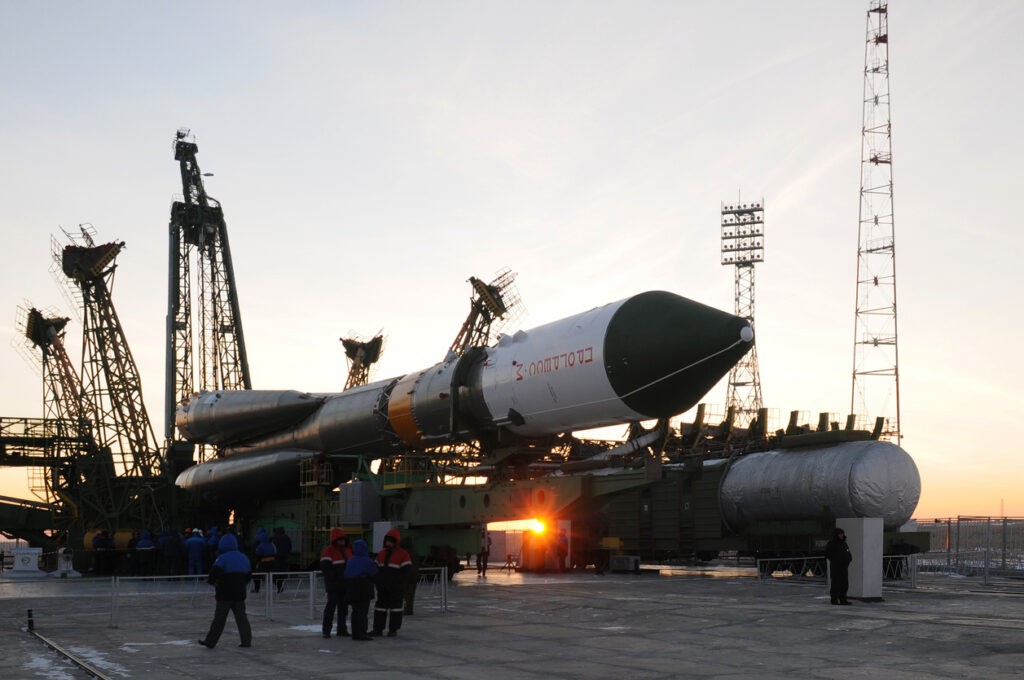
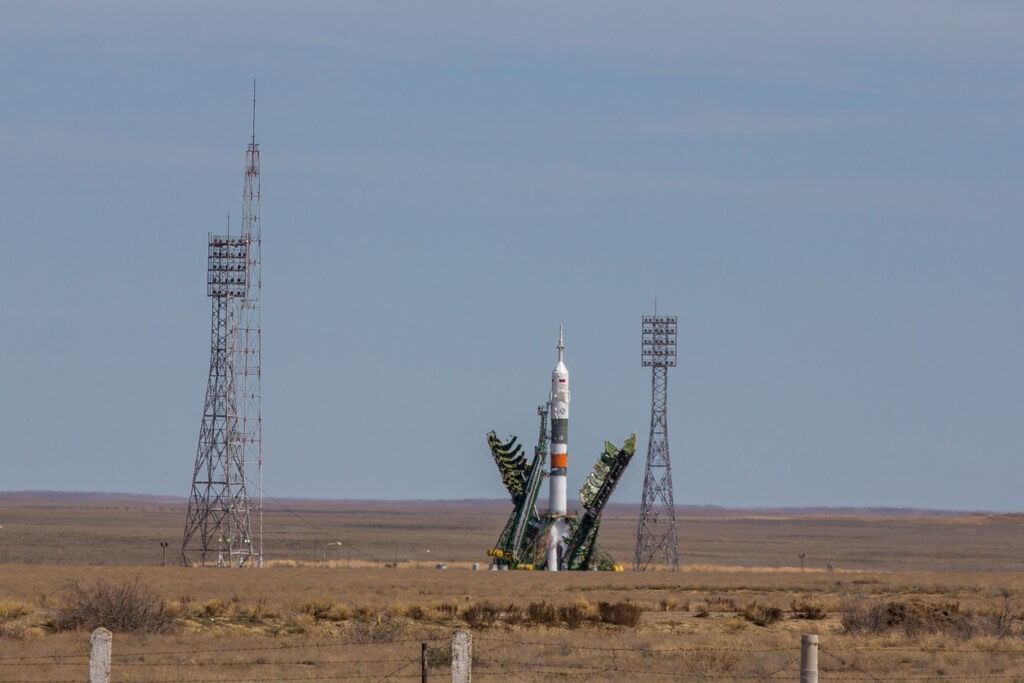
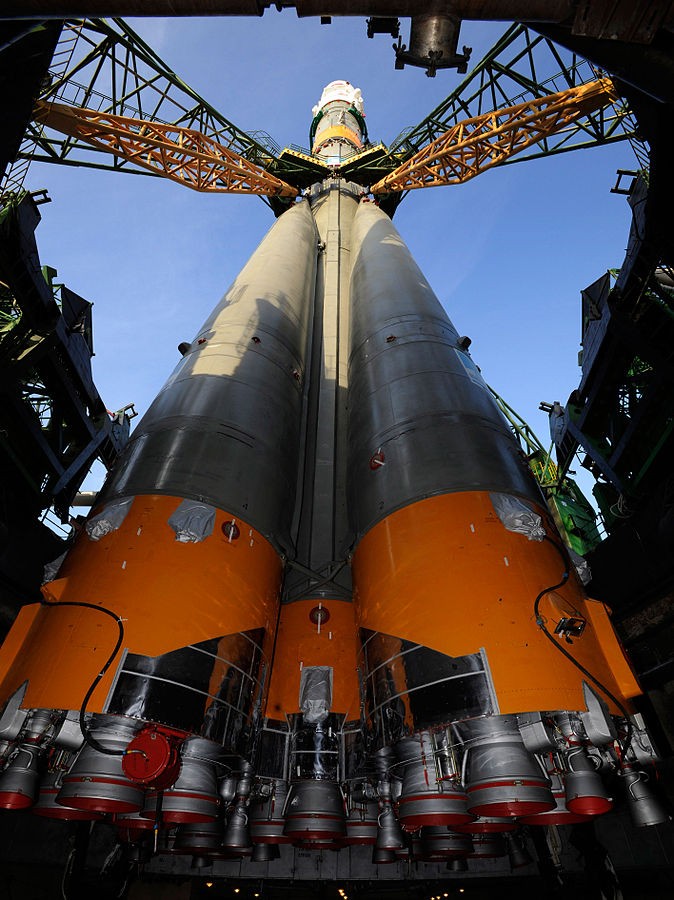
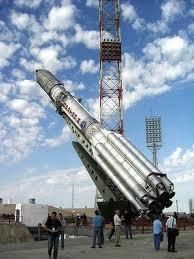
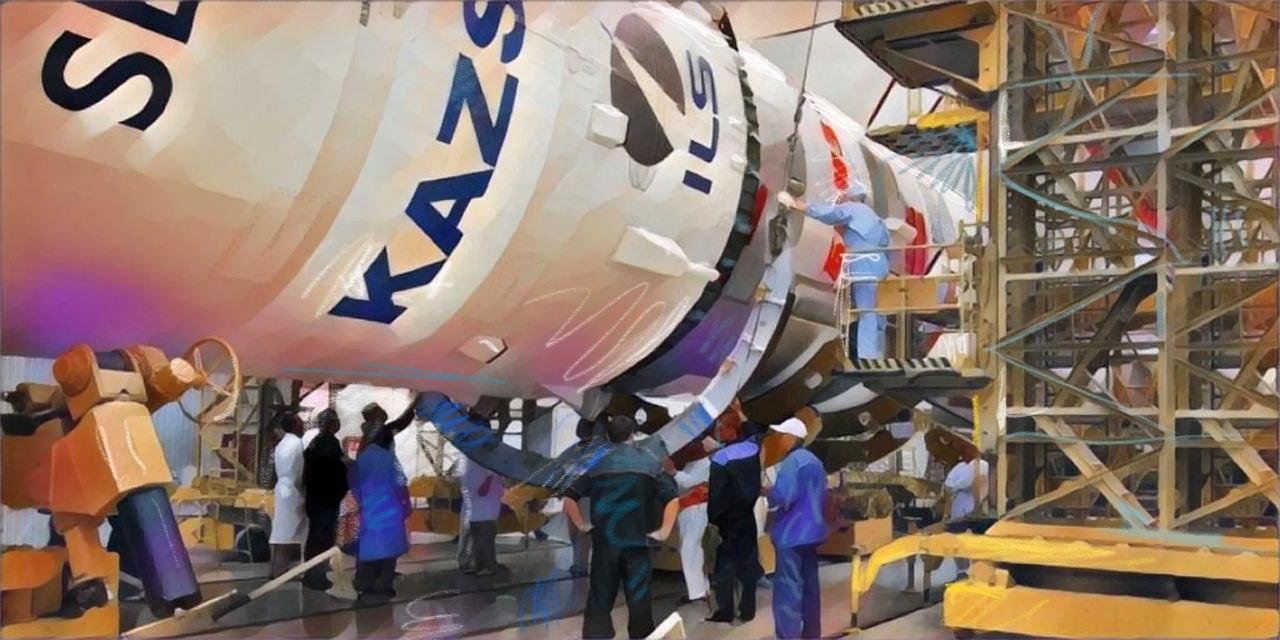
The Baikonur Cosmodrome remains a central element of the national space ecosystem. Kazakhstan receives lease payments from Russia while also seeking to expand its own role in launch operations through the Baiterek project, under which the first launch of the joint Kazakh-Russian Soyuz-5 (also known as Sunkar) launch vehicle is being prepared. The project is reportedly approaching a critical phase but continues to face technical challenges.
Recent reports indicate that the transport of the launch vehicle to the launch complex, initially scheduled for March 24, has been postponed to March 26. According to sources at the cosmodrome, this delay has also affected the timeline for the first test launch.
Developing this sector is viewed as a means of increasing Kazakhstan’s share in the commercial launch market and diversifying revenue from space infrastructure.
Kazakhstan also aims to transform Baikonur into a hub for international cooperation, scientific exchange, tourism, and educational initiatives. Expanding into new markets for space services and creating opportunities for young engineers and researchers could provide significant long-term benefits.
Pragmatism Over Ambition
Unlike the leading space powers, Kazakhstan is not currently pursuing large-scale interplanetary missions or the creation of an independent crewed space programme. Instead, its approach is pragmatic, focusing on strengthening the technological base, developing satellite services, and gradually increasing participation in commercial launches.
In a fragmented global space environment, where American, Chinese, European, and Russian technological ecosystems coexist, middle powers face both heightened risks of dependency and opportunities to act as bridges between different systems. Kazakhstan’s geographical position, experience in multi-vector diplomacy, and involvement in international security frameworks provide a foundation for developing a focused and realistic national strategy in the space sector.
This underscores the need for a comprehensive policy centred on data services, technological partnerships, and regulatory engagement. Under such conditions, space could become not only an extension of Kazakhstan’s infrastructure legacy but also a pillar of long-term technological resilience in a rapidly evolving global order.