A political earthquake hit Kyrgyzstan on February 10.
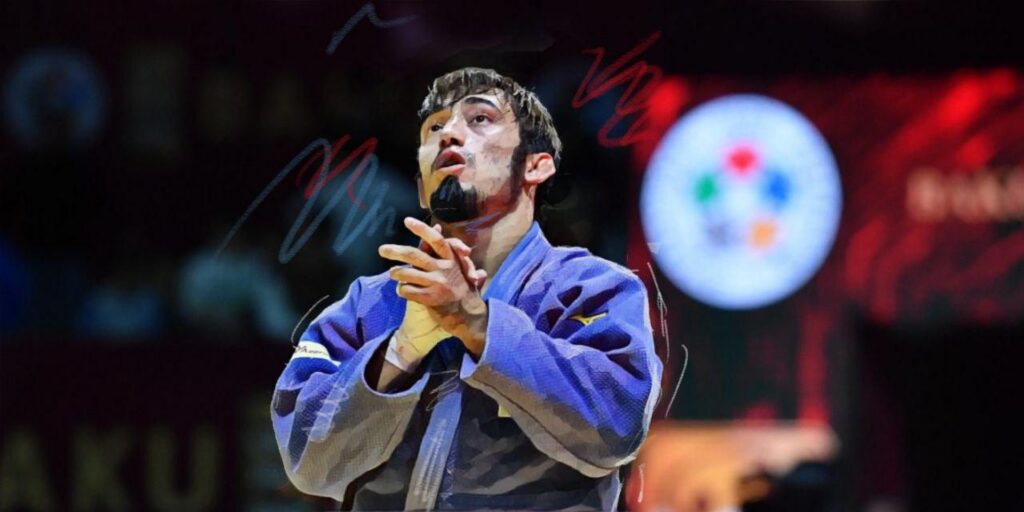
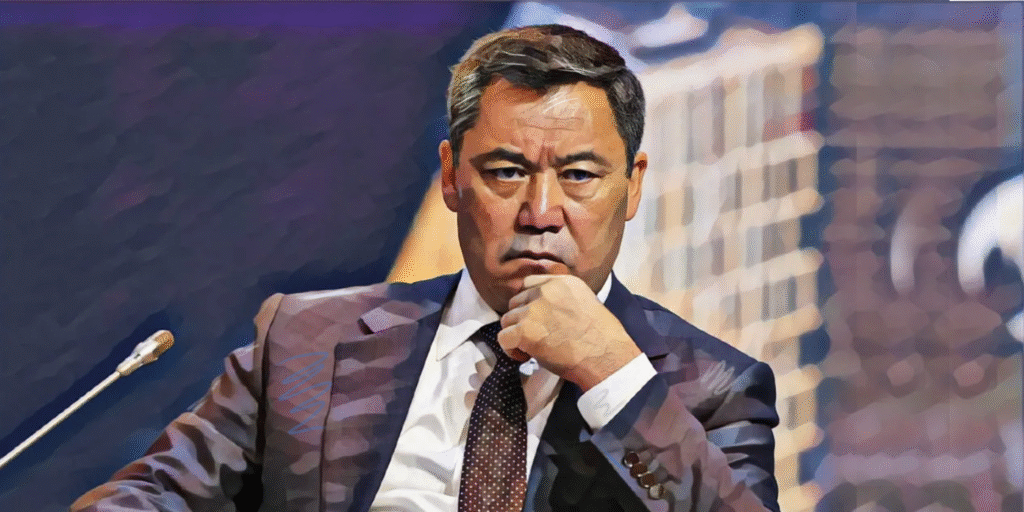
The tandem of President Sadyr Japarov and security chief Kamchybek Tashiyev was seemingly broken when Japarov dismissed Tashiyev from his post. The reason given for relieving Tashiyev of his position was that it was “in the interests of our state, in order to prevent a split in society, including between government structures,” which hinted that something serious had caused the rift.
Old Friends
After the brief tumultuous events of October 5-6, 2020, that saw the government of President Sooronbai Jeenbekov ousted in the wake of parliamentary elections plagued by violations, Japarov came to power and appointed Tashiyev to be head of the State Committee for National Security (GKNB). The two have remained in those positions and were often referred to as a tandem. Some believe Tashiyev has actually been the one making many of the important state decisions.
Their relationship goes back much further, to the days when Kurmanbek Bakiyev was Kyrgyzstan’s president from 2005-2010.
In August 2006, Japarov, Tashiyev, and some other politicians from Kyrgyzstan’s southern Osh area cofounded the Idealistic Democratic Political Party of Kyrgyzstan, which later became the foundation for the Ata-Jurt party. Both Japarov and Tashiyev were supporters of President Bakiyev.
When Bakiyev was forced to flee the country after the 2010 revolution in Kyrgyzstan, the Ata-Jurt party became the strongest opposition party to the government that emerged after the revolution. Ata-Jurt won the most seats, 28, in the snap October 2010 parliamentary elections, and among the party’s deputies were Japarov, Tashiyev, and another politician named Talant Mamytov.
The three Ata-Jurt deputies helped organize anti-government protests, and during one outside the government building in Bishkek in October 2012, Japarov, Tashiyev, and Mamytov jumped the fence and led an armed crowd to the building. All three were convicted in 2013 of trying to overthrow the government. They were sentenced to a mere 18 months in prison, but did not even serve that, with all three being released in July 2013.
Japarov helped lead a protest in Kyrgyzstan’s northeastern Issyk-Kul Province in October that year. A local official was captured and briefly held by protesters, and after order was restored, Japarov was charged with hostage-taking.
He fled the country and only returned in March 2017. Japarov was immediately arrested and sentenced to 11 ½ years in prison.
A crowd released Japarov from prison when unrest started on October 5, 2020.
Tashiyev was among those who quickly put forth Japarov to be Kyrgyzstan’s next leader, and by October 15, Japarov was both acting prime minister and acting president.
He appointed Tashiyev to be GKNB chief on October 16. Mamytov was elected speaker of parliament on November 4, 2020.
The Dismissal
Tashiyev was in Germany receiving medical treatment when Japarov dismissed him.
On February 11, Tashiyev commented from Germany on his dismissal, calling it unexpected, but said he would heed the president’s decision. “I served our state, people, and president honorably, and I’m proud of it,” Tashiyev said, and expressed his “gratitude to every GKNB employee.“
Tashiyev has gone to Germany for treatment several times in recent years, though he always appeared healthy when carrying out his duties in Kyrgyzstan.
Tashiyev has led the successful battle against organized crime in Kyrgyzstan, and in August 2025, said there were no longer any significant organized criminal groups operating in the country.
Kyrgyzstan’s Border Guard Service has been a department within the GKNB since 2020. So, Tashiyev also led border demarcation talks with Uzbekistan and Tajikistan that resulted in final agreements with both countries after more than 30 years of problems. The resolution of the Kyrgyz-Tajik border was especially important. The two countries engaged in brief but deadly conflicts along the border in late April 2021 and mid-September 2022 that resulted in more than 200 people being killed.
Tashiyev also led the campaign to silence Kyrgyzstan’s once vocal and active political opposition and civil society. For most of Kyrgyzstan’s nearly 35-year history, protests and demonstrations were common, but during the last few years, they have almost entirely disappeared.
During the entire time Japarov has been leader and Tashiyev security chief, the two have had nothing but compliments and praise for each other. Which is why the remarks of Japarov’s press secretary, Askat Alagozov, came as such a surprise.
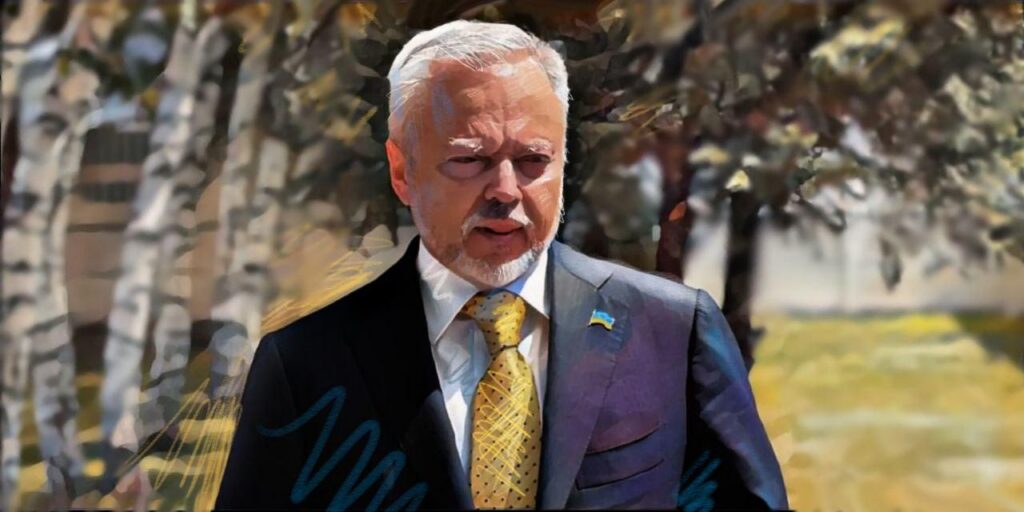
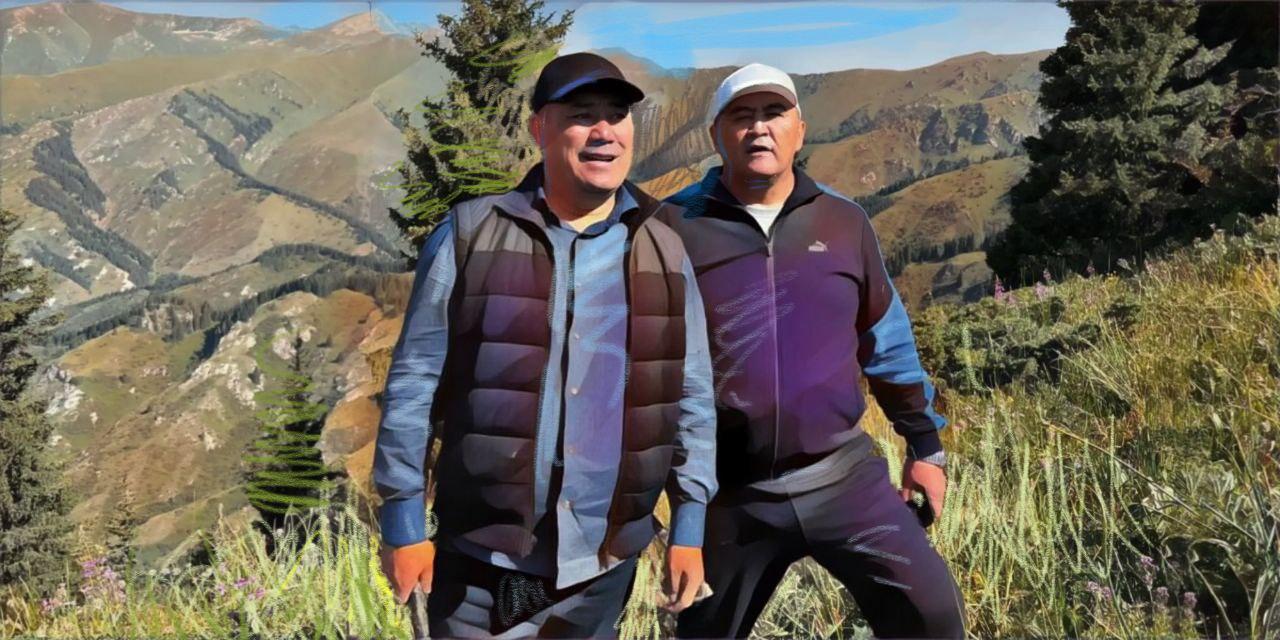
It was Alagozov who conveyed the information that Tashiyev was being dismissed “to prevent a split in society, including between government structures.” Alagozov said political figures, including Bekbolot Talgarbekov, former Ambassador to Uzbekistan Emilbek Uzakbayev, both in their 70s, and others, “hiding behind the name of Tashiyev called a wide variety of people – from deputies [in parliament] to public figures and representatives of the intelligentsia – and pushed them to various actions, calling on them to ‘go over to the general’s (Tashiyev’s) side.’”
None of this directly implicates Tashiyev in any wrongdoing, but later reports said three deputy chairmen in the GKNB were also dismissed: First Deputy GKNB Chairman Kurvanvbek Avazov, Director of the Coordination Center for Cybersecurity Daniel Rysaliyev, and Director of the Antiterrorist Center, Elizar Smanov.
There are rumors that the director of the Border Guard Service, Abdikarim Alimbayev, might also be sacked soon.
The border guard service was also removed from being part of the GKNB on February 10 and became the State Border Service of the Kyrgyz Republic. Kyrgyz media outlet 24.kg said that, according to its sources, Speaker of Parliament Nurlanbek Turgunbek uulu will be formally dismissed when he returns from an official visit to Turkey.
It is still unclear what prompted all these dismissals, but something big is obviously happening in Kyrgyzstan.
On February 9, a group of former government officials and influential figures sent a letter urging President Japarov to “immediately” prepare for a snap presidential election.
There were rumors in late 2025 that Tashiyev might be considering a run for the presidency, but he denied any such plans in late December, saying Japarov should serve another term.
The European Union is seemingly about to hit Kyrgyzstan with strong sanctions for helping Russia avoid the EU-imposed sanctions on Russia for its full-scale invasion of Ukraine in February 2022. The shake-up of the Border Guard Service could be related to that.
Whatever happened, the seemingly unbreakable tandem of Japarov and Tashiyev appears to be at least fraying, if not severing, and other top officials are involved.
Despite unconfirmed reports circulating late on February 10 that special forces units were being deployed to Bishkek from the regions, local sources said that as of February 11, the situation on the capital’s streets remained calm.