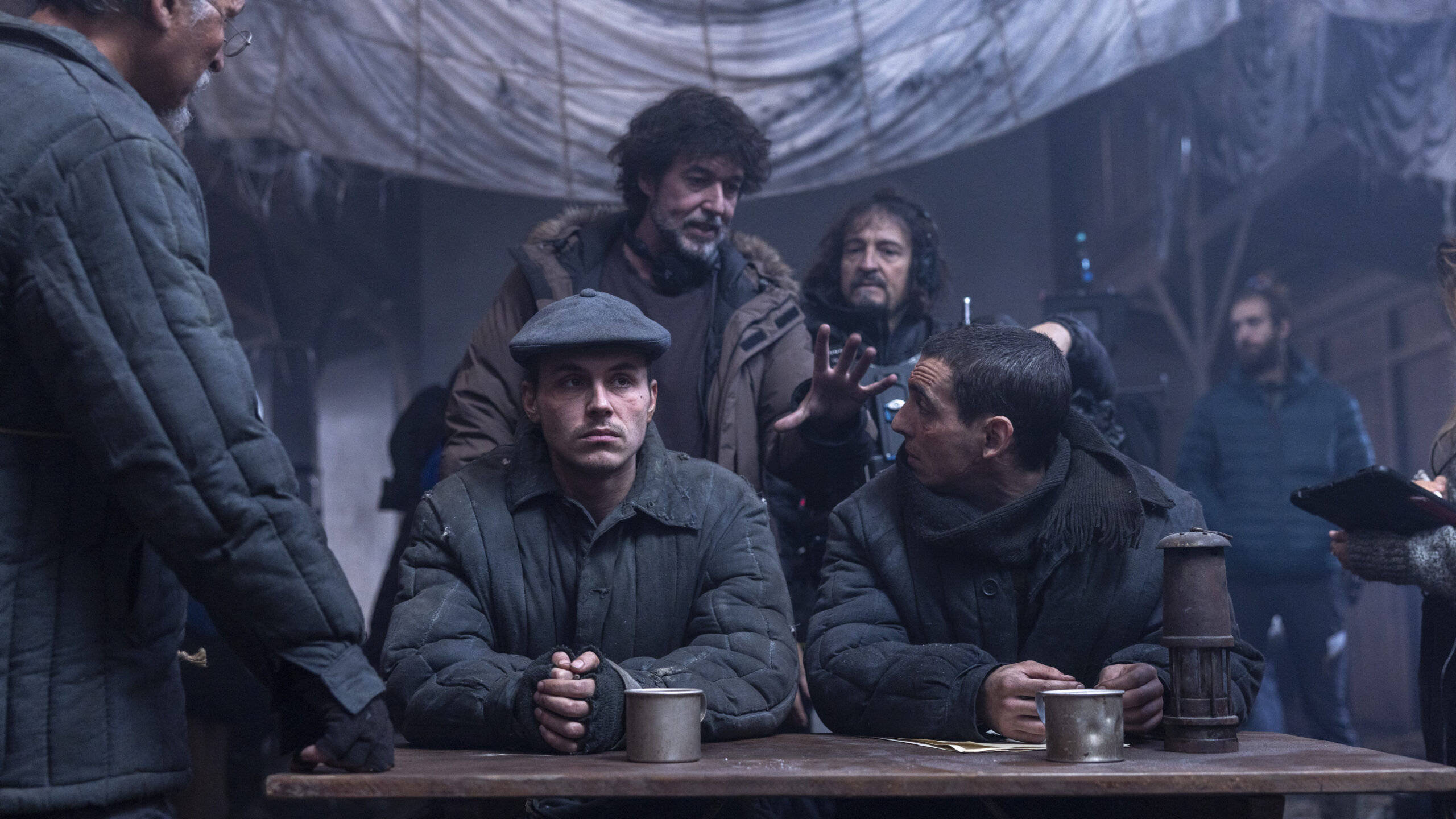
In the misty green heart of Bizkaia, where mountains rise like ancient sentinels and the air carries the scent of rain and earth, a remarkable filmmaking journey unfurled. This is where director Miguel Ángel Vivas Moreno, known for Money Heist (La Casa de Papel), Cicatriz, Desaparecidos, and Secuestrados, reconstructed one of the most haunting landscapes of the twentieth century: a Soviet gulag on the distant Kazakh steppe.
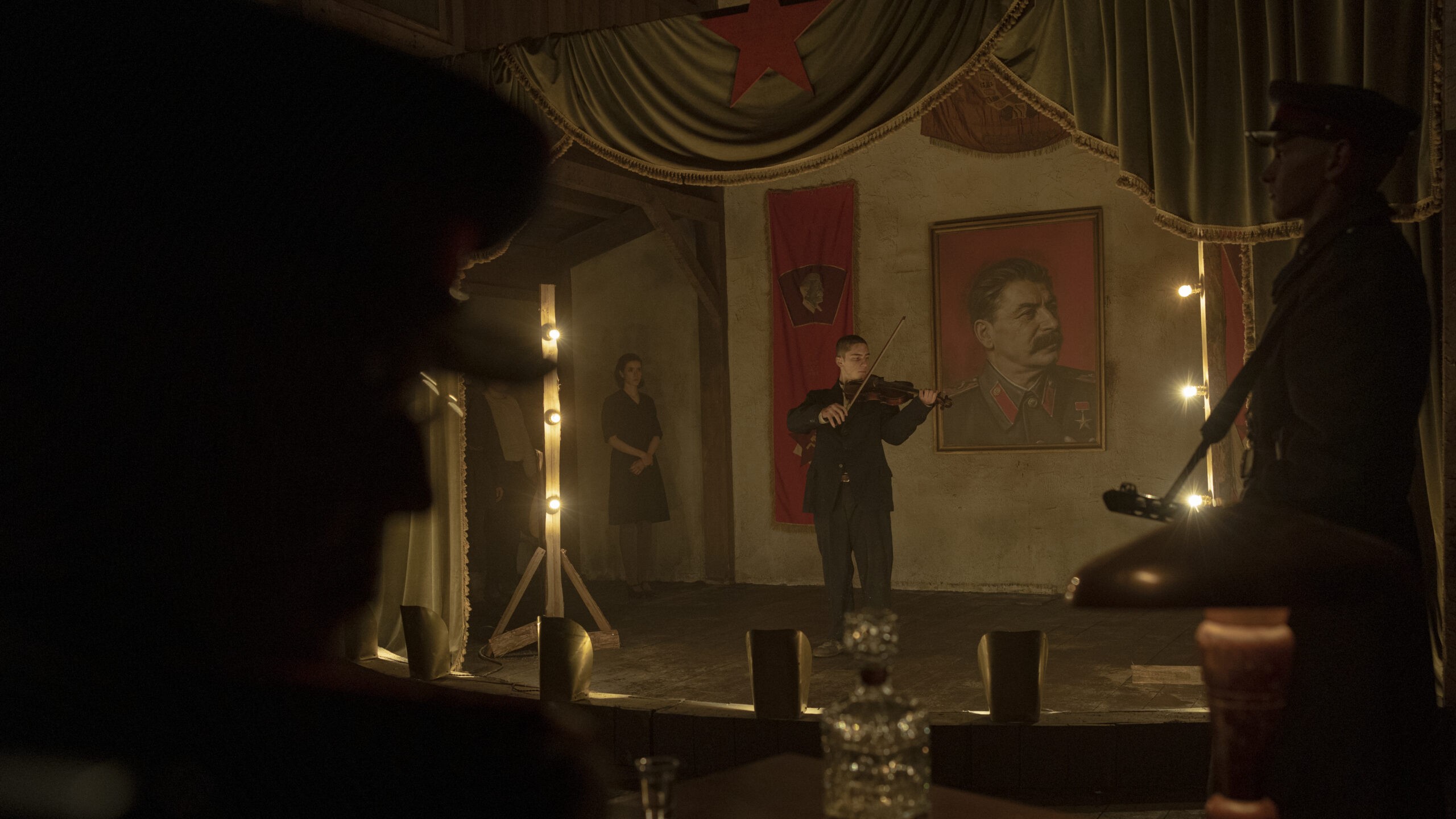
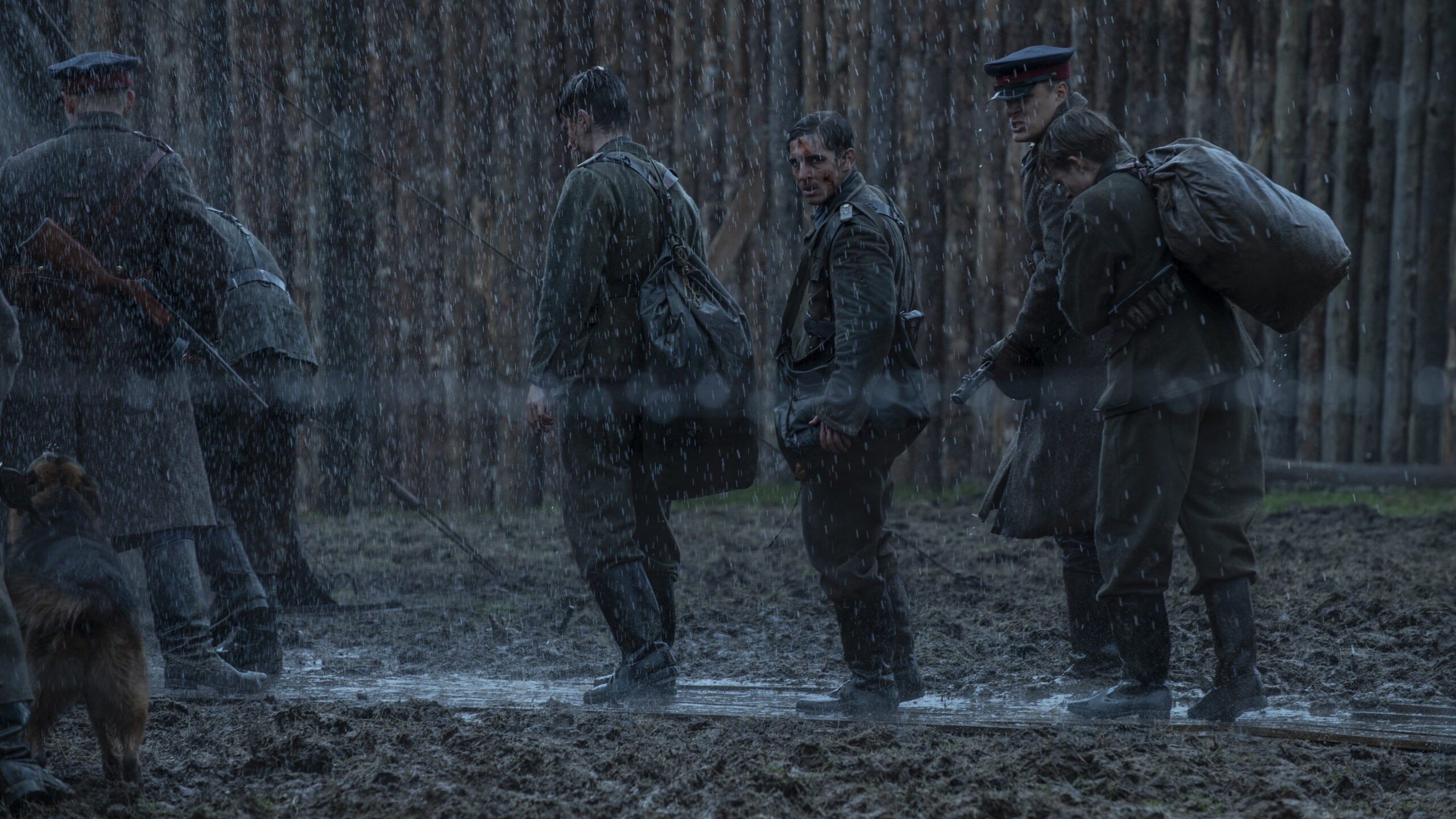
His new film, La Tregua (The Truce), invites viewers into a story based on actual events that unfolded far from Spain, but holds deep ties to its history. It traces the ordeal of Spanish prisoners during World War II who fell into Soviet hands and were compelled to endure the harsh, frozen conditions of a labor camp. Their struggle becomes a bridge between past and present, between countries and cultures, and between two men who must learn to recognize each other beyond the uniforms that once made them enemies.
All images courtesy of the production
The project is an unprecedented Spanish-Kazakh co-production from Spassk 99, AIE, Amanat Capital, LTD, and Umaifilm, LLP. This partnership gives the film a reach that feels genuinely cross-continental. It is a motion picture passport that opens a window onto a forgotten corner of global history.
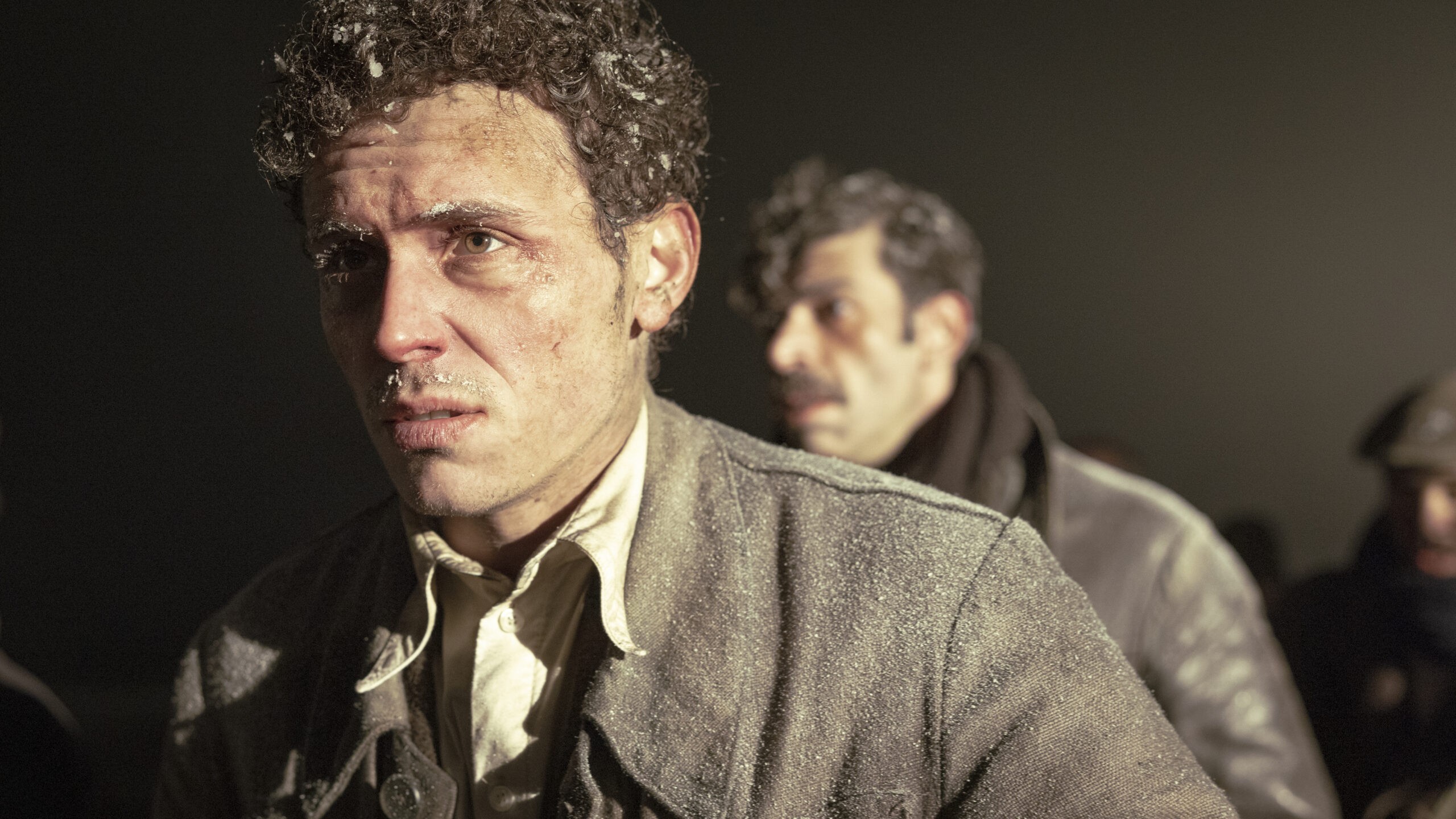
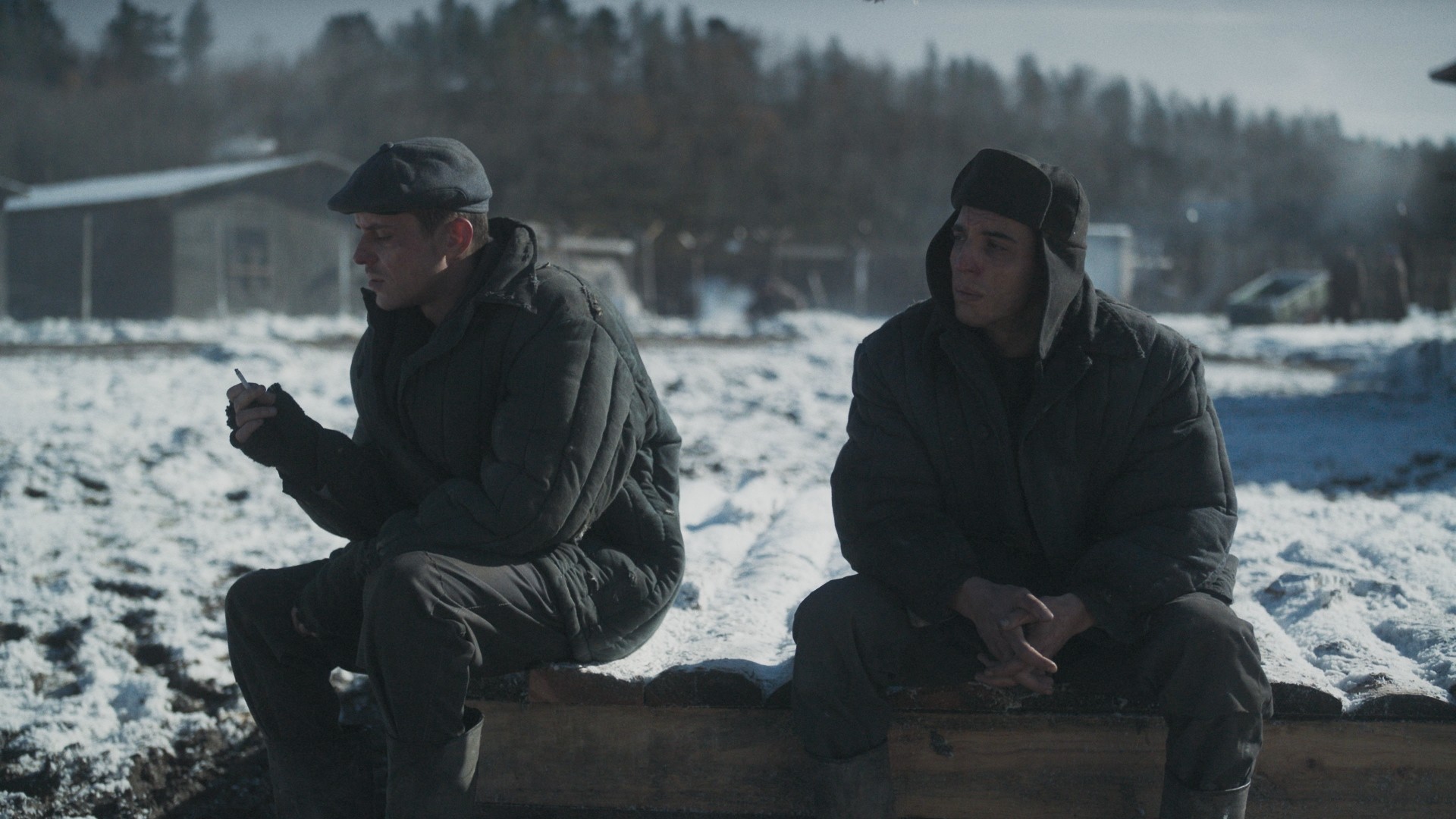
At the center of the story are Miguel Herrán and Arón Piper, who step into the roles of Reyes and Salgado. The characters appear as ideological enemies; having fought on opposing sides during the Spanish Civil War, both carry heavy psychological baggage. Inside the camp, their former certainties fall away. What begins as uneasy coexistence becomes an inward journey shaped by hunger, fear, and the starkness of their new reality.
Executive producer César Benítez recalls searching for two actors capable of expressing both the physical exhaustion of imprisonment and the spark of hope that keeps a person standing. He says that the moment he saw Miguel and Arón together, he recognized that rare blend of fragility and fire.
Miguel Ángel Vivas talked to TCA to break down the challenges and highlights behind the production.
All images courtesy of the production
TCA: The story is fictional, but it is based on real events in Kazakhstan. Can you explain the historical context and how it inspired La Tregua?
Miguel: The story begins with a documentary about Spaniards in the Soviet gulags. That’s where we discovered that republicans and fascists shared the same prison two years after the Spanish Civil War ended. It struck us as a fascinating starting point for a human story about the relationships that formed between them.
All images courtesy of the production
TCA: The premise is intriguing: how two fighters on opposite sides of the Spanish Civil War end up in a gulag in Kazakhstan. In an increasingly polarized world, is there a lesson in the film to help heal the wounds that divide Spain, or even the world in general?
Miguel: That was the idea! In such a polarized world, I felt it was necessary to make a film about what unites us rather than divides us. The film is universal. In it, we try to explore how the world has split for many different reasons, whether religion or ideologies. My intention was to show that moral principles should stand above any ideology. If a bomb falls on a hospital, for example, morally we should all condemn it, but the moment people put ideology before moral principles, they start looking for excuses not to. It should not be that way.
TCA: Do you have any anecdotes about the Spanish and Kazakh teams working together? Perhaps some interesting cultural exchanges?
Miguel: I can only say it was an incredible experience. I fell in love with Kazakhstan when I went there. And, of course, I fell in love with the actors who came from there, with their craft and above all with their humanity. If there is one thing I have taken from this film, it is a group of people I can truly call friends. More than just anecdotes, what I will carry with me is a wonderful memory of them.
All images courtesy of the production
TCA: I know that this film is primarily focused on the male leads, but Dina Tasbulatova is the female lead, a Kazakh actor who provides emotional layers to the film. Can you elaborate on that and working with her to create her role?
Miguel: Dina is a star. And when I say star, I mean she is one of those actresses you connect with the moment you see her; someone you immediately care about. She has that kind of charisma. On top of that, she is the kind of person who makes working with her incredibly easy. From the beginning, we agreed on the direction the character should take, but she gave us so much more. She created a wonderful performance. It is impossible not to fall in love with her character.
TCA: Many times, a location can add a dimension or even feel like a character in a film. How has setting the film in Kazakhstan created an ambience or added a personality or texture to your project?
Miguel: Kazakhstan gave me the chance to speak about the land, the land of the Kazakhs.
This was very important to me. Rilke said that nostalgia is the residue of our childhood. For me, nostalgia is the memory of who you are, who you were, and who you hoped to become. Our characters want to escape that place, but little by little, without realizing it, they begin to fall in love with the land beneath their feet, the land where they have spent most of their lives. The culture, the folklore, and the people there were essential to telling this story. The character who leaves and whom we see again at the end (I will not name names to avoid spoilers) was never happy again in Spain, because it was no longer his land. We are the land we walk on, and we are our principles. That is what the film is about.
La Tregua is not only a film about survival; it is a cinematic expedition across geography, memory, and identity. It asks viewers to travel with its characters through the cold and into the heart of what makes us human. This emotional odyssey gives it the resonance of a travel narrative, one where the destination is not a place, but a deeper understanding of the human condition.
Having debuted at Comic Con Astana 2025 and been released to theaters in Spain and Kazakhstan in October, La Tregua will arrive on Netflix soon.