• KGS/USD = 0.01144 0%
  • KZT/USD = 0.00210 0%
  • TJS/USD = 0.10523 0%
  • UZS/USD = 0.00008 0%
  • TMT/USD = 0.28530 0%
  • KGS/USD = 0.01144 0%
  • KZT/USD = 0.00210 0%
  • TJS/USD = 0.10523 0%
  • UZS/USD = 0.00008 0%
  • TMT/USD = 0.28530 0%
  • KGS/USD = 0.01144 0%
  • KZT/USD = 0.00210 0%
  • TJS/USD = 0.10523 0%
  • UZS/USD = 0.00008 0%
  • TMT/USD = 0.28530 0%
  • KGS/USD = 0.01144 0%
  • KZT/USD = 0.00210 0%
  • TJS/USD = 0.10523 0%
  • UZS/USD = 0.00008 0%
  • TMT/USD = 0.28530 0%
  • KGS/USD = 0.01144 0%
  • KZT/USD = 0.00210 0%
  • TJS/USD = 0.10523 0%
  • UZS/USD = 0.00008 0%
  • TMT/USD = 0.28530 0%
  • KGS/USD = 0.01144 0%
  • KZT/USD = 0.00210 0%
  • TJS/USD = 0.10523 0%
  • UZS/USD = 0.00008 0%
  • TMT/USD = 0.28530 0%
  • KGS/USD = 0.01144 0%
  • KZT/USD = 0.00210 0%
  • TJS/USD = 0.10523 0%
  • UZS/USD = 0.00008 0%
  • TMT/USD = 0.28530 0%
  • KGS/USD = 0.01144 0%
  • KZT/USD = 0.00210 0%
  • TJS/USD = 0.10523 0%
  • UZS/USD = 0.00008 0%
  • TMT/USD = 0.28530 0%

The Dental Mafia in Kazakhstan: How Pension Funds Were Siphoned Off

Kazakhstan’s Financial Monitoring Agency (FMA) is continuing its investigation into one of the country’s most high-profile financial crimes in recent years: the large-scale embezzlement of pension savings through fictitious dental services. Authorities allege that millions of dollars were siphoned from the Unified Accumulative Pension Fund (UAPF) via a sprawling criminal scheme involving dozens of dental clinics.

According to the FMA, the investigation is ongoing and centers on clinic managers and their accomplices. The alleged scheme involved the withdrawal of pension savings from the UAPF through formal contracts for dental procedures, backed by forged medical documents.

“For such ‘assistance,’ the organizers of the scheme received illegal remuneration amounting to 10% to 20% of the withdrawn funds,” the agency said.

In total, 42 dental clinics are implicated. Investigators estimate that more than $390 million was illicitly funneled through these entities. The funds were reportedly used to acquire luxury real estate and other high-value assets, as well as to open new dental clinics registered under front persons to obscure the identities of the real beneficiaries.

Some of the fabricated diagnoses were blatantly implausible. In one instance, a 21-year-old was diagnosed with “complete edentulism” (total tooth loss) and simultaneously prescribed both teeth cleaning and braces.

In response to the violations uncovered, Kazakhstan suspended the use of pension savings to pay for dental services as of September 15, 2025. The measure, though temporary, signals a tightening of regulatory oversight amid public outcry.

The program allowing partial use of pension savings for medical services was first introduced in 2021. It enabled citizens to access funds exceeding the so-called “sufficiency threshold” to pay for treatments, including expensive dental procedures such as prosthetics and implants.

Uncategorized

Nestlé Recalls Batches of Infant Formula in Uzbekistan and Kazakhstan

Nestlé has initiated a voluntary recall of limited batches of infant formula in Uzbekistan due to a potential contamination risk involving one of the product’s ingredients supplied by an external vendor. The decision, described as precautionary, was announced by Nestlé Food LLC, the company’s local subsidiary.

The recall affects select batches of dry instant milk and fermented milk-based formulas, as well as certain amino acid-based products intended for infants on specialized medical diets. The affected items include NAN 1 OPTIPRO, NAN 2 OPTIPRO, NAN Kislomolochniy (for infants up to 12 months), NAN Supreme (same age group), and ALFARÉ Amino. Nestlé Food LLC clarified that the recall applies only to the specified batches and does not impact other infant nutrition products sold in Uzbekistan.

The company said the action follows a global recall initiated after a potential contamination with cereulide toxin was identified in arachidonic acid sourced from an external supplier. Although the quantity of this ingredient is minimal and Uzbekistan does not impose regulatory limits for cereulide in food products, Nestlé opted for a voluntary recall to mitigate any possible risk. The recall process began in Uzbekistan on January 5, 2026.

Nestlé Food LLC confirmed it has informed local regulators and is prepared to provide comprehensive information to authorities, consumers, and retail partners. Consumers who purchased products from the affected batches can return them according to company-issued procedures. Customer support services are available to assist with the process.

Similar precautionary measures have been announced in Kazakhstan. There, Nestlé is also recalling a limited number of infant food products, including dry and sour-milk formulas, as well as amino acid-based dietary items. The company explained that cereulide is a toxin produced by the bacterium Bacillus cereus. It is particularly hazardous because it cannot be destroyed by boiling or reheating. Exposure to cereulide can cause acute food poisoning, with symptoms including nausea, vomiting, and abdominal pain.

The issue is not confined to Central Asia. Reuters reported that Nestlé has also recalled certain batches of its SMA, BEBA, and NAN infant formulas across parts of Europe due to the same contamination risk.

Nestlé emphasized that consumer health and safety remain its highest priority. The company stated that the recall is a precautionary step aligned with its global quality and safety standards, and that no confirmed cases of harm have been reported to date.

Recent Stories From Tajikistan That You May Have Missed

Hydropower strain returns as rationing tightens

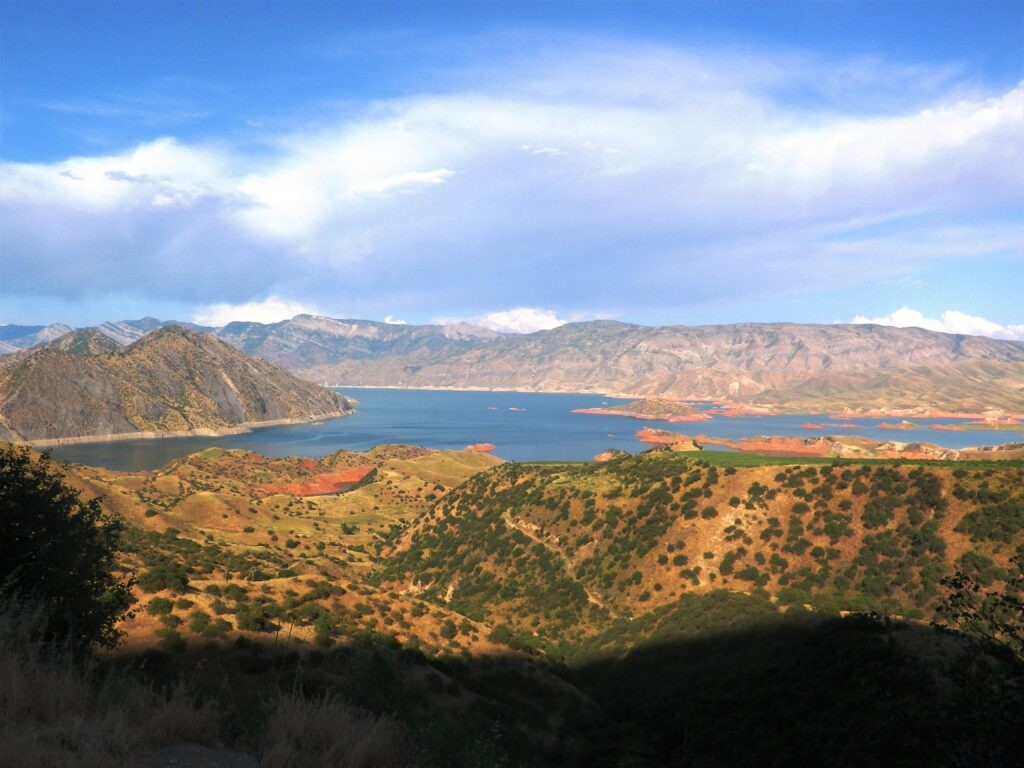
A dry autumn has translated into a difficult start to winter for Tajikistan’s electricity system, with renewed restrictions tied to low reservoir levels. A recent Reuters report on rationing described a drop in water levels feeding the country’s hydropower fleet, with the reservoir at Nurek, the backbone of generation, reported to be substantially below the same point last year.

The measures announced go beyond household inconvenience: restrictions have been accompanied by reduced lighting and tighter electricity allocations for public institutions, while officials explore imports and balancing arrangements with neighbors. 

Rogun’s mitigation narrative hardens as oversight grows

The Rogun hydropower project remains the long-term answer Dushanbe puts forward for these seasonal crunches, and also the project that draws the most intense international scrutiny.

The Times of Central Asia’s coverage of Rogun’s environmental planning highlighted a shift in framing: a “no net loss” biodiversity approach, built around compensatory habitat restoration exceeding the estimated footprint of land losses.

That messaging is designed to reassure lenders and stakeholders that the dam’s scale will be matched by formal safeguards, and to keep financing pathways open at a time when environmental and social governance has become central to major infrastructure underwriting. 

But “no net loss” is also an invitation for closer measurement, and criticism has increasingly focused on whether offsets can meaningfully address river-system impacts, not only terrestrial habitat. 

Advocacy briefs circulating around Rogun argue that aquatic biodiversity mitigation and downstream ecological risk remain the hardest pieces to quantify and enforce, especially on long timelines where implementation phases stretch years beyond core construction.

In other words, Rogun’s external story is evolving: it is no longer only about generating electricity and exporting surplus. It is also about whether international standards can be applied credibly to a project of this size — and whether promised safeguards hold up under cross-border water politics and long-term monitoring.

A border-security story triggers a rare media confrontation

If energy is the long-term strategic theme, border security remains the most sensitive. That sensitivity spilled into public view after a Reuters dispatch on alleged Tajik–Russian border talks suggested Dushanbe was considering deeper cooperation with Moscow and the CSTO for monitoring the Afghan frontier.

Tajikistan’s response was unusually direct. In a sharply worded statement reported by Eurasianet’s account of the dispute, the Foreign Ministry said the report “does not correspond to reality” and insisted the border situation was under national control.

Shortly afterwards, The Times of Central Asia’s report on Reuters withdrawing the story underscored how rare it is for a major international outlet to retract a piece following an official denial in the region.

For Western governments, the episode illustrates how the Afghan border remains a geopolitical pressure valve, and how carefully Dushanbe manages the optics of any foreign military footprint, particularly at a time when Russia’s regional role is politically charged and China’s security profile is rising.

Land degradation moves from “environmental” to “economic risk”

Finally, an issue that has long sat in the “environment” column is now being described increasingly as a macroeconomic threat: land degradation and food security. The Times of Central Asia’s summary of FAO-linked findings drew attention to estimates that a very large share of arable land is already degraded, driven by erosion, salinization and nutrient loss.

International analysis has pushed the point further. In The Diplomat’s deep dive on Tajikistan’s food-security constraints, the argument is that fragmentation of farmland, limited mechanization and underinvestment in irrigation and soil management are combining with climate stress to reduce resilience, in a country where household economics, migration decisions and political stability are closely tied to rural livelihoods. Broader UN messaging, including FAO’s work on land and soils, frames the same dynamic globally: degraded land reduces yields and amplifies vulnerability to drought and extreme weather.

Together, these four developments capture Tajikistan’s current trajectory: hydropower remains both the country’s strength and its exposure; Rogun is increasingly a test case for international infrastructure standards; the Afghan border remains politically combustible; and land degradation is becoming an economic headline rather than a background environmental warning.

Kazakh Government Rules Out AI Deputy Ministers

AI will not be occupying senior government posts in Kazakhstan anytime soon. While AI-based tools may serve as advisors and consultants to top officials, there are currently no plans to appoint virtual or digital deputy ministers. This was confirmed by Rostislav Konyashkin, First Deputy Minister of Artificial Intelligence and Digital Development.

The question arose during a press conference following a cabinet meeting, when journalists referenced Albania’s 2025 decision to appoint a virtual minister for public procurement, the first of its kind globally. They asked whether Kazakhstan was considering a similar initiative.

According to Konyashkin, AI systems have not yet reached the level of reliability required for managing official functions.

“As political officials, we are responsible for the decisions we make, so the emergence of digital deputy ministers is not expected at this time. When AI provides correct answers in 95-97% of cases, then perhaps we can begin discussing the transfer of some powers to algorithms. For now, we are only talking about AI assisting in analysis and decision-making,” he stated.

Konyashkin expressed hope that in the future, personal AI assistants could be developed to the level of full-fledged consultants and advisors, significantly easing the workload of civil servants. Only after practical trials of such systems, he noted, could discussions about formal AI appointments begin.

He also pointed to an existing example: the SKAI (Samruk-Kazyna Artificial Intelligence) neural network, which was added to the board of directors at the state holding company Samruk-Kazyna. However, its role remains consultative and does not involve decision-making authority.

Konyashkin additionally outlined plans to establish a secure digital environment enabling Kazakh civil servants to work remotely. This includes secure access to work systems via tablets and trusted laptops, particularly during field operations conducted by ministries and akimats.

To support this, a unified authorization system is in development, with optional biometric identification for accessing sensitive personal data. There are also plans to integrate various digital tools, video conferencing, messaging platforms, and email, into a single work interface. According to Konyashkin, this will streamline administrative processes and enhance the efficiency of Kazakhstan’s digital infrastructure.

U.S. Adds Turkmenistan to Visa Bond List, Raising Entry Costs for Travelers

The Trump administration has added seven countries, including Turkmenistan, to a list requiring some visa applicants to post bonds of up to $15,000 to enter the United States, according to a notice published on the U.S. State Department’s travel website. The measure took effect on January 1.

The newly designated countries are Bhutan, Botswana, the Central African Republic, Guinea, Guinea-Bissau, Namibia, and Turkmenistan. With these additions, the total number of countries subject to the bond requirement has risen to thirteen, most of them in Africa. As reported by the Associated Press, the policy applies to passport holders from the listed countries seeking certain non-immigrant visas who are considered at higher risk of overstaying.

According to U.S. officials, the bonds, ranging from $5,000 to $15,000, are intended to ensure compliance with visa conditions. The State Department has stated that the requirement is designed to encourage timely departure from the U.S. Payment of the bond does not guarantee visa issuance; if a visa is denied, or if the applicant complies with all visa terms, the bond is refunded.

The policy is part of a broader tightening of U.S. entry rules under President Donald Trump. Recent changes include mandatory in-person interviews for most visa applicants, expanded disclosure of social media histories, and more detailed reporting of personal travel and residency records.

For Turkmenistan, the move marks a shift in U.S. policy. Although the six-month suspension on issuing new U.S. visas to Turkmen citizens has been partially lifted, access to the U.S. has, in practice, become significantly more restricted. Heightened scrutiny and increased financial requirements have sharply narrowed the pool of applicants eligible for tourist and business visas.

In effect, travel to the U.S. is now largely limited to a small segment of Turkmen citizens who can demonstrate sufficient financial means and meet stricter security and compliance criteria. As a result, the formal easing of visa restrictions has not translated into broader mobility but instead introduced new filtering mechanisms.

A similar approach has previously been observed in Turkmenistan’s outbound travel policies. According to turkmen.news, Turkmen travel agencies require a security deposit of $500 when arranging 60-day visas to the United Arab Emirates. The measure is intended to offset fines imposed if travelers fail to leave the UAE after their visa expires.

In December of last year, The Times of Central Asia reported that the United States had lifted its suspension on the entry of Turkmen citizens holding non-immigrant visas. That suspension had been imposed under a June executive order signed by President Trump that restricted entry from nineteen countries. A subsequent order expanded controls on nations the White House said had serious deficiencies in screening and vetting procedures, paving the way for measures such as the visa bond requirement.

Tajikistan and Kyrgyzstan were also added to the U.S. list. Restrictions on citizens of these countries are set to take effect on January 21, 2026. In July of last year, the U.S. State Department imposed additional restrictions on the issuance of B-1/B-2 visas for Kyrgyz citizens, according to local media reports.

2024 Kazakhstan Plane Crash Still Stirs Tension between Russia and Azerbaijan

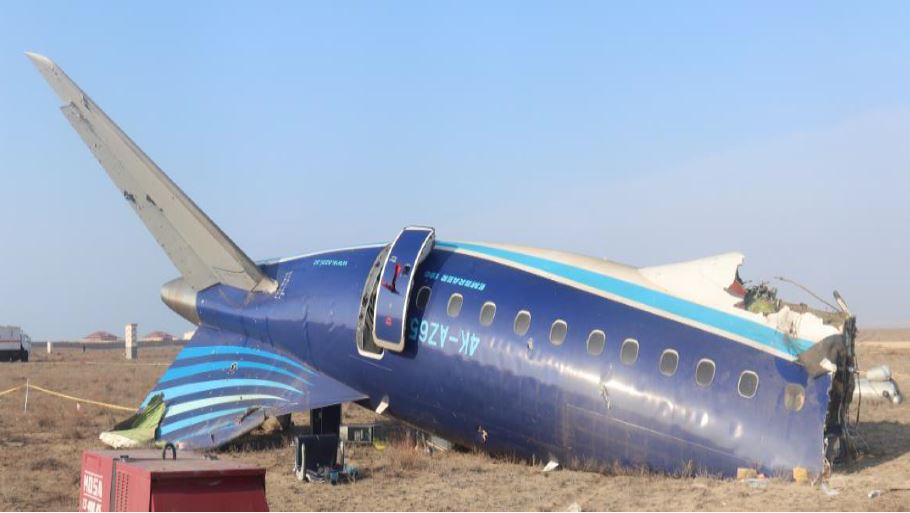
Conflicting statements from Russia about the December 25, 2024 crash of an Azerbaijan Airlines plane that was hit by Russian missile fire have drawn fresh criticism from Azerbaijan, which marked the first anniversary of the disaster with flowers and other tributes. 

Amid growing Azerbaijani accusations that Russia was trying to avoid responsibility, Russian President Vladimir Putin acknowledged in October – nearly a year after the crash – that Russian fire had damaged an Azerbaijani airliner that diverted from its destination in Russia-controlled Chechnya and went down near the city of Aktau in Kazakhstan. Putin indicated that the shooting was accidental, saying Russian forces were trying to fend off a Ukrainian drone attack at the time. The crash killed 38 of 67 people on board. 

However, Alexander Bastrykin, chairman of Russia’s Investigative Committee, sent a letter to Azerbaijan’s prosecutor general last month in which he said Russia’s “criminal case has been terminated” but also refers to the “resumed criminal case” – without making any reference to Russian missile fire. Instead, Bastrykin said the plane was unable to land at the Grozny, Chechnya airport because of cloudy weather and later crashed during the approach to the Aktau airport. 

The Azeri Times, which along with other media outlets published the text of Bastrykin’s letter, described the Russian statement as “a clear cover-up!” 

Farhad Mammadov, director of the South Caucasus Studies Center in Baku, noted what he said were inconsistencies in the Russian letter, including whether Russia’s criminal case had been terminated or resumed. On Telegram, he described Russia’s cloudy weather claim as: “Complete nonsense!!!” 

Mammadov said the latest Russian statement appeared to be an attempt to delay a final resolution with Azerbaijan, which demanded compensation and punishment of those responsible. Putin had said in October that compensation would be paid.  

“All these clumsy, contradictory and unprofessional gestures do not change the position of Azerbaijan,” Mammadov wrote. “Baku is waiting, as the impulse from the recognition of President Putin has not lost its significance… However, after Bastrykin’s letter, Baku may begin to doubt that Russia will take adequate actions…” 

“Azerbaijan has its own criminal case and the opportunity to appeal to international courts in its arsenal,” he said. 

Kazakhstan is also conducting its own politically sensitive investigation into the crash, with the participation of representatives from Russia, Azerbaijan and Brazil, where the Embraer 190 aircraft was made. Interim findings released in December did not assign responsibility for the crash. 

Putin’s acknowledgement in October that Russian missile fire hit the Azerbaijani airliner came during a meeting in Dushanbe with President Ilham Aliyev, appearing to signal a thaw in ties after months of tension over the crash. However, Aliyev did not attend a December meeting in St. Petersburg, Russia of the Commonwealth of Independent States, a group of former Soviet republics that includes Azerbaijan as a member.

Azerbaijan “is still signaling that Baku is unsatisfied with the ramifications and statements from Moscow,” despite Putin’s efforts to ease tensions with Azerbaijan over the plane crash, analyst Fuad Shabazov said on X. 

Although Putin had apologized for the crash, Russia’s Ministry of Foreign Affairs issued a statement on its first anniversary that tried to deflect responsibility, saying the “root cause of the disaster” was an attack by Ukrainian drones on civilian infrastructure.