• KGS/USD = 0.01144 0%
  • KZT/USD = 0.00194 -0%
  • TJS/USD = 0.10877 -0%
  • UZS/USD = 0.00008 0%
  • TMT/USD = 0.28571 0%
  • KGS/USD = 0.01144 0%
  • KZT/USD = 0.00194 -0%
  • TJS/USD = 0.10877 -0%
  • UZS/USD = 0.00008 0%
  • TMT/USD = 0.28571 0%
  • KGS/USD = 0.01144 0%
  • KZT/USD = 0.00194 -0%
  • TJS/USD = 0.10877 -0%
  • UZS/USD = 0.00008 0%
  • TMT/USD = 0.28571 0%
  • KGS/USD = 0.01144 0%
  • KZT/USD = 0.00194 -0%
  • TJS/USD = 0.10877 -0%
  • UZS/USD = 0.00008 0%
  • TMT/USD = 0.28571 0%
  • KGS/USD = 0.01144 0%
  • KZT/USD = 0.00194 -0%
  • TJS/USD = 0.10877 -0%
  • UZS/USD = 0.00008 0%
  • TMT/USD = 0.28571 0%
  • KGS/USD = 0.01144 0%
  • KZT/USD = 0.00194 -0%
  • TJS/USD = 0.10877 -0%
  • UZS/USD = 0.00008 0%
  • TMT/USD = 0.28571 0%
  • KGS/USD = 0.01144 0%
  • KZT/USD = 0.00194 -0%
  • TJS/USD = 0.10877 -0%
  • UZS/USD = 0.00008 0%
  • TMT/USD = 0.28571 0%
  • KGS/USD = 0.01144 0%
  • KZT/USD = 0.00194 -0%
  • TJS/USD = 0.10877 -0%
  • UZS/USD = 0.00008 0%
  • TMT/USD = 0.28571 0%
16 December 2025

Cardiff University Opens Campus in Astana

On September 3, Cardiff University in Wales officially inaugurated Cardiff University Kazakhstan in Astana, its first overseas branch campus and the only campus of a Russell Group research university in Central Asia. The event marked a milestone in the growing educational partnership between Kazakhstan and the United Kingdom.

At the opening ceremony, Kazakh Minister of Science and Higher Education Sayasat Nurbek emphasized the country’s ambitions:

“Kazakhstan is developing as a regional academic hub. This year, more than 31,000 foreign students came to our country. At the initiative of the head of state, a large-scale strategy is being implemented in higher education and science. One of its areas is the opening of branches of leading foreign research universities in our country. Over the past three and a half years, about 40 foreign universities have come to Kazakhstan, five of them have decided to open their campuses.”

Cardiff University’s Vice-Chancellor, Professor Wendy Larner, described the launch as a pivotal step in the institution’s global ambitions:

“I was delighted to officially open our branch campus in Astana our first international branch campus of Cardiff University. We look forward to welcoming our first cohort of academically excellent students later this month. We are the UK’s first Russell Group university to open a campus in Kazakhstan, marking an important step in our future global ambition.”

Beginning in late September, the campus will enroll students in four-year undergraduate programs in computer science, business management, civil engineering, and exploration geology. Courses will be taught in English by faculty from both Cardiff University and its Astana campus, with the branch operating under Cardiff’s direct academic governance to ensure international standards are upheld.

The newly appointed British Ambassador to Kazakhstan, Sally Axworthy, also attended the ceremony and welcomed the development:

“It is a great honour to be participating in the grand opening of Cardiff University here in Astana as one of my first engagements as British Ambassador to Kazakhstan. The opening marks a new chapter in UK-Kazakhstan educational collaboration, bringing more world-class British academic excellence to Kazakh students and further strengthening the ties between our countries.”

The arrival of Cardiff University reflects a broader national initiative to attract world-class institutions. As previously reported by The Times of Central Asia, several other prominent universities are also expanding into Kazakhstan. Russia’s prestigious Moscow State Institute of International Relations (MGIMO) is planning to open a branch in Astana in September 2025. South Korea’s Woosong University is preparing to launch its campus in the Turkestan region this year.

Meanwhile, Germany’s Anhalt University of Applied Sciences has already opened a branch in Almaty, and Italy’s Marche Polytechnic University of Ancona has inaugurated its campus at Zhetysu University in Taldykorgan.

Looking ahead, France’s Grenoble INP – Phelma, UGA, an elite engineering school, plans to open a branch in Almaty in 2026. In the same year, the United States’ Colorado School of Mines is scheduled to launch its first international campus in Zhezkazgan, a key center for Kazakhstan’s geological industry.

Uzbekistan Says Border Troops Acted Lawfully in Shooting of Two Kyrgyz Citizens

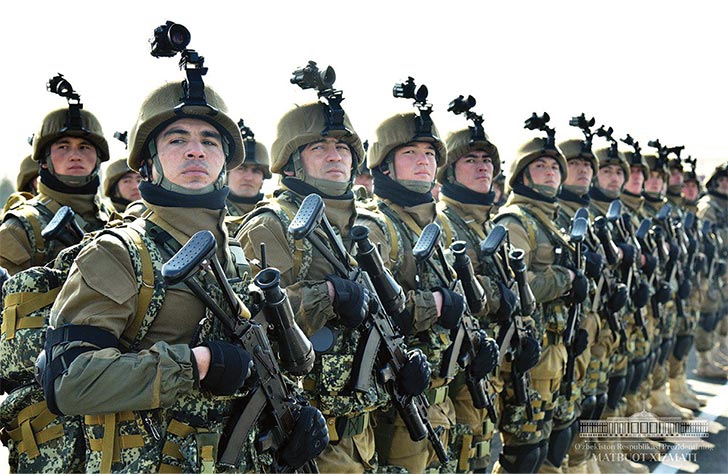
Uzbekistan’s Border Troops have confirmed that Uzbek servicemen acted lawfully during a fatal shooting near the Kyrgyz-Uzbek border on August 15, which resulted in the deaths of two Kyrgyz nationals. The official statement was released by the press service of the Border Troops under the State Security Service on September 4.

According to the report, the incident occurred near the Ugam-Chatkal nature reserve in Tashkent region’s Bostanlyk district. Border patrol officers reportedly spotted two unidentified individuals in a restricted area near the state boundary. When ordered to stop, the individuals attempted to flee. Border guards fired several warning shots into the air, but the individuals continued moving toward the border. Weapons were then used “as a last resort,” according to the statement.

Both individuals were wounded and died at the scene, despite first aid being administered by border personnel. A search of the area revealed a tent, three horses, food supplies, and tracks indicating the presence of a third individual who reportedly fled back into Kyrgyz territory.

The border services of both Kyrgyzstan and Kazakhstan were immediately notified. On August 31, authorities confirmed the deceased were Kyrgyz citizens, and their bodies were returned to their families. A joint site inspection by Uzbek and Kyrgyz border officials was conducted on September 2-3.

Following the inspection, a bilateral commission concluded that the Uzbek border patrol had acted in accordance with national law and that the individuals had illegally crossed the state border. Both sides agreed to continue investigating the identity of the third individual and to pursue further action as appropriate.

QazTrade Opens Office in Tianjin to Strengthen Kazakhstan-China Trade Ties

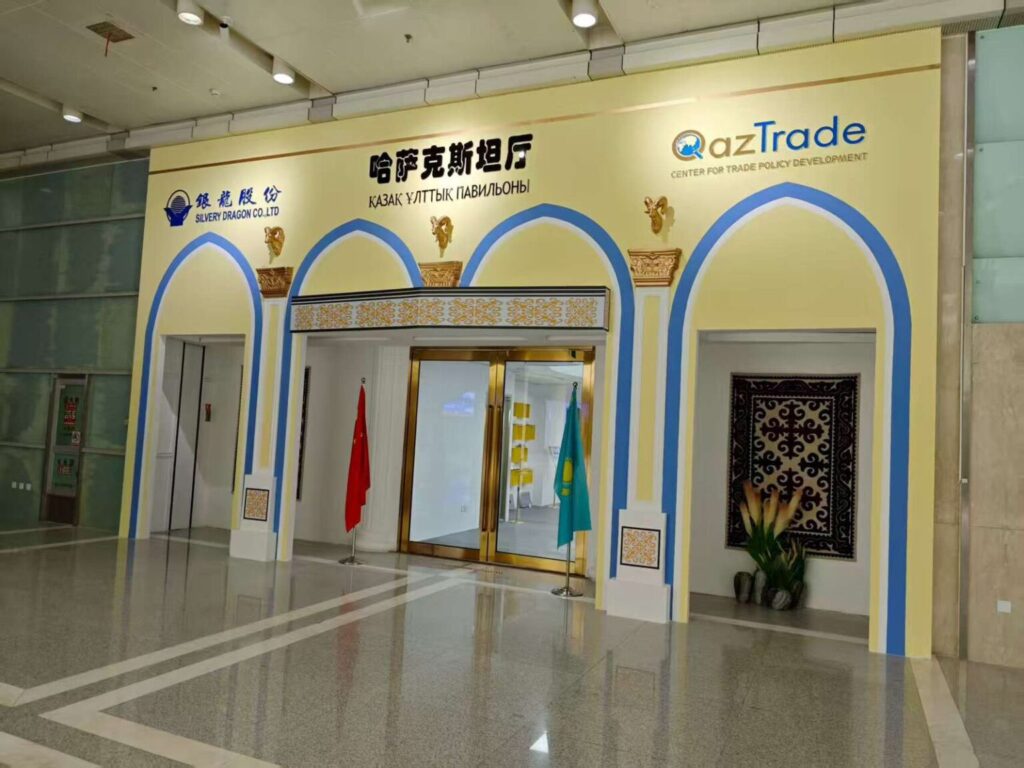
Kazakhstan’s QazTrade Center for Trade Policy Development has opened a new office, Kazakhstan Hall, at the International Trade and Shipping Service Center in Tianjin, one of northern China’s leading industrial and port cities.

Spanning 100 square meters, the office is designed primarily to showcase Kazakhstani food products and facilitate trade promotion in the Chinese market. It is currently operating in pilot mode, with an expanding exhibition area and ongoing preparations to formally register QazTrade’s representative office. The official opening ceremony is expected later this autumn.

According to QazTrade, trade turnover between Kazakhstan and Tianjin reached $347.9 million in 2023 and rose to $474 million in 2024, a sign of steady growth in bilateral commerce.

Tianjin serves as a key logistics and trade hub for Shanghai Cooperation Organization (SCO) member states. It offers Kazakhstan access to a “green-light corridor” for SCO countries, multimodal transport links between Asia and Europe, and a variety of investment and financial services.

“The opening of the QazTrade office in Tianjin is an important step for us,” said QazTrade Director General Aitmukhammed Aldazharov. “Through the Tianjin port, we will be able to deliver Kazakhstani goods to any country in the world faster and more efficiently.”

Growing Bilateral Trade

Kazakhstan-China trade continues to gain momentum. During a meeting with Kazakh Minister of Trade and Integration Arman Shakkaliyev on August 20 in Beijing, Chinese Minister of Commerce Wang Wentao stated that bilateral trade reached $43.8 billion in 2024, a 9.2% increase compared to the previous year. In the first half of 2025 alone, trade turnover totaled $21.8 billion.

Kazakhstan and China have set a joint target to double bilateral trade by 2030, with expanded cooperation in logistics, agriculture, energy, and manufacturing forming the core of future initiatives.

Gasoline Prices Rise in Kyrgyzstan Amid Heavy Dependence on Russian Imports

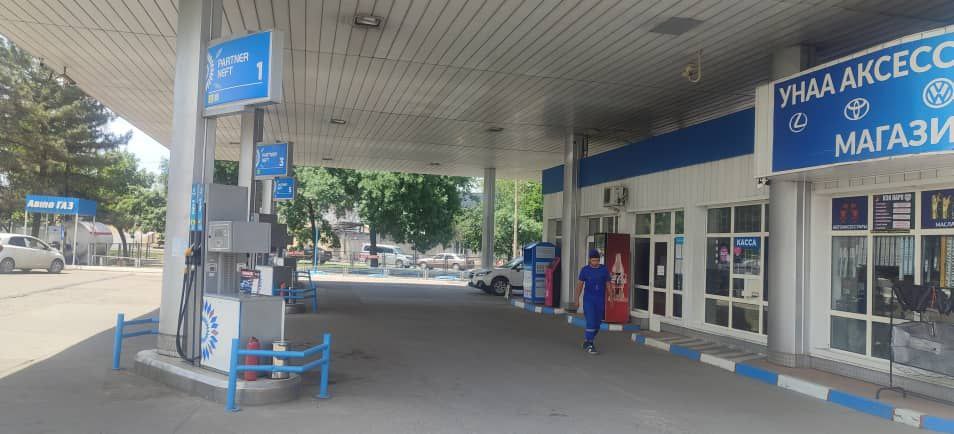
Gasoline prices in Kyrgyzstan have continued to rise in recent months, despite official assurances that fuel reserves remain sufficient. The Kyrgyz Ministry of Energy reports that domestic supplies and ongoing fuel imports from Russia are currently adequate to meet national demand.

According to the ministry, Kyrgyzstan consumes approximately 1.6 million tons of fuel annually, with over 90 percent of its gasoline imported from Russia. Each year, export volumes are negotiated between Moscow and Kyrgyz oil traders. When those volumes are exhausted, prices typically begin to increase.

“The agreed volumes for 2025 have not yet been fully met, but oil products are being supplied as usual and without interruption. At the same time, work is underway to agree on new volumes for 2026,” the ministry stated.

Officials attribute the recent price hikes to global market trends and disruptions in Russian refinery operations. Several refineries have undergone scheduled maintenance, while others were forced to halt operations following drone attacks linked to the conflict in Ukraine.

Despite a recently announced gasoline export ban by Russian authorities, the restriction does not apply to countries within the Eurasian Economic Union (EAEU), including Kyrgyzstan.

Industry Concerns About Future Supply

Kanat Eshatov, head of the Kyrgyz Oil Traders Association, told The Times of Central Asia that local traders remain cautious, anticipating further price increases by the end of September.

“The first half of the year was fairly calm on the fuel market, with only a slight increase in prices. But in June and July, prices rose sharply due to scheduled repairs at refineries in Russia. A total of 20 plants were shut down for repairs. Five of them underwent unscheduled repairs due to attacks by Ukrainian drones. Some Russian regions are experiencing a shortage of fuel. The Russian government is now redistributing its reserves,” Eshatov said.

The association is concerned about Kyrgyzstan’s limited fuel buffer. Major oil companies in the country reportedly hold only two months’ worth of gasoline reserves. Any significant supply interruption from Russia could quickly lead to a national shortage.

Comparative Prices in the Region

Eshatov noted that, due to Kyrgyzstan’s exemption from export duties on Russian gasoline, fuel prices remain lower than in neighboring countries. For example, in Tajikistan, gasoline prices have increased by $0.27 per liter this year, and diesel by $0.22. In Uzbekistan, gasoline is up by $0.26 per liter and diesel by $0.11.

To ensure continued supply stability, Kyrgyz oil traders are also exploring alternative import routes and are currently in negotiations with Kazakhstan and Azerbaijan.

Kazakhstan Proposes Licensing Bloggers to Curb Online Casino Advertising

Kazakh Senator Gennady Shipovskikh has proposed introducing a blogger licensing system in response to growing violations of the country’s ban on advertising online casinos via social media and messaging platforms.

Since 2024, Kazakhstan has prohibited outdoor advertising of bookmakers, online casinos, and betting pools, as well as their promotion in media content, films, and videos. However, the Financial Monitoring Agency (FMA) has identified 34 bloggers involved in promoting illegal online gambling platforms. Eleven of them have already received administrative penalties. The agency now argues that fines are insufficient and is pushing for the introduction of criminal liability for such offenses.

Licensing as a Regulatory Tool

Speaking at a plenary session of the Senate, Shipovskikh said licensing would provide the legal basis to suspend a blogger’s activity in the event of violations.

“We propose, along with the administrative fines currently applied for advertising illegal online casinos and dubious giveaways, to introduce licensing or create a special register of bloggers. This will allow us to regulate their advertising activities and strengthen their accountability before the law,” he stated.

Shipovskikh also called for tighter oversight of payment service providers and advertising agencies that may facilitate illegal gambling activities. He further proposed a monitoring mechanism to verify the legality of sweepstakes and giveaways commonly run on social platforms.

“We also propose to fully utilize the mechanism of criminal liability for such violations,” he added.

Scope of Illegal Gambling and Enforcement Measures

According to FMA data, 205 illegal casinos have been shut down in Kazakhstan over the past two and a half years, with 224 individuals facing criminal charges for their involvement.

Shipovskikh argued that existing penalties fail to deter offenders:

“Ordinary fines do not have the desired deterrent effect. Illegal advertising brings bloggers millions in profits, which significantly exceed the amount of penalties imposed.”

Legal Framework Already in Place

Speaking to reporters after the Senate session, FMA Deputy Chairman Zhenis Yelemesov confirmed the agency’s intention to pursue criminal liability for advertising illegal casinos, including the confiscation of related income. He also clarified that current law already allows for prosecution in certain cases.

“If it is proven that a blogger participated in the organization of a casino, the distribution of profits, or was otherwise involved in a crime, he will be prosecuted as an accomplice,” Yelemesov said.

Paulo Bento Declines Offer to Coach Uzbekistan National Football Team

Portuguese football coach Paulo Bento has reportedly declined an offer to lead Uzbekistan’s national team, despite the country’s historic qualification for the 2026 FIFA World Cup. According to the Portuguese sports daily A BOLA, the 56-year-old coach turned down the proposal from the Uzbekistan Football Association, stating that the terms did not align with his current career plans.

Bento, who was dismissed as head coach of the United Arab Emirates in March 2024, is still available on the international coaching market. His departure from the UAE team came as a surprise, particularly since the squad remained in contention for what could have been its first-ever World Cup appearance.

Bento previously managed the Portuguese national team from 2010 to 2014, leading them through UEFA Euro 2012 and the 2014 FIFA World Cup. More recently, he coached South Korea at the 2022 World Cup in Qatar.

Uzbekistan’s reported interest in Bento reflects the country’s broader ambitions to elevate its football program ahead of its World Cup debut in 2026. The national team secured qualification earlier this year, marking a landmark achievement.

Officials have emphasized ongoing reforms within the country’s football infrastructure, with goals to professionalize the domestic league and enhance international competitiveness.