• KGS/USD = 0.01143 0%
  • KZT/USD = 0.00216 0%
  • TJS/USD = 0.10684 -0.28%
  • UZS/USD = 0.00008 0%
  • TMT/USD = 0.28571 0%
  • KGS/USD = 0.01143 0%
  • KZT/USD = 0.00216 0%
  • TJS/USD = 0.10684 -0.28%
  • UZS/USD = 0.00008 0%
  • TMT/USD = 0.28571 0%
  • KGS/USD = 0.01143 0%
  • KZT/USD = 0.00216 0%
  • TJS/USD = 0.10684 -0.28%
  • UZS/USD = 0.00008 0%
  • TMT/USD = 0.28571 0%
  • KGS/USD = 0.01143 0%
  • KZT/USD = 0.00216 0%
  • TJS/USD = 0.10684 -0.28%
  • UZS/USD = 0.00008 0%
  • TMT/USD = 0.28571 0%
  • KGS/USD = 0.01143 0%
  • KZT/USD = 0.00216 0%
  • TJS/USD = 0.10684 -0.28%
  • UZS/USD = 0.00008 0%
  • TMT/USD = 0.28571 0%
  • KGS/USD = 0.01143 0%
  • KZT/USD = 0.00216 0%
  • TJS/USD = 0.10684 -0.28%
  • UZS/USD = 0.00008 0%
  • TMT/USD = 0.28571 0%
  • KGS/USD = 0.01143 0%
  • KZT/USD = 0.00216 0%
  • TJS/USD = 0.10684 -0.28%
  • UZS/USD = 0.00008 0%
  • TMT/USD = 0.28571 0%
  • KGS/USD = 0.01143 0%
  • KZT/USD = 0.00216 0%
  • TJS/USD = 0.10684 -0.28%
  • UZS/USD = 0.00008 0%
  • TMT/USD = 0.28571 0%

Kazakhstan to Invest Around $174 Million in Non-Ferrous Metallurgy Projects in 2026

Kazakhstan plans to launch eight projects in the non-ferrous metallurgy sector in 2026, with total investments of around $174 million, the Ministry of Industry and Construction has said.

According to the ministry, the sector remains one of the key pillars of the national economy, supported by a substantial resource base that includes deposits of copper, zinc, nickel, lead, aluminum, and precious metals.

“In 2026, eight projects are expected to be launched with approximately $173.8 million in investments and the creation of more than 1,500 permanent jobs,” the statement said.

The projects include the production of cathode copper, copper wire rod, cable products, aluminum powder, and cast rods made of unalloyed aluminum.

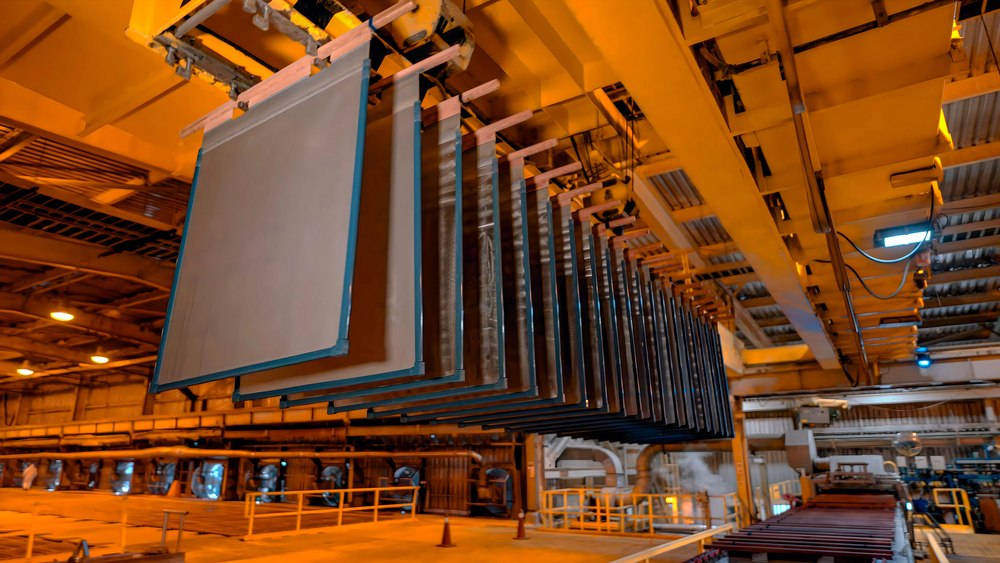
One project has already been commissioned, a cathode copper production facility in the Karaganda region. The project involved investments of about $17.3 million and created 512 jobs.

“In addition, six projects are currently under implementation, including the production of dore alloy, aluminum billets, and profiles. Their launch is expected in 2027–2028, with total investments exceeding $1.1 billion,” the ministry said.

According to the ministry, these projects will create more than 800 jobs, including around 140 in rural areas.

Additionally, a further 34 projects are at the planning stage, focusing on the production of dore gold and silver, nickel matte, aluminum, tungsten, lead, and zinc. Total investments in these projects are estimated at $14.9 billion, with the potential to create around 17,100 jobs.

The largest projects are planned for implementation in the Kostanay, Pavlodar, Karaganda, and Abai regions.

Overall, total investments across 48 current and prospective projects amount to approximately $16.2 billion, with plans to create around 19,400 jobs, a significant share of which will be in rural areas.

The Times of Central Asia previously reported that Kazakhstan’s reserves of rare earth metals may have exceeded previous projections following new geological surveys.

UN ESCAP Asia and Pacific Digital Solutions Centre for Sustainable Development Established in Kazakhstan

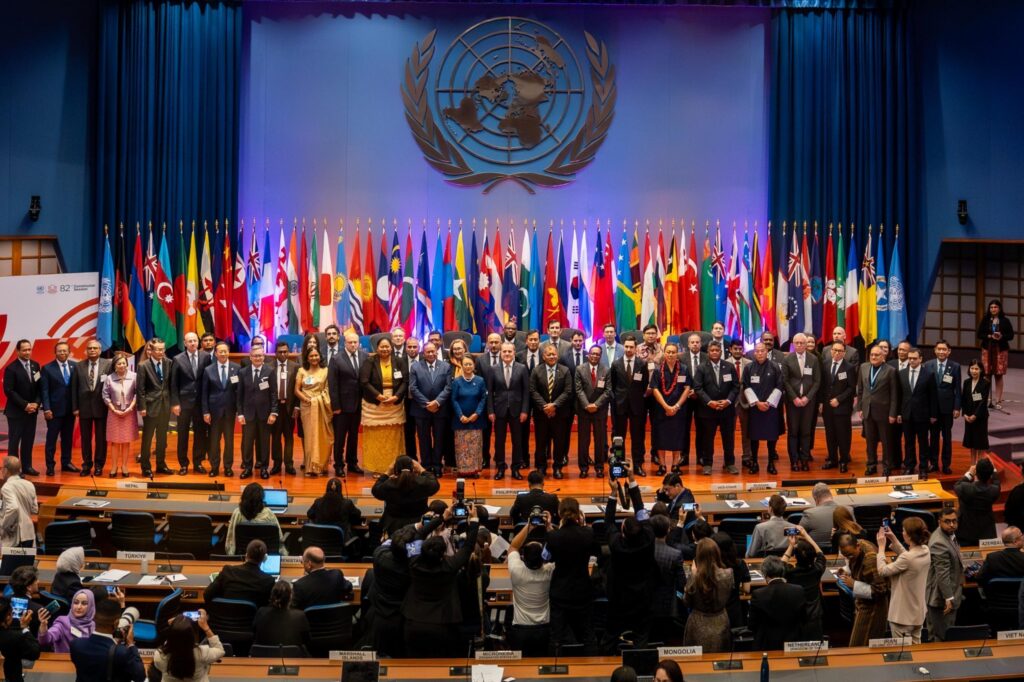
During the 82nd session of the United Nations Economic and Social Commission for Asia and the Pacific (ESCAP), held in Bangkok last week, all 52 member states adopted a resolution establishing the UN ESCAP Asia and Pacific Digital Solutions Centre for Sustainable Development in Almaty. This has been reported by Kazakhstan’s Ministry of Digital Development.

The new center will become ESCAP’s sixth regional institution, alongside existing specialized centers in Japan, China, South Korea, India, and Iran.

The Almaty-based center is expected to have a capacity of up to 130 staff, and be located in the UN Plaza building. The government of Kazakhstan will cover the institution’s operational and administrative costs for five years, with funding of up to $15 million.

It will operate as a neutral international platform under the auspices of the United Nations, aimed at identifying and disseminating best digital solutions from across the Asia-Pacific region, particularly in public and social services.

As noted by Margulan Baimukhan, Kazakhstan’s Permanent Representative to ESCAP, the adoption of the resolution marks the conclusion of a multilateral negotiation process that lasted more than five years.

The center is expected to contribute to bridging the digital divide across the region, with a particular focus on supporting least developed countries, landlocked countries, and small island developing states. In the context of rapid digital transformation, emphasis will be placed on developing inclusive mechanisms for the exchange of technologies and expertise, enabling countries to design solutions tailored to national contexts and ensuring equitable access to the benefits of digitalization.

For Kazakhstan, the establishment of the center is expected to create additional opportunities to attract advanced digital technologies, international expertise, and highly qualified professionals.

Strengthening Almaty’s role as a regional hub under the auspices of the United Nations is also expected to enhance international cooperation, promote partnerships with leading technology companies and development institutions, and reinforce the country’s position as a provider of digital solutions across the Asia-Pacific region.

The initiative may also support Kazakhstan’s export potential in IT services and the promotion of domestic digital solutions in international markets.

Chinese Company to Build Hydropower and Solar Plants in Kyrgyzstan

Construction of a small hydropower plant and a solar power station has begun in Kyrgyzstan’s Jalal-Abad region as part of efforts to expand domestic electricity generation and reduce reliance on energy imports.

The groundbreaking ceremony took place on April 28 and was attended by the presidential envoy to the region, Tilek Tekebayev; the project’s scientific supervisor and former Prime Minister Akylbek Japarov; as well as representatives of the Chinese corporation SINOMACH.

The project involves the construction of two facilities: a small hydropower plant with a capacity of 5 megawatts and an annual output of around 20 million kWh, and a solar power plant with a capacity of 1 megawatt, generating approximately 1.6 million kWh per year.

The total investment, to be implemented under a public-private partnership model, is estimated at $259.8 million.

Once operational, the facilities are expected to help reduce electricity shortages in the region and decrease dependence on imports.

The project is also expected to create more than 100 jobs and provide irrigation for over 1,000 hectares of arid land.

Kyrgyzstan is accelerating the development of small hydropower projects amid rising electricity demand and limited generation capacity.

Currently, 48 small hydropower plants are operating in the country, with a combined capacity of around 180 megawatts. Another 50 facilities are under construction, which authorities say will strengthen the country’s energy independence.

Over 100 Uzbek Workers in Russia Receive Aid After Months Without Pay

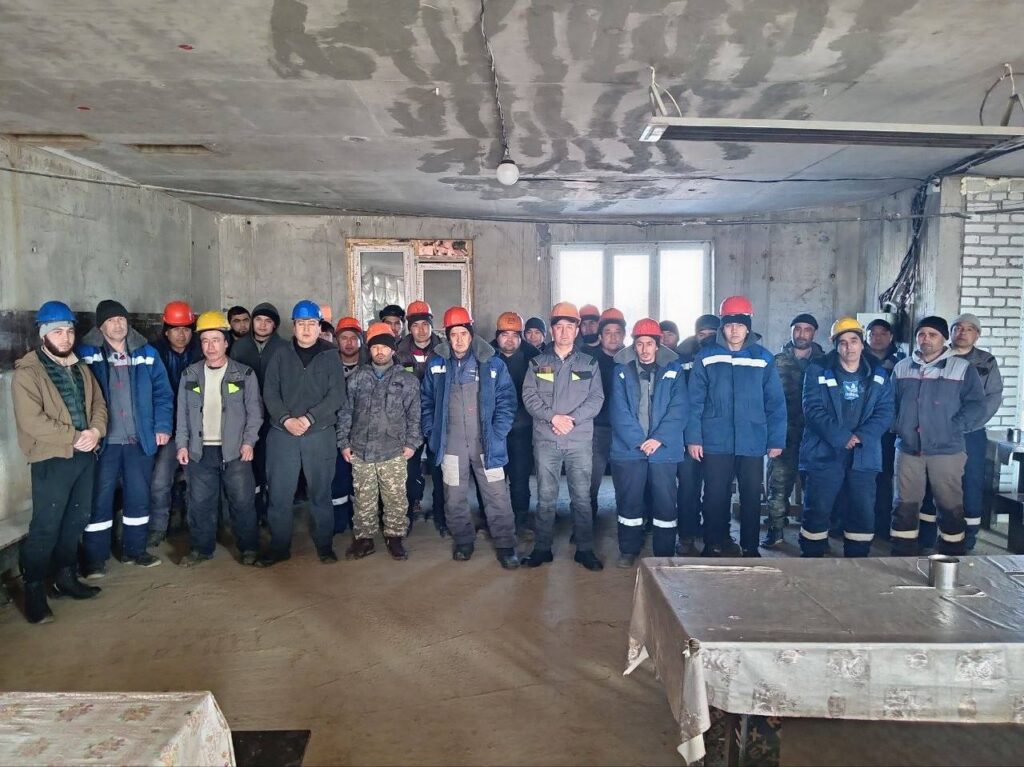
More than 100 Uzbek migrant workers in Russia have received assistance after going without wages and adequate food for four months, according to Uzbekistan’s Migration Agency.

The agency said the workers were jointly owed nearly 24 million rubles (about $324,000) and, in some cases, had fallen into irregular legal status. The situation began to improve after the workers contacted the agency for assistance.

Following the appeals, the agency’s representative office in Russia worked with legal counsel, while Uzbekistan’s Consulate General sent an official diplomatic note to the relevant authorities. As a result, Russian law enforcement agencies opened a criminal case against the employers under Article 145.1 of the Russian Criminal Code, which covers non-payment of wages.

According to the agency, some progress has already been made. A total of 105 workers have received 9.4 million rubles (around $127,000) in unpaid wages. The remaining debt, estimated at 23.9 million rubles, is expected to be paid by May 15.

The agency also said that food supplies for the workers have been restored. Those who had lost legal status were assisted in returning to Uzbekistan, and financial support measures have begun.

The case was handled in cooperation with Uzbekistan’s diplomatic missions in Russia and Russian law enforcement authorities. Officials said the joint efforts helped address both the financial claims and the humanitarian situation faced by the workers.

Turkmenistan Begins Seizing and Dismantling Starlink Equipment

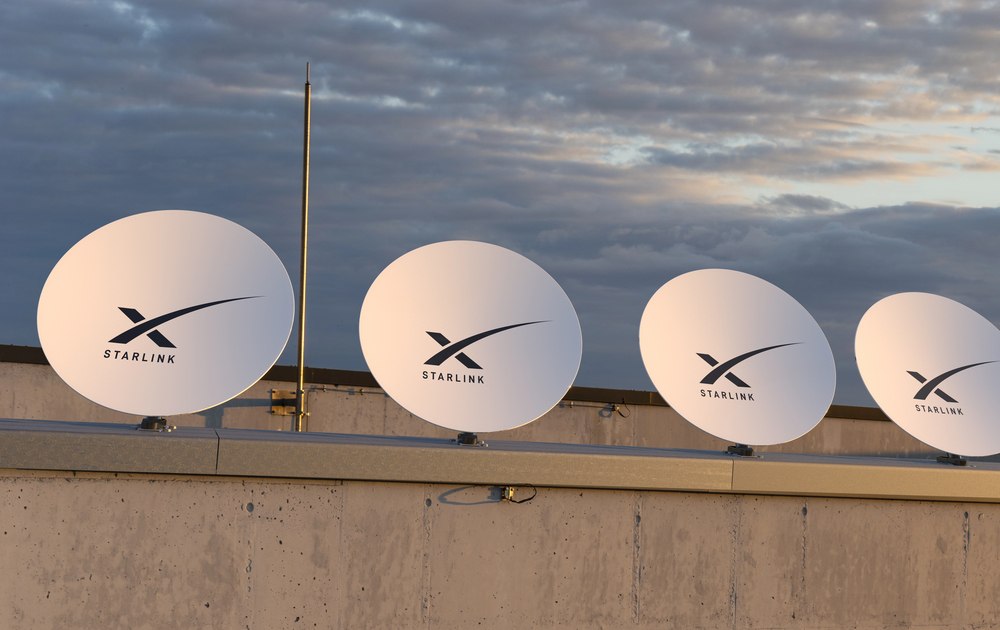
Amid ongoing connectivity issues, Turkmenistan’s authorities have intensified efforts to control alternative internet access. Since mid-April, the country has begun widespread identification and seizure of equipment used for the Starlink service.

Raids are being conducted by law enforcement agencies and other relevant state bodies. According to sources, inspections are taking place in residential buildings as well as office and commercial properties, with particular attention paid to rooftops, where satellite equipment is typically installed.

Although the service is not officially authorized in Turkmenistan, it has become widely used. The reason is straightforward: users are seeking more stable internet access amid low speeds and restrictions imposed by local providers.

According to local residents, the shift toward satellite internet accelerated following a deterioration in network quality in February. At that time, authorities introduced what users describe as a deliberate “degradation” of connectivity, increasing demand for alternative solutions.

The cost of connecting to Starlink remains high. Purchasing and installing the equipment typically requires between $1,000 and $1,500. However, users begin to see savings after several months compared to domestic tariffs. Subscribers pay around $100 per month and receive speeds exceeding 200 Mbps, while the state provider Turkmen Telecom offers the general population a maximum of 6 Mbps. Even at a monthly cost of about $112, users can expect only around 8 Mbps.

Higher-speed packages are largely unavailable to ordinary users. Speeds of up to 100 Mbps are offered only to legal entities and cost approximately $6,280 per month. For foreign companies, the price can reach as much as $35,702 per month.

However, the key issue extends beyond pricing. According to users, connection quality remains unstable. Frequent disruptions and blocking are reported, and in some cases even basic online activities take a considerable amount of time.

Swiss Court Suspends Karimova Case as Asset Questions Remain

A Swiss court has suspended part of a money laundering case involving Gulnara Karimova after she failed to appear at trial. Judges at the Federal Criminal Court in Bellinzona said they had taken all possible steps to secure Karimova’s participation in the proceedings. This included a visit to Uzbekistan in August 2024, when court representatives met with the country’s Supreme Court to discuss options for her involvement. However, those efforts did not succeed, and in January 2026, Uzbekistan’s authorities formally declined the request.

As a result, the court ruled that proceedings against Karimova could not continue in her absence. The same decision was applied to her co-defendant, described by prosecutors as a close associate. In this case, judges identified a separate legal obstacle preventing the trial from moving forward.

Karimova’s lawyer, Grégoire Mangeat, described the dismissal more strongly, telling Reuters that the decision “amounts to an acquittal under Swiss law.” The court’s reasoning, however, was procedural: judges found a lasting obstacle to continuing the case because Karimova cannot attend, and no judgment is likely before the statute of limitations expires.

According to the court, the co-defendant—an Uzbek national believed to be living in exile in Russia—cannot travel to Switzerland due to outstanding international arrest warrants. While it would theoretically be possible for him to travel from Russia, the absence of direct flights between the two countries since 2022 and the risk of detention in a third country make his participation unlikely.

Judges also noted that the statute of limitations for the charges against him is set to expire in June 2027, making it effectively impossible for him to attend court before that deadline. This was described as a “permanent obstacle” to continuing proceedings against him.

Despite these developments, the overall case remains open. The court confirmed that the main proceedings will continue against a former asset manager at Lombard Odier, as well as against the bank itself. Judges said there were no barriers to continuing this part of the trial and moved forward with preliminary hearings.

The case, which has been under investigation for more than a decade, centers on allegations of money laundering and financial misconduct linked to a broader corruption network. While parts of the proceedings have now been suspended, key questions remain unresolved.

Among them is the issue of assets allegedly connected to Karimova. The court stated that the possible confiscation of these funds will still be examined as part of the ongoing trial.

The unresolved asset question is tied to a fall that has stretched across more than a decade. Once a high-profile public figure, Karimova built a vast business empire, pursued a career in fashion, and even dabbled in pop music under the name “Googoosha.” A former UN envoy and self-styled “Princess of Uzbekistan,” Karimova projected an image of glamour and influence that later collapsed under the weight of corruption cases in Uzbekistan and abroad.

A leaked U.S. diplomatic cable offered a much darker portrait, describing her as “a robber baron” and “the single most hated person in the country.” As her political ambitions became more apparent, parts of Uzbekistan’s leadership reportedly grew alarmed, and her activities were closely monitored and relayed to her father, Islam Karimov.

By 2014, Karimova had fallen from grace. She was placed under house arrest, and images of her detention were leaked to the media. After Islam Karimov died in 2016, legal proceedings against her intensified. In 2017, she was sentenced to nine years in prison on corruption charges. The Uzbek Supreme Court later extended her sentence to 13 years and four months, with the term calculated to run from August 21, 2015.

Karimova’s financial empire also became the focus of international recovery efforts. Swiss prosecutors later accused Karimova of taking bribes and running an alleged criminal organization known as “The Office,” which they said helped channel hundreds of millions of dollars from telecom companies through accounts in several countries before moving funds into Switzerland.

In 2012, Switzerland said it had frozen around 800 million Swiss francs linked to criminal proceedings against Karimova. Uzbekistan has since pursued the return of confiscated assets, including $131 million already recovered from Swiss accounts. In February 2025, Uzbekistan and Switzerland signed an agreement to repatriate an additional $182 million through the UN-administered Uzbekistan Vision 2030 Fund.

Even with proceedings against Karimova suspended, the money trail remains before the Swiss court. The latest decision leaves open the question of what happens to funds allegedly linked to her network, while the remaining proceedings continue.