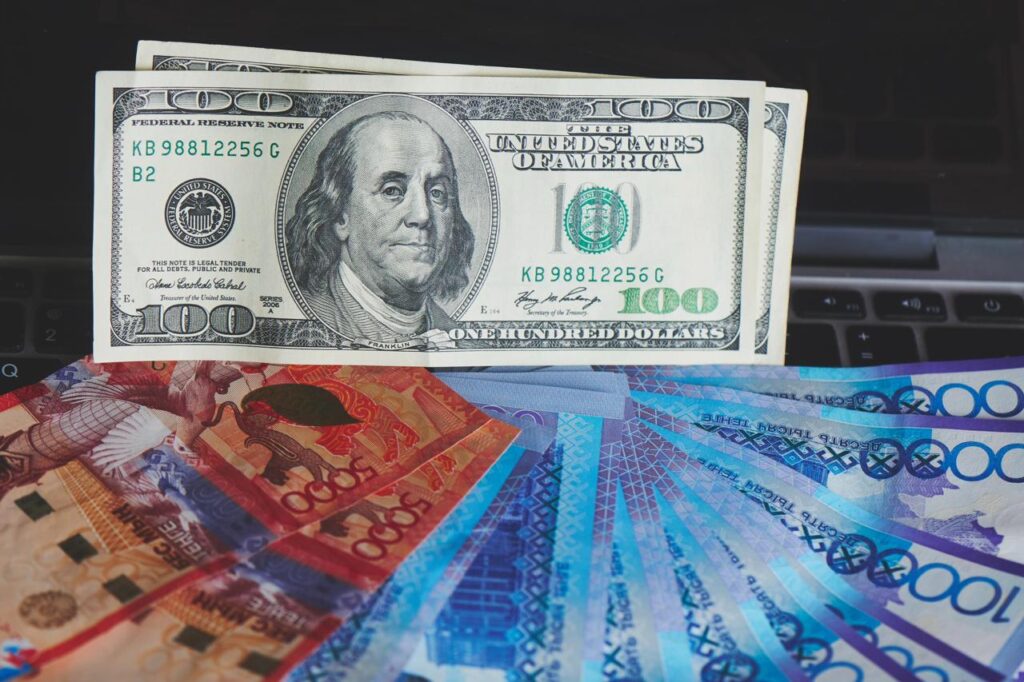
• KGS/USD = 0.01144 0%
  • KZT/USD = 0.00212 0%
  • TJS/USD = 0.10456 0.19%
  • UZS/USD = 0.00008 0%
  • TMT/USD = 0.28490 0%
  • KGS/USD = 0.01144 0%
  • KZT/USD = 0.00212 0%
  • TJS/USD = 0.10456 0.19%
  • UZS/USD = 0.00008 0%
  • TMT/USD = 0.28490 0%
  • KGS/USD = 0.01144 0%
  • KZT/USD = 0.00212 0%
  • TJS/USD = 0.10456 0.19%
  • UZS/USD = 0.00008 0%
  • TMT/USD = 0.28490 0%
  • KGS/USD = 0.01144 0%
  • KZT/USD = 0.00212 0%
  • TJS/USD = 0.10456 0.19%
  • UZS/USD = 0.00008 0%
  • TMT/USD = 0.28490 0%
  • KGS/USD = 0.01144 0%
  • KZT/USD = 0.00212 0%
  • TJS/USD = 0.10456 0.19%
  • UZS/USD = 0.00008 0%
  • TMT/USD = 0.28490 0%
  • KGS/USD = 0.01144 0%
  • KZT/USD = 0.00212 0%
  • TJS/USD = 0.10456 0.19%
  • UZS/USD = 0.00008 0%
  • TMT/USD = 0.28490 0%
  • KGS/USD = 0.01144 0%
  • KZT/USD = 0.00212 0%
  • TJS/USD = 0.10456 0.19%
  • UZS/USD = 0.00008 0%
  • TMT/USD = 0.28490 0%
  • KGS/USD = 0.01144 0%
  • KZT/USD = 0.00212 0%
  • TJS/USD = 0.10456 0.19%
  • UZS/USD = 0.00008 0%
  • TMT/USD = 0.28490 0%

Turkmenistan Identified as World’s Largest Source of Methane Super-Emitters

Turkmenistan has emerged as the top global source of major methane emissions in the oil and gas sector, according to new data published by the U.S.-based Stop Methane project. The findings, widely reported by Central Asian media, are based on satellite observations collected between January 1 and November 12 of this year.

Researchers at the University of California, Los Angeles, which leads the project, compiled the ranking using satellite data to identify sites with the highest methane emissions over specific time intervals. The list includes locations where emissions ranged from 3.7 to 10 tons per hour, levels deemed significant contributors to atmospheric pollution.

Industrial facilities in Turkmenistan, particularly near Esenguly and Turkmenabat in the Balkan province, accounted for the majority of high-emission events. Out of the 25 entries in the ranking, 17 are located in Turkmenistan, far more than any other country. The remaining positions are held by a handful of other states, including Venezuela, Iran, Pakistan, and the United States.

Decades-old Soviet-era infrastructure is widely cited by independent energy analysts as one of the main reasons Turkmenistan dominates global methane-leak rankings. Much of the country’s gas production network relies on older pipelines, compressors, and separation units that were never modernized to international leak-prevention standards. Because methane is colorless and odorless at industrial concentrations, these failures can persist unnoticed for long periods without satellite monitoring. Experts note that relatively inexpensive upgrades – such as replacing valves, improving maintenance, and installing continuous monitoring – could sharply reduce emissions if implemented.

Stop Methane analysts based their assessment on over 3,000 methane plumes detected at approximately 2,000 oil and gas sites worldwide. The data was collected using the U.S.-operated Tanager-1 satellite, which monitors key oil and gas extraction zones. The satellite’s capabilities allow for the detection of large leaks that are often invisible from the ground.

The surge in methane detection over the past two years reflects not a sudden rise in leaks but a leap in the resolution of satellite instruments now able to spot plumes previously undetectable. Earlier monitoring systems could identify only massive blowouts, whereas newer platforms – including Tanager-1 and NASA’s EMIT – can map medium-sized leaks in near-real time. This technological shift has revealed a methane footprint far larger than governments and companies had reported, making emissions visible to the international community and accelerating calls for transparency and mitigation.

The organization highlighted the serious environmental impact of methane, emphasizing its role in both air pollution and climate change. Beyond the climate implications, methane leaks represent a direct economic loss for Turkmenistan. The International Energy Agency estimates that most methane emissions in the oil and gas sector can be avoided at little or no net cost because the captured gas can be sold. For a country whose budget relies heavily on gas exports, the volume of methane escaping from super-emitter sites translates into millions of dollars of lost revenue annually. Addressing these leaks, therefore, offers both environmental and fiscal benefits.

For context, a site emitting five tons of methane per hour, roughly mid-range on the list, releases as much pollution annually as one million SUVs or a large coal-fired power plant.

Methane emissions have long been a concern in Turkmenistan. In 2019, international environmental groups reported that leaks at the Korpeje gas field in western Turkmenistan generated climate impacts equivalent to those from one million cars.

Despite this, Turkmen authorities have pointed to recent progress. Speaking at a regional climate forum in April, President Serdar Berdimuhamedov stated that the country had reduced methane emissions by 11% by the end of 2024, surpassing national targets.

Turkmenistan’s official messaging increasingly emphasizes environmental progress, yet satellite observations still reveal frequent large-scale leaks across its gas fields. This disconnect has led analysts to question the scope and transparency of the country’s mitigation programs. Without independent verification of emissions reductions, experts warn that the credibility gap between government statements and satellite-detected leaks may widen, complicating the country’s engagement with international climate initiatives.

Turkmenistan ranks fifth globally in natural gas reserves, estimated at 400 trillion cubic feet as of 2025. In 2023, the country produced a record 3.0 trillion cubic feet of dry natural gas. While China remains its primary export market, Ashgabat continues to seek new buyers. Turkmenistan’s methane profile is becoming a geopolitical liability as major consumers introduce stricter rules on the carbon and methane intensity of imported fuels. The European Union, in particular, is preparing standards that would penalize or restrict gas with high upstream emissions. This poses a potential obstacle to Turkmenistan’s long-sought ambitions to access European markets via the Trans-Caspian route, especially if competing suppliers in the region can demonstrate cleaner production. However, the U.S. Department of Energy has warned that elevated methane emissions could hinder potential access to European markets via the Trans-Caspian route.

Turkmenistan also holds an estimated 600 million barrels of oil and produced an average of 275,000 barrels per day in 2024. Across Central Asia, several oil- and gas-producing states are grappling with methane management, but Turkmenistan stands out due to the sheer scale of its super-emitter sites. Kazakhstan and Uzbekistan have also been flagged for significant leaks, though typically at lower levels and with fewer major emission points. Analysts argue that the region’s shared dependence on aging infrastructure makes coordinated methane-reduction strategies increasingly important, particularly as global scrutiny intensifies.

Tashkent Launches Emergency Measures as Air Pollution Worsens

Tashkent is experiencing a significant decline in air quality, prompting President Shavkat Mirziyoyev to sign a decree on November 25 implementing urgent environmental measures. According to the presidential press service, the decree establishes a special commission to take immediate steps to stabilize the situation.

The decision follows a high-level meeting on November 24 chaired by Saida Mirziyoyeva, head of the Presidential Administration, to discuss “urgent measures to improve the ecological situation in Tashkent.” Experts at the meeting presented a series of short, medium, and long-term proposals, ranging from immediate restrictions to structural reforms aimed at preventing future pollution spikes.

The new plan includes enhanced environmental monitoring, stricter controls on major polluters, tighter regulations for construction sites, and citywide greening initiatives. Authorities also intend to develop a modern air quality assessment system supported by new scientific infrastructure.

A key component of the initiative is the establishment of a specialized laboratory under the State Committee for Ecology to analyze sources of PM2.5 pollution, one of the primary contributors to the current smog. To expedite the process, the decree exempts a broad range of imported equipment from customs duties. These exemptions apply to automated monitoring stations, dust-gas filtration systems, localized water-treatment devices, and thousands of quartz filters required for sampling. The measure also extends to household air purifiers brought into the country by individuals and businesses, as demand for such devices has surged.

In response to the prolonged dry conditions, the Muslim Board of Uzbekistan announced the performance of istisqo, a traditional Islamic prayer for rain, to be held on November 28 following Friday prayers in mosques nationwide. “In Islamic history, istisqo has been performed during periods of drought, and its benefits have been noted in hadith literature,” the Board stated. Teachers and students from Islamic institutions will also recite the entire Sahih of Imam al-Bukhari before the prayer.

This call for collective prayer comes as climate change continues to intensify environmental stress in Uzbekistan. According to a newly released Atlas of Environmental Change by the UN Environment Programme (UNEP), Uzbekistan’s average annual temperature has risen by 1.6°C over the past 60 years, nearly three times the global average of 0.6°C. In the Aral Sea region, warming has reached 1.8 to 2.5°C, contributing to more frequent droughts, particularly in summer and autumn, and placing further strain on already limited water resources.

UNEP describes Uzbekistan’s water resources as “among the country’s most valuable and vulnerable,” noting that they depend almost entirely on sources located outside its borders. The atlas highlights the increasing importance of integrated water-resource management and cross-border cooperation, which officials say have already helped address local water-security issues. The agency also points to the adoption of water-saving technologies such as drip irrigation, which are critical to sustaining the country’s irrigated agricultural sector, the backbone of many rural economies.

Despite demographic and environmental pressures, the report finds that Uzbekistan has achieved near self-sufficiency in food production. Reforestation is also a national priority. UNEP praises the Yashil Makon (Green Space) initiative, launched in 2021 with the goal of planting one billion trees and shrubs over five years, which is already expanding green urban areas from 7.6% toward a target of 30%.

Drawing on 60 years of satellite data and multiple national and regional sources, UNEP states that the atlas provides policymakers with a “clear, visual, and evidence-based” understanding of the country’s evolving environmental landscape. “The atlas not only records changes,” the report concludes, “it highlights opportunities for restoration, conservation, and sustainable development.”

South Korea to Support Landfill Project in Northern Kyrgyzstan

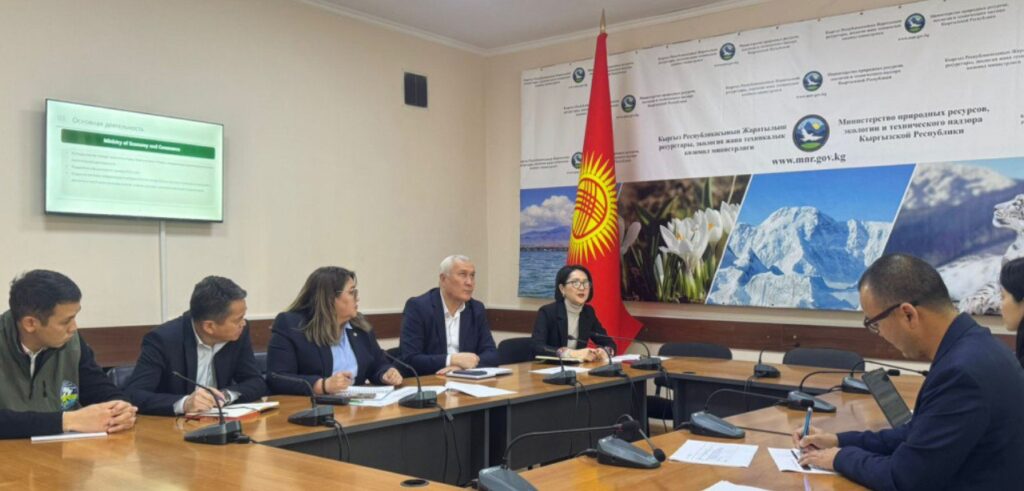
Kyrgyzstan is partnering with South Korean organizations to construct a sanitary landfill in Kemin, a town in the northern Chui region, approximately 95 km east of Bishkek. Earlier this month, the Kyrgyz Ministry of Natural Resources, Ecology, and Technical Supervision held a meeting with representatives from South Korea’s MYC Inc. (Make Your Climate) to secure grant funding for the initiative.

The two sides also conducted a joint study to identify a suitable location for the future landfill. The project is designed to implement an integrated waste management system that includes the sorting and incineration of solid waste, thereby reducing landfill volume and minimizing environmental harm.

Scheduled to run from 2027 to 2031, the project has an estimated budget of up to $10 million. The Korea Environmental Industry and Technology Institute (KEITI) will oversee project management.

The landfill is part of broader development plans for Kemin and the wider Chui region, which include the creation of an eco-friendly urban center, Kemin City. In January 2025, President Sadyr Japarov signed a decree to build the new city on 353 hectares. The project aims to provide modern housing, reduce outward migration, and retain skilled local labor.

Kemin and the nearby town of Orlovka were historically industrial hubs during the Soviet era. However, following the collapse of the USSR, many local enterprises shut down, prompting widespread out-migration. The development of Kemin City and its associated infrastructure is intended to reverse this trend and stimulate the local economy.

Air Pollution Research Center Opens at Osh State University with Japanese Support

A new Inter-Institutional Research Center for Air Pollution Studies (IRCAPS) has been inaugurated at Osh State University in southern Kyrgyzstan.

The center is part of a five-year joint project between Osh State University and the Tokyo University of Science. Funded by the Japan International Cooperation Agency (JICA) and the Japan Science and Technology Agency (JST), the $5 million initiative includes full provision of technical equipment for the facility.

The opening ceremony, held on November 18, was attended by Professor Nobutoshi Nawa, a leading scientist from the Tokyo University of Science, and Nishigato Kotaro, JICA’s representative in Kyrgyzstan.

Osh State University Rector Kudaiberdi Kojobekov stated that the center’s establishment represents a new phase in scientific and educational collaboration between Kyrgyzstan and Japan.

The center will focus on studying the health impacts of air pollution. Monitoring equipment will be installed both indoors and outdoors in residential areas to assess air quality in Osh, Bishkek, and other regions. Japanese scientists will collaborate directly with Kyrgyz researchers, and the resulting data will be used to formulate policy recommendations for relevant institutions and stakeholders.

The project is being carried out in coordination with the Ministry of Health, the Ministry of Natural Resources, Ecology, and Technical Supervision, the Hydrometeorological Service, the International Higher Medical School, the Osh City Administration, and various international partners.

Air pollution remains a critical issue in Kyrgyzstan, particularly in its largest urban centers, Bishkek and Osh. Key sources include the widespread use of coal for heating and vehicle exhaust emissions.

Most Kazakhstani Citizens Fear Decline in Living Standards Due to Tax Reform

A majority of Kazakhstanis expect a planned increase in value-added tax (VAT) to negatively impact their standard of living, triggering higher prices, rising unemployment, and increased pressure on businesses, according to a survey conducted by the DEMOSCOPE public opinion monitoring agency.

The results show that 61.4% of respondents believe the VAT hike from 12% to 16% beginning January 1, 2026, will reduce their quality of life. Of those, 32.4% anticipate a significant decline, while 29% expect a slight deterioration. Meanwhile, 20.6% believe the change will have no impact, and just 9% believe it will improve their living standards.

Government officials have framed the VAT increase as necessary to boost budget revenues, stabilize the economy, and finance social spending. However, respondents overwhelmingly believe the reform will primarily benefit the state (63.8%) and wealthy citizens (27.9%). In contrast, only 10.2% think businesses will benefit, while 3.3% expect gains for the middle class and just 2% for low-income citizens. Additionally, 19.2% said no one would benefit, and 2.4% believe everyone will benefit.

Respondents also identified several expected negative outcomes. A majority, 65.5%, expect a rise in prices for goods and services. Another 27.3% predict a reduction in the number of small and medium-sized enterprises, 26.5% foresee rising unemployment, and 19.6% anticipate growth in the shadow economy and tax evasion. Among entrepreneurs, 70.5% view the reform negatively.

The VAT hike is seen as particularly detrimental to small and medium-sized businesses: 63.6% believe it will harm the sector, 14.8% foresee no impact, and only 10.3% predict a positive outcome.

Overall, 52.8% of respondents expressed a negative view of the reform, while 33.4% were neutral and just 7.8% were positive.

Nevertheless, some respondents did see potential benefits: 18.2% believe the reform will increase tax revenues, and 9.4% think it will improve living standards. A further 12.6% said they expect no significant changes.

The findings suggest that many Kazakhstani citizens view the tax reform as a policy that favors the government and affluent elites, while placing disproportionate pressure on businesses and vulnerable population groups.

As previously reported by The Times of Central Asia, in early October, Finance Minister Mady Takiev stated that authorities had identified suspected underreporting of taxable income by more than 260,000 businesses across the country.

Kazakhstan Enters the Global Rare Earth Metals Arena

Kazakhstan ranks among the global leaders in proven rare earth metals (REM) reserves. Until recently, this fact was often accompanied by the familiar phrase “underutilized potential.” Today, the country is rapidly shifting from being a raw material supplier to a strategic actor capable of influencing critical material supply chains.

Amid intensifying global competition for resources, Kazakhstan is steadily establishing itself in the rare earth market. Central to this transformation is the state-owned mining company Tau-Ken Samruk, which is expanding aggressively both domestically and internationally.

Rare Earth Potential

Kazakhstan recently announced the discovery of a deposit containing strategically significant minerals, including cerium, lanthanum, neodymium, and yttrium, with total reserves estimated at multi-million tons. These materials are vital for modern industrial production and technological development.

To date, over 100 deposits of rare and rare-earth elements have been identified in Kazakhstan, including Kurumsak, Bala-Sauskandyk, Akbulak, Kundybay, and Verkhnee-Espe. The country currently produces 19 of the 34 known rare earth elements.

Kazakhstan possesses a unique combination of advantages: vast reserves, strategic geographic location, political stability, and a pivot toward processing and manufacturing high-value-added products.

Where once the country focused primarily on extraction and minimal processing, the current strategy is fundamentally different. Kazakhstan is now aiming to build a full-scale industrial chain, positioning itself as an alternative hub in a market long dominated by China. This is particularly notable as diversification efforts by the U.S., European Union, Japan, and South Korea have progressed slowly.

In short, Kazakhstan is quickly gaining strategic “rare earth” agency. A recent example is the case of the Severny Katpar and Verkhniy Kairakty tungsten deposits. In 2018, China’s Xiamen Tungsten expressed interest, but withdrew without signing legally binding agreements. In 2025, Tau-Ken Samruk signed an agreement with U.S.-based Cove Capital to develop the same assets.

This development underscores a larger trend: Kazakhstan is no longer viewed as a peripheral resource supplier, but rather as a contested zone in the U.S.-China competition for critical materials.

Global Expansion

According to Nurlan Zhakupov, chairman of the board of the Samruk-Kazyna sovereign wealth fund, Kazakhstan intends to deepen its involvement in the global REM market by processing not only domestic materials but also raw inputs from third countries.

Tau-Ken Samruk has launched geological exploration projects for rare earths in Rwanda and Afghanistan.

“Tau-Ken Samruk is actively engaging with foreign partners,” Zhakupov noted. “We’ve signed an agreement with a Rwandan government agency and identified five target areas. Entry requires establishing a joint venture with a Rwandan state-owned company.”

Africa is emerging as a significant REM source, with countries like Burundi already engaging in commercial mining. British firm Rainbow Rare Earths began operations at the Gakara mine in 2017.

Kazakhstan’s exploration efforts in Rwanda aim to secure raw inputs for domestic processing. Collaboration with Rwanda’s Mines, Petroleum and Gas Board includes evaluating beryllium sales for Kazatomprom.

During his official visit to Kazakhstan, Rwandan President Paul Kagame expressed interest in Kazakhstani technologies, particularly in energy, mining, and mineral processing.

However, operations in Africa come with risks. Rwanda and the Democratic Republic of Congo only signed a peace agreement in June 2025 under U.S. auspices. The accord reportedly granted American access to the region’s strategic minerals, including coltan and cobalt, but in Rwanda, activities remain exploratory and constrained by security conditions.

Afghanistan also holds significant REM reserves, including lanthanum, cerium, neodymium, lithium, and copper. Kazakhstan has expressed interest in exploring these resources. According to the U.S. Geological Survey, Afghanistan’s mineral wealth may be worth $1 trillion to $3 trillion, with REM reserves alone estimated at around 1.4 million tons. One of the largest deposits is in Khaneshin, Helmand Province.

Nevertheless, political instability, rugged terrain, and inadequate infrastructure continue to hinder extraction efforts.

“We are also working in Afghanistan. We’ve taken samples from two areas with promising geological results. While extraction is not yet under discussion, we’re in dialogue with potential local partners regarding licensing,” Zhakupov stated.

Kazakhstan may face competition in Afghanistan. In May 2025, Russian Deputy Prime Minister Alexei Overchuk announced Moscow’s readiness to support REM extraction in the country, including conducting comprehensive geological surveys.

The U.S. has also maintained interest. In 2017, then-President Trump and Afghan President Ashraf Ghani discussed the potential American development of Afghan REM resources. Those talks stalled following the Taliban’s return to power.

Despite the high risks and modest short-term gains, experts suggest Kazakhstan will continue to pursue a long-term strategy. This includes integrating geological exploration, processing, and international cooperation to bolster its global REM standing.