• KGS/USD = 0.01144 0%
  • KZT/USD = 0.00196 -0%
  • TJS/USD = 0.10904 0%
  • UZS/USD = 0.00008 0%
  • TMT/USD = 0.28490 0%
  • KGS/USD = 0.01144 0%
  • KZT/USD = 0.00196 -0%
  • TJS/USD = 0.10904 0%
  • UZS/USD = 0.00008 0%
  • TMT/USD = 0.28490 0%
  • KGS/USD = 0.01144 0%
  • KZT/USD = 0.00196 -0%
  • TJS/USD = 0.10904 0%
  • UZS/USD = 0.00008 0%
  • TMT/USD = 0.28490 0%
  • KGS/USD = 0.01144 0%
  • KZT/USD = 0.00196 -0%
  • TJS/USD = 0.10904 0%
  • UZS/USD = 0.00008 0%
  • TMT/USD = 0.28490 0%
  • KGS/USD = 0.01144 0%
  • KZT/USD = 0.00196 -0%
  • TJS/USD = 0.10904 0%
  • UZS/USD = 0.00008 0%
  • TMT/USD = 0.28490 0%
  • KGS/USD = 0.01144 0%
  • KZT/USD = 0.00196 -0%
  • TJS/USD = 0.10904 0%
  • UZS/USD = 0.00008 0%
  • TMT/USD = 0.28490 0%
  • KGS/USD = 0.01144 0%
  • KZT/USD = 0.00196 -0%
  • TJS/USD = 0.10904 0%
  • UZS/USD = 0.00008 0%
  • TMT/USD = 0.28490 0%
  • KGS/USD = 0.01144 0%
  • KZT/USD = 0.00196 -0%
  • TJS/USD = 0.10904 0%
  • UZS/USD = 0.00008 0%
  • TMT/USD = 0.28490 0%
08 December 2025

Air Astana Signs Memorandum for Delivery of 50 Airbus A320neo Aircraft

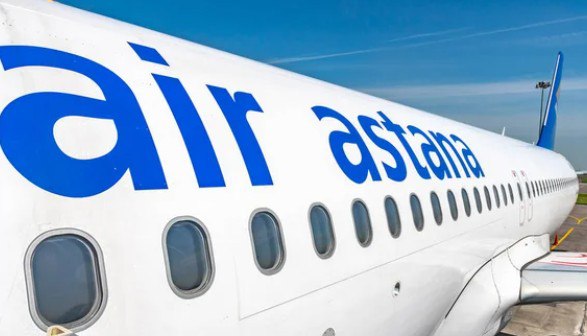
Kazakhstan’s national carrier Air Astana has signed a memorandum of understanding with Airbus for the delivery of up to 50 A320neo family aircraft. The agreement includes 25 firm orders and 25 options, according to a company press release.

The proposed purchase will comprise a mix of A320neo and A321neo models, with initial deliveries expected in 2031. Most of the aircraft will be A321LRs, long-range models on which Air Astana was among the first to introduce a premium cabin layout for long-haul routes to Europe and Asia. This new memorandum builds on an earlier agreement announced by the airline this month and remains subject to shareholder approval.

Air Astana CEO Peter Foster, who is set to step down in March 2026, noted that expanding the A320neo fleet will help the airline enhance operational efficiency and maintain high service standards. He added that these aircraft “have demonstrated excellent operational performance over many years” in the company’s fleet.

Air Astana introduced the A320ceo into its fleet in 2006 for domestic and regional routes across Central Asia and the Caucasus. The first A320neo joined the fleet in November 2016, followed by the A321LR in September 2019. The A321LRs are deployed on long-haul routes to Europe and Asia.

The Air Astana group currently operates 62 aircraft, 59 of which belong to the A320 family. These are utilized by both Air Astana and its low-cost subsidiary FlyArystan.

Earlier this year Air Astana also signed a contract with Boeing for the delivery of up to 15 Boeing 787-9 Dreamliners. That order brings the total Dreamliner portfolio to 18 aircraft, with deliveries scheduled between 2032 and 2035. The total catalog value of the fleet stands at approximately $7 billion.

The arrival of the first Dreamliners is tied to the planned launch of a direct route between Astana and New York.

Kazakhstan’s Golovkin Becomes World Boxing President

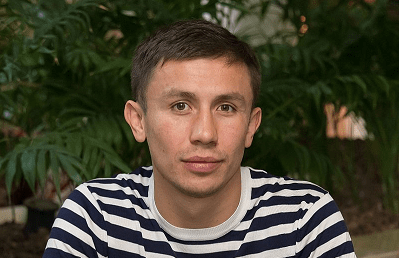
Gennadiy Golovkin, the two-time middleweight world champion and 2004 Olympic silver medalist for Kazkhstan, was named president of World Boxing at the federation’s inaugural congress in Rome on Sunday.

Golovkin, who has been president of Kazakhstan’s National Olympic Committee since last year, will lead the amateur boxing federation into the 2028 Olympic Games in Los Angeles. He succeeds Boris van der Vorst, a Dutch national who was the first president of World Boxing.

“I feel great. I feel more excited. Right now, we have a new team, new view,” Golovkin said after his election to the post. “I have a plan. I have ideas, so many. My goal is bringing boxing’s position back to a high level.”

The World Boxing federation was launched in 2023 to address concerns about transparency and governance in amateur boxing that had placed the future of the sport at the Olympics in doubt. That year, the International Olympic Committee, or IOC, expelled the International Boxing Association, the former governing body of amateur boxing, from the Olympic movement because of those corruption concerns.

World Boxing, the new amateur boxing federation, has been collaborating with the IOC and said that, by January of this year, it had approved membership applications from 60 national boxing federations around the world.

President Kassym-Jomart Tokayev congratulated Golovkin.

“He has become the first representative of Kazakhstan to lead an international federation of an Olympic sport,” Tokayev said. “This landmark achievement is a testament to the global recognition of Gennady Golovkin’s outstanding accomplishments and his great contribution to boxing worldwide.”


COP30 Delegate from Kazakhstan Says International Cooperation Is Hard, But Worth It

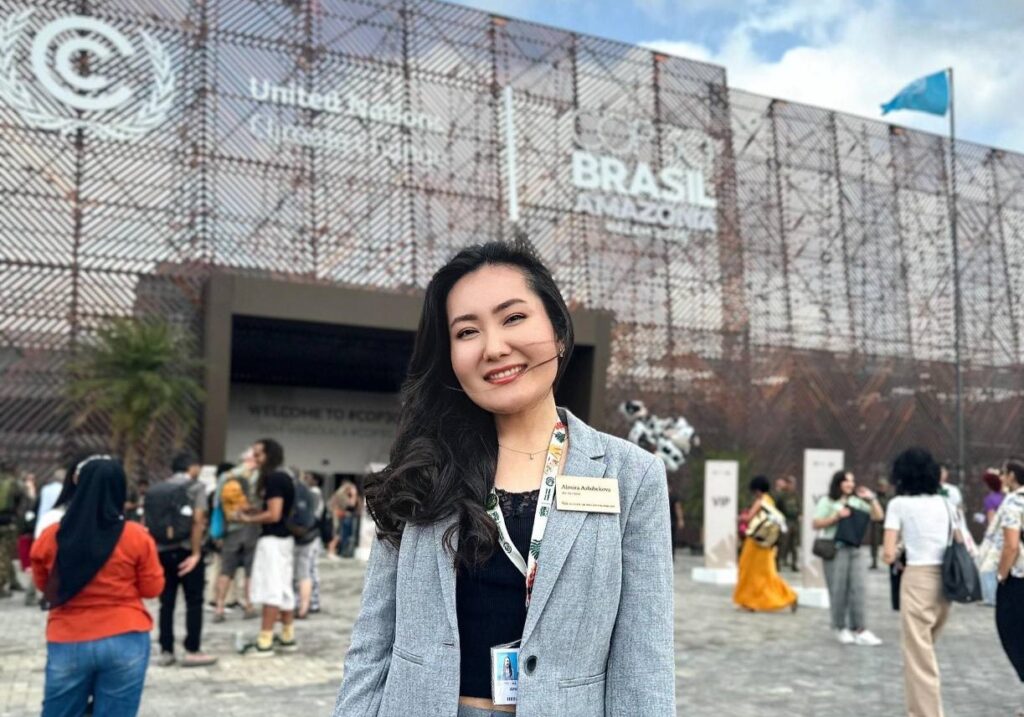
One of Kazakhstan’s representatives at the United Nations climate talks (COP30) in Belém, Brazil, this month was Almira Azhibekova, a Master of Environmental Management student at Yale University in the United States. As a member of the team from Kazakhstan’s Ministry of Ecology and Natural Resources, Azhibekova analyzed negotiations, helped prepare final reports, and performed other tasks. She shared this account, lightly edited by The Times of Central Asia. Views are her own.

Attending COP30 as part of Kazakhstan’s delegation was an amazing chance to connect theoretical knowledge that I acquired at Yale with real-world climate diplomacy. I learned how countries like Kazakhstan access climate finance and technology support through fair partnerships and witnessed how, despite obstacles and challenges, international cooperation is the best way to turn ambitious goals into action.

It is something I hope to bring back to Yale and my future work at home.

What struck me most about COP30 was how global cooperation works in practice. It is inspiring, but also incredibly challenging. Seeing negotiations happen in real time was eye-opening. There is urgency, there is complexity, and there is a very human side to everything.

Reaching consensus is not easy. Every country has its own priorities and concerns, and negotiators must ensure that everyone is heard and respected. Often, a single paragraph will go through informal consultations, smaller working groups, and then formal sessions before it can be agreed upon. Even one sentence in a final text can be discussed for hours, and some issues remain open for years. Diplomacy takes patience.

Sometimes, a small difference in language becomes the focus of intense discussion because specific terminology can carry distinct legal and operational consequences. In international climate law, each term has a defined meaning, and a slight change in wording can alter how a mechanism will be implemented. I realized just how much weight language holds in shaping global climate action.

Another insight, one I had known in theory but witnessed in practice, is that climate change affects every aspect of economies and societies and is a defining issue in international relations. Decisions made in negotiation rooms can influence economic development, security, and international cooperation, far beyond the environmental sphere.

There were also practical challenges that made cooperation more difficult. Differences in languages, levels of technical expertise, national experiences, and even delegation sizes. Some countries can’t send enough people to be present in every negotiation. Equity in the process is as important as equity in the results.

Photo provided by Almira Azhibekova

Another important factor is the quality of technical logistics and working conditions, which directly affect the effectiveness and accessibility of an already complex negotiation process.

In addition to these observations, I was incredibly fortunate to speak to Dr. Katia Simeonova, a key architect and co-founder of the transparency framework under the Paris Agreement. She explained the peculiarities of negotiation: how every word in the text works in practice, how specific terms shape legal outcomes, and things that delegations must closely monitor while building strategies and goals. Her advice helped me understand how countries can advance their national priorities. Speaking with someone who has contributed so much to global climate governance made me prouder to represent Kazakhstan and more motivated to serve my country and the global community.

I am grateful to Brazil for making COP30 happen while welcoming so many participants from around the world.

The system is imperfect and needs improvements to move from discussion to action. Even with challenges, COP remains a powerful platform where we can shape a safer, more equitable future. It is where countries learn to cooperate, where essential decisions begin, and where today’s voices speak for future generations.

Tashkent’s Air Pollution Crisis Sparks Public Concern and Expert Warnings

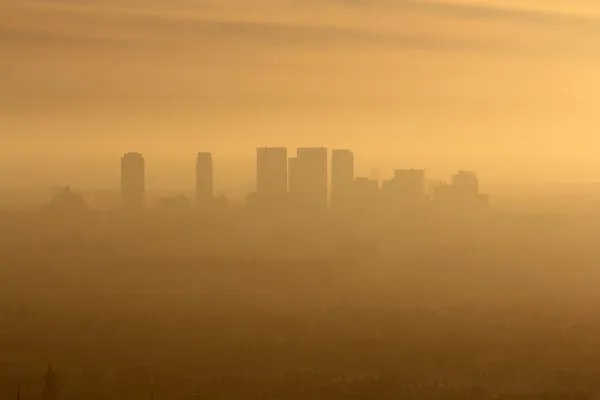
On November 20, local media reported that Tashkent briefly topped the global air pollution rankings compiled by IQAir, drawing urgent public attention to the capital’s worsening environmental conditions. According to IQAir, the city’s PM2.5 concentration reached 229 at 10:51 a.m. on November 21, placing Tashkent behind only Delhi and Lahore for hazardous air quality.

Experts Warn of Long-Term Mismanagement Behind Toxic Air

Environmental specialists attribute the crisis to deep-rooted structural mismanagement. Environmental advocate Mutabar Khushvaktova cited IQAir’s breakdown of primary pollution sources: summer dust storms (36%), heating systems running on coal and fuel oil in autumn and winter (28%), vehicle emissions (16%), and industrial activity (13%).

Khushvaktova argued that ineffective oversight across construction, industry, transportation, and urban development has contributed to the current crisis. “Even after the Ministry of Ecology was established, conditions did not improve. Initially, the ministry reacted defensively to criticism but then stopped responding altogether. If this continues, public frustration will intensify and the economy will suffer. Illness will increase, productivity will fall, hospitals will be overwhelmed, and skilled professionals may leave the country,” she warned.

She outlined several urgent steps: increased government transparency, expert-led planning, strict protection of green zones, enhanced oversight of construction sites, mandatory filtration at industrial plants, and boosted funding for water and glacier research. She also emphasized safeguarding forests, reservoirs, and nature reserves from tourism-related development and called for full reform of Tashkent’s landscaping department. “We need stable urban ecosystems, modern irrigation systems, restored canals, and composting initiatives. This work must be done in close cooperation with the Ecology Committee,” she said.

Families in Tashkent Voice Growing Health Concerns

Madina Mo‘minova, a writer and filmmaker known for her work on environmental themes in children’s literature, expressed grave concern for families in the capital. “Air quality in Uzbekistan, especially in Tashkent, has reached an unbearable level,” she said. “I fear for my children and grandchildren. People are afraid to open their windows or even go outside. Many are already thinking about leaving.”

Mo‘minova noted that while the government has taken preliminary steps, the response needs to be more comprehensive and sustainable. “Greenhouses shouldn’t just be shut down, they need access to clean energy sources like natural gas to prevent recurring pollution after every inspection. We want to live in a safe, healthy country, not one teetering on ecological collapse,” she said.

Urban Planners Call for Infrastructure Restoration and Stricter Oversight

Temur Akhmedov, an expert on green urban development, stressed the importance of rehabilitating traditional infrastructure. “Restoring canals should be the top priority in Tashkent and other cities,” he said. “In many areas, the damage is extensive, but we must recover what we can.” He also advocated for halting new construction until a comprehensive environmental strategy is in place, along with enforcing dust-control measures at existing sites.

These environmental concerns coincide with accelerated urban development plans. On November 20, President Shavkat Mirziyoyev signed a decree aimed at stabilizing the housing and mortgage markets. The initiative includes plans to double annual housing construction by 2040, reaching 421,000 units per year, an ambitious target that experts warn could worsen environmental conditions if not accompanied by sustainable policies.

Although officials have yet to publicly respond to Tashkent’s high IQAir ranking, environmental advocates say Uzbekistan is at a critical juncture. They urge transparent communication, cross-sector coordination, and long-term environmental planning to avert deeper public health and ecological crises.

Kazakhstan and Armenia Forge Strategic Partnership in Landmark Summit

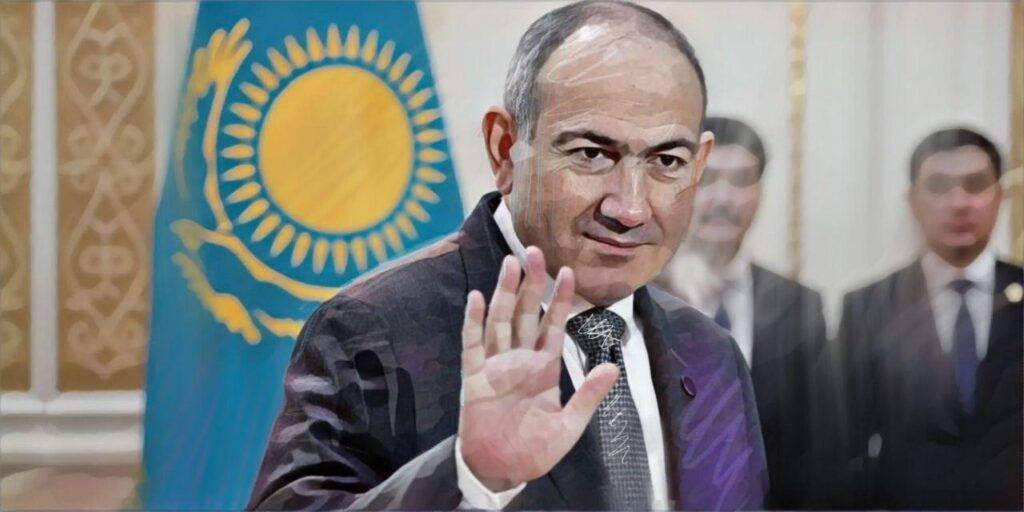
Kazakhstan and Armenia have upgraded their relations to a strategic partnership after high-level talks between President Kassym-Jomart Tokayev and Prime Minister Nikol Pashinyan in Astana on 21 November. The decision was sealed in a joint statement and framed as the start of a new phase in cooperation between the two Eurasian partners.

During the official visit, the two sides exchanged 15 intergovernmental and interagency documents. These cover the protection of classified information, land for diplomatic missions, a trade and economic roadmap for 2026–2030, and cooperation in industry, agriculture, healthcare, science, education, digitalization, and the peaceful use of atomic energy, as well as new links between national museums, libraries, and film institutions. A Kazakhstan–Armenia Business Council was also created to bring companies into the process.

Tokayev underlined the political meaning of the upgrade, stating that an “open and trusting political dialogue has been established between Astana and Yerevan at all levels. Interstate ties are truly constructive, with significant potential for their comprehensive strengthening and expansion.” Pashinyan, meanwhile, stressed the human dimension, noting that “we respect the Kazakh people, and this respect is the foundation for the further development of bilateral relations.” Their meeting builds on Tokayev’s official visit to Yerevan in April 2024, when the two governments first drew a roadmap for closer ties.

Symbolism played a significant role in the visit, with Tokayev awarding Pashinyan the Order of Altyn Qyran (Golden Eagle), Kazakhstan’s highest state honor, in recognition of his role in Armenia’s development, regional peace efforts, and bilateral relations. This year, Yerevan has hosted the Days of Kazakhstan Culture and opened a park named after the Kazakh poet, Abai, while Kazakhstan has promoted Armenia’s cultural presence at events and academic centers, helping anchor the relationship beyond government channels.

Image: Akorda.kz

The strategic label is the high point of more than three decades of diplomatic relations. Armenia and Kazakhstan first established ties in August 1992, and shortly opened embassies in each other’s capitals. A Treaty of Friendship and Cooperation was signed in Astana in September 1999. Both are members of the Eurasian Economic Union and the Collective Security Treaty Organization, which lends their interaction a dense multilateral framework.

Now, trade and connectivity are catching up with political rhetoric, with both sides eyeing room to expand. According to Armenia’s economy minister, bilateral trade reached $104 million in 2023, up 2.4 times from 2020, with Armenian exports making up more than two-thirds of the total. Kazakh figures, meanwhile, show mutual trade rising but still at a modest $53.1 million by the end of 2023, partly due to the lack of rail links and past transit restrictions in the South Caucasus.

Those obstacles, however, are beginning to ease. In October, Azerbaijani President Ilham Aliyev lifted restrictions on transit to Armenia, which allowed the first shipment of 1,000 tons of Kazakh wheat to reach Armenian markets via Azerbaijani territory in November. Kazakhstan and Armenia also plan to launch direct air links and expand air cargo, a step Tokayev has called a priority for boosting economic and people-to-people exchanges.

Armenian officials have linked improved transit conditions with their “Crossroads of Peace” transport concept, which the government has described as a plan to open rail and road corridors that allow goods to move more easily across the South Caucasus. Economic commentary from Kazakhstan has also highlighted that “current trade figures do not correspond to the economic potential of Kazakhstan and Armenia,” arguing that improved transit links and a more predictable regional environment could help close the gap.

Regional dynamics also come into play. The Eurasian Economic Union’s fully-fledged free trade agreement with Iran came into force in May 2025, expanding opportunities for member states seeking access to Iranian and Gulf markets. Armenia’s shared border with Iran gives it a natural role in such north–south corridors.

For Astana, deeper engagement with Yerevan fits into a broader strategy of widening transport and commercial options from Central Asia to the South Caucasus and the Middle East. If the new strategic partnership is matched by practical steps on trade, transport, and culture, this latest summit could mark a turning point for two countries that have long seen each other more as distant allies on paper than everyday partners in practice.

Tajikistan Completes Modernization of Kairakkum Hydropower Plant

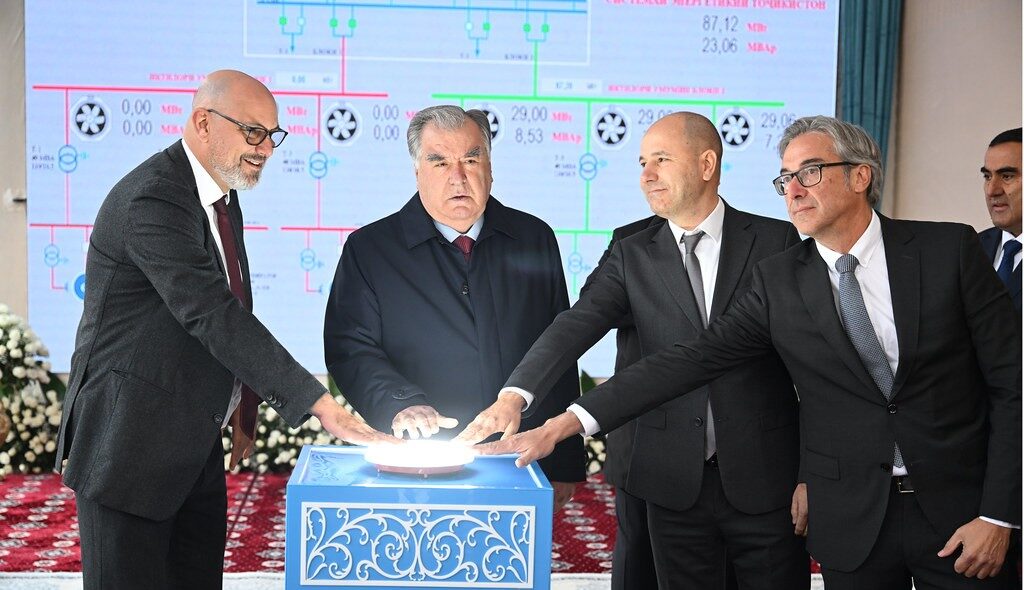
On November 20, Tajik President Emomali Rahmon officially inaugurated three newly modernized hydroelectric units at the Kairakkum Hydropower Plant (HPP) in Guliston, located in the northern Sughd region.

Situated on the Syr Darya River, the Kairakkum HPP comprises six hydroelectric units, the last of which was commissioned in 1957. Over nearly seven decades of operation, the plant’s equipment had become outdated, leading to a decline in generation capacity. The facility currently provides electricity to approximately 500,000 residents in Sughd province.

A modernization project for the aging plant began in August 2019. The first three upgraded units were brought online in September 2024. With the completion of the remaining three units, all six have now been fully renovated.

Image: president.tj

Each upgraded unit now has a capacity of 29 MW, bringing the plant’s total capacity from 126 MW to 174 MW, an increase of 60 MW. As a result, annual electricity generation has risen from 650 million kWh to 900 million kWh.

The modernization was backed by a $196 million financing package led by the European Bank for Reconstruction and Development (EBRD), which included:

  • An $88 million EBRD loan
  • A $37 million loan from the European Investment Bank
  • A $50 million loan and grant from the Green Climate Fund
  • A $21 million loan and grant from the Climate Investment Funds (CIF), directed to state-owned utility Barki Tojik.

Tajikistan, which possesses vast hydropower potential but suffers from chronic energy shortages, has prioritized hydropower projects in recent years. Chief among them is the ongoing construction of the massive Rogun Dam and hydropower plant. These initiatives aim not only to address domestic supply issues but also to establish Tajikistan as a regional electricity exporter.