• KGS/USD = 0.01144 0%
  • KZT/USD = 0.00192 -0%
  • TJS/USD = 0.10849 0.37%
  • UZS/USD = 0.00008 0%
  • TMT/USD = 0.28490 0%
  • KGS/USD = 0.01144 0%
  • KZT/USD = 0.00192 -0%
  • TJS/USD = 0.10849 0.37%
  • UZS/USD = 0.00008 0%
  • TMT/USD = 0.28490 0%
  • KGS/USD = 0.01144 0%
  • KZT/USD = 0.00192 -0%
  • TJS/USD = 0.10849 0.37%
  • UZS/USD = 0.00008 0%
  • TMT/USD = 0.28490 0%
  • KGS/USD = 0.01144 0%
  • KZT/USD = 0.00192 -0%
  • TJS/USD = 0.10849 0.37%
  • UZS/USD = 0.00008 0%
  • TMT/USD = 0.28490 0%
  • KGS/USD = 0.01144 0%
  • KZT/USD = 0.00192 -0%
  • TJS/USD = 0.10849 0.37%
  • UZS/USD = 0.00008 0%
  • TMT/USD = 0.28490 0%
  • KGS/USD = 0.01144 0%
  • KZT/USD = 0.00192 -0%
  • TJS/USD = 0.10849 0.37%
  • UZS/USD = 0.00008 0%
  • TMT/USD = 0.28490 0%
  • KGS/USD = 0.01144 0%
  • KZT/USD = 0.00192 -0%
  • TJS/USD = 0.10849 0.37%
  • UZS/USD = 0.00008 0%
  • TMT/USD = 0.28490 0%
  • KGS/USD = 0.01144 0%
  • KZT/USD = 0.00192 -0%
  • TJS/USD = 0.10849 0.37%
  • UZS/USD = 0.00008 0%
  • TMT/USD = 0.28490 0%
11 December 2025

Tajikistan and Kyrgyzstan Hold Talks on Consular Cooperation and Citizen Rights

Officials from Tajikistan and Kyrgyzstan met in Dushanbe on May 27 to discuss consular cooperation and the protection of citizen rights, according to the Tajik Ministry of Foreign Affairs.

The consultations brought together delegations from both countries’ foreign ministries. The Tajik delegation was led by Bahodur Safarzoda, Head of the Main Consular Department, while the Kyrgyz side was headed by Seitek Zhumakadyr uulu, Director of the Consular Service Department.

Discussions focused on improving bilateral cooperation, including measures to protect the rights of citizens living or traveling in each other’s countries, streamlining border-crossing procedures, and enhancing the efficiency of consular services.

The meeting was part of broader efforts to strengthen trust and cooperation between the two neighboring countries. In March, Kyrgyz President Sadyr Japarov and Tajik President Emomali Rahmon signed a landmark agreement in Bishkek to resolve the long-standing dispute over the Kyrgyz-Tajik border.

Under the terms of that agreement, both national parliaments must ratify the deal before it becomes official. If approved, the final step will be the formal exchange of ratification documents, expected to occur on March 31 during a summit in the Fergana Valley. Uzbek President Shavkat Mirziyoyev is also expected to attend. Only after this exchange will the physical demarcation of the border begin.

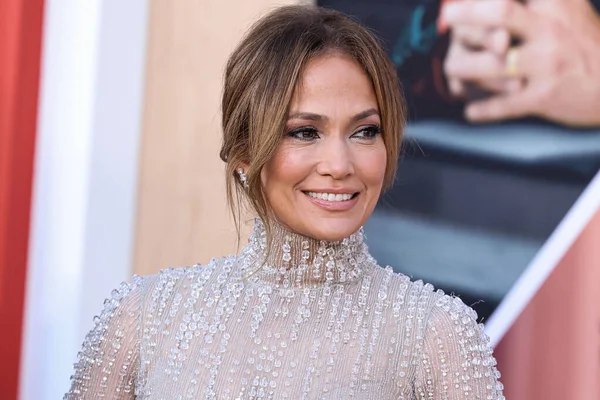
Jennifer Lopez to Perform in Tashkent for the First Time

Global pop icon Jennifer Lopez will perform in Tashkent on August 7, as part of her Up All Night – Live in 2025 world tour, according to Uzbekistan’s Art and Culture Development Foundation.

The concert, set to take place at Milliy Stadium, will mark Lopez’s debut performance in Uzbekistan. The event is part of a broader initiative by the Foundation to promote international cultural exchange and boost the country’s tourism sector.

Earlier, The Times of Central Asia reported that Lopez is also scheduled to perform in Kazakhstan’s capital Astana later this summer. Local organizers there estimate her concert could generate over $12 million in economic activity and yield nearly $800,000 in tax revenue.

Jennifer Lopez, known as J. Lo, is one of the most prominent entertainers of her generation. A singer, actress, and dancer with a career spanning more than 30 years, she has received numerous accolades, including the Billboard Icon Award and the MTV Video Vanguard Award. To date, she has sold over 80 million records worldwide.

Energy, Industry, and Diplomacy: Kazakhstan-Italy Relations Reach New Heights

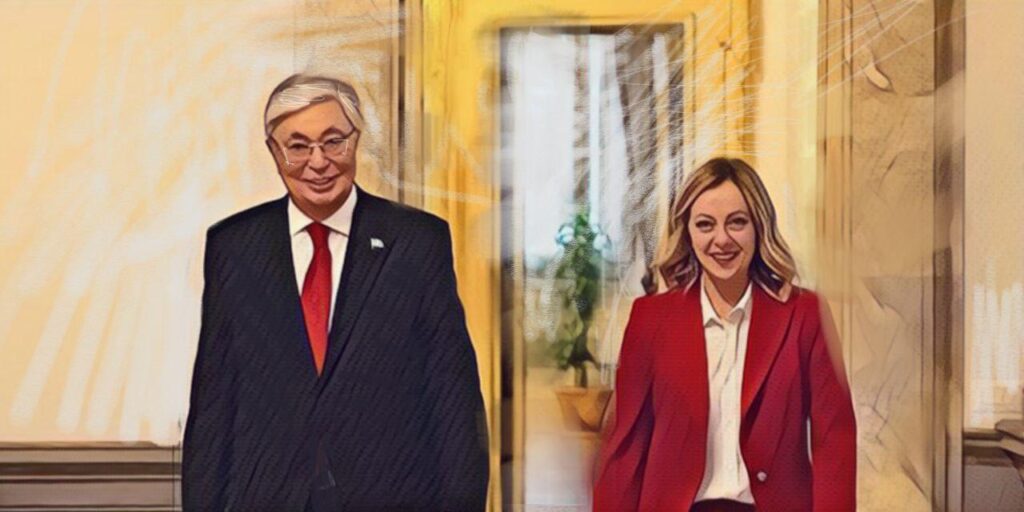
On May 30, Italian Prime Minister Giorgia Meloni will pay an official visit to Kazakhstan. The same day will also mark the inaugural Central Asia-Italy summit, to be held in Astana with the participation of regional heads of state.

In anticipation of the visit, the Kazakh-Italian Business Forum opened in Astana on May 28, focusing on the development of trade and logistics cooperation. Kazakhstan’s Prime Minister Olzhas Bektenov highlighted a key milestone in bilateral relations: trade between the two countries increased by 25% in 2024, reaching nearly US$20 billion. Of this, Kazakh exports accounted for more than US$18 billion.

Diplomatic relations between Kazakhstan and Italy were established in 1992. Italy opened its embassy in Kazakhstan in October of that year, followed by the opening of the Kazakh embassy in Italy in 1996. In 1994, then-President Nursultan Nazarbayev made his first official visit to Rome. A reciprocal visit by Italian President Oscar Luigi Scalfaro followed in 1997. Over the ensuing decades, Kazakhstan received visits from Italian Prime Ministers Romano Prodi, Silvio Berlusconi, Mario Monti, and Matteo Renzi.

Kassym-Jomart Tokayev visited Italy twice before assuming the presidency: first as Foreign Minister in 1997, and again in 2018 as Chairman of the Senate. His first presidential visit to Italy took place in January 2024.

Over the years, bilateral relations have reached a high level of maturity. A sustained political dialogue is ongoing, mutual trade is rising, the legal framework is expanding, and multilateral cooperation is strengthening.

A pivotal moment in this relationship came in 2009 with the signing of a Strategic Partnership Agreement. During a productive visit by Nazarbayev to Italy, multiple agreements were signed, facilitating mutual investments exceeding US$6 billion.

Italy is now Kazakhstan’s third-largest trading partner, following China and Russia, and ranks among the top five foreign investors in the Kazakh economy. In 2023, bilateral trade turnover was around US$20 billion. Approximately 250 Italian companies operate in Kazakhstan, contributing significantly to sectors such as oil and gas, renewable energy, machine building, and agriculture.

Over the past two decades, Italy has invested US$7.6 billion in Kazakhstan, prioritizing the oil and gas sector, green energy, machinery, and the agro-industrial complex. Kazakhstan’s main exports to Italy include crude oil, ferroalloys, wheat and meslin, copper, aluminum, zinc, lead, scrap precious metals, fuel oil, and cranes. In turn, Italy supplies Kazakhstan with pharmaceuticals, industrial equipment, pumps, and other finished goods.

According to the Italian media, Prime Minister Meloni’s upcoming visit aims to strengthen energy and industrial cooperation. Meloni is expected to sign a cooperation agreement alongside President Tokayev between Italian firm, Maire, and Kazakhstan’s sovereign wealth fund Samruk-Kazyna to establish an engineering and industrial hub.

Samruk-Kazyna is also slated to sign an agreement with Ansaldo Energia for the production of gas turbine components for power plants. In January 2024, during Tokayev’s visit to Rome, Ansaldo committed to supplying gas turbines and generators for the reconstruction of the TPP-3 power plant in Almaty, as well as collaborating on new energy projects.

Additional agreements expected during the visit will address environmental protection, critical raw materials, and collaboration in training and research.

Follow our special coverage on the Astana International Forum here.

Russia Warns of Rising Security Threats in Central Asia During CSTO Talks in Bishkek

Kyrgyz Defense Minister Ruslan Mukambetov met with Russian Defense Minister Andrei Belousov in Bishkek to discuss the future of bilateral military cooperation. The meeting concluded with the signing of a Strategic Partnership Program in the Military Field extending through 2030.

Belousov’s visit comes ahead of the annual meeting of the Council of Defense Ministers of the Collective Security Treaty Organization (CSTO), also taking place in the Kyrgyz capital. As part of the lead-up to the event, the two ministers held direct bilateral talks.

Speaking at the meeting, Belousov stated that CSTO member states are “living in conditions of global instability” and must remain vigilant.

“Both within the CSTO and in our bilateral relations, we must treat the emerging threats with the utmost care. And there are more and more of them,” he said.

Belousov identified radical groups operating in Afghanistan as the primary security threat in Central Asia, citing Russian intelligence estimates that place their numbers at over 15,000 fighters. He also pointed to growing instability in the Middle East, which, according to Russian officials, has led to an increase in foreign fighters entering the region.

Mukambetov, for his part, expressed satisfaction with the depth of military cooperation with Russia and highlighted continued collaboration across all defense sectors. The ministers discussed both current and prospective issues related to military and military-technical cooperation.

Despite Moscow’s ongoing warnings about extremist threats in the region, some experts argue that Russia may be inflating the scale of the danger. The narrative of a looming Islamic threat remains a consistent theme in Russian security rhetoric.

In a potentially contradictory move, the Russian Supreme Court recently lifted its long-standing ban on the Taliban movement. Nevertheless, Russian officials continue to present information on Afghan-based terrorist threats to their CSTO allies.

The Kremlin has also voiced concerns about growing Western influence in Central Asia. According to reports, Russian officials believe Western countries have gained excessive sway in the region, a development Moscow sees as a strategic challenge.

Astana Forum to Generate Over $5 Million as Global Delegates Flock to Kazakhstan

The 2025 Astana International Forum (AIF) is expected to generate over 2.6 billion KZT, approximately US$5.1 million for the Kazakh capital, largely driven by an influx of business tourism.

Record Influx of Business Tourists

According to organizers, most of the revenue will come from business guests, who spend on average 177,000 KZT (around $350) per day on accommodation, dining, transportation, entertainment, and shopping. Visitors typically stay for three days.

Scheduled for May 29-30, the forum will bring together over 5,000 attendees, including delegates, businesspeople, journalists, and accompanying guests. Hotel bookings have surged: five-star hotels in Astana are now 90-100% booked, while four-star hotels are at 50-90% capacity. By comparison, occupancy rates during the same period in 2024 were significantly lower, at 50-60% and 30-60%, respectively.

From Economic Forum to Global Platform

Launched in 2008 as the Astana Economic Forum, the event initially concentrated on macroeconomic issues and public sector reform. It primarily attracted regional financial experts, central bankers, and development institutions.

As Kazakhstan positioned itself more assertively in global affairs, the forum evolved. In 2023, it was relaunched as the Astana International Forum with a broader agenda in response to challenges in the global multilateral governance system. The 2024 edition, however, was cancelled due to historic flooding, the worst in 80 years, with President Kassym-Jomart Tokayev directing state resources toward disaster recovery.

Focus on Investment and Dialogue

This year’s forum will be held under the theme “Connecting Minds, Creating the Future.” It aims to foster open dialogue, promote strategic initiatives, and attract international investment. Tokayev is set to open the event.

Among the 600 international participants are political leaders, heads of international organizations, business executives, academics, and investors. The forum will focus on three core areas: international security and politics, energy and climate, and economics and finance. Organizers say the event reflects Kazakhstan’s ambition to modernize legally and economically, while competing globally for capital.

AIF 2025 also underscores Kazakhstan’s efforts to position itself as a diplomatic and economic bridge, particularly for countries of the Global South.

Two key business forums will be held on the sidelines: the Kazakhstan-France Investment Forum and the Kazakhstan-Italy Business Forum. Italian Prime Minister Giorgia Meloni will be in Astana to attend both the AIF and the Central Asia-Italy Summit.

As previously reported by The Times of Central Asia, Italy remains one of the most engaged EU countries in Central Asia, and the political and economic dimensions of the forum are expected to receive substantial international media coverage.

EDB Unveils New Forecasting Model for Uzbekistan’s Economy

The Eurasian Development Bank (EDB) has introduced a macroeconomic model designed to enhance the analysis and forecasting of Uzbekistan’s economic trends. Detailed in the working paper “Macroeconomic Model for Analysis and Forecasting of the Uzbekistan Economy,” the tool aims to improve the precision and depth of economic projections.

This model integrates into the EDB’s broader economic simulation framework, enabling it to account for the interconnected nature of member economies. It provides a clearer understanding of how Uzbekistan’s economy responds to both global and regional dynamics.

With this development, the EDB joins other international institutions engaged in forecasting Uzbekistan’s economic performance. The bank emphasizes that its collaboration with Uzbekistan’s government and development partners ensures the model’s practical application in policy-making.

Key functions of the model include evaluating the effects of internal and external shocks on the Uzbek economy, assessing fiscal and monetary policy impacts, and modeling exchange rate dynamics. It also allows for the construction of medium-term development scenarios and the identification of risks to economic stability.

Evgeny Vinokurov, Deputy Chairman of the EDB’s Management Board and the bank’s Chief Economist, highlighted the importance of cross-country economic linkages. “This is especially important for developing economies that are closely connected to each other,” he said. The model incorporates variables such as GDP, inflation, the exchange rate of the Uzbek som, interest rates, government expenditures, wage levels, trade volumes, and capital flows, offering researchers a comprehensive view of macroeconomic processes.

The bank plans to release its first official forecast for Uzbekistan within a month.

Uzbekistan became the seventh member of the EDB in April 2025, following President Shavkat Mirziyoyev’s ratification of the country’s accession to the Agreement Establishing the Eurasian Development Bank. With a 10% equity stake, Uzbekistan is now the bank’s third-largest shareholder.