• KGS/USD = 0.01144 0%
  • KZT/USD = 0.00211 0%
  • TJS/USD = 0.10454 -0.1%
  • UZS/USD = 0.00008 0%
  • TMT/USD = 0.28571 0.28%
  • KGS/USD = 0.01144 0%
  • KZT/USD = 0.00211 0%
  • TJS/USD = 0.10454 -0.1%
  • UZS/USD = 0.00008 0%
  • TMT/USD = 0.28571 0.28%
  • KGS/USD = 0.01144 0%
  • KZT/USD = 0.00211 0%
  • TJS/USD = 0.10454 -0.1%
  • UZS/USD = 0.00008 0%
  • TMT/USD = 0.28571 0.28%
  • KGS/USD = 0.01144 0%
  • KZT/USD = 0.00211 0%
  • TJS/USD = 0.10454 -0.1%
  • UZS/USD = 0.00008 0%
  • TMT/USD = 0.28571 0.28%
  • KGS/USD = 0.01144 0%
  • KZT/USD = 0.00211 0%
  • TJS/USD = 0.10454 -0.1%
  • UZS/USD = 0.00008 0%
  • TMT/USD = 0.28571 0.28%
  • KGS/USD = 0.01144 0%
  • KZT/USD = 0.00211 0%
  • TJS/USD = 0.10454 -0.1%
  • UZS/USD = 0.00008 0%
  • TMT/USD = 0.28571 0.28%
  • KGS/USD = 0.01144 0%
  • KZT/USD = 0.00211 0%
  • TJS/USD = 0.10454 -0.1%
  • UZS/USD = 0.00008 0%
  • TMT/USD = 0.28571 0.28%
  • KGS/USD = 0.01144 0%
  • KZT/USD = 0.00211 0%
  • TJS/USD = 0.10454 -0.1%
  • UZS/USD = 0.00008 0%
  • TMT/USD = 0.28571 0.28%

Frankfurt Book Fair Director: Kazakhstan Could Become Future Guest of Honor

In recent years, Kazakhstan has become increasingly active at the Frankfurter Buchmesse, the Frankfurt Book Fair. Each year, a national stand brings together publishers and literary institutions that engage with international partners and expand professional networks. Participation in this global event has supported a range of initiatives aimed at introducing Kazakh literature and culture to a broader international audience. On this occasion, we spoke with Juergen Boos, Director of the Frankfurter Buchmesse, about opportunities for entering the global publishing market and the significance of becoming a Guest of Honor at the Frankfurt Book Fair.

TCA: As the world’s largest book fair, what new mission or direction is the Frankfurter Buchmesse pursuing today?

Juergen Boos: Frankfurter Buchmesse today serves not only as the world’s leading marketplace for rights and content but also as a global platform for cultural exchange and professional dialogue. In a rapidly evolving geopolitical and technological environment, our mission is to strengthen international publishing networks, uphold freedom of expression, and facilitate sustainable cooperation across regions. We aim to connect established and emerging markets alike, encouraging long-term partnerships that extend well beyond the fair itself.

TCA: What major changes have you observed in the global publishing industry in recent years?

Juergen Boos: The publishing industry is undergoing significant structural transformation. Digital distribution channels, audio formats, evolving licensing models, and the growing application of artificial intelligence are reshaping the sector. At the same time, we are witnessing gradual diversification in the global publishing landscape. Regions that previously had limited international visibility are increasingly seeking engagement beyond their domestic markets. Central Asia is among those regions demonstrating a clear interest in strengthening its international profile, which adds valuable perspectives to the global literary conversation.

Photo credit: Frankfurter Buchmesse

TCA: How are digital technologies and artificial intelligence transforming the book market?

Juergen Boos: Digital technologies and AI are influencing translation processes, metadata management, copyright issues, discoverability, and market analysis both positively and negatively. On the positive side, AI can increase efficiency and expand access to content. We are already seeing AI evolve from an experimental tool into an integral part of everyday publishing practice. For me, however, literature remains fundamentally human in its origin and intention. Storytelling, cultural nuance, and intellectual depth cannot be automated. The key challenge for the publishing sector lies in integrating technological innovation responsibly while preserving creative integrity and editorial independence.

TCA: Can literature help strengthen mutual understanding between nations? If so, how?

Juergen Boos: Yes, I believe it can. Literature allows readers to understand other societies through lived experiences rather than political abstractions. Through translation and international circulation, books foster empathy and cultural literacy. Book fairs provide a structured professional framework for such exchange. They enable sustained relationships between publishers, authors, and institutions, thereby contributing to long-term cultural understanding.

TCA: Has the importance of books and cultural dialogue increased in today’s geopolitical climate?

Juergen Boos: In times of uncertainty and polarization, the role of thoughtful cultural dialogue becomes even more significant. Books create space for reflection and complexity, offering perspectives that go beyond immediate political narratives. International cooperation in the publishing sector can therefore serve as a stabilizing and constructive element in broader global relations.

TCA: How do you evaluate Kazakhstan’s participation in the Frankfurter Buchmesse?

Juergen Boos: Kazakhstan’s recent presence at the fair has been marked by renewed engagement and visible commitment. Following a period of lower activity, the country returned with a well-conceived national stand, a dedicated stage program, and a range of professional events. The participation of publishers, alongside representatives of the national publishers’ association, reflects institutional support. In addition, for the third time, a representative from Kazakhstan’s publishing community took part in our Special Programme, indicating sustained professional interest. Overall, we are observing growing activity from Kazakhstan and the wider Central Asian region in seeking international cooperation within the publishing sector. This is a constructive and encouraging development.

TCA: How interesting is Central Asian literature for the German and broader European publishing community?

Juergen Boos: Central Asian literature presents considerable potential for discovery. European publishers are increasingly attentive to voices and narratives that have not yet been widely translated or internationally represented. The decisive factors are visibility, translation funding, and consistent professional networking. With sustained efforts in these areas, literature from the region can gradually build a stronger presence in European markets. There is genuine curiosity and a sense that important stories remain to be discovered.

TCA: Do you see Kazakhstan as a potential future Guest of Honor at the Frankfurter Buchmesse?

Juergen Boos: The Guest of Honor program is one of the most prominent cultural platforms in the international publishing world. From a personal perspective, I can certainly envisage Kazakhstan in this role. During my visit to Kazakhstan last year, I had the opportunity to encounter its literary heritage, contemporary writing, and vibrant cultural life first-hand. The richness and diversity I experienced left a strong impression, and it is clear that there is strong interest in reaching international audiences. In this regard, I would also like to acknowledge the work of the director of the Nomad Culture Foundation to foster cultural connections and to position Kazakhstan within global publishing networks contribute meaningfully to the long-term framework required for cooperation on this scale. If this trajectory of engagement continues in a coordinated and sustained manner, opportunities may well emerge in due course.

Kazakhstan’s National Stand at the Frankfurt International Book Fair.
Photo credit: Ministry of Culture of the Kazakhstan

TCA: If Kazakhstan were to pursue this status, what preparations or strategic steps would be most important?

Juergen Boos: Pursuing Guest of Honor status would require careful and sustained preparation over several years. A consistent and visible presence of Kazakh publishers at the Frankfurter Buchmesse would be essential to building professional relationships and strengthening international confidence. Equally important would be the establishment of a well-structured and adequately funded translation promotion program to make contemporary and classical works accessible to international audiences. Close coordination between the national publishers’ association and relevant governmental institutions would provide the necessary organizational stability.

In some cases, countries also consider strengthening existing structures or establishing dedicated bodies, such as a national book institute, to oversee long-term strategic development.

Ultimately, the foundation for a successful Guest of Honor presentation lies in a dynamic domestic publishing market and a vibrant contemporary literary scene capable of engaging international readers. As with all such presentations, the initiative must be organized and financed by the guest country itself and prepared well in advance, reflecting a substantial long-term cultural commitment.

TCA: What opportunities does the Frankfurter Buchmesse offer for young authors and independent publishers?

Juergen Boos: We offer international fellowship and professional development programs designed to connect emerging publishing professionals with global networks. Curated matchmaking formats and rights platforms provide particular opportunities for independent publishers. Encouraging new voices and ensuring diversity within the international publishing ecosystem remain central to our work.

TCA: How do you see the global publishing industry evolving over the next decade?

Juergen Boos: The coming decade is likely to bring further digital integration, cross-media collaboration, and increasingly interconnected markets. At the same time, credibility, trust, and cultural authenticity will become even more important in an AI-influenced information environment. Publishing sectors that invest strategically in translation, international partnerships, and cultural cooperation will be well positioned to strengthen their long-term global presence.
Deportation Flight from U.S. Returns 65 Nationals to Uzbekistan

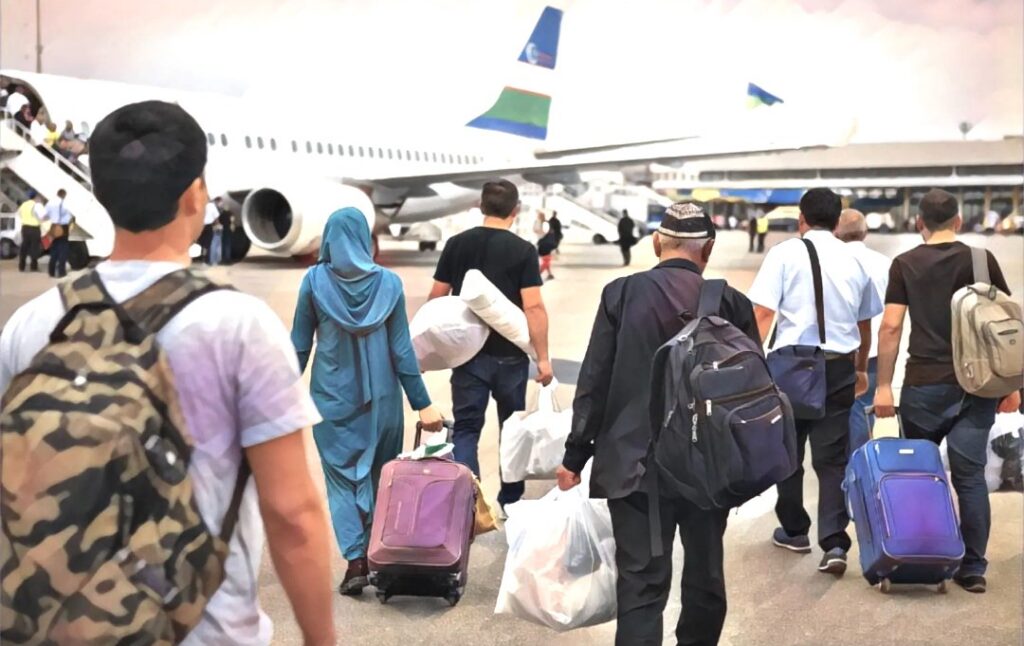
Some 65 Uzbekistani nationals have returned to Uzbekistan after being deported from the United States because they didn’t have legal authorization to be there, according to the U.S. government.

The deportation flight concluded on Wednesday, in “the latest in a series of ongoing actions as the United States secures its borders,” the U.S. Embassy in Uzbekistan said.

The embassy said the United States had deported more than 1,000 Uzbekistanis since President Donald Trump took office for a second term in January 2025. As it has done following previous deportations, the agency thanked Uzbekistan for its “close cooperation.”

Trump launched an immigration crackdown, and Uzbekistan has urged its citizens in the United States to follow local laws. After one deportation flight last year, Uzbekistan said it had funded the transportation but later said its repatriated citizens should pay for their travel.

The Children of Kazakhstan Concept: Reality and Barriers to Implementation

The 2026-2030 Children of Kazakhstan Concept, approved by the Kazakh government, introduces new standards for the protection of children’s rights. The document is largely based on modern international approaches to social policy. However, its implementation may face a number of systemic barriers characteristic of Kazakhstan’s institutional environment.

Honest Acknowledgment of Problems

The authors of the concept do not attempt to downplay existing challenges. The document openly recognises serious issues in the field of child protection.

In 2024, 2,693 crimes against minors were registered. In 2025, the figure stood at 2,603. Of these, nearly 900 cases involved sexual abuse. Particularly alarming is the fact that 60-70% of such crimes are committed by individuals close to the child, including parents, stepfathers, relatives, or neighbours.

Another critical issue is the mental health of adolescents. Kazakhstan remains among the countries with high rates of youth suicide. According to psychologists cited in the Kazakh media, over the past two years, approximately 300 suicides among children have been recorded nationwide, while nearly 600 more adolescents have attempted suicide.

The scale of the problem is reflected in the workload of the 111 national contact centre. In 2025, the service received 145,000 calls and 121,000 text messages. The high volume of messages sent via QR codes suggests that many children find it psychologically easier to report abuse in writing than in person.

The state also acknowledges shortcomings in the healthcare system. Children’s hospitals face shortages of medical equipment, particularly in intensive care units. The situation is most difficult in remote regions, where insufficient equipment can directly affect children’s chances of survival in emergency situations.

Another serious concern is the shortage of specialists. Kazakhstan lacks sufficient numbers of child psychiatrists and clinical psychologists. The deficit is particularly acute in regional areas. At the same time, many parents conceal their children’s psychological problems for fear of social stigma, leading to delayed diagnosis and complicating suicide prevention efforts.

Staff Shortages Versus High Standards

The concept emphasises early prevention. One of its key instruments is a case-management mechanism involving individual support for families and children by trained specialists.

The intention is to shift from crisis response to systematic preventive work.

However, the implementation of this model faces serious limitations. The main challenge is the acute shortage of personnel and insufficient levels of professional training among specialists in the field.

Independent experts point to systemic weaknesses in the training of psychologists. Many public-sector employees lack the qualifications required to work with adolescents experiencing severe psychological distress. In addition, the professions of school psychologist and social pedagogue remain poorly paid. Experienced specialists often move to the private sector, where salaries can be three to four times higher.

Digitalization Outpacing Infrastructure

The government is placing a significant emphasis on digital tools. One of the flagship initiatives is the FSM Social system, known as the Digital Family Map. The system analyses dozens of socio-economic indicators and is designed to identify families at risk. However, digitalization is currently outpacing infrastructure development. Analysts caution that digital systems cannot substitute for trained social workers and psychologists.

A significant urban-rural divide also persists. Many vulnerable families live in remote villages where stable internet access remains limited. Even when the system identifies a child at risk, local support may be unavailable due to the lack of qualified personnel.

Access to paediatricians, psychologists, and speech therapists in rural areas remains limited. Despite government incentive programmes, young professionals often leave villages because of challenging working conditions.

Blurred Responsibilities

Another risk relates to interagency coordination. Several government bodies are involved in implementing the concept, including the ministries of education, healthcare, labour and social protection, internal affairs, and regional administrations. Such a system of collective responsibility can create coordination challenges. Different agencies maintain separate databases and operational procedures, increasing the risk of responsibility being shifted between institutions.

This is particularly problematic in complex cases such as preventing juvenile crime or suicide, which require coordinated action by law enforcement, schools, and healthcare providers. Funding remains an additional barrier. Many practical measures under the concept are assigned to local executive authorities. At the same time, funding is expected to come primarily from local budgets within planned expenditure limits. This means that additional allocations from the republican budget may not always be available. Regional budget capacities in Kazakhstan vary significantly: out of twenty regions, only three are net contributors, while the rest depend on subsidies.

In such circumstances, many initiatives risk being financed on a residual basis, potentially leading to delays or reduced implementation quality. The system for evaluating performance presents a separate concern.

A key indicator of the programme’s success will be the Child Well-Being Index, a composite measure of minors’ quality of life. At the beginning of 2026, the index stood at 61.5 points. By 2030, the authorities aim to increase it to 68 points.

However, strict targets may encourage formal compliance rather than substantive improvements. There is a risk of “paper KPIs,” whereby regional authorities focus on improving statistical indicators without achieving meaningful change.

Between Strategy and Practice

The Children of Kazakhstan Concept for 2030 sets an important and humanitarian direction for social policy development. The document reflects international standards and accurately identifies many existing challenges. However, the practical feasibility of the concept remains uncertain.

Its success will depend less on formal digital mechanisms and more on local political will, stronger interagency coordination, and genuine investment in human resources.

Without raising the status and salaries of social workers, school psychologists, and child mental-health specialists, achieving the programme’s objectives may prove extremely difficult.

Tajik Police to Patrol Dushanbe on Electric Scooters

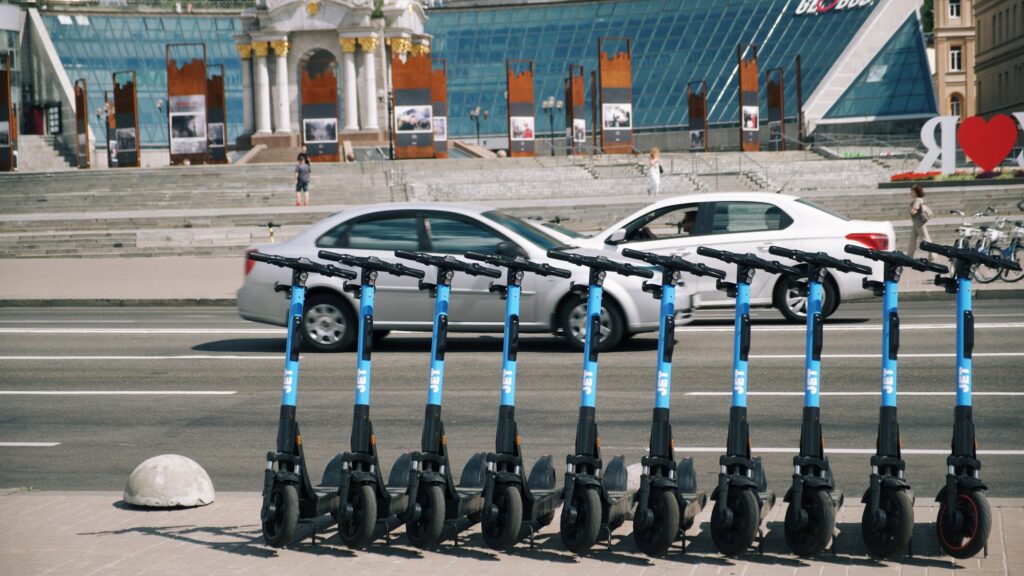
Police officers in Dushanbe have been equipped with electric scooters to patrol the streets of the Tajik capital.

The Ministry of Internal Affairs said the initiative is intended to improve police efficiency and strengthen public safety.

“In order to enhance security and maintain public order, police officers in the capital have been provided with electric patrol scooters,” the ministry said in an official statement.

The new scooters are fitted with special equipment required for law enforcement duties, including signal beacons and sound systems.

According to the ministry, the scooters can travel up to 100 kilometers on a single charge, making them suitable for daily patrols.

“In the future, police officers in the capital will use these scooters in public spaces. This will help improve the effectiveness of police work and contribute to a greater sense of safety among residents,” the statement added.

The use of compact electric transport in policing is becoming increasingly widespread. Such solutions enable officers to move more quickly in pedestrian areas, parks, and crowded locations where the use of patrol cars may be impractical.

A similar approach has already been tested in Kazakhstan. At the end of August 2025, a large-scale operation was conducted in Almaty to monitor compliance with regulations on electric scooter use. Fifty police officers on electric scooters took part.

The Almaty Police Department said that using this type of transport allowed officers to respond more quickly to offenses.

According to police representatives, electric scooters help officers operate efficiently in crowded areas and in locations that are difficult for vehicles to access, while also facilitating preventive engagement with the public.

Officials say that the pilot initiative was successful. Following the initial operations, discussions began on the possibility of introducing electric transport as a permanent feature of urban policing.

China to Fund Construction of Nine Border Facilities in Tajikistan Near Afghanistan

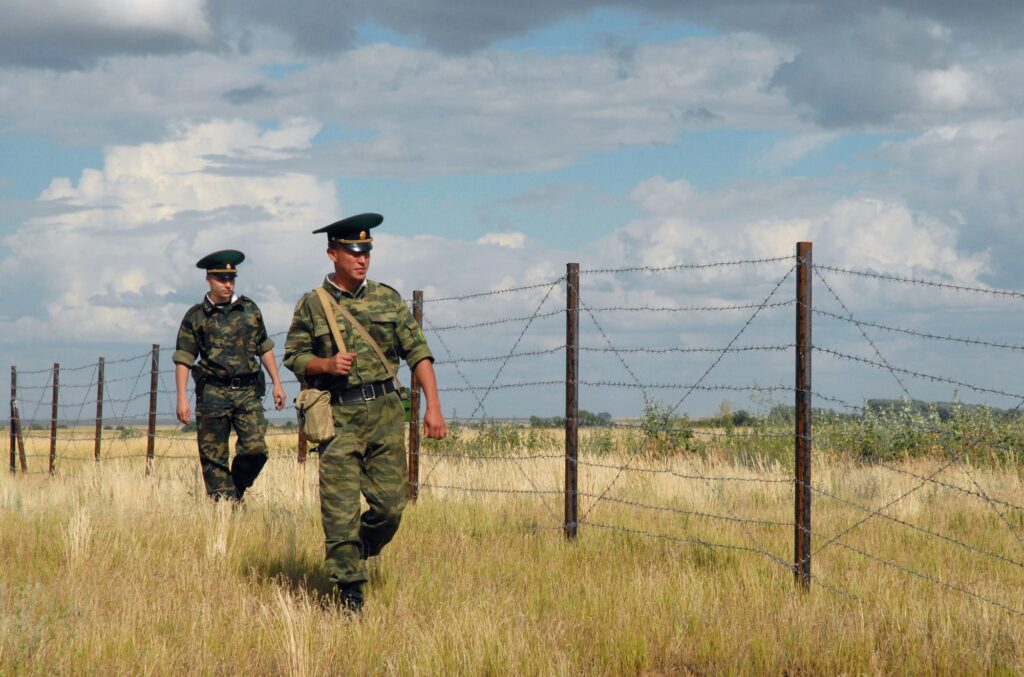
China will finance the construction of nine border facilities in Tajikistan’s frontier regions with Afghanistan, according to a project approved by Tajik lawmakers earlier this month.

The plan was reviewed and adopted during a March 4 session of the Majlisi Namoyandagon, the lower house of Tajikistan’s parliament, Asia-Plus reported.

The construction project, valued at more than 550 million Tajikistani somoni (approximately $57,425,000), will be fully funded by the Chinese government. In turn, Tajikistan will exempt the project from taxes, customs duties, and other mandatory payments.

According to Muradali Rajabzoda, first deputy chairman of Tajikistan’s State Committee for National Security, the initiative is intended to strengthen the logistical and technical capabilities of the country’s border forces. Speaking during the parliamentary session, Rajabzoda said the project would be implemented in three phases, with exchange letters already signed to launch the second stage.

The total construction area of the facilities is expected to reach 17,109 square meters. Rajabzoda said the Chinese government would provide the financing “on a grant basis,” meaning the funds will not need to be repaid.

Although authorities have not disclosed the precise locations of the planned installations, they confirmed that the facilities will be built in Tajikistan’s border regions with Afghanistan.

According to Bahriddin Ziyoi, a member of the parliamentary committee on law enforcement, defense, and security, the Chinese side will also carry out research and design work related to the project. In addition to financing construction, China is expected to supply equipment, building materials, and engineering specialists.

Chinese engineers will travel to Tajikistan to install and configure technical systems at the sites. The project will also include office and residential furnishings, computers, and other equipment necessary for operating the facilities.

Infrastructure development will form another component of the plan. China will assist in building access roads to the border facilities and installing water supply, drainage systems, and electricity connections.

Funding from Beijing is expected to begin after internal procedures in China are completed. Tajik authorities say the exchange letters governing the project were approved by the government in November 2025 and later submitted to parliament following consultations with relevant ministries and agencies. Officials also stated that the documents underwent an anti-corruption review and no risks were identified.

The new facilities follow earlier cooperation between the two countries. According to Tajik security officials, 12 border installations were constructed in 2017-2018 in Tajikistan’s frontier areas with Afghanistan with financial support from China.

Security cooperation between the two countries has previously drawn international attention. In 2024, the British newspaper The Telegraph reported that China had built a secret military base in Tajikistan, citing satellite imagery and describing a facility in mountainous terrain where Chinese and Tajik forces allegedly conducted joint exercises.

Tajik authorities have repeatedly rejected those claims. The Ministry of Foreign Affairs has stated that reports about a Chinese military base on Tajik territory “do not correspond to reality,” adding that the issue has not been part of bilateral discussions between the two countries.

China and Tajikistan have expanded security cooperation over the past decade, particularly along the Afghan border. In 2016, the two countries signed a security agreement aimed at strengthening coordination against regional threats following political changes in Afghanistan. Officials say the partnership includes bilateral mechanisms as well as cooperation through international organisations.

Kyrgyzstan Launches Electronic Queuing System for Trucks at China Border

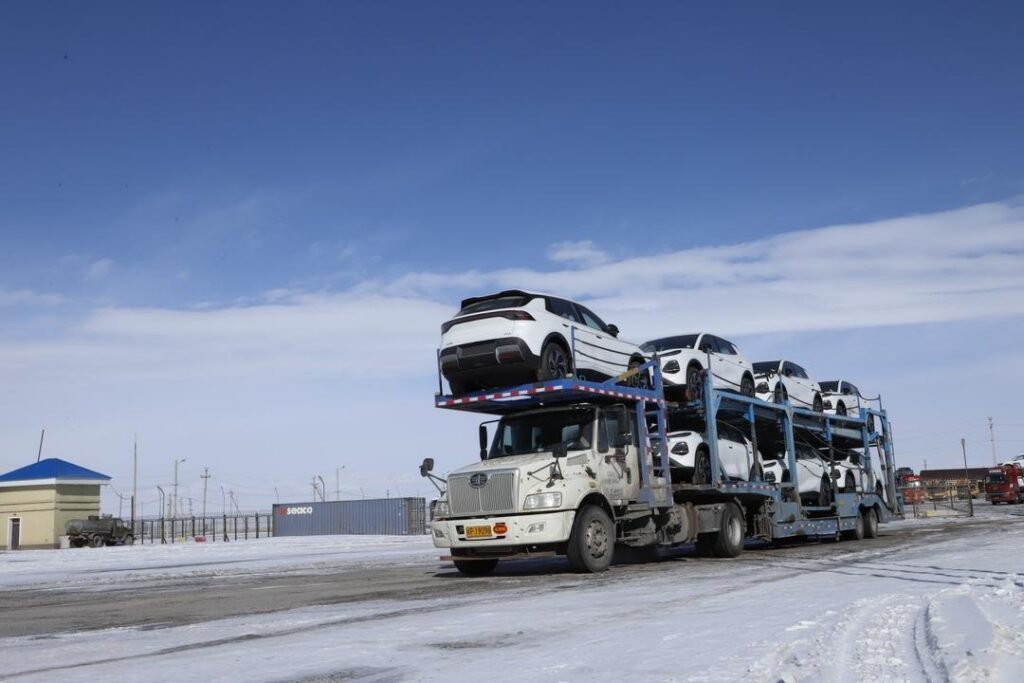
Kyrgyzstan’s State Customs Service has launched a pilot electronic queuing system for trucks at the Torugart border crossing in the Naryn region on the Kyrgyz-Chinese border.

According to the Customs Service, the system is designed to streamline truck flows and reduce congestion that previously formed near the crossing. Queues of heavy vehicles sometimes stretched for up to 25 kilometres, placing significant strain on road infrastructure and negatively affecting the environment around Lake Chatyr-Kul.

The new system allows transport operators to pre-register trucks for border clearance. Vehicles are directed to the checkpoint from a designated waiting area in accordance with their place in the electronic queue.

In addition, a new waiting facility for drivers and representatives of transport companies has been opened at the crossing.

Torugart is currently undergoing modernisation. Planned upgrades include the expansion of checkpoint territory, installation of modern non-intrusive inspection equipment, increased throughput capacity, and the construction of additional parking areas.

The initiative is aimed at improving the efficiency of the crossing amid growing trade turnover between Kyrgyzstan and China.

According to Chinese Ambassador to Kyrgyzstan Liu Jiangping, bilateral trade reached a record $27.2 billion in 2025, representing a 20% increase compared with the previous year.

Torugart is one of Kyrgyzstan’s two fully operational road crossings with China, alongside the Irkeshtam checkpoint in the Osh region.

In September 2024, Kyrgyzstan opened a third road crossing with China. The Bedel checkpoint, initially launched under a simplified regime, is located in a remote mountainous area roughly equidistant from Karakol in Kyrgyzstan and Aksu in China. Its full-scale development with infrastructure meeting international standards is expected to be completed by 2027.