• KGS/USD = 0.01144 0%
  • KZT/USD = 0.00194 -0%
  • TJS/USD = 0.10833 -0.09%
  • UZS/USD = 0.00008 0%
  • TMT/USD = 0.28490 0%
  • KGS/USD = 0.01144 0%
  • KZT/USD = 0.00194 -0%
  • TJS/USD = 0.10833 -0.09%
  • UZS/USD = 0.00008 0%
  • TMT/USD = 0.28490 0%
  • KGS/USD = 0.01144 0%
  • KZT/USD = 0.00194 -0%
  • TJS/USD = 0.10833 -0.09%
  • UZS/USD = 0.00008 0%
  • TMT/USD = 0.28490 0%
  • KGS/USD = 0.01144 0%
  • KZT/USD = 0.00194 -0%
  • TJS/USD = 0.10833 -0.09%
  • UZS/USD = 0.00008 0%
  • TMT/USD = 0.28490 0%
  • KGS/USD = 0.01144 0%
  • KZT/USD = 0.00194 -0%
  • TJS/USD = 0.10833 -0.09%
  • UZS/USD = 0.00008 0%
  • TMT/USD = 0.28490 0%
  • KGS/USD = 0.01144 0%
  • KZT/USD = 0.00194 -0%
  • TJS/USD = 0.10833 -0.09%
  • UZS/USD = 0.00008 0%
  • TMT/USD = 0.28490 0%
  • KGS/USD = 0.01144 0%
  • KZT/USD = 0.00194 -0%
  • TJS/USD = 0.10833 -0.09%
  • UZS/USD = 0.00008 0%
  • TMT/USD = 0.28490 0%
  • KGS/USD = 0.01144 0%
  • KZT/USD = 0.00194 -0%
  • TJS/USD = 0.10833 -0.09%
  • UZS/USD = 0.00008 0%
  • TMT/USD = 0.28490 0%
10 December 2025

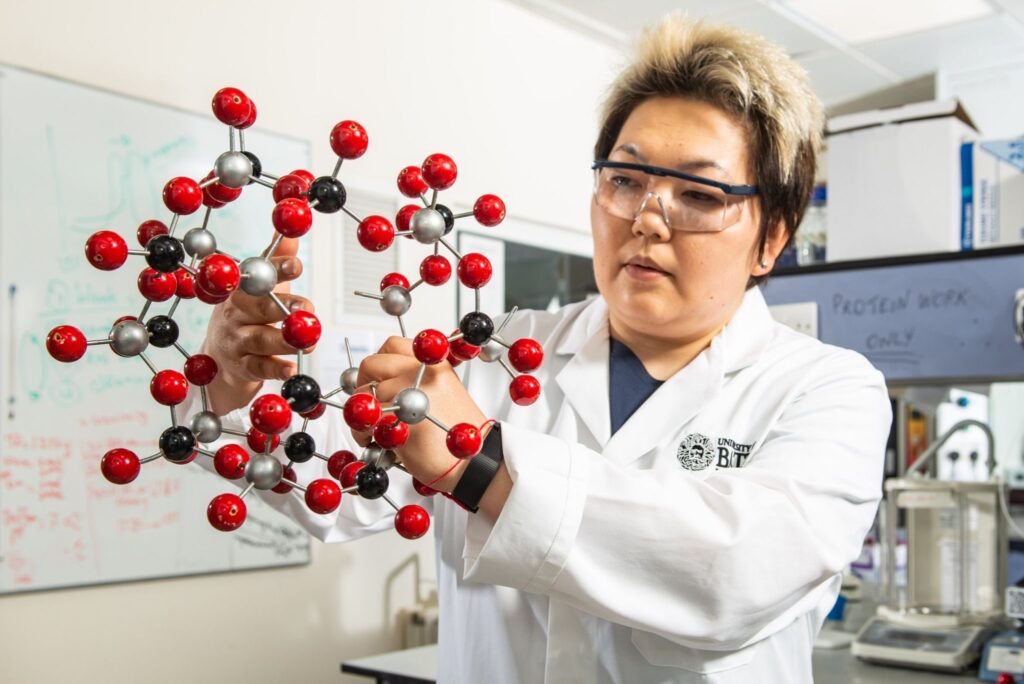
Meet the Kyrgyz Woman Behind the Vaccine Revolution

COVID-19 exposed numerous challenges humanity has yet to address, with one of them being directly related to tackling potential future pandemics.

A key aspect of this is vaccines, which have to be transported in refrigerated units. This allows them to maintain their effectiveness and safety, the so-called “cold chain infrastructure” saving them from becoming unusable. This complex transportation requirement, however, results in millions of people missing out on potentially life-saving vaccines. But does it have to be this complicated?

“Motherhood changes people, irreversibly. For me it was not just becoming a parent, but it also influenced the direction of my research,” Asel Sartbaeva wrote in her 2018 article, ‘Vaccines: The End of the Cold War?’ “When my daughter was only a few days old, I took her to the doctors to be vaccinated with the BCG vaccine (against tuberculosis). The doctor took the vaccine out of the fridge and administered it directly. That’s when I asked: ‘why must vaccines be refrigerated?’ and then the natural follow-up question, ‘can I help to make them stable at room temperatures?’”

Born and raised in Kyrgyzstan, Asel Sartbaeva “currently wears several hats”, as her LinkedIn profile says. She is an award-winning interdisciplinary chemist, Reader in Chemistry (Associate Professor) at the University of Bath, and the first Central Asian to obtain a PhD from University of Cambridge. Sartbaeva is also the CEO and Co-Founder of EnsiliTech, a startup with a technology that allows vaccines and other biopharmaceuticals to be stored and transported at room temperature.

EnsiliTech was launched in 2022 as a project at the University of Bath, and was built on over a decade of Sartbaeva’s research into ensilication – the technique of fitting vaccine components with a silica coat to stop them from spoiling outside of refrigerated temperatures.

In December 2022, EnsiliTech successfully raised £1.2 million in an oversubscribed pre-seed funding round led by Science Angel Syndicate and the Fink Family Office with co-investment from QantX, Elbow Beach Capital, angel investors and Innovate UK. In 2023, the startup won a £1.7 million grant from the British government’s Department of Health and Social Care to develop the first thermally stable mRNA vaccine in the world, to combat Hantavirus, which is found in Asia and South America. In the same year, the new startup attracted their first customer, a Global Top 10 animal vaccine company based in the EU, which paid EnsiliTech to thermally stabilise three of their vaccines. Currently, Ensilitech is planning to licence their ensilcation technology to several customers and internally developing thermally stable vaccines and antibodies.

Along with her scientific and business goals, Sartbaeva is also passionate about the wider participation and girls and the women’s empowerment movement. “We need to show girls that science isn’t boring and is a great choice for girls who have a natural passion for science,” she says.

In 2021, Sartbaeva became the ambassador for UNICEF’s Girls in Science programme, launched in 2020 to empower 500 girls from new settlements and rural areas so they could excel in science, technology, engineering and math, and bolster their career opportunities. Sartbaeva is a role model for young Kyrgyz women interested in science and tech along with many others building their companies in a still hostile, patriarchal world. In 2019, Sartbaeva hosted the team of girls building the first Kyrgyz satellite, who met scientists from the University of Bath. Sartbaeva will return to Bishkek for the Central Asia Startup Cup 2025 tech conference as one of its keynote speakers later this month.

Last month EnsiliTech was awarded a prestigious grant for £1.4 million from Innovate UK, the UK’s innovation agency, under the Sustainable Medicines Manufacturing Innovation Programme. The grant will further support the development and implementation of the startup’s ensilication technology; it will also allow it to explore the potential patient benefits of ensilicated antibody therapies, which allow for subcutaneous rather than intravenous administration, reducing the pressure on healthcare systems and enabling more therapies to be administered in home settings.

The company is now raising a £3.5 million seed round to further refine its revolutionary technology. “The new funding is critical because we want to create bespoke vaccines, fully developed by us, so we can offer a thermally stable vaccine which is completely free of refrigeration,” Sartbaeva stated earlier this year.

“Removing the dependence [on refrigeration] will have a truly game-changing impact on our ability to distribute vaccines all around the globe, and can help save millions of people.”
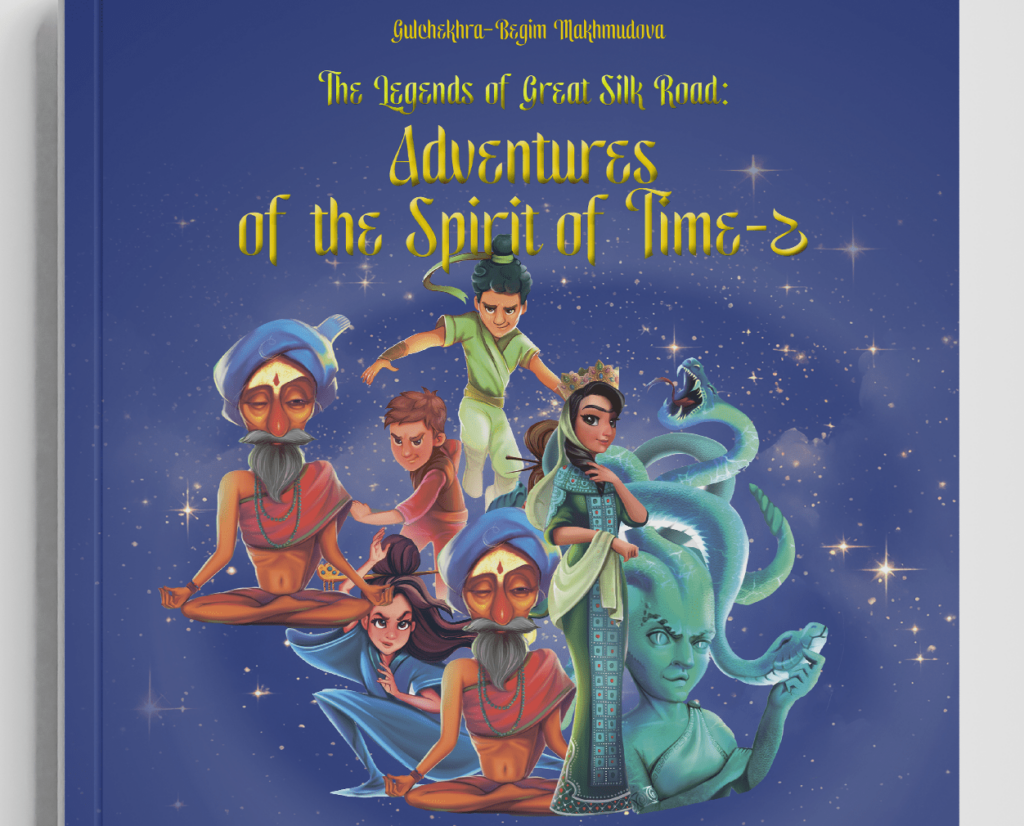

Adventures of the Spirit of Time: Exploring History and Imagination Through Silk Road Legends

Uzbek author Gulchekhra-begim Makhmudova’s four-part children’s book series, Adventures of the Spirit of Time, explores themes of history, legend, and imagination. Published in Russian between 2021 and 2022, the series gained popularity in Uzbekistan and received the Hertfordshire Press Award for Best Adaptation for Children in 2024. This recognition highlighted its creative storytelling, emphasis on cultural heritage, and educational value. The series is now available worldwide in English through Hertfordshire Press.

The narrative follows four characters, Amir, Salma, Tohir, and Zuhra, as they uncover a magical well and awaken a mystical entity called the Spirit of Time. Guided by this spirit, the group embarks on adventures through various eras and locations, including historical and mythical settings along the Silk Road and beyond. Combining elements of fantasy, science fiction, and history, the series addresses themes of friendship, bravery, and identity, while introducing readers to Central Asian folklore and cultural traditions.

The books feature illustrations by Zilola Khamidova, which depict the Silk Road’s cultural and historical richness with vivid detail. The English edition preserves the authenticity of the original work while ensuring accessibility for international readers. Adventures of the Spirit of Time offers an engaging way for young readers to explore Central Asian heritage and timeless stories of human exploration and connection.

Tokayev Moves to Reclaim Kazakhstan’s Energy Future

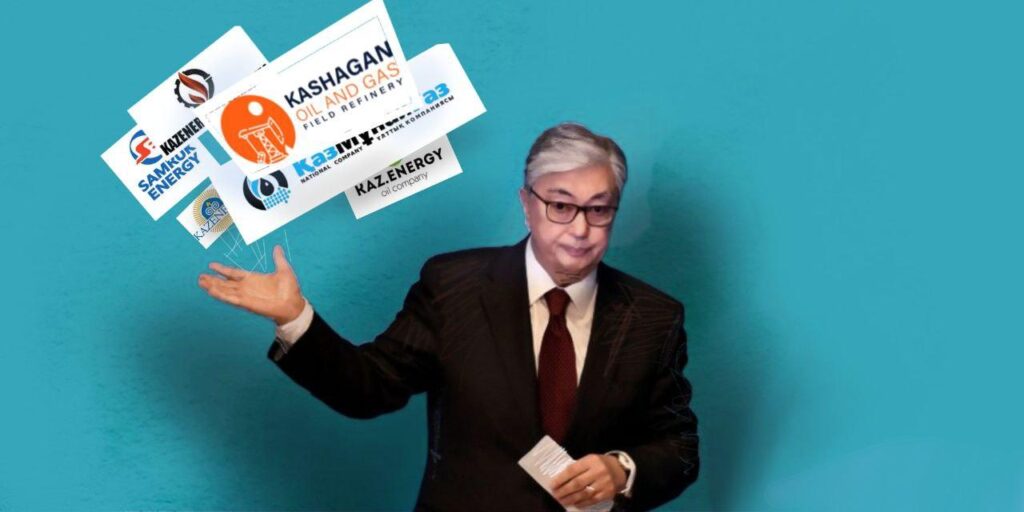
In January 2025, Kazakhstan’s President Kassym-Jomart Tokayev instructed the government to seek revisions to the nation’s production-sharing agreements (PSAs). The first known result of that directive has now surfaced, with the International Consortium of Investigative Journalists (ICIJ) publishing a report regarding a confidential interim ruling in an arbitration case. According to this information, Kazakhstan is pursuing a $160 billion claim against the North Caspian Operating Company (NCOC), the consortium managing the Kashagan oil field. The ruling states that after royalty payments, NCOC receives 98% of remaining revenue from Kashagan’s output.

The document concerns a narrower environmental dispute, but the 98% figure alters the landscape. The contract in question dates to the 1990s, when Kazakhstan — newly independent, fiscally constrained, and eager for technical expertise — entered into deals that prioritized attracting investment over securing long-term national benefit. The government now argues that those historical constraints no longer apply, while the revenue-sharing terms remain effectively frozen in place. Rather than seek unilateral redress or executive override, Tokayev’s administration has turned to arbitration. The venue, the Permanent Court of Arbitration in The Hague, and the legal framing mark a continuation of Kazakhstan’s methodical approach to reasserting national interests in its domestic political economy.

This latest move cannot be understood as an isolated decision. It reflects a trajectory of state behavior extending back three decades. In the early 1990s, when Chevron’s bid for Tengiz was effectively imposed as a condition for U.S. bilateral assistance, Kazakhstan lacked both the leverage and the institutional competence to resist — a dynamic I analyzed in detail at the time. Chevron’s refusal to direct more than a token amount of investment to social infrastructure nearly sank the agreement. A similar dynamic surrounded the financing and structuring of the Caspian Pipeline Consortium (CPC). Kazakhstan’s attempts to assert greater influence were often thwarted, not least by the asymmetry of legal expertise and negotiating experience.

That imbalance began to shift by the early 2000s. The creation of KazMunaiGas (KMG) in 2002 consolidated the state’s participation in the energy sector and enabled its strategic action to become more coordinated. By 2003, Kazakhstan was insisting on conformity with international accounting standards at Tengiz, not only to ensure transparency but also to block attempts by foreign operators to defer investment obligations. Environmental enforcement became more assertive as well, with fines imposed on Tengizchevroil for massive open-air sulfur storage, a practice that had long provoked public concern.

The Kashagan field, discovered in the late 1990s and described as the largest oil find since Alaska’s Prudhoe Bay in 1968, became the focal point of these tensions. From the outset, Kazakhstan’s participation in the consortium was marginal. A restructuring of the consortium in the early 2000s brought KMG back in, but cost overruns and delays continued. By 2007, the government had suspended work at Kashagan, citing both ecological violations and spiraling expenditures, in a sequence of events I traced contemporaneously during the legislative and consortium restructuring that followed. Amendments to the Law on the Subsurface followed, granting the state powers to amend or annul contracts deemed contrary to national interest. While controversial, the law reflected a calculated decision to build formal mechanisms for contract rebalancing into the legal order itself.

Tokayev’s current move falls into that tradition. His January statement calling for “better terms” carried forward the logic of legal assertiveness, now deployed through international mechanisms. The arbitration claim, while formally limited to a specific set of grievances, points to a broader contention: the revenue model governing one of the country’s most significant strategic assets no longer corresponds to the political economy of the present. Analysis by the local energy consultancy EXia suggests, according to the ICIJ report, that between 2016 and 2023, Kazakhstan received $5.4 billion in revenue from Kashagan, while the consortium sold an estimated $55 billion in oil. The development cost, while high, does not fully explain the persistence of such a skewed distribution into the present day.

Astana has moved deliberately but not provocatively. There have been no statements denouncing foreign companies, and no sudden regulatory seizures. The claim has been brought under standard rules of arbitration and is being conducted behind closed doors. Even when TotalEnergies and Eni dismissed the case as lacking merit, and NCOC called the associated environmental fines a “cash grab,” the official response remained restrained. Tokayev’s team appears to be betting on procedural legitimacy to rebalance the terms without destabilizing the investment climate.

Domestically, the 98% figure has resonance. For years, Kazakhstan’s public has questioned the lack of transparency around major resource contracts. The Kashagan, Tengiz, and Karachaganak agreements remain unpublished, contributing to an atmosphere of suspicion. The new information makes visible what many long suspected: that the state’s share in key resource flows is far smaller than what many citizens regard as fair. Tokayev’s arbitration initiative meets this discontent with an institutional response. It signals that sovereign national interests can be pursued through legal reform rather than rhetorical confrontation.

Such a posture has precedent. In a case around the Karachaganak gas field in northwest Kazakhstan, the government used a combination of environmental fines, tax assessments, and procedural leverage to secure a 10% equity stake for KMG in 2012. This followed delays in development with rising costs and regulatory disputes that created pressure points. To that situation, the government of the day responded with structured, often multi-phase negotiations. Adjustments to equity shares or managerial structures then followed. The current arbitration, while involving a different mechanism, follows a similar arc.

The companies and other critics have suggested that Kazakhstan’s evolving stance reflects a drift toward resource nationalism. This is an oversimplification that overlooks the layered administrative learning process that I described in a 2012 study of Kazakhstan’s legal and institutional strategy. Critics have suggested that Kazakhstan’s evolving stance reflects a drift toward resource nationalism.  The 2012 legal reforms, including the Law on Production Sharing Agreements and the revised subsoil legislation, were not tools of expropriation. They were responses to a legal and administrative environment increasingly capable of enforcing domestic standards. The model contracts, tax code reforms, and clearer arbitration frameworks that emerged in the 2000s aimed to give the state — not just the companies — a basis to defend its interests.

Tokayev’s administration inherited that framework. Its use of arbitration reflects not weakness but confidence. It demonstrates a belief that Kazakhstan’s legal footing is strong enough to bear international scrutiny. Moreover, in contrast to earlier decades, the government is now able to marshal detailed evidence, financial data, and expert analysis to support its case. That capacity alone is a marker of institutional change in domestic governance.

Whether the claim succeeds is less important than what it represents. It is an implementation of Tokayev’s declared policy to “strengthen the economy and society”, distributing benefits of extraction among the country’s citizens, in consonance with the demands of domestic legitimacy, rather than guarding them in the hands of a few hundred oligarchs as the old regime did. The new strategy avoids the drama of contract annulment while still asserting the right to redress. It is the expression of a continuing concern under changed conditions.

Deputy Akim of Shymkent Shot and Wounded

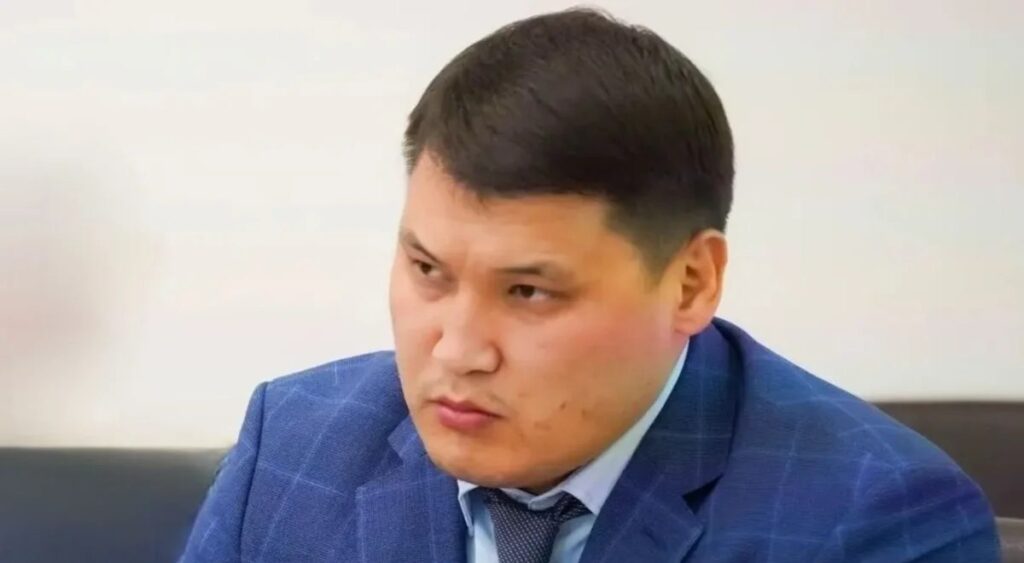
On the evening of April 21, Ruslan Berdenov, Deputy Akim of Shymkent, was shot and wounded in an apparent assassination attempt near the city hall. The incident occurred under unclear circumstances and has sparked widespread public attention and speculation.

Preliminary reports indicate that Berdenov was hit three times by a Saiga-12 shotgun. The suspect, who was detained at the scene, was confronted by Berdenov’s driver, who reportedly accelerated the vehicle to subdue the attacker.

“The assailant waited near the Akimat and shot at close range when the official exited the building. The driver intervened by striking the shooter with the car,” journalist Mikhail Kozachkov reported on Telegram.

Suspect Identified as State Employee

According to the Telegram channel Letters to the President, the suspect has been identified as 30-year-old Zhienbai Yernar Zhienbayuly, a specialist at Turgyn Shymkent LLP, which operates under the Akimat. He is reported to be a subordinate of Berdenov. A criminal investigation has been launched under charges of attempted murder.

Berdenov sustained gunshot wounds to his right thigh and shoulder. The city’s health department stated that as of the morning of April 22, he had regained consciousness and was in a stable but serious condition.

Speculation Over Motives

Following the attack, various unverified theories were circulating on social media, with one suggesting the motive was personal jealousy. However, this was publicly denied by Berdenov’s business partner, Beibit Alibekov, who described the rumors as fabrications. Alibekov suggested instead that the incident may be linked to Berdenov’s recent anti-corruption efforts in the construction sector.

The Akimat also rejected claims that the suspect’s wife had been harassed by Berdenov, stating that such allegations “do not correspond to reality.”

The Respublica Party, of which Berdenov is a member, urged caution, stating that “any premature assessments can be regarded as interference in the investigation.” The party emphasized its stance that “violence in any form is unacceptable.”

Law enforcement agencies have confirmed that the investigation is ongoing and all circumstances surrounding the attack are being examined.

Ruslan Berdenov was appointed Deputy Akim of Shymkent in February 2025. Before that, he served as a deputy in the Mazhilis, the lower house of Kazakhstan’s Parliament, where he worked on the Finance and Budget Committee. A native of Shymkent, Berdenov is 39 years old and fluent in Kazakh, Russian, English, Turkish, and Azeri.

Dr. Atakan Varol: Kazakhstan Should Play an Active Role in Shaping the Future of AI

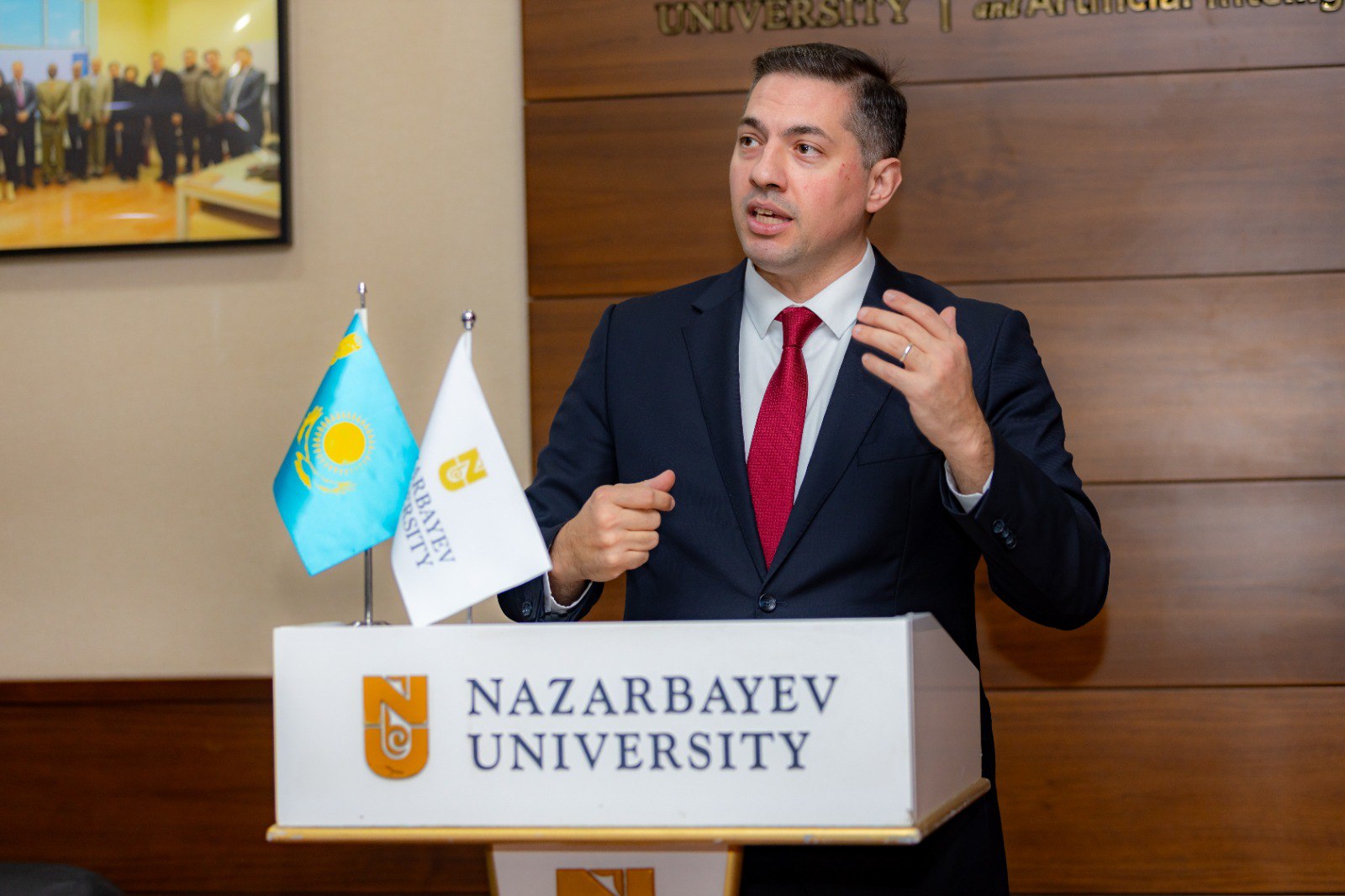
The Times of Central Asia spoke with Dr. Hussein Atakan Varol, a professor of robotics and PhD in electrical engineering, who serves as General Director of the Institute of Smart Systems and Artificial Intelligence (ISSAI) at Nazarbayev University (NU). Dr. Varol discusses ISSAI’s research initiatives, the role of artificial intelligence (AI) in Kazakhstan, and the country’s potential to lead in AI innovation.

ISSAI’s Mission and Collaborations

TCA: What is the mission of ISSAI, and what are its key focus areas?

Varol: At ISSAI, our mission is to conduct cutting-edge AI research and develop practical, impactful solutions that benefit Kazakhstan and the broader global community. We specialize in large-scale generative AI models, speech recognition, computer vision, and AI infrastructure. Our goal is to establish sovereign AI capabilities in Kazakhstan, minimizing dependence on external technologies while maintaining a strong ethical foundation. All our research adheres to principles of “AI for Good” and “AI for Kazakhstan,” ensuring that developments remain responsible and socially beneficial.

TCA: How does ISSAI collaborate with the public sector, private companies, and international organizations?

Varol: We actively engage with government agencies, local businesses, and global AI research institutions. Our partnerships focus on AI model development, data collection, and deploying AI-driven solutions. Access to computational resources remains a key challenge, and we collaborate strategically to secure the infrastructure needed to scale AI projects in Kazakhstan.

Notable Projects and Local Impact

TCA: What are some of ISSAI’s most promising current developments?

Varol: A highlight is SoyleApp, which provides real-time speech recognition, text-to-speech, and multilingual translation. It has vast potential in education, public services, and cross-language communication.

We’ve also developed the Mangitas 01 Inference Server, a vital step for Kazakhstan’s AI ecosystem. In the absence of AI supercomputers, we built Mangitas 01 using commercial off-the-shelf components, allowing local deployment of AI models with enhanced data security. We’re now working on expanding this line to support our Oylan language-vision model, paving the way for more advanced multimodal AI applications.

TCA: Have ISSAI’s solutions been successfully implemented in Kazakhstan?

Varol: Yes. SoyleApp is being integrated into governmental and enterprise systems to improve accessibility for Kazakh-speaking users. Mangitas 01 serves as a prototype for local AI infrastructure, enabling organizations to operate AI systems within Kazakhstan, enhancing both data protection and performance.

TCA: How does the local context influence your AI development?

Varol: Kazakhstan’s linguistic and cultural diversity demands AI systems capable of understanding and producing content in Kazakh, Russian, and other regional languages. We’ve created tailored datasets and models to meet these needs. Moreover, the country’s limited AI infrastructure has led us to focus on efficient and scalable solutions like Mangitas 01.

Dr. Atakan Varol; image: NU.edu

The Future of AI and Kazakhstan’s Role

TCA: How do you see AI evolving over the next 5-10 years?

Varol: The next leap is toward multimodal and sparse generative models that handle text, images, and audio simultaneously. With proper investment, Kazakhstan can contribute meaningfully to this frontier. We’re also exploring edge AI, which enables powerful AI models to run locally on devices like smartphones, improving both privacy and resilience. The emergence of humanoid robots driven by advanced AI will further transform the service and manufacturing sectors.

TCA: What are the main challenges and risks of AI adoption?

Varol: Our biggest challenge is the lack of high-performance computing infrastructure. Even if we develop leading AI models, deploying them is hindered without supercomputers. This dependency on foreign providers can be politically risky.

Automation is another concern, as AI disrupts sectors like law, journalism, and programming. That’s why workforce adaptation is critical. We must equip professionals to work alongside AI, and generative AI literacy will be essential to Kazakhstan’s technological leadership.

TCA: How is ISSAI helping to build AI talent in Kazakhstan?

Varol: We’re committed to training the next generation of AI researchers, data scientists, and engineers. Through educational programs, workshops, and internships, we provide hands-on opportunities for students. One of our flagship efforts is the ISSAI Summer Research Program (SRP), which brings together students from the University of Pennsylvania, NU, and universities across rural Kazakhstan. It fosters cross-cultural collaboration and real-world research experience.

Personal Perspective

TCA: Which AI trends excite you the most?

Varol: Multimodal AI is incredibly promising; systems that seamlessly integrate text, images, and audio will define the next era of innovation. We’re actively developing in this area with Oylan and a new sparse multimodal model.

Another breakthrough is in sparse model architectures, like DeepSeek’s mixture-of-experts approach, which activates only select model parameters, improving efficiency while maintaining performance, crucial for Kazakhstan’s limited resources.

We’re also intrigued by the move beyond token-based models, toward architectures built on latent embeddings. This could reduce data and energy needs, aligning with Green AI principles. Sustainability must be a core tenet of future AI development.

TCA: What advice do you have for aspiring AI researchers and engineers?

Varol: Focus on solving real-world problems. Kazakhstan’s unique linguistic and infrastructural challenges create fertile ground for innovation. Stay curious and adaptable, this field changes fast, and success comes from ongoing learning and experimentation.

While studying abroad is valuable, excellent education and research opportunities exist within Kazakhstan, particularly at NU. Many of our top contributors are Kazakhstani students and international collaborators working together. AI is a global discipline, and diversity is its strength.

Pope Francis Championed Central Asia’s Role in Promoting Peace in a Multicultural Region

Pope Francis was a tireless advocate for peace and dialogue on the global stage, spotlighting Central Asia not as a zone of conflict but as a unique crossroads of cultures, religions, and geopolitical influence—an embodiment of tolerance and coexistence.

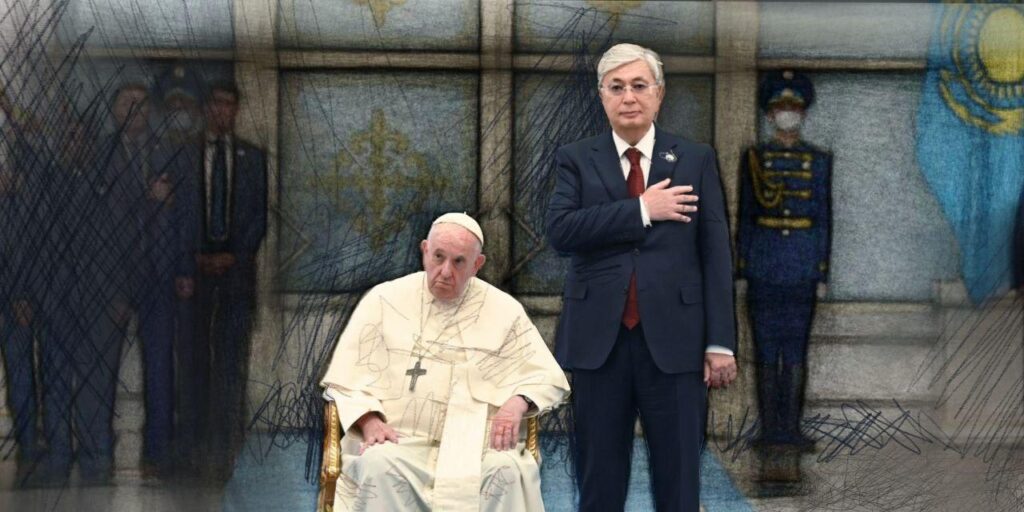
In 2022, amidst the escalating Russia-Ukraine war and rising geopolitical tensions, Pope Francis made a historic pastoral visit to Kazakhstan to attend the Congress of Leaders of World and Traditional Religions. Kazakhstan, a predominantly Muslim nation, has a Christian minority comprising 17.2% of the population, primarily Russian Orthodox, alongside Catholics and Protestants.

President Kassym-Jomart Tokayev, the event’s host, reaffirmed his country’s dedication to religious tolerance, presenting Kazakhstan as a model of “interfaith dialogue in creating a more peaceful and harmonious global society.” Notably, religiously motivated violence against minorities is virtually unheard of in Kazakhstan. Tokayev later visited the Holy See to continue discussions with Pope Francis, focusing on strengthening collaboration for global peace and interfaith understanding.

Tributes and Reflections on His Legacy

Central Asian leaders are expressing their condolences following the death of Pope Francis at age 88.

“The deceased, with his extensive activity as a great Pontiff, made a significant contribution to world affairs and gained fame throughout the world with his creative initiatives and actions,” President Emomali Rahmon of Tajikistan said in a message to Cardinal Giovanni Battista, dean of the College of Cardinals. 

Rahmon, who met Francis last year at the Vatican, said the pontiff had promoted dialogue, peace and stability. Tajikistan’s leader said he recalled the pope’s “continuous efforts to strengthen and expand the good relations between Tajikistan and the Holy See.”

President Shavkat Mirziyoyev of Uzbekistan said Francis had made “a worthy contribution to the development of relations between Uzbekistan and the Vatican, strengthening interfaith and interfaith friendship, supporting people in need around the world, and widely promoting noble ideas.”

Mirziyoyev’s message was posted on Telegram by Sherzod Asadov, Uzbekistan’s presidential press secretary. President Sadyr Japarov of Kyrgyzstan, who met the pope in the Vatican last year, has also expressed condolences. 

Tokayev offered his condolences through his X account (formerly Twitter): “I express my deepest condolences on the passing of His Holiness Pope Francis. [The Pontiff] was an extraordinary spiritual leader who spared no effort to promoting the noble ideals of humanism, justice and compassion.”

Kazakhstan will hold a nationwide prayer on Tuesday, according to the state-run Kazinform News Agency. It said the prayer will be broadcast live from the Our Mother of Perpetual Help Cathedral in Astana.

A Legacy of Peace and Dialogue

Pope Francis’ engagement with Central Asia highlighted the region’s growing geopolitical significance in a rapidly changing global order. His efforts emphasized shared responsibilities in building a more peaceful and equitable world—a mission he championed throughout his papacy.

These interactions serve as a powerful reminder that even in today’s fragmented global landscape, communities can transcend divisions to forge partnerships rooted in shared human dignity. Through his outreach, Pope Francis strengthened Central Asia’s connection to the Vatican, showcasing the potential of faith-driven diplomacy in achieving universal peace.