• KGS/USD = 0.01144 0%
  • KZT/USD = 0.00192 -0%
  • TJS/USD = 0.10849 0.37%
  • UZS/USD = 0.00008 0%
  • TMT/USD = 0.28571 0.28%
  • KGS/USD = 0.01144 0%
  • KZT/USD = 0.00192 -0%
  • TJS/USD = 0.10849 0.37%
  • UZS/USD = 0.00008 0%
  • TMT/USD = 0.28571 0.28%
  • KGS/USD = 0.01144 0%
  • KZT/USD = 0.00192 -0%
  • TJS/USD = 0.10849 0.37%
  • UZS/USD = 0.00008 0%
  • TMT/USD = 0.28571 0.28%
  • KGS/USD = 0.01144 0%
  • KZT/USD = 0.00192 -0%
  • TJS/USD = 0.10849 0.37%
  • UZS/USD = 0.00008 0%
  • TMT/USD = 0.28571 0.28%
  • KGS/USD = 0.01144 0%
  • KZT/USD = 0.00192 -0%
  • TJS/USD = 0.10849 0.37%
  • UZS/USD = 0.00008 0%
  • TMT/USD = 0.28571 0.28%
  • KGS/USD = 0.01144 0%
  • KZT/USD = 0.00192 -0%
  • TJS/USD = 0.10849 0.37%
  • UZS/USD = 0.00008 0%
  • TMT/USD = 0.28571 0.28%
  • KGS/USD = 0.01144 0%
  • KZT/USD = 0.00192 -0%
  • TJS/USD = 0.10849 0.37%
  • UZS/USD = 0.00008 0%
  • TMT/USD = 0.28571 0.28%
  • KGS/USD = 0.01144 0%
  • KZT/USD = 0.00192 -0%
  • TJS/USD = 0.10849 0.37%
  • UZS/USD = 0.00008 0%
  • TMT/USD = 0.28571 0.28%
11 December 2025

Lithuania to Review Migration Policy Toward Central Asian Countries

Lithuania is preparing to revise its migration policy toward citizens from Central Asian nations, citing growing concerns over radicalization risks. Prime Minister Gintautas Paluckas announced the potential changes following a meeting with President Gitanas Nausėda, according to local media reports.

“Unfortunately, it seems we need to recognize that people from some countries are more likely to become radicalized,” Paluckas told reporters. “We should consider adjusting our immigration policy and focus on bringing in skilled workers from countries that are closer to us culturally.”

His remarks came shortly after the head of Lithuania’s State Security Department, Darius Jauniškis, revealed that approximately ten individuals from Central Asian countries had recently been denied entry over alleged ties to terrorist groups and concerns regarding radicalization. Jauniškis also warned of a broader trend, noting a rising risk of radicalization among migrants from both Central and South Asia.

Paluckas added that Lithuania currently maintains numerous visa centers in countries whose cultural values may not align with those of Lithuania. “We are looking ahead and planning to update our migration policy so that it better reflects cultural closeness,” he said.

Migration Trends from Central Asia

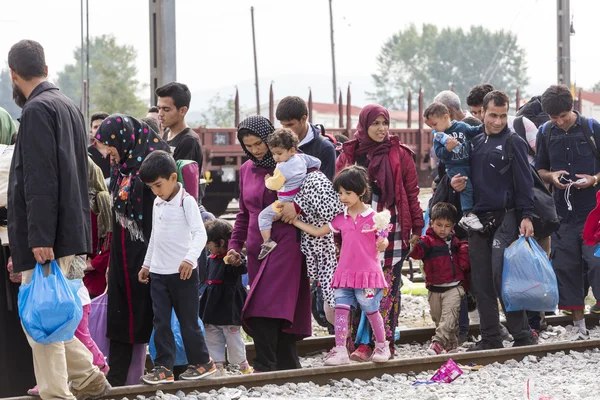
Lithuania has experienced a significant increase in migration from Central Asia in recent years, prompting authorities to heighten security oversight. According to Lithuanian intelligence, the number of migrants from the region in 2024 was 14 times higher than in 2021.

Despite this sharp rise, former Prime Minister Ingrida Šimonytė has urged caution in interpreting the figures, noting that the total number of migrants remains relatively small and not a cause for alarm. She attributed the increase in part to labor shortages, particularly after many Ukrainian men were conscripted for military service amid the ongoing war.

As of October 2024, approximately 10,600 Uzbek nationals were residing in Lithuania, up from fewer than 1,000 in early 2022. Uzbeks now constitute the fourth-largest foreign community in the country. The number of Tajik citizens also rose significantly, from 5,700 to 7,200 in the first nine months of 2024 alone.

In Türkiye, Uzbek Man Faces Deportation After Photographing Woman Without Consent

An Uzbek man who photographed a Turkish woman in the Istanbul metro without her permission is in the process of being deported.

Uzbekistan’s consulate in Istanbul said on Thursday that the man was arrested on April 13 after taking “unauthorized” photos of the woman, who then reported the alleged violation of her privacy to law enforcement authorities.

The man’s work permit was revoked and he is being subjected to “forced deportation measures,” said the consulate, which intervened in order to prevent a criminal investigation.

“According to Turkish law, photographing or videotaping another person, especially women, without their consent is strictly prohibited and may result in criminal prosecution,” the consulate said. It urged Uzbek citizens to follow local laws and said photographing or recording video of “strangers without their permission or causing them discomfort may result in serious action being taken against you.”

Article 134 of Türkiye´s penal code provides for a punishment of up to several years in prison for violating the privacy of another person, including by disseminating images and sounds related to the personal life of the affected individual.

ER&GUN&ER, an Istanbul-based law firm, says the country has “robust” laws to address privacy violations in the digital environment. It refers to a 2011 sex tape case and a 2016 political party data breach as high-profile cases involving such violations.

“Taking pictures itself is not illegal in Turkey, but there are specific regulations that must be observed,” says Manolya Travel Agency, which is based in Istanbul. “While taking pictures, it is crucial to respect the privacy of individuals and refrain from capturing images of people without their explicit permission. This rule applies regardless of whether the person in the camera frame is a Turkish citizen or a foreign tourist.”

Kazakhstan Takes the Initiative: Delegation Planning to Head to U.S. to Tackle Trump Tariffs

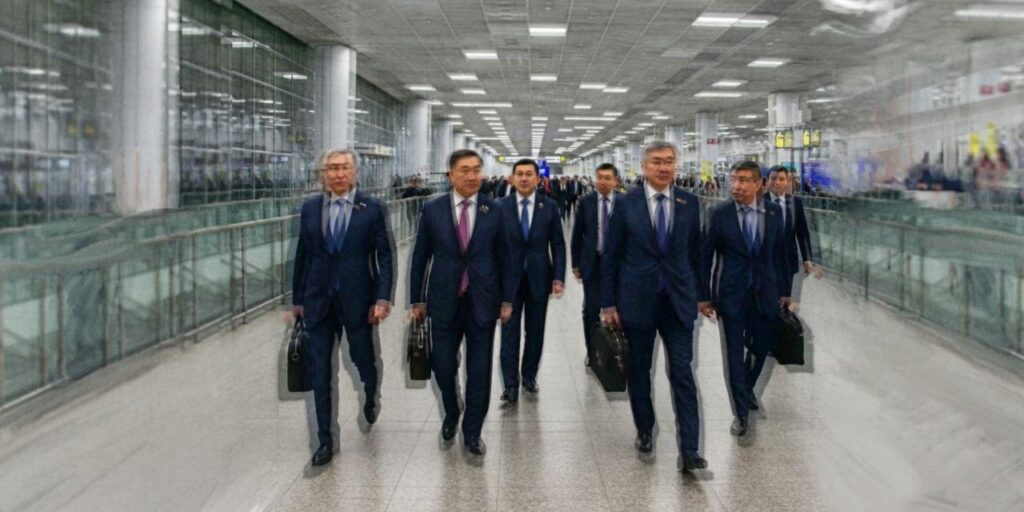
Deputy Minister of Trade and Integration Zhanel Kushukova has announced Kazakhstan’s decision to send a high-level delegation to the United States for consultations on import duties, marking a proactive step to address trade challenges and strengthen economic ties. This move comes amid heightened tensions in global trade after sweeping tariffs were unveiled by U.S. President Donald Trump, including a significant 27% duty on Kazakh goods. The delegation aims to foster dialogue on reducing trade barriers, advocate for the equitable treatment of exports, and explore exceptions for certain goods. No date has been set for the visit yet.

The decision demonstrates Kazakhstan’s commitment to bolstering its position as a key player in international trade. The targeted discussion will focus on sensitive issues, including tariffs impacting industries such as crude oil, uranium, silver, and ferroalloys, which, as noted by the Ministry of Trade and Integration, “constitute 92% of total exports.” As previously reported by The Times of Central Asia, while these goods might qualify for exemptions under U.S. regulations, the higher tariff symbolizes a broader challenge for Kazakhstan in its response to navigating the evolving trade landscape.

Context of Trump’s Tariff Policy

The 27% tariff imposed on Kazakhstan stands out as by far the highest targeting Central Asia, where neighboring Uzbekistan, Turkmenistan, Tajikistan, and Kyrgyzstan will face a 10% baseline duty. Billed as addressing trade imbalances and protecting U.S. industries – though the methodology behind the administration’s calculations has baffled many analysts – Trump’s tariff regime has introduced a layered system targeting a raft of nations. While China has been hit hardest, with seemingly ever-increasing duties now standing at a dizzying 145%, even smaller economies such as impoverished Cambodia (49%) and Laos (48%) have been caught in the crossfire, raising concerns about disproportionate impacts on developing nations.

While Trump stepped back from the brink on April 9, announcing a 90 day pause for the majority of countries before doubling down on China, companies such as Apple – the world’s most valuable publicly listed company – had already experienced a fall in market capitalization of more than $300 billion on the day after the policy was announced, its’ worst single-day drop since 2020. Amidst a slump in markets globally, meanwhile, U.S. Federal Reserve chair, Jerome Powell, has warned that Trump’s tariffs will hit the U.S. economy and lead to rising prices.

Economists have noted the potential ripple effects of tariffs on global markets, with fears of supply chain disruptions and stagflation growing. For Kazakhstan, a resource-rich economy striving to diversify beyond its traditional oil and mining industries, the heightened duties could dampen its exports while complicating efforts to attract foreign investment. However, analysts such as Rasul Rysmambetov have argued that Kazakhstan’s relatively small share in global trade may shield it from significant fallout, with the tariff largely “symbolic” in nature.

Opportunities Amid Challenges

Despite these challenges, Kazakhstan is attempting to leverage the situation to advance its diplomatic and economic strategies, with the country’s Ministry of Trade and Integration working to secure specific exemptions for strategic materials, which remain essential for U.S. industries. Recent discoveries, such as a major rare earth deposit in the Karaganda region, could further enhance Kazakhstan’s appeal as a source for critical minerals, strengthening its bargaining position in negotiations with Washington. In terms of rare earth elements (REEs) – critical in the production of a huge range of high-tech products from catalytic converters to smartphones and cars – China currently dominates their global mining and refining, leading to calls for U.S. diversification of global supply chains, particularly towards Central Asia.

U.S. officials have previously expressed their interest in collaborating with Kazakhstan, especially in sectors such as energy, telecommunications, and rare earth metals. Statements from the U.S. State Department and recent discussions between key diplomats have underscored a mutual interest in deepening ties. This aligns with Kazakhstan’s strategy of pursuing a multi-vector, balanced foreign policy that emphasizes engagement with global players whilst establishing itself as a middle power.

Global Trade Implications

The Trump administration’s tariff policy has sparked a global backlash, with European Commission President Ursula von der Leyen condemning the move as harmful to the international economy, particularly for vulnerable nations. The EU was busy courting regional leaders at the recent first EU-Central Asia summit in Samarkand, where a $13.2 billion package was pledged.

For Kazakhstan, the heightened tariffs come at a crucial juncture as it seeks to redefine its economic trajectory. Proactive engagement with the U.S. through consultations reflects its determination to secure a favorable outcome and maintain its standing in the global market. While uncertainties linger, Kazakhstan’s approach highlights the importance of diplomacy and adaptability in navigating the complexities of modern trade dynamics.

Developments around tariffs and trade negotiations hold significant implications not just for Kazakhstan but for global markets in general. Whether these consultations yield immediate results or serve as a foundation for future cooperation, they signal Kazakhstan’s intent to remain an active and influential actor on the world stage.

TRNC President Urges Central Asia to Tread Carefully on Cyprus in EU Deals

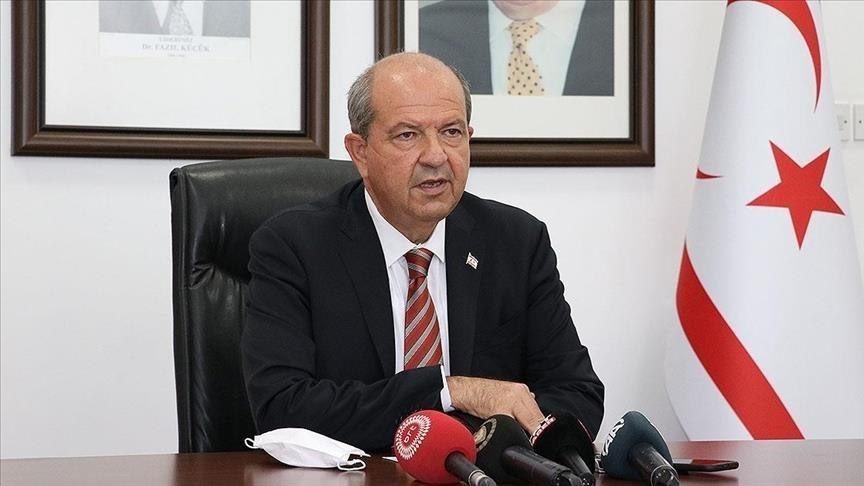
Ersin Tatar, President of the Turkish Republic of Northern Cyprus (TRNC), has urged Central Asian nations to exercise caution in their dealings with the European Union, particularly regarding the Cyprus issue. His remarks were reported by Anadolu Agency during a recent meeting with representatives of the Association of Turkish Travel Agencies (TÜRSAB).

Tatar acknowledged that it is “understandable” for Central Asian countries to cooperate with the EU in pursuit of their national interests. “These countries have various projects and partnerships with the EU, especially in trade and development. That’s normal,” he said. “But I believe the Turkish states should be more careful in their relations with the Greek Cypriot side.”

Turkic Solidarity and the Role of TRNC

Highlighting the cultural and linguistic connections among Turkic nations, Tatar highlighted the importance of maintaining solidarity within the Organization of Turkic States (OTS), where the TRNC has held observer status since 2022. “The TRNC values its growing relationship with member states such as Kazakhstan, Uzbekistan, Kyrgyzstan, and Turkmenistan,” he said.

Tatar expressed concern that recent EU overtures toward Central Asia could be aimed at limiting the TRNC’s engagement in the Turkic bloc. “The EU, which showed little interest in the region before, is now making deals. This raises questions,” he noted.

Cyprus Issue and EU Documents

Reaffirming the Turkish Cypriot stance on the Cyprus issue, Tatar reiterated support for a two-state solution and called on Turkic nations to extend the same diplomatic openness to Northern Cyprus as they do to the internationally recognized Greek Cypriot administration.

“Our expectation is that they treat us with the same openness they show to the Greek Cypriots,” he said, warning that EU documents may contain references to UN resolutions on Cyprus that could be misinterpreted. “Do they really know what those articles mean and what consequences they might have?” he asked.

Central Asia-EU Relations on the Rise

Tatar’s comments follow the recent EU-Central Asia Summit in Samarkand, held on April 3-4, which marked a new chapter in regional cooperation. The summit culminated in the signing of the Samarkand Declaration, underscoring the intent to build a strategic partnership between the two regions.

“Over the past seven years, the trade turnover between Central Asian countries and the EU has quadrupled, amounting to 54 billion euros,” said Uzbek President Shavkat Mirziyoyev in remarks to Euronews. European Commission President Ursula von der Leyen also welcomed the shift, stating, “The EU and Central Asia are becoming closer partners, and this summit marks the beginning of a new phase in our cooperation.”

Restrained Optimism in Kazakhstan’s Book Market

Kazakhstan’s book market remains in a formative stage, according to optimistic voices in the publishing industry. However, the average Kazakhstani still spends far less on books annually than readers in the United States.

Optimists Organize Exhibitions

Astana will host the 8th Astana Eurasian Book Fair from April 23-27. Organizers promise one of Central Asia’s largest literary events, featuring 70 companies from Kazakhstan, Russia, Turkey, Iran, Uzbekistan, Spain, Portugal, and China, including publishing houses, booksellers, academic institutions, and printers.

The Kazakhstani publishing house behind the event is especially upbeat. It plans to accelerate its domestic expansion and grow both sales and its catalog. In 2023, the publisher released 243 projects, approximately 90% of them in Kazakh, according to RegTV.

Real Demand Remains Modest

Despite this optimism, national statistics suggest a slow uptick in reading interest. In 2024, the volume of services provided by publishing companies increased by just 0.8% year-on-year, according to the Bureau of National Statistics. Much of that figure still reflects newspaper and periodical printing. Textbooks continue to dominate sales, KazTAG reports.

Spending data further illustrates the challenge: the average Kazakhstani spends about $3 per year on books, while Russians spend five times as much, according to Spik.kz.

Though a third of the population holds library cards, usage statistics are unclear. A 2023 survey by the AMANAT Institute of Public Policy found that only 26.5% of respondents had read at least one book in the previous year. More than half cited a lack of time (52%), while over one-fifth (21.4%) simply said they did not enjoy reading. Among those who did read, the national average was five books per year. Top reading regions include East Kazakhstan (10.6 books), North Kazakhstan (6.95), and Akmola (6.34), while Shymkent (3.8), Ulytau (3.7), and Zhetysu (3.59) ranked lowest, according to Azattyq Rýhy.

More than 80% of published titles are textbooks or teaching aids. Markups at retail locations range from 60% to 100%. Comparatively, annual reading averages in France and Canada are 17 books, in the U.S. 12, and in South Korea 11.

In the Shadow of the Russian Market

Roughly 90% of books sold in Kazakhstan are printed abroad. In 2022 alone, imports from Russia totaled $14.7 million. This dependence hinders the domestic industry’s development, experts argue. Russian e-books cost just a few dollars, while Kazakhstani publications may sell for $20-$30.

Writer Bakhytzhan Bukarbai has warned that Russian publishers, facing international sanctions over the war in Ukraine, are relocating to Kazakhstan and dominating the market. “The state must protect its own publishing industry. Protectionism should work to support Kazakhstani publishers,” he told Kursiv.

A study by Orda.kz found that Kazakh-language e-books remain underrepresented and often overpriced, unless they are reprints of classics like those by the celebrated writer Abai. However, such titles are already widespread in most households, and readers are seeking new material.

High production costs, exacerbated by reliance on imported paper and materials from Russia and China, contribute to the pricing issue. Kazakhstan also lacks robust self-publishing platforms and a developed literary criticism ecosystem.

Still, some Kazakh-language titles consistently perform well. These include Abai’s Words of Edification, historical novels by Ilyas Esenberlin, and works by Olzhas Suleimenov and Dulat Isabekov. New bestsellers often orbit these classics, such as recent studies by historian Radik Temirgaliev, as well as children’s, ethnographic, and biographical literature, according to Esquire Kazakhstan.

$85 Million Breeding Farm Project to Boost Kazakhstan’s Poultry Industry

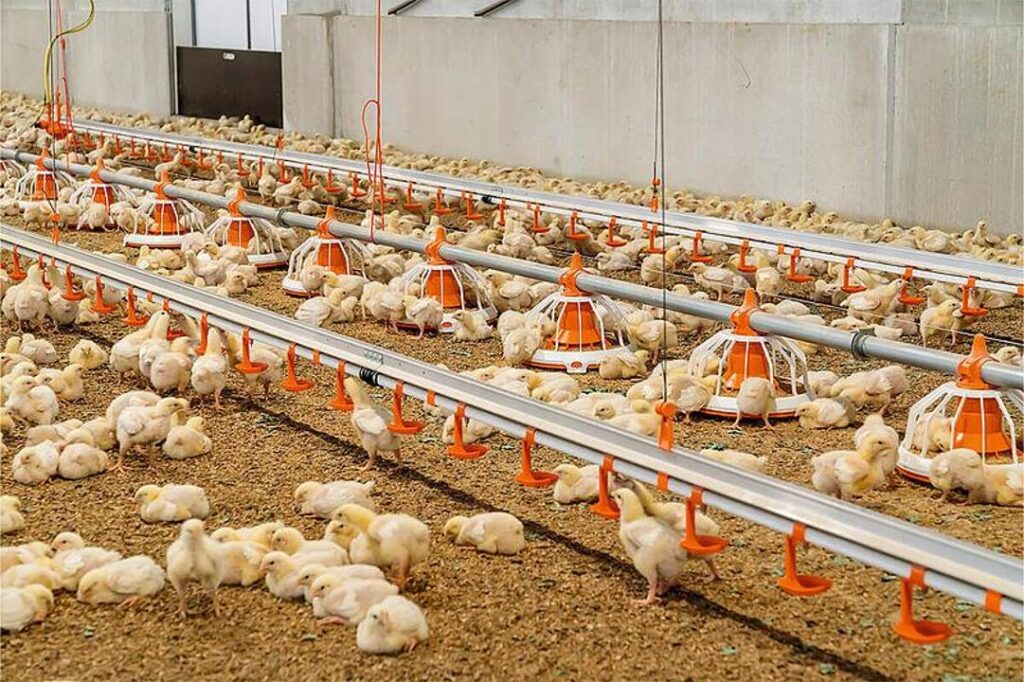
Jordan’s Alhusaini Group has announced plans to invest $85 million in the construction of a state-of-the-art breeding poultry farm in Kazakhstan. With a projected production capacity of up to 100 million hatching eggs per year, the facility will significantly enhance the country’s poultry sector. Construction is scheduled to begin in 2025 and will be completed in stages through 2029.

The project was discussed during an April 16 meeting between Kazakhstan’s Minister of Agriculture, Aidarbek Saparov, and representatives of Alhusaini Group, according to a government statement.

A Strategic Boost for Agro-Industry

The new facility is expected to play a key role in strengthening Kazakhstan’s food security and export potential. Approximately 70% of the farm’s production will be allocated for the domestic market, with the remaining 30% designated for export.

Minister Saparov highlighted the strategic importance of the project for Kazakhstan’s agro-industrial development and reaffirmed the government’s commitment to supporting its successful implementation.

Alhusaini Group, known for its ownership of Al Jazeera Agricultural Company and Al Sidra — both major players in poultry production — will partner with Kazakhstan’s Aitas KZ holding company to bring the project to fruition.

Kazakhstan’s Poultry Powerhouse

Aitas KZ is one of Kazakhstan’s leading poultry producers, supplying around 43% of the domestic market. Its assets include Makinskaya Poultry Farm, the largest in Central Asia, and the Ust-Kamenogorsk Poultry Farm, the oldest in the country, with a combined capacity of 150,000 tons per year.

Aitas KZ also operates the Almaty-based Nauryz Agro Breeding Poultry Farm, the largest in the Commonwealth of Independent States (CIS), which produces up to 80 million hatching eggs annually for broiler chickens.

This new investment is poised to elevate Kazakhstan’s standing in the regional poultry market and promote technological advancement in its agricultural sector.