• KGS/USD = 0.01144 0%
  • KZT/USD = 0.00210 0%
  • TJS/USD = 0.10438 0%
  • UZS/USD = 0.00008 0%
  • TMT/USD = 0.28490 0%
  • KGS/USD = 0.01144 0%
  • KZT/USD = 0.00210 0%
  • TJS/USD = 0.10438 0%
  • UZS/USD = 0.00008 0%
  • TMT/USD = 0.28490 0%
  • KGS/USD = 0.01144 0%
  • KZT/USD = 0.00210 0%
  • TJS/USD = 0.10438 0%
  • UZS/USD = 0.00008 0%
  • TMT/USD = 0.28490 0%
  • KGS/USD = 0.01144 0%
  • KZT/USD = 0.00210 0%
  • TJS/USD = 0.10438 0%
  • UZS/USD = 0.00008 0%
  • TMT/USD = 0.28490 0%
  • KGS/USD = 0.01144 0%
  • KZT/USD = 0.00210 0%
  • TJS/USD = 0.10438 0%
  • UZS/USD = 0.00008 0%
  • TMT/USD = 0.28490 0%
  • KGS/USD = 0.01144 0%
  • KZT/USD = 0.00210 0%
  • TJS/USD = 0.10438 0%
  • UZS/USD = 0.00008 0%
  • TMT/USD = 0.28490 0%
  • KGS/USD = 0.01144 0%
  • KZT/USD = 0.00210 0%
  • TJS/USD = 0.10438 0%
  • UZS/USD = 0.00008 0%
  • TMT/USD = 0.28490 0%
  • KGS/USD = 0.01144 0%
  • KZT/USD = 0.00210 0%
  • TJS/USD = 0.10438 0%
  • UZS/USD = 0.00008 0%
  • TMT/USD = 0.28490 0%

Experts Warn Tajikistan’s Melting Glaciers Threaten Regional Food Security

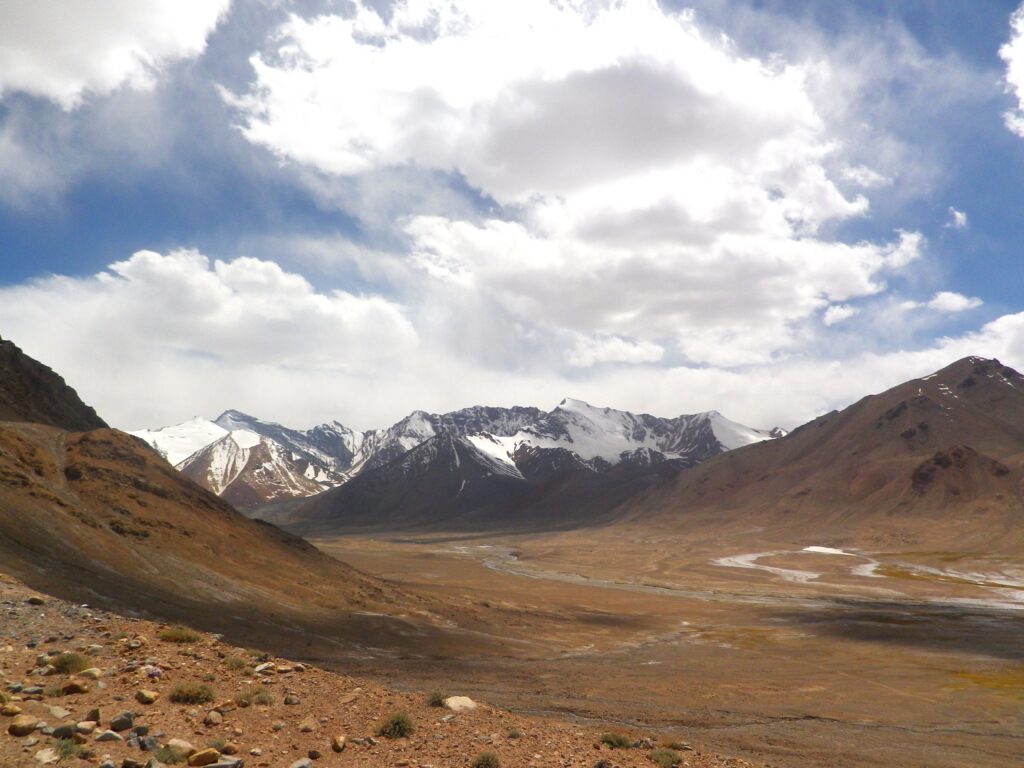
From May 29 to 31, Dushanbe is hosting the first-ever International Conference on Glacier Preservation. The event has drawn more than 2,500 representatives from 80 countries to the Tajik capital. On the eve of the forum, alarming data was released: Tajikistan has lost more than 1,000 glaciers over the past 23 years, a trend that jeopardizes food security for millions across Central Asia.

Glaciers in Retreat, Climate in Crisis

Tajikistan’s Deputy Prime Minister Dilrabo Mansuri noted that average air temperatures in the country have risen between 0.7°C and 1.9°C over the past 65 years, depending on the region. In the same period, glaciers have lost 20% of their volume and 30% of their area.

“The disappearance of glaciers is not a distant threat, but a constant crisis,” emphasized Agasi Arutyunyan, the Food and Agriculture Organization’s (FAO) representative in Tajikistan.

Bahodur Sheralizoda, Chairman of the Committee on Environmental Protection, highlighted the increasing frequency of natural disasters, landslides, droughts, and floods, that threaten both the economy and daily life. UNICEF Executive Director Catherine Russell warned that up to 27% of regional water resources could be lost, with children and vulnerable groups being disproportionately affected.

Amina Mohammed, Deputy Secretary-General of the United Nations, stressed the need for immediate resource mobilization and reliance on scientific data. Her UN colleague, Armida Salsiah Alisjahbana, Executive Secretary of ESCAP, proposed a regional meeting ahead of the 2026 UN Water Conference to build momentum.

Agriculture Under Climate Stress

Adham Musallam, Director of the World Food Programme in Tajikistan, reiterated that more than 1,000 glaciers have vanished since 2000, leading to water shortages and degradation of arable land. Forum participants underscored the urgency of adopting climate-resilient agricultural practices.

Tajikistan is home to around 14,000 glaciers, with a combined volume exceeding 845 km³. Approximately 1,000 glaciers have disappeared over the last 150 years. The Vangjakh glacier, for example, is retreating by more than 16 meters annually. According to UNEP, Central Asia could lose over 50% of its glaciers by 2050, endangering the water supply of more than 70 million people.

Tajik glaciers currently contribute over 80% of the Amu Darya’s flow, 1% of the Syr Darya’s, and around 64 km³ to the Aral Sea basin. Their decline could severely disrupt the region’s water balance and worsen shortages in neighboring countries.

Regional Initiatives and Scientific Collaboration

The forum emphasized the importance of inclusive climate action, particularly the leadership roles of women and youth. Yasmine Siddiqui of the Asian Development Bank stated, “Women must not only be participants, but also leaders in environmental decisions.”

New initiatives included the launch of the Blue World of Central Asia 2.0 project and promotion of the WEFE Nexus approach, integrating water, energy, food, and ecosystem management to enhance cross-border cooperation.

Participants also discussed establishing a regional glaciology coordination center, expanding satellite glacier monitoring, and leveraging science diplomacy to mitigate climate risks.

The melting of Central Asia’s glaciers is no longer a future concern, it is a present-day crisis impacting water availability, food production, public health, and regional stability. The Dushanbe conference marked a significant step in rallying collective international response, but the success of these efforts will depend on their implementation.

Kazakhstan and Italy Forge a New Strategic Nexus

Italian Prime Minister Giorgia Meloni’s visit to Kazakhstan marks a pivotal moment in the deepening relationship between the two nations. This diplomatic mission comes on the heels of historical ties reinforced by Pope Benedict XVI’s 2022 visit to the Central Asian nation, where he met with President Kassym-Jomart Tokayev. Benedict’s trip was a testament to Kazakhstan’s role in promoting interfaith dialogue and global peace, a legacy that continues to shape its international relationships.

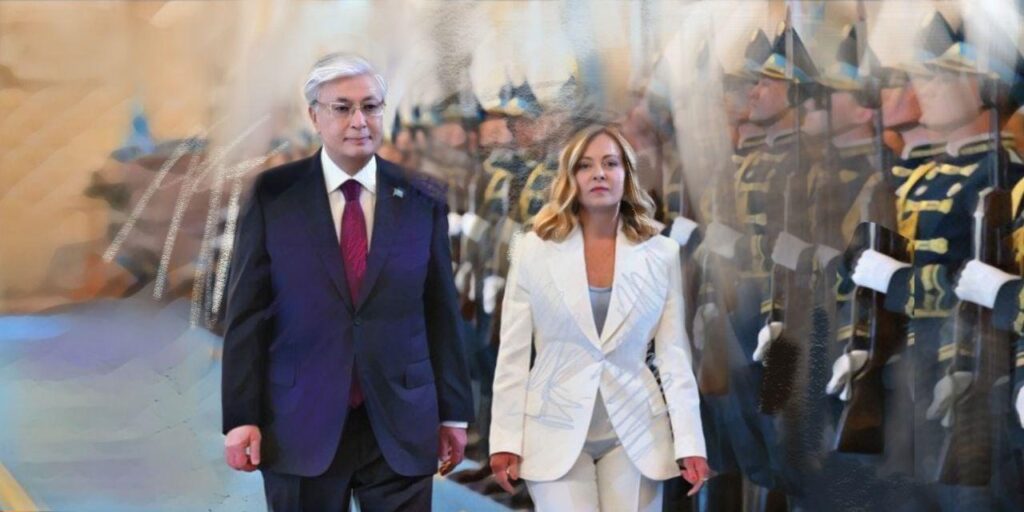
Now, with a new American Pope at the helm of the Vatican, Meloni has renewed Italy’s commitment to strengthening its partnership with Kazakhstan. Her meeting with Tokayev and participation in the C5+Italy Summit underline her focus on fostering collaboration in energy diversification, regional stability, and economic growth. The terms for Meloni’s arrival in Astana were set by Kazakhstan’s previous engagements with Italy, including President Kassym-Jomart Tokayev’s visit to Rome in early 2024 and his meeting with Meloni in Abu Dhabi in January 2025.

Those substantive bilateral talks set the bilateral agenda in the joint context of Italian active Eurasian diplomacy and Kazakhstan’s own strategic vision. Meloni’s direct discussions with Tokayev focused on deepening bilateral diplomatic and economic ties; expanding cooperation in energy, trade, and defense; and discussing regional security and joint training programs. As she put it prior to departing Italy, “This visit confirms the strategic value of our collaboration and the excellent level of relations between our nations.”

Kazakhstan’s geography, resource wealth, and evolving political posture since independence over a third of a century have also enabled it to craft a nuanced foreign policy balancing traditional ties with Russia and China against emerging alignments with Europe and beyond. Italy’s diplomacy, underpinned by proactive outreach and sustained by major trade and investment flows, has become Kazakhstan’s principal EU partner and third-largest global trading counterpart.

Meloni’s engagement with Kazakhstan underscores her broader strategic vision of positioning Italy as a pivotal player in the evolving geopolitical landscape. Central to this ambition is her ability to connect Italy’s foreign policy with global power structures, including her relationship with former U.S. President Donald Trump, a bond that has bolstered both her personal stature and Italy’s diplomatic leverage. This alignment, rooted in shared ideologies of nationalism and sovereignty, allows Italy to project itself as a transatlantic bridge linking Europe, the United States, and strategically critical regions like Central Asia.

Beyond energy and trade, Italy’s approach aims to institutionalize its presence in the region, as demonstrated by the simultaneous hosting of the Central Asia–Italy Summit, which builds on the “5+1” dialogue launched in 2019 and its 2024 iteration at the foreign-ministerial level. Convening this summit at the head-of-government/head-of-state level in Astana subtly underscores Kazakhstan’s linchpin role in regional coordination and Italy’s capacity to frame its engagement as a multilateral and strategic enterprise.

Meloni’s ambitions extend to securing Italy’s role in stabilizing ties with Central Asia and former Soviet states. For instance, strengthening relationships with energy-rich nations like Kazakhstan underpins her focus on energy diversification, critical for reducing Europe’s reliance on Russian gas while addressing global resource and security challenges.

If the economic cooperation can be said to have a centerpiece, this would be the cooperation between Samruk-Kazyna, Kazakhstan’s sovereign wealth fund, and Italy’s Maire engineering firm to establish a high-end industrial hub in Kazakhstan. This initiative reflects Astana’s determination to position itself as a Eurasian node in advanced production by elevating its manufacturing and technological capacity.

The energy dimension, long the cornerstone of Kazakhstan-Italy relations, was reinforced through Samruk-Kazyna’s agreement with Ansaldo Energia to produce gas turbine components domestically. This agreement bolsters Kazakhstan’s drive for industrial self-sufficiency while extending Italy’s role as a strategic energy partner. It builds on Ansaldo’s earlier commitments to supply turbines and generators for the reconstruction of Almaty’s TPP-3 power plant and collaborate on new energy projects.

The bilateral relationship was already strong, as the two countries have engaged in a wide range of joint initiatives outside these industrial ventures. There has been cooperation in defense and cybersecurity, encompassing joint training, cyber resilience exchanges, and even the possible co-production of military equipment. Kazakhstan has developed a multilayered security partnership with Italy that skillfully demonstrates its capacity to define regional security parameters.

The relationship was further strengthened when on May 28, at the Kazakhstan-Italian Business Forum — the economic backbone of this emerging partnership — ten memoranda of understanding were signed, valued at €180 million, across other sectors including mechanical engineering, petrochemicals, agri-processing, and logistics. The launch of a blockchain-driven logistics transparency initiative called the Digital Supply Chain 4.0 project and of the “Made in Kazakhstan with Italy” program illustrates Kazakhstan’s drive to integrate global value chains on its own terms as well as Italy’s diplomatic ambitions in Central Asia. The agreements enhance Kazakhstan’s key position along the Middle Corridor by bringing Italian investment to foster joint production, technology transfer, and industrial integration.

Rome’s alignment of its investments and industrial cooperation with Astana’s modernization goals enables it to embed itself within a broader Eurasian strategy. The economic ties are anchored by a new joint investment fund and the development of enhanced export risk insurance mechanisms. To Italy’s energy security considerations, long tied to Kazakhstan’s oil and gas reserves, broader goals are now added. These include securing critical raw materials, advancing the EU’s green transition, and reinforcing Europe’s autonomy amid geopolitical flux. One of the agreements included the production of certified “green” aluminum and ferroalloys by 2027.

While the immediate outcomes of Meloni’s visit are significant, their realization depends on sustained effort. Details of the Maire and Ansaldo Energia projects, operationalization of digital logistics, and concrete steps in defense cooperation will determine whether this momentum translates into lasting impact. The planned Italy–Central Asia Summit in Rome later this year presents a natural venue for assessing progress and deepening commitments.

The two countries also face shared challenges. The shrinking Caspian Sea is a shared concern for Meloni and Tokayev, as it threatens both economic and environmental stability. Italy’s energy company ENI, heavily invested in the region, faces challenges like costly dredging to maintain operations in oil fields such as Kashagan. Approximately 80% of Kazakhstan’s oil exports flow through the Caspian Pipeline Consortium, anchoring the country’s reliance on the Caspian Sea as a vital conduit for its energy sector. This dependency sharpens the shared interest of both Kazakhstan and Italy in sustaining energy production while also addressing the environmental crisis impacting the region.

Kazakhstan and Italy pursued intersecting yet distinct strategies that found practical convergence during Meloni’s visit. For Kazakhstan, the agreements advanced industrial modernization, economic diversification, and regional leadership, showcasing its capacity to attract foreign expertise on its own terms. For Italy, the partnership secured an expanded economic footprint, diversified energy sources, and a firmer position in a region where Russia, China, and Turkey increasingly shape outcomes.

The two countries’ shared vision was underlined not only in the political and economic realms but also in grappling with the shared environmental challenges of the shrinking Caspian Sea. The collaboration between Italy’s energy firm ENI and Kazakhstan’s authorities faces the dual challenge of sustaining production in fields like Kashagan while addressing the environmental crisis threatening both economic and ecological stability. These intertwined ambitions — balancing industrial growth, regional security, and environmental stewardship — reflect the evolving nature of diplomacy and partnership in a world where geopolitical challenges are increasingly complex.

Tokayev and Meloni’s rapport illustrates how pragmatic diplomacy can generate momentum even amid shifting global alliances. Their shared commitment to navigating intricate energy, environmental, and security issues underlines the capacity for bilateral relationships to evolve beyond transactional interactions. In addressing the Astana International Forum on 30 May, Meloni emphasized, “Kazakhstan and Italy stand united in forging a new strategic nexus, rooted in collaboration, innovation, and mutual growth, building bridges that transcend borders for shared prosperity and a brighter future.” While this partnership cannot resolve every geopolitical challenge, it highlights how mutual respect, shared interests, and measured leadership can forge pathways to tangible progress in a complex world.

Kazakhstan and Uzbekistan Strengthen Cooperation on Cancer Treatment and Child Health

At the high-level conference, “Dialogue for Children: Central Asia and UNICEF,” held recently in Tashkent, the health ministers of Kazakhstan and Uzbekistan met to expand bilateral cooperation in healthcare.

Kazakhstan’s Health Minister Akmaral Alnazarova and her Uzbek counterpart Asilbek Khudayarov discussed a range of initiatives aimed at enhancing the quality of medical services in both countries. According to the Uzbek Health Ministry, the discussions focused on joint research projects, the exchange of medical expertise, and collaboration within the coalition of countries supporting primary healthcare. The two sides also considered conducting environmental studies in the Aral Sea region to assess the health impacts of local ecological conditions.

Focus on Pediatric Health and Cancer Treatment

Children’s health emerged as a central theme in the talks. Kazakhstan proposed establishing an international academic hub for childhood cancer and offered to take the lead on the initiative.

Minister Alnazarova outlined Kazakhstan’s use of advanced diagnostic and treatment methods for pediatric cancer, including immunohistochemistry, immunophenotyping, tumor marker detection, high-dose chemotherapy for bone and soft tissue sarcomas, and organ-preserving surgeries. She also announced that a new Proton Therapy Center will open in Astana this October. The center is expected to treat over 800 patients annually and will offer radioiodine therapy for children from across Central Asia.

Kazakhstan also proposed creating two additional international hubs: one for adult oncology and oncohematology, and another for pediatric heart surgery at the UMC Heart Center. The heart surgery hub would be open to patients from Uzbekistan, including children from Karakalpakstan.

Alnazarova noted that several areas of Kazakhstan’s healthcare system now meet international standards, with hospitals adopting globally recognized technologies and practices.

Expanding Bilateral Healthcare Ties

To deepen bilateral engagement, the two ministers agreed to hold “Kazakhstan Medicine Days” in Uzbekistan in 2025, followed by “Uzbekistan Medicine Days” in Kazakhstan in 2026. They also endorsed the creation of an international healthcare hub to promote cross-border collaboration.

In a related development, Kazakhstan’s Minister of Science and Higher Education, Sayasat Nurbek, announced in March that the country is developing a new anti-cancer drug. Phase II clinical trials, completed last year, showed promising results, including an average tumor size reduction of 30%. The drug is expected to be registered and released to the market by the end of 2024.

Kazakhstan Emphasizes Strategic Role of Trans-Caspian Route at Astana Forum

Kazakhstan is positioning the Trans-Caspian International Transport Route (TITR), also known as the Middle Corridor, as a cornerstone of sustainable logistics across Eurasia. Speaking at a panel session on May 29 during the Astana International Forum, Deputy Minister of Foreign Affairs, Alibek Kuantyrov outlined the country’s ambitions to transform the route into a vital artery for regional connectivity.

The session, co-organized with the Boao Forum for Asia, featured high-profile participants, including Boao Forum Chairman and former UN Secretary-General Ban Ki-moon.

Kuantyrov highlighted that Kazakhstan boasts over 3,500 kilometers of strategic railway infrastructure linking China to Caspian Sea ports. In the coming years, annual cargo volumes along the TITR are projected to reach 10 million tons.

“The TITR is not just a logistics route; it is an infrastructure of trust, efficiency, and growth,” Kuantyrov said. “Kazakhstan is committed to both physical and digital integration. We are already seeing tangible outcomes: in March 2024, a container train from Xi’an [China] reached Azerbaijan in just 11 days, including only three days traversing Kazakhstan.”

This efficiency, Kuantyrov explained, was enabled by key infrastructure improvements such as the upgrade of the Dostyk-Moiynty railway section, development of the Khorgos logistics hub on the Kazakh-Chinese border, and the implementation of digital customs technologies.

Kazakhstan is investing over $35 billion in infrastructure development, including new railways, the expansion of the Aktau and Kuryk ports, and the creation of a container hub in partnership with international investors. “Our objective is not merely transit,” Kuantyrov added. “Kazakhstan views the TITR as a foundation for industrial development and sustainable integration into global supply chains.”

To further enhance east-west cargo flow, the country is constructing second tracks along the 836-kilometer Dostyk-Moiynty section. According to Kazakhstan Temir Zholy, the national railway operator, the additional tracks are set to open in June. These upgrades are expected to increase the line’s capacity fivefold from 12 to 60 train pairs per day.

Baikonur Fallout: Russia’s Cosmic Legacy Leaves Scars on Kazakhstan

“Every time there’s a rocket launch at Baikonur, you can’t see for days. The sand comes up off the ground, and doesn’t shift for a good while,” a waiter in Aralsk, a one-time fishing town on what was once the shore of the shriveled Aral Sea told The Times of Central Asia.

Upon entering Baikonur, Russia’s gateway to outer space on the Kazakh steppe, the first thing you see is a billboard proudly displaying Vladimir Putin shaking hands with President Kassym-Jomart Tokayev.

Beneath the façade, however, Russia’s presence here has spurred major economic inequalities and environmental degradation.

Backwater to the Cosmos

“Here on January 12, 1955, the first group of military engineers arrived, who laid the foundation for the creation of Baikonur Cosmodrome;” image: Thomas Hodgson

Stepping off the train at Töretam, the closest town to Baikonur proper, there is very little sense of occasion to be found.

The only reference to the existence of rockets in the immediate vicinity is a tucked-away, red-starred plaque on the platform bearing the inscription: “Here on January 12, 1955, the first group of military engineers arrived, who laid the foundation for the creation of Baikonur Cosmodrome.”

In 1961, Yuri Gagarin launched from Baikonur to become the first human being in outer space, propelling the complex’s status in history from an obscure backwater to a legendary, top-secret star city.

​In reality, “Baikonur” was a decoy name given by the Soviets to a town 300 kilometers away from the real launch site at Leninsk. Western newspapers reinforced the false story, and Baikonur entered the global popular consciousness. Kazakhstan’s government chose to sell the myth, finally renaming the actual cosmodrome settlement from Leninsk to Baikonur in 1995.

With the collapse of the Soviet Union in 1991, Russia found overnight that its primary spaceport was in a foreign power’s possession. By 1994, Moscow struck a deal with the nascent Kazakh Republic to lease Baikonur at a rate of 7 billion rubles per year ($110 million).

As of 2024, the Kazakh state has pulled in over $3 billion in revenue from the scheme.

Living in the Shadow of Russia

Image: Thomas Hodgson

The extent of Russia’s grip over the area, even outside of the “ring,” is clear in all aspects of daily life.

In nearly every shop in Töretam, the ruble is accepted alongside the Kazakh tenge. This poses problems for the local economy, with the circulation of rubles effectively pricing out anyone who doesn’t receive a ruble salary from jobs in Baikonur itself.

The Russian language is likewise used in tandem with Kazakh, even though the surrounding Kyzylorda region is less than 2% ethnically Russian and, by all appearances, overwhelmingly favors Kazakh.

Poverty is widespread here, juxtaposed markedly with the hordes of affluent “space tourists” from around the world who head through Töretam into the “ring” every day. Tour agencies charge upwards of $1,000 per day for access to Baikonur, yet reinvestment in communities surrounding the “ring” seems non-existent, with the average salary in this part of Kazakhstan being less than $330 per month.

For those living on the edge of Baikonur, the necessity of a permit to work inside the complex cannot be understated. This boils down to pure economics – a ruble wage massively outstrips that of a tenge one. There is, likewise, skilled work to be found within Baikonur. In Töretam, prospects are broadly limited to casual employment, with much of the town dependent upon remittances sent from family members working elsewhere – predominantly in Russia or the oilfields of the west.

This does not mean that said permits are easy to come across. One woman described the process of getting permission to work in the “ring” as “next to impossible.” It is “easier for foreign tourists to get in than locals,” she remarked bitterly.

Of all the Russian tourist and military convoys from Töretam to Baikonur that seemed to run on an almost constant basis, it was difficult to identify a single ethnic Kazakh employed in any capacity. Russians also appeared to be exclusively entrusted to check permits at checkpoints, even though approximately 70% of Baikonur’s permanent residents are ethnic Kazakhs.

Two Kazakh men TCA spoke to in a Töretam cafeteria described Kazakhs’ position in Baikonur as “second-class citizens” who are only afforded “menial,” “rough” work, while Russians enjoy better conditions and salaries. In their view, Moscow imports Russians here to take up positions of authority, while Kazakhs are seen as an expendable workforce.

Toxic Fallout
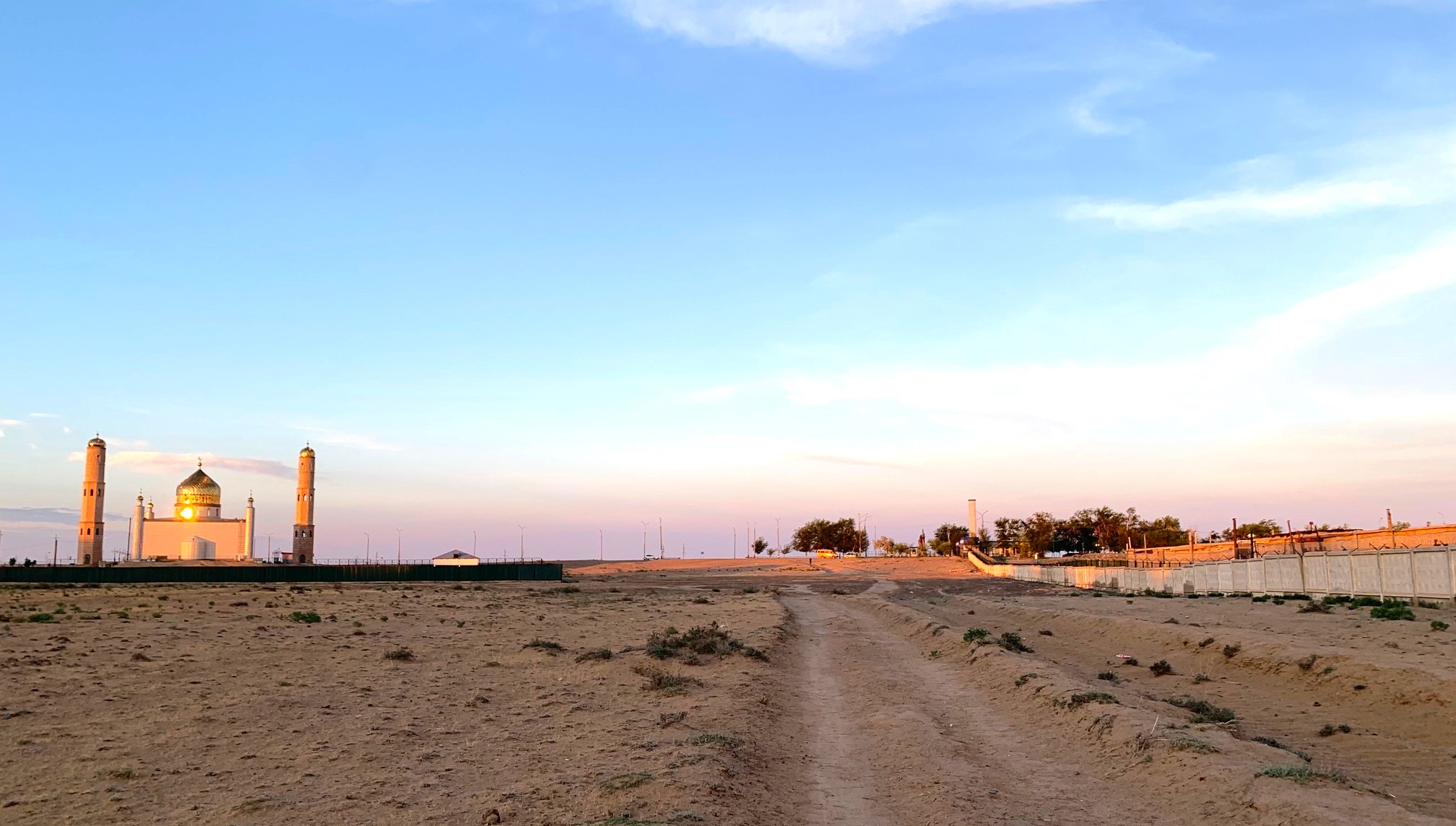
Separate Spheres – the Mosque on the Wall at Toretam; image: Thomas Hodgson

Beyond the economic strain on local Kazakhs, Russia’s cosmodrome wreaks environmental havoc on the steppe. Scientists often refer to UDMH — the fuel used to launch rockets — as “devil’s venom” on account of its toxicity. Locals claim that the soil beneath the flightpaths of Proton rockets has been permanently poisoned by fuel spills from their first and second stages.

Some critics say that these chemicals are carcinogenic and therefore play a part in the unusually high cancer rates in Kazakhstan’s Baikonur and Kyzylorda regions.

An elderly man in a train compartment between Aralsk and Töretam described his brother’s passing from cancer, which he ascribed in no uncertain terms to the “heavy metals” emitted by Baikonur rockets, which get kicked up into the air during the regular dust storms on the steppe.

Children in Baikonur are even warned against playing in the nearby Syr Darya River.

“In the days of the [Soviet] Union, when I was young, we used to play in the river all the time, but now it is full of rubbish and too dangerous,” an elderly local recalled.

Baikonur has also been linked to mass animal deaths. In 1999, a Russian veterinarian established that bird deaths in Russia’s Far Eastern Republic of Sakha were abnormally high due to the disposal of discarded Baikonur rocket parts there. As recently as 2015, Kazakh ecologist Musagali Duambekov suggested that the mass deaths of endangered saiga antelope on the steppe could be linked to toxic fuels used at Baikonur.

Some people are even forced to make a living by scavenging scrap metal from fallen rocket debris.

While Roscosmos claims that it provides 24 hours’ notice for people living in the flight paths to “get to safety” during a rocket launch, they do not accept liability for damage caused by debris within the flight path itself. Compensation is only awarded for damage caused outside of their designated fall zones.

TCA asked a few Töretam locals what they thought about individuals living in more isolated areas of the steppe under the flight paths, but all they offered in response was a vague indication of sympathy for their woes.

While the rocket “falloff” presents an economic opportunity for scrap dealers, their work is uniquely dangerous. Rocket debris, still burning when it hits the ground, emits toxic fumes harmful to both wildlife and humans. The traders typically have little more than a welding mask and a T-shirt to protect themselves against these harmful compounds.

Behind the Wall

The wall separating Baikonur and Toretam; image: Thomas Hodgson

The cosmodrome’s social license is further threatened by its emergent status as a “smuggling” hub to further Russia’s war effort in Ukraine. While Roscosmos is sanctioned by the West, it can continue to operate out of Baikonur relatively unscathed due to the facility’s special status on Kazakh soil.

This comes despite polling suggesting that 44% of Kazakhs view Russia’s full-scale invasion of Ukraine as either “somewhat or completely unjustified.

While this may point to the conclusion that life inside Baikonur is markedly better than outside, the closed city itself is beleaguered with social problems.

According to a barman in Töretam who was born and lives inside the “ring” but commutes daily from Baikonur into the satellite town due to a lack of opportunities, Baikonur’s days are numbered. He described the “constant propaganda,” “lack of work” and “invasive security” that plague the complex. The crumbling housing stock is “from the Soviet days” — dilapidated and not fit for purpose.

“Corruption is everywhere,” he told TCA, accusing everyone from Roscosmos higher-ups to checkpoint employees of taking backhanders to make ends meet.

This is not just barroom conjecture – in 2019, the first deputy head of the city administration was found guilty of embezzling over 7.5 million rubles ($80,900 at today’s exchange rate).

Distorted Histories
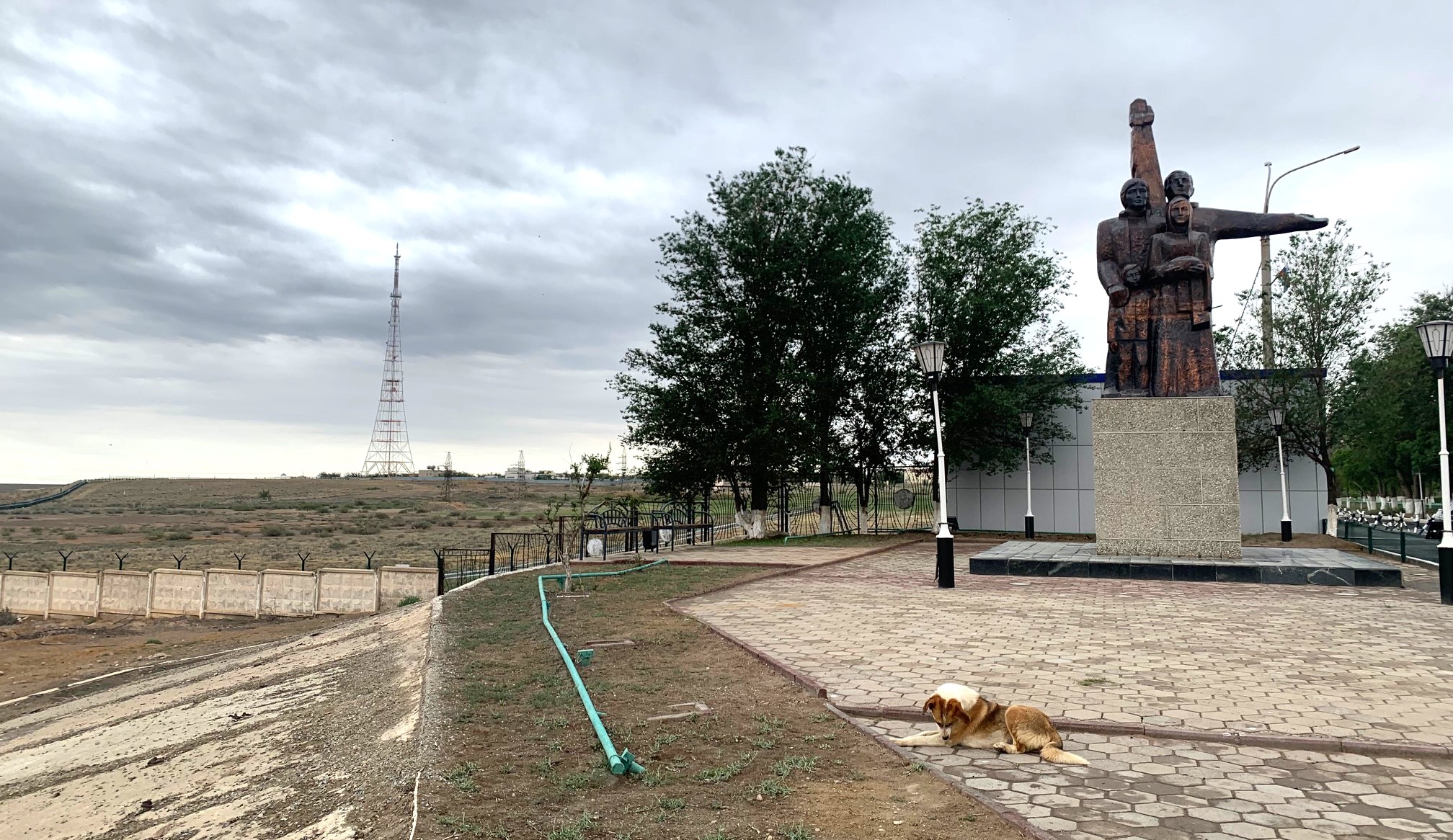
Monument to cosmonauts at the entrance to Baikonur; image: Thomas Hodgson

One can trace Russia’s use of Kazakhstan as a dumping ground for both human and scientific “waste” as far back as Fyodor Dostoevsky, who famously spent a period of exile in Semipalatinsk. This ‘tradition’ continued throughout the Soviet period, as Stalin deported over a million of the Union’s ethnic minority population to the Kazakh SSR.

In allowing Kazakhs to be exposed to potentially life-threatening toxins and keeping them poor through economic hegemony, modern Russia, by all appearances, continues to demonstrate a lack of concern for the local population.

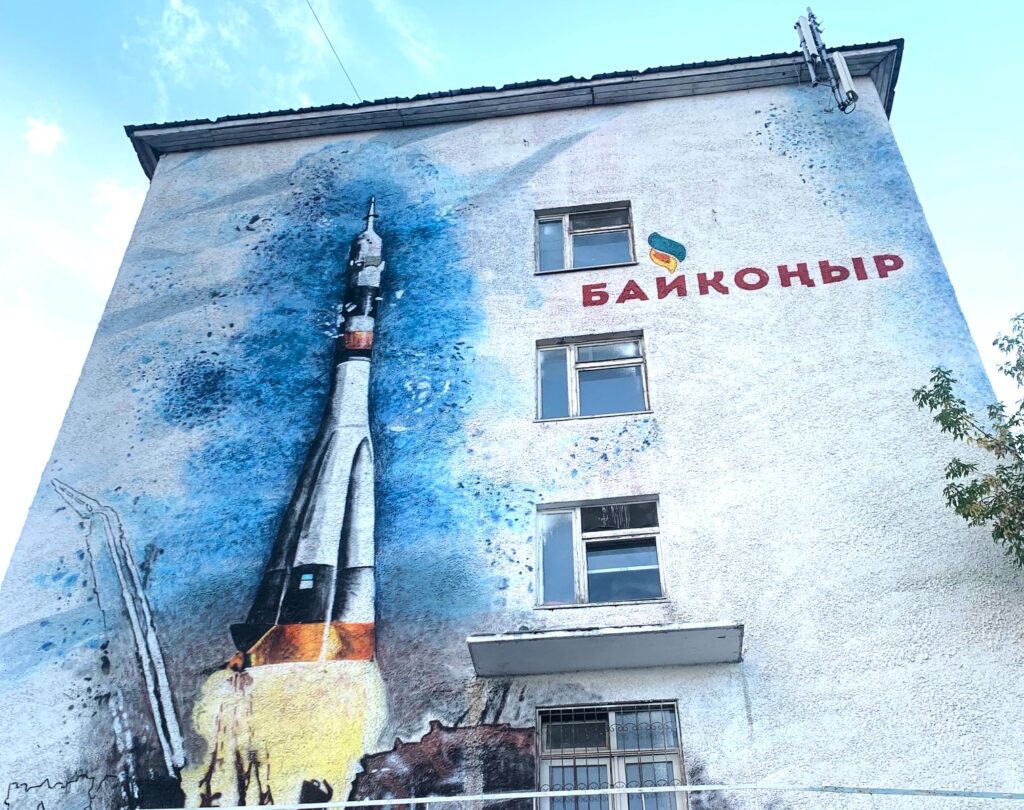
Baikonur occupies a bipolar position in the Kazakh psyche. In Almaty and Astana, the country’s two largest cities, metro stations and suburbs are named after the cosmodrome. It is not uncommon to see Baikonur magnets adorning the fridges of Kazakh households. Bus stops across the country display posters reading “Baikonur — the unity of the nation — the umbilical cord of the earth” in the Kazakh language.

At the same time, memories of the trauma caused by the Russians and their rockets are still fresh. There is no better illustration of this than the memorials to Semipalatinsk, the Soviets’ testing site for nuclear weapons that exposed as many as 1.5 million people to fallout, present in every city in the country.

It is entirely natural that Baikonur is a source of pride for the Kazakh people. Their nation has played host to two earth-shaping developments in the launch of the first artificial Earth satellite and the first manned spacecraft. However, as Russia veers ever deeper into rogue state territory, Kazakhstan finds itself in the impossible position of toeing the line between its notional allyship with its former master, and existing as an independent, sovereign state with the right to shape its own future.

“Baikonur is a city out of time,” a student born in the “ring” who had since left to study in Astana told TCA. “Everything is crumbling. The buildings are all falling down. There is no money or work to be had. All of my friends want out.”

The Russian Federation is due to hand over the oldest and most famous launch pad in the Baikonur complex – Gagarin’s Start – on June 1. Decommissioned in 2019, Kazakhstan plans to turn the site of the world’s first crewed space launch into a museum, with the intention of acquiring UNESCO World Heritage recognition. Symbolically, the handover marks the closure of a historic chapter in space exploration and offers independent Kazakhstan an opportunity to renegotiate its uneasy relationship with the cosmodrome.

Video: “Connecting Minds, Shaping the Future,” – Astana International Forum 2025

The Astana International Forum 2025 aims to address global challenges, foster international cooperation, and strengthen Kazakhstan’s role as a bridge between regions and powers. The Times of Central Asia is in attendance, bringing you all the latest developments.

Follow our special coverage on the Astana International Forum here.