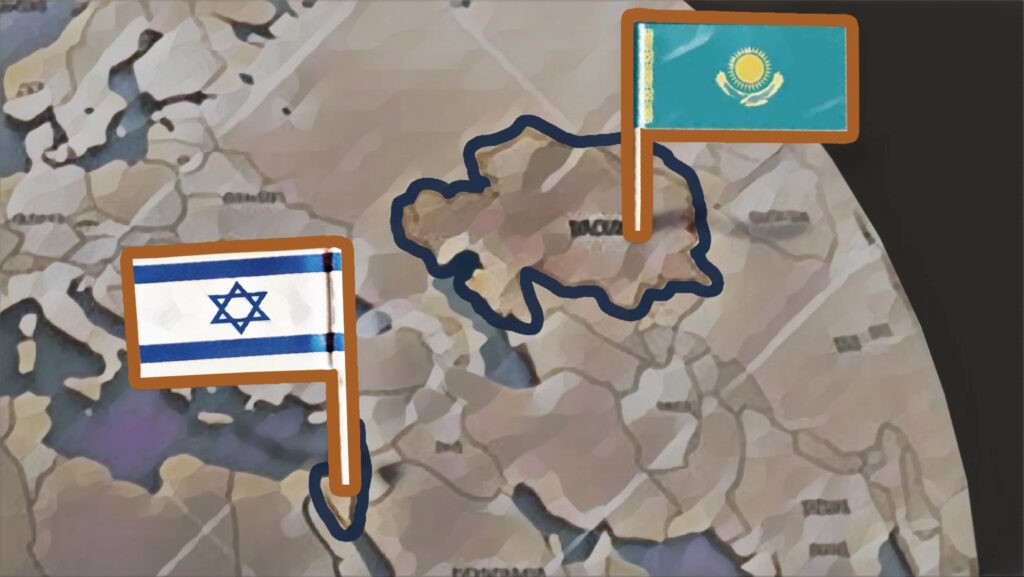
Opinion: Kazakhstan Joins Abraham Accords – More Than a Symbolic Gesture

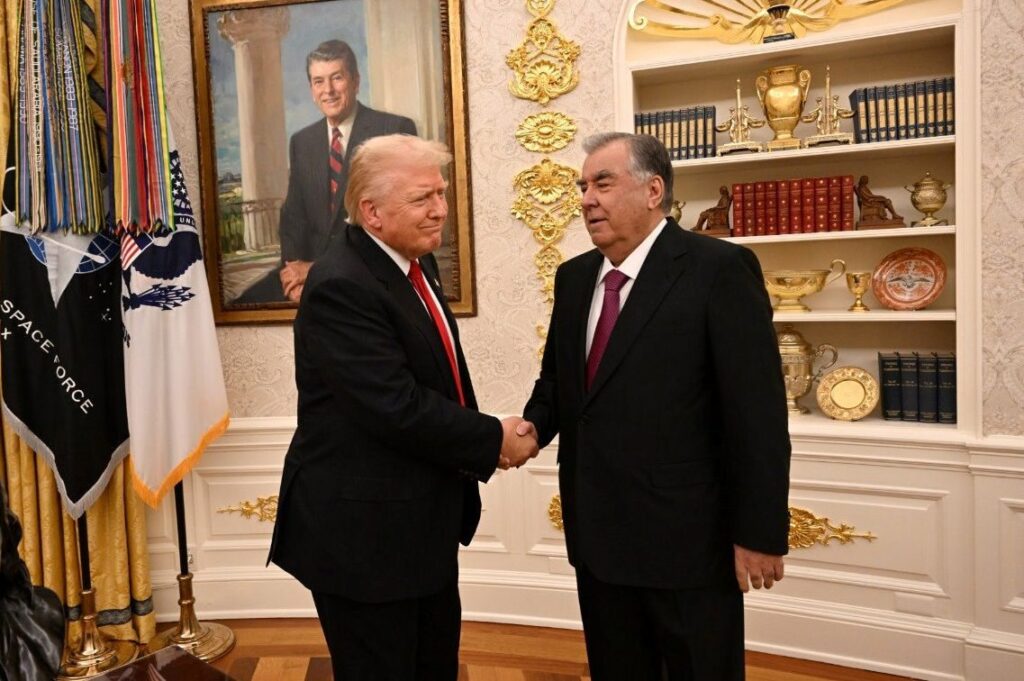
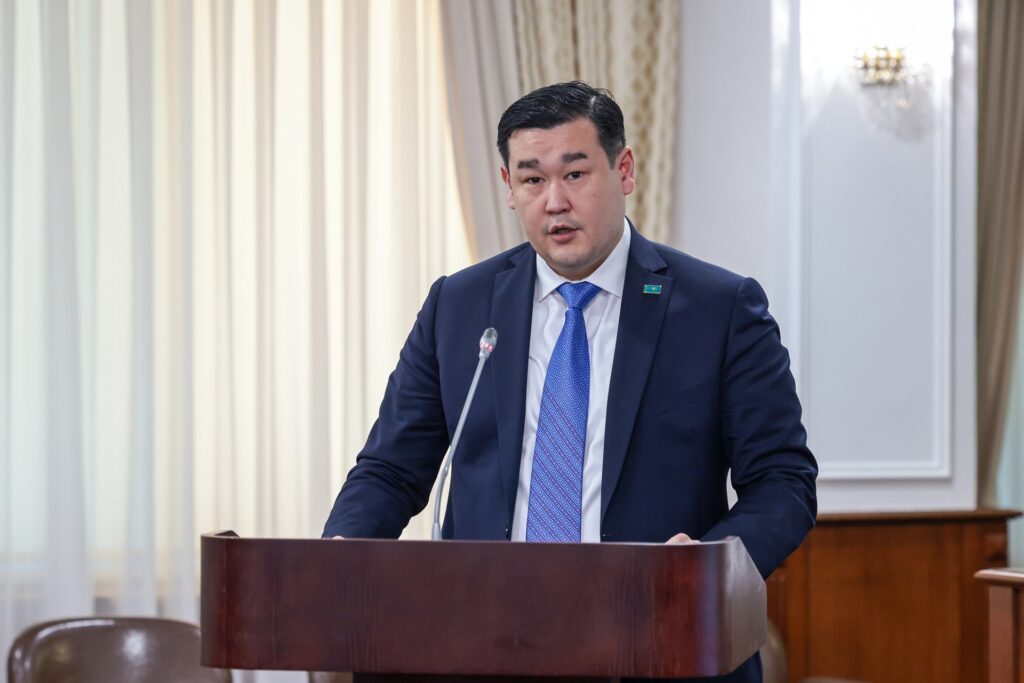
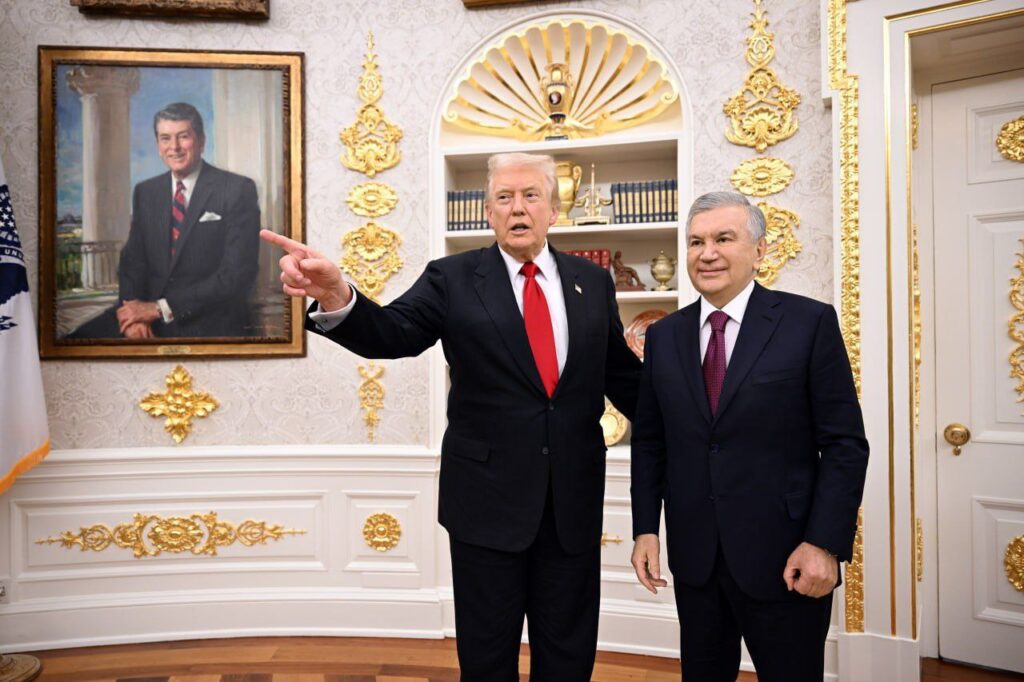
Kazakhstan has officially agreed to join the Abraham Accords during a C5+1 summit, giving another green flag of legitimacy to Israel for its policies and actions in West Asia, especially in Palestine. Reportedly, not only Kazakhstan but also Azerbaijan and Uzbekistan are set to follow this step. The Normalization process, brokered by the United States to advance the culture of peace among the three Abrahamic religions, was initiated by President Donald Trump during his first term. Since then, four Muslim-majority countries – the United Arab Emirates, Bahrain, Morocco, and Sudan – have joined the Abraham Accords. However, other Muslim-majority countries have previously followed the stand taken under the Arab Peace Process of 2002, which emphasizes the resolution of the Palestine issue before starting the normalization of ties with Israel.
The joining of the Abraham Accords by Kazakhstan and the quest by other Caucasus and Central Asian Muslim-majority countries are distinctive in multiple aspects. As per the official definition, the Abraham Accords encourage the establishment of relations between Israel and its neighbors in the region. In this context, the extension of the Abraham Accords, originally designed to broker regional peace and stability in West Asia, to other regions and securing legitimacy by Muslim-majority countries outside West Asia reflects the pan-Abrahamic outlook of the U.S.-brokered deal. Moreover, Kazakhstan is a country that has established diplomatic ties with Israel since 1992, after the disintegration of the Soviet Union. So, the question is, what does the joining of the Abraham Accords by Kazakhstan signify for the Central Asian country, which shares a long border with Russia and already has substantial military and economic ties with it? The significance of the Abraham Accords for Kazakhstan can be comprehensively understood from the point of view of Kazakhstan, the United States, and Israel, the major participants of the agreement.
Kazakhstan’s attempt to balance regional and global pressure
Firstly, for Kazakhstan, the joining of the Accords with the perspective of enhancing ties with Israel can be taken more as a symbolic move, as Kazakhstan already fulfils 25% of Israel’s energy needs. The countries share a strong diplomatic relationship, with Israeli PM Benjamin Netanyahu visiting Kazakhstan in 2016; the two countries have signed several bilateral agreements. Kazakhstan has significant relations with Israel in the fields of irrigation and healthcare, and has also pursued discussions on visa-free travel, tourism, and technology. Kazakhstan and Israel have launched the Israel-Kazakhstan Irrigation Demonstration Centre in the Almaty region. Kazakhstan also hosts the largest Jewish population in Central Asia, which lives in peace and harmony with other ethnic groups.
Considering the strong ties already in place, the lingering question is why Kazakhstan had to formally sign an agreement that appears to be a symbolic gesture from the outside. To this question, Adil Husain, PhD scholar of Central Asian Studies at Jamia Millia Islamia (JMI), New Delhi, says that “though the decision to formalize the normalization ties with Israel may appear as a formality, the move carries a strategic significance for the Central Asian country to balance its regional and international relations. Kazakhstan’s willingness to join the Abraham Accords is based on its adherence to a multi-vector foreign policy, distancing itself from the axis of Russia, China, and Iran. As the region has always been under Russian influence, Kazakhstan’s willingness to join the Abraham Accords shows its proximity to Western countries in the backyard of Russia”.
Kazakhstan is trying to balance its relations with traditional regional partners and Western countries without hurting its interests. The move is also seen as an attempt by the U.S. to improve its outreach. Abdul Rahman, a West Asian expert at People’s Dispatch, says that “Kazakhstan will not invite Russian anger by aligning too closely with the U.S., so the Abraham Accords seem a safer option to make an indirect relationship with the U.S., as Israel is close to it. But I think even if they are joining the Abraham Accords, at best, it will be a cold peace with Israel, which is never a priority for Central Asia. The main point is to release Russian and American pressures. Aligning with Israel will make them closer to the U.S. and counter Russian pressure. Being close to Russia will stand against too much U.S. pressure. So, it’s a win-win situation for Central Asian regimes in one way. We should always remember that all of these countries are members of the SCO as well. So, at max, it’s an attempt to appease Donald Trump”.
Abraham Accords expansion: a reflection of the U.S.-Israel interest?
For the United States, Kazakhstan aligns with broader objectives by securing energy and economic interests, along with providing an alternative trade route. By ensuring critical mineral supply chains and rare earth elements, the Central Asian country provides the U.S. with all the essential elements for clean energy technologies and defense manufacturing, which allows it to reduce reliance on China. Also, the Trans-Caspian International Transport Route connects Central Asia to Europe via the Caspian Sea and the South Caucasus, offering a vital alternative trade route that bypasses both Russia and Iran.
Furthermore, geopolitically, the revival of the Abraham Accords after the October 7 attack reflects that the project is still ‘viable’. Mudassir Qamar, Assistant Professor at the Centre for West Asian Studies at Jawaharlal Nehru University, says, “to some extent, it is an effort towards keeping the Accords relevant, showcasing its potential, and expanding it beyond West Asia”. Also, for the U.S., the Accord reinforces Donald Trump’s personal diplomatic efforts to establish peace and order globally, following his attempts in several conflicts, including Ukraine-Russia, India-Pakistan, Israel-Iran, and participation in brokering a hostage deal between Israel and Hamas.
The move is also seen as an attempt to counter Russia’s historic influence over Central Asian countries. Prof. Qamar says, “The Abraham Accords give U.S.-Israel a strategic opening in Central Asia, a region of strategic dominance by China and Russia”. Abdul Rahman sees it as a direct attempt by the United States’ pressure Kazakhstan to isolate Russia in the region.
Ghulam Mohammad Shah, professor at MMAJ Academy of International Studies, JMI, emphasized, “The Abraham Accord will be welcomed by the United States, and Russia will not be happy with it, especially Kazakhstan signing the Accord, because the latter has a long border with Russia. China, Russia, and the United States want to exert their influence in Central Asia. Russia has its energy and security interests in Kazakhstan, whereas China has its economic interests in Central Asia. The United States wants the Central Asian States not to fall into any of the two domains”.
For Israel, the Abraham Accords are seen as an attempt to neutralize Israeli actions against Palestine, where it has been accused of perpetrating genocide and ethnic cleansing. The normalization process between Israel and the Muslim world avoids raising several questions, ranging from Israeli settlements, the refugee issue, the question of the occupied territories by Israel, recognition of Palestine as a state, and the boundaries issue of the Palestinian state, among many others. The U.S.-led normalization process had been opposed by the Palestinian group, Hamas, which has condemned the countries joining the Abraham Accords and normalizing ties with Israel, while neglecting the question of Palestine and Palestinians. After Trump announced Kazakhstan’s joining the Abraham Accords, Hamas criticized the move, calling it an attempt to whitewash the genocide crimes committed by Israel in Gaza. The normalization of relations with Israel tends to leave the Palestinian question unresolved.
In conclusion, Kazakhstan’s signing of the Abraham Accords cannot be seen as a solely symbolic move; rather, it must be considered a strategically balanced attempt by Kazakhstan to secure regional and international favors while remaining relevant in the region. The expansion of the Abraham Accords signatories beyond regional countries in West Asia reflects an independent and powerful foreign policy derived from national interests.
The views expressed in this article are those of the author and do not necessarily reflect the official policy or position of the publication, its affiliates, or any other organizations mentioned.